Reach Out Today
Please provide your email address so that we can stay in touch and answer any questions you have! We will be reaching back out shortly.


Hear from Our Customers
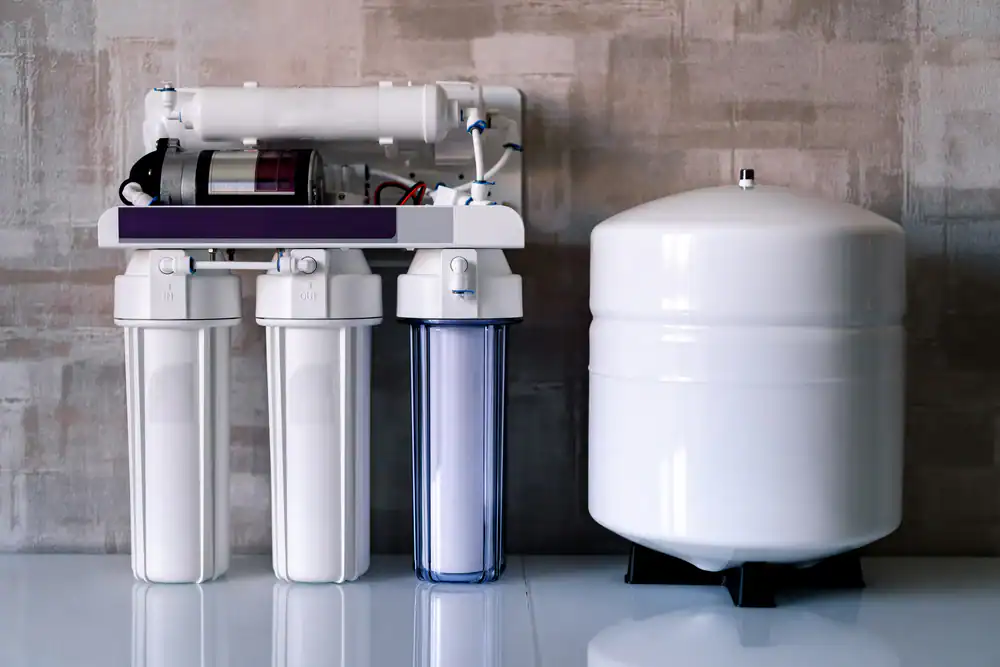
Your skin stops feeling dry after every shower. Your appliances stop building up that white crusty residue. Your dishes come out of the dishwasher without spots.
These aren’t small things when you’re dealing with them every single day. Dallas water contains 38 detected contaminants—17 of them above health guidelines set by independent researchers. That’s not a scare tactic. It’s what’s in the water coming into your home right now.
A point-of-entry whole house water filter treats everything before it reaches your faucets, showers, washing machine, or water heater. You’re not just filtering drinking water. You’re protecting the entire system—and everyone using it.
Hard water in Dallas measures around 140 to 180 ppm. Anything above 120 is considered hard. That means scale buildup in your pipes, shorter appliance lifespans, higher energy bills, and constant cleaning. A whole home carbon filter combined with a water softener handles both the chemicals and the minerals, so you’re not choosing between clean and soft—you get both.
We’ve been installing and servicing water treatment systems for over five decades. We’re members of the National Water Quality Association, A-rated by the Better Business Bureau, and we’ve built our reputation on doing the work right the first time.
We don’t sell plumbing services or water heaters. We specialize in water purification, softening, and filtration—nothing else. That focus matters when you’re trying to solve a problem that most companies treat as a side offering.
We serve Dallas homeowners who want their water tested, their system designed specifically for their home, and their equipment installed by people who know what they’re doing. We also service all major brands, so if you’ve got an existing system that’s not working, we can fix it.

We start with a water test. Not a guess. Not a generic recommendation. We test your water to see exactly what’s in it, because Dallas water quality can vary depending on your neighborhood and your home’s plumbing.
Once we know what we’re dealing with, we design a multi-stage filtration system that fits your home. That usually means sediment filtration to catch particles, carbon filtration to remove chlorine and chemicals, and a softener if your water’s hard—which in Dallas, it almost always is.
Installation happens at the point where water enters your home. We’re treating everything before it splits off to your kitchen, bathrooms, laundry room, or water heater. The system runs automatically. Filter media backwashing happens on a schedule. You’re not manually changing cartridges every week.
After installation, we walk you through how it works and what to expect. You’ll notice the difference immediately—better water pressure, no chemical smell, softer feel. We also provide ongoing service and maintenance, because a system only works long-term if it’s actually maintained.

Ready to get started?
Every whole house water filter we install is custom-designed based on your water test results and your home’s specific needs. You’re not getting a one-size-fits-all box from a big-box store. You’re getting a system that actually addresses what’s in your water.
Most Dallas homes need a combination system—sediment filtration, carbon filtration, and water softening. Sediment filters catch dirt, rust, and particles. Carbon filters remove chlorine, disinfection byproducts, and chemicals that affect taste and smell. Water softeners eliminate the calcium and magnesium that cause hard water damage.
Dallas water has been found to contain hexavalent chromium at 14 times the health guideline, nitrate at nearly 5 times the guideline, and PFAS (“forever chemicals”) that require specialized filtration. A quality point-of-entry system removes up to 99% of these contaminants before they reach any tap in your home.
You’re also protecting your appliances. Hard water and chemical buildup shorten the lifespan of your dishwasher, washing machine, and water heater. The average cost of whole house water filtration ranges from $1,000 to $10,000. Compare that to $40,000+ for whole home repiping in Dallas County when your pipes fail from years of scale buildup and corrosion.
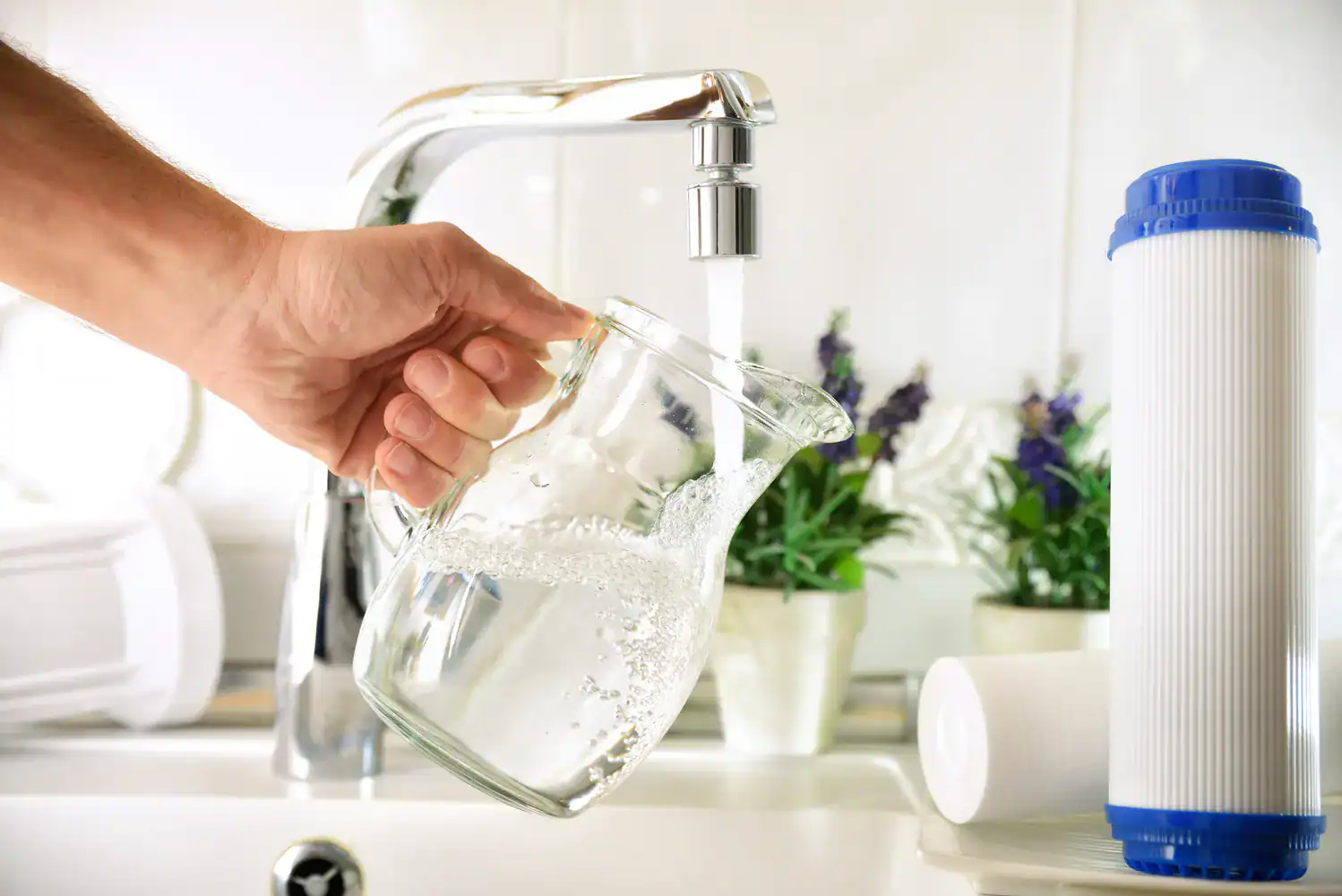
Most whole house water filtration systems in Dallas range from $1,000 to $10,000 depending on the size of your home, the contaminants in your water, and whether you need a softener included. A basic sediment and carbon filter for a smaller home might run closer to $1,500 to $3,000. A full multi-stage system with softening and advanced filtration for a larger home with serious water quality issues can be $6,000 to $10,000.
The cost depends on what you actually need, not what someone’s trying to upsell you on. That’s why we test your water first. If your water doesn’t have lead, you don’t need a lead filter. If your hardness is manageable, maybe you don’t need the largest softener on the market.
What matters more than the upfront cost is what you’re avoiding down the road. Replacing a water heater every 6 years instead of every 12 adds up. So does constantly descaling faucets, replacing appliances, and buying bottled water because you don’t trust what’s coming out of the tap.
A properly designed whole house water filter removes chlorine, sediment, heavy metals like lead and chromium, nitrates, PFAS, disinfection byproducts, and other chemicals found in Dallas water. The specific contaminants removed depend on the type of filtration media used in your system.
Carbon filters handle chlorine, chemicals, and taste and odor issues. Sediment filters catch rust, dirt, and particles. If your system includes reverse osmosis or specialized media, it can also remove PFAS, hexavalent chromium, and nitrates—all of which have been detected in Dallas water above health guidelines.
Dallas water meets federal safety standards, but “safe” and “ideal” aren’t the same thing. Thirty-eight contaminants have been found in Dallas water, with 17 exceeding guidelines set by independent health researchers. A whole house system treats all of it at the point of entry, so you’re not just filtering one faucet—you’re filtering everything.
If you live in Dallas, you almost certainly need a water softener. Dallas water hardness measures between 140 and 180 ppm, and anything above 120 ppm is considered hard water. That level of hardness causes scale buildup in pipes, reduces appliance efficiency, leaves spots on dishes, and dries out your skin and hair.
A water softener removes the calcium and magnesium that cause hardness. A whole house filter removes contaminants like chlorine, chemicals, and sediment. Most Dallas homes benefit from a combination system that does both—softens the water and filters out everything else.
You can install just a filter or just a softener, but you’ll still be dealing with half the problem. Hard water will still damage your appliances even if it’s chemically clean. Soft water will still contain chlorine and contaminants even if it doesn’t leave scale. A combined system handles both issues at once.
Most whole house water filters need maintenance once or twice a year, depending on your water quality and how much water your household uses. Maintenance usually involves replacing filter cartridges, checking the system for proper operation, and replenishing softener salt if you have a combination system.
Carbon filters typically need replacement every 6 to 12 months. Sediment filters might need changing every 3 to 6 months if your water has a lot of particulates. Some systems use filter media that backwashes automatically, which means less frequent manual maintenance—but you’ll still want an annual checkup to make sure everything’s working correctly.
We provide ongoing service and maintenance for all the systems we install. We’ll also service systems installed by other companies or previous homeowners. Regular maintenance isn’t optional if you want your system to keep working. A clogged filter doesn’t just stop filtering—it can reduce water pressure and damage the system.
A properly sized and installed whole house water filter should not noticeably reduce your water pressure. If you do experience pressure loss, it usually means the system is undersized for your home’s flow rate, the filters are clogged and need replacement, or there’s an installation issue.
We size systems based on your home’s plumbing and water usage. A family of four needs a different flow rate than a couple in a smaller home. If the system can’t handle peak demand—like when someone’s showering while the dishwasher and washing machine are running—you’ll notice a drop in pressure.
Ironically, many Dallas homes actually see improved water pressure after installing a whole house filter with a softener. That’s because hard water scale buildup in your pipes restricts flow over time. Once you stop adding more scale and start using softer water, your pipes can flow more freely. It’s not the filter improving pressure—it’s the removal of what was blocking your pipes in the first place.
Please provide your email address so that we can stay in touch and answer any questions you have! We will be reaching back out shortly.
"*" indicates required fields
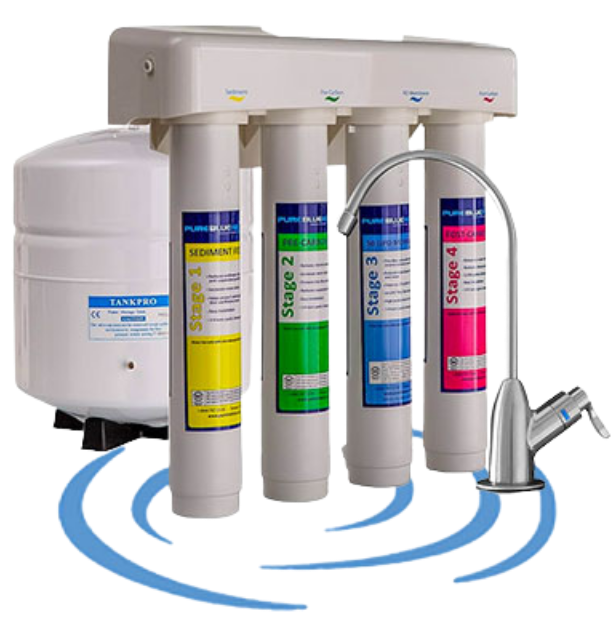
Get a free reverse osmosis drinking water system with the purchase of any whole-home water purification system.
*Cannot be combined with other offers. Mention this special when you call.