Reach Out Today
Please provide your email address so that we can stay in touch and answer any questions you have! We will be reaching back out shortly.


Hear from Our Customers
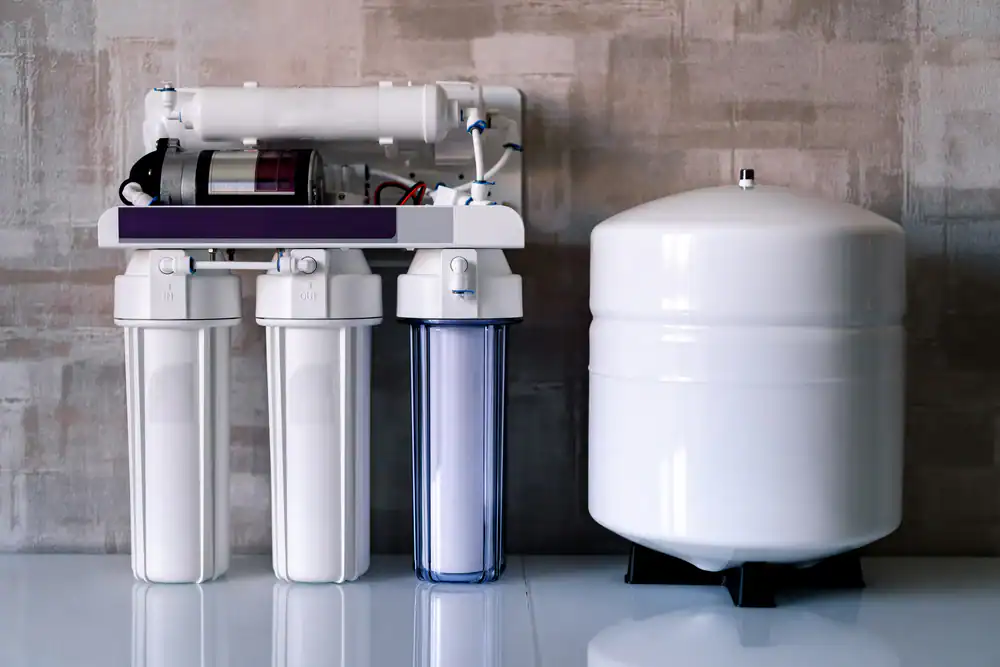
You stop worrying every time your kids drink from the tap. That’s the first thing.
The second thing is your appliances last longer. Your water heater isn’t fighting scale buildup. Your washing machine isn’t clogged with sediment. Your fixtures aren’t stained orange from iron or coated in white mineral deposits.
You’re not replacing cartridges every month or dealing with a different filter for every faucet. A whole home carbon filter installed at your main water line treats everything—kitchen, bathrooms, laundry, outdoor spigots. One system, complete coverage.
Your water tastes better. It smells better. Your skin doesn’t feel like sandpaper after a shower. And you’re not second-guessing whether the water coming out of your refrigerator is actually safe.
That’s what a properly engineered point-of-entry system does. It handles the problem before the water ever reaches your home.
We have an A+ Better Business Bureau rating with zero complaints. That’s not common in this industry, especially when you’re competing against national companies that sell systems and disappear when something breaks.
We’re members of the National Water Quality Association, which means we’re held to actual standards. We don’t just install equipment—we design custom water purification systems based on your water analysis and your family’s usage.
Clarcona sits in an area where groundwater contamination is a real issue. Florida’s porous limestone and high water table mean aquifer water picks up everything—pesticides, solvents, runoff. We’ve been handling these exact problems in Central Florida for decades, and we know what works here.
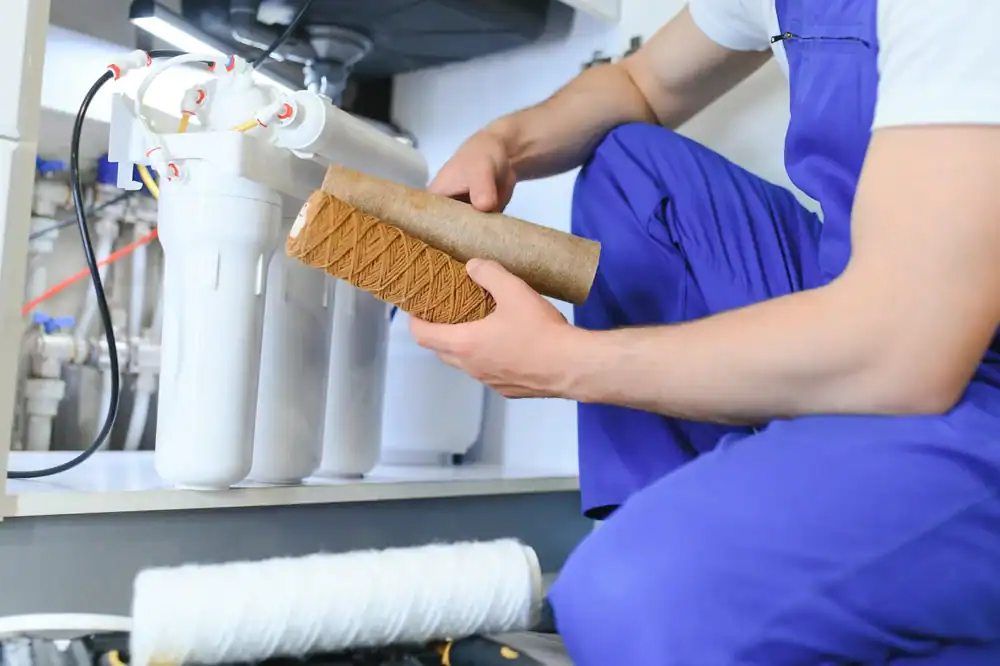
First, we test your water. Not a generic test—a real analysis that tells us what contaminants you’re dealing with and how hard your water actually is.
Then we design a system around those results. Most homes in Clarcona need multi-stage sediment filtration combined with catalytic carbon media to handle chlorine, chemical byproducts, and the off-flavors that come with Florida water. If you’ve got serious hardness, we’ll talk about a water softener combination that protects your plumbing and your filtration media.
The system gets installed at your main water line—that’s the point-of-entry. Everything that comes into your house after that point is filtered. No more thinking about which faucet is safe or which shower is clean.
Once it’s in, the system runs on filter media backwashing cycles that keep everything clean without you lifting a finger. Modern whole home systems are built for long media life and low maintenance. You’re not swapping cartridges every other month like you would with individual faucet filters.
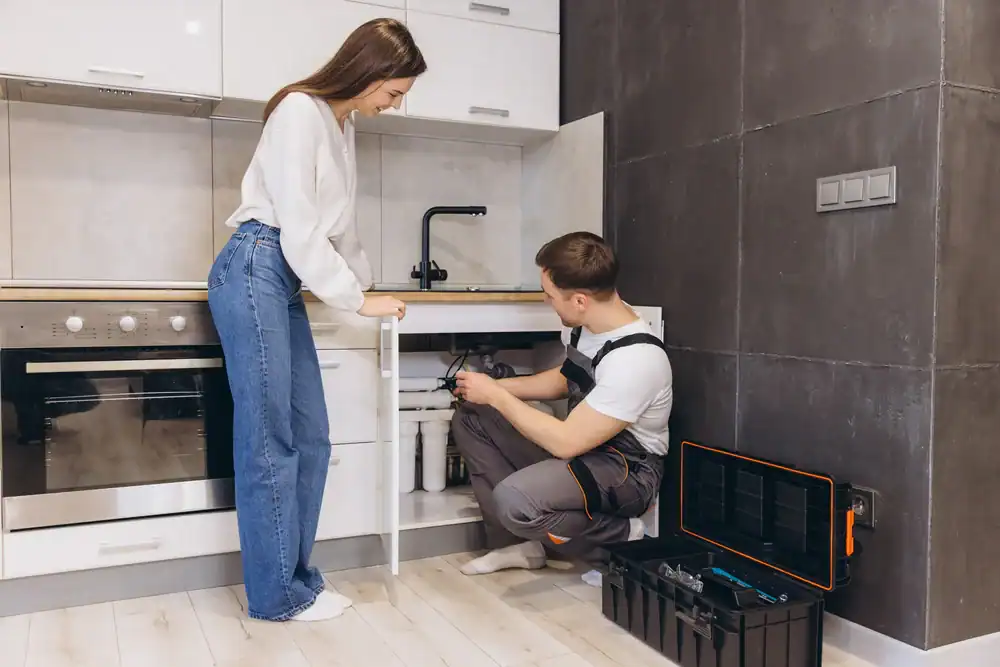
We handle the installation, the setup, and the ongoing service. And unlike some companies, we actually show up when you call.
Ready to get started?
You’re getting a custom-designed system built for your water and your home. That means the filtration media is matched to your contaminants—not a one-size-fits-all box from a big-box store.
In Clarcona and the surrounding Lake County area, we see a lot of the same issues: hard water that destroys appliances, chlorine taste and smell from municipal treatment, iron staining, and aquifer contamination from agricultural runoff and old fuel tanks. A properly engineered whole home carbon filter addresses the taste and odor. Multi-stage sediment filtration catches particulates before they damage your plumbing. And if PFAS is a concern—which it is near military installations in Florida—catalytic carbon beds are one of the few residential options that actually reduce those compounds.
You’re also getting a system that protects your investment. Cleaner water means your water heater lasts longer. Your dishwasher doesn’t get clogged. Your clothes don’t come out of the wash looking dingy.
And you’re working with a Florida-based company that knows this market. We’re not a national franchise that sells you a system and vanishes. We service what we install, and we service it fast.
It depends on your water quality and what you need the system to do. A basic point-of-entry carbon filter for a smaller home starts around $2,000 to $3,000 installed. If you need multi-stage sediment filtration, a water softener combination, or specialized media for contaminants like PFAS or heavy metals, you’re looking at $4,000 to $8,000 or more.
The price also depends on your water usage. A family of two uses less water than a family of six, and that affects the size of the system and the media capacity you’ll need.
We don’t give quotes over the phone because your water is different from your neighbor’s water. We test it first, then design a system that actually solves your problem. That’s how you avoid overpaying for equipment you don’t need or underpaying for a system that doesn’t work.
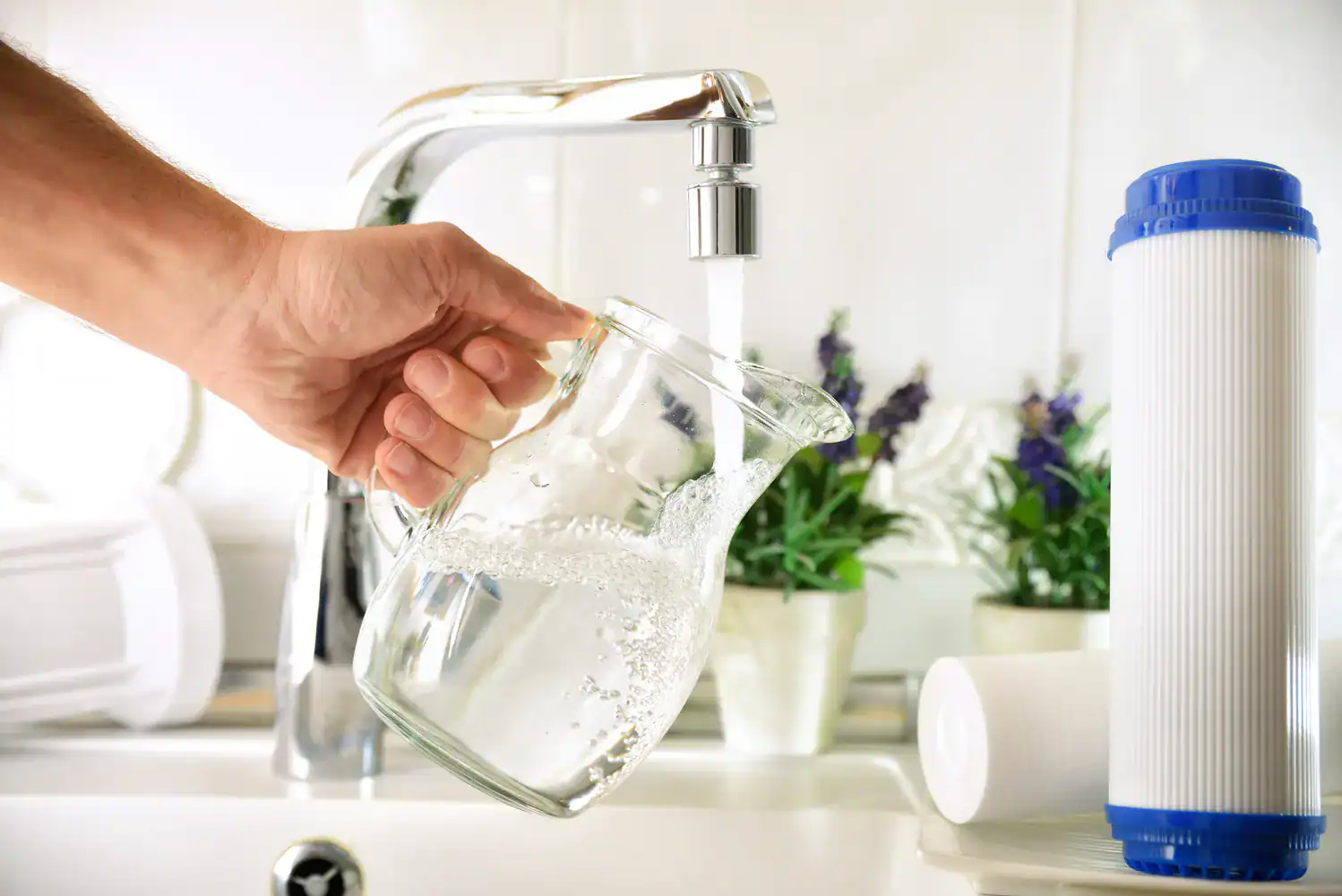
Yes, if it’s designed correctly. Chlorine and chlorine byproducts are what cause that chemical taste and smell in municipal water, and they’re one of the easiest things for a whole home carbon filter to remove.
The key is the contact time between the water and the carbon media. A properly engineered carbon bed gives the water enough time to pass through the media and actually get filtered. Cheap systems rush water through too fast, and you don’t get full removal.
Catalytic carbon is even more effective than standard activated carbon, especially for chloramines, which some water districts use instead of chlorine. If taste and odor are your main concerns, a whole house carbon system will handle it at every faucet, every shower, and every appliance in your home. You’ll notice the difference immediately.
Most whole house systems don’t use cartridge filters that need constant replacement. They use filter media that lasts years, not months.
A typical carbon bed lasts three to seven years depending on your water quality and usage. Sediment pre-filters might need changing once or twice a year if you’re on well water with heavy particulates, but that’s a quick swap—not a full system overhaul.
The system backwashes itself on a schedule, which keeps the media clean and extends its life. You’re not dealing with the maintenance hassle of under-sink filters or pitcher filters that need new cartridges every few weeks. That’s one of the biggest advantages of point-of-entry systems—they’re designed for low maintenance and long media life. When it is time to replace the media, we handle it.
It depends on the system, but a well-designed whole house filter removes chlorine, chloramines, sediment, iron, sulfur, pesticides, herbicides, and a range of volatile organic compounds. If you add catalytic carbon, you can reduce PFAS compounds, which are showing up in Florida groundwater near military bases and industrial areas.
Standard carbon filters don’t remove hardness minerals like calcium and magnesium—that requires a water softener. But if you’re dealing with both hard water and contamination, a water softener combination system handles both issues in one setup.
Florida’s aquifer water is especially vulnerable to contamination because of the porous limestone and high water table. Pesticides, dry-cleaning solvents, and fuel leaks are common in well water. Municipal water is treated, but it still carries chlorine and disinfection byproducts. A whole home system addresses what’s actually in your water, not just what you think might be there. That’s why we test first.
If you have hard water, yes. And in Clarcona, most homes do.
Hard water causes scale buildup in your pipes, water heater, dishwasher, and washing machine. Over time, that buildup reduces efficiency and shortens the lifespan of your appliances. It also makes soap less effective, leaves spots on dishes, and creates that filmy feeling on your skin after a shower.
A whole house carbon filter removes contaminants and improves taste, but it doesn’t soften water. You need a separate softener for that, or a combination system that does both. The advantage of a combination setup is that the softener protects the filtration media from hardness minerals, which extends the life of your carbon bed and keeps everything running efficiently.
If your water test shows high hardness—which is common in Florida’s coastal and inland areas—we’ll recommend a softener as part of the system. It’s not an upsell. It’s what your water needs.
Please provide your email address so that we can stay in touch and answer any questions you have! We will be reaching back out shortly.
"*" indicates required fields