Reach Out Today
Please provide your email address so that we can stay in touch and answer any questions you have! We will be reaching back out shortly.


Hear from Our Customers
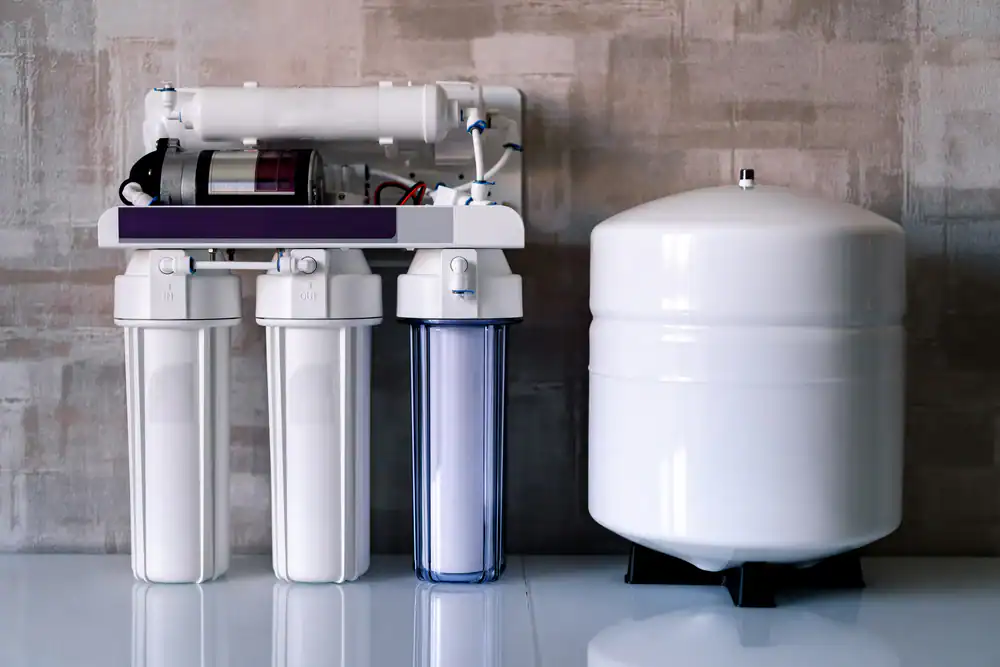
Your appliances last longer. The mineral buildup that clogs pipes and ruins water heaters gets stopped before it enters your home. You can expect your dishwasher, washing machine, and water heater to run 30% longer when they’re not fighting hard water every day.
Your skin and hair feel different after a shower. No more dryness or that filmy feeling that comes from chlorine and minerals in untreated water. Your soap actually rinses clean.
You stop buying bottled water. When your tap water tastes clean and fresh, you use it. That’s money back in your pocket every month, and fewer plastic bottles ending up in landfills.
Your home’s plumbing stays clearer. Scale doesn’t build up inside pipes the way it does with untreated water. That means better water pressure and fewer emergency calls to fix clogged lines or failing fixtures.
We don’t do plumbing or water heaters. We install and service water filtration and softening systems for homeowners in Belle Isle and throughout Central Florida. That focus matters because we’re not trying to upsell you on services outside our lane.
We’re A-rated with the Better Business Bureau, carry a 5-star rating with zero complaints, and hold membership in the National Water Quality Association. Those aren’t just badges. They’re proof that we show up, do the work right, and stand behind what we install.
Belle Isle’s small-town feel and mid-century homes come with water challenges. Aging pipes, hard water from the aquifer, and Florida’s heavy rains all affect what comes out of your tap. We’ve been handling those exact issues for homeowners in this area, and we know what systems hold up in Central Florida’s conditions.
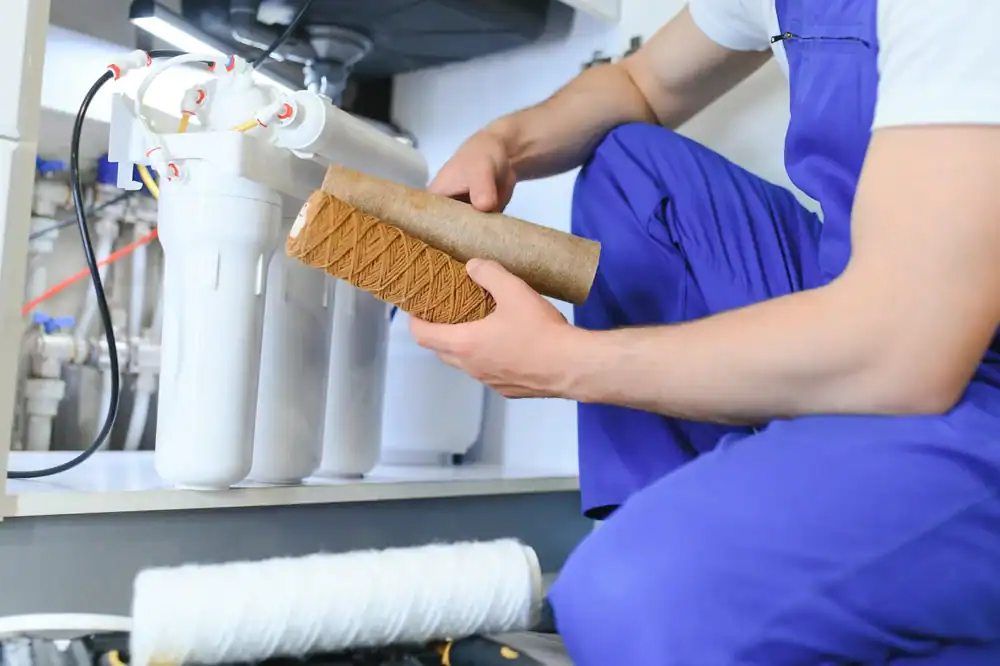
It starts with a free water analysis. We test your water to see what’s actually in it—hardness levels, chlorine content, sediment, and other contaminants. You can’t fix what you don’t measure, and guessing leads to the wrong system for your home.
Once we know what we’re dealing with, we recommend a point-of-entry system that matches your water issues and your home’s size. That might be a multi-stage sediment filtration setup, a whole home carbon filter, or a water softener combination. We’re not pushing one system on everyone. Different houses need different solutions.
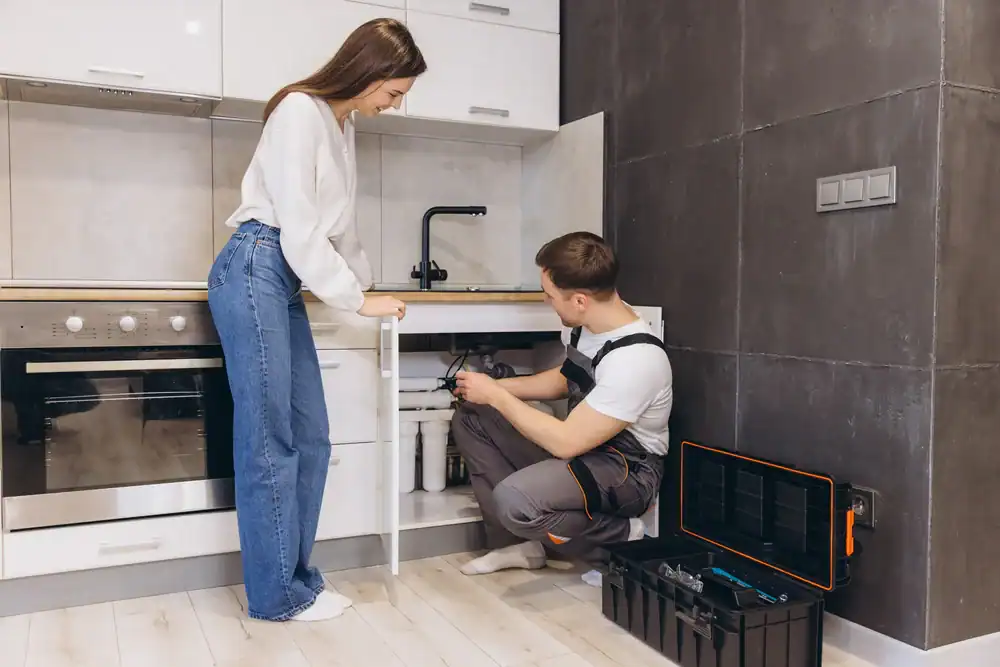
Installation typically takes three to five hours. We mount the system where your main water line enters the house, so every drop that flows through your home gets filtered. You’ll see the difference immediately—clearer water, better taste, and no more mineral stains on your fixtures.
After installation, the system runs on its own. Most whole house filters use automatic filter media backwashing, which means they clean themselves. You’re not changing cartridges every month or babysitting equipment. It just works.
Ready to get started?
A point-of-entry system treats water right where it enters your home. That’s different from an under-sink filter or a pitcher. Every faucet, every shower, every appliance gets filtered water. Your ice maker, your washing machine, your garden hose—all of it.
Multi-stage sediment filtration removes dirt, rust, and particles before they reach your fixtures. If you’ve ever seen orange or brown water after a heavy storm, that’s sediment. Central Florida gets hit with intense summer thunderstorms and hurricane-season downpours. Those events stir up sediment in the water supply, and a good filtration system catches it before it enters your home.
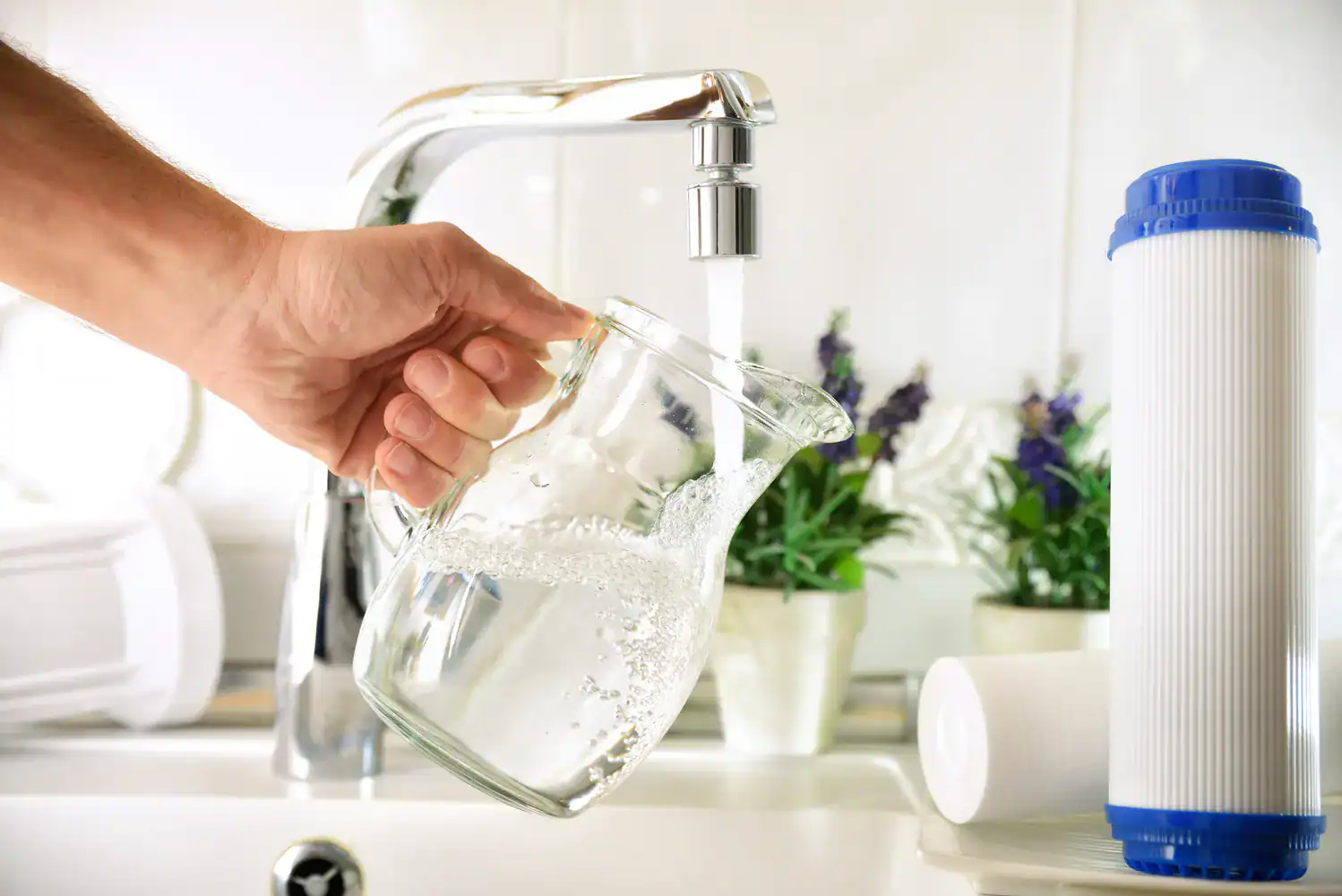
Whole home carbon filters handle chlorine, taste, and odor issues. Municipal water in Florida is treated with chlorine for safety, but that doesn’t mean you want to taste it or smell it every time you turn on the tap. Carbon filtration pulls it out.
A water softener combination addresses Florida’s hard water problem. The aquifer that supplies Belle Isle has high mineral content. That’s what leaves white buildup on your showerheads and makes your soap not lather right. A softener removes calcium and magnesium before they cause problems. When you pair it with filtration, you’re covering all the bases—hardness, sediment, chlorine, and contaminants.
Systems in Florida typically range from $1,290 to $9,990 depending on what you’re filtering and the size of your home. A basic sediment filter for a smaller house costs less than a full point-of-entry system with softening and carbon filtration for a larger property.
The price also depends on your water quality. If your water test shows high hardness, heavy chlorine, and sediment issues, you’ll need a more robust system than someone dealing with just one problem. We don’t sell you more than you need, but we also don’t undersize a system and leave you with half-solved issues.
Most homeowners who do the free water analysis end up saving money because they know exactly what they’re dealing with. Guessing leads to buying the wrong equipment or paying for features that don’t address your actual water problems.
The system itself can last 10 to 20 years if it’s installed correctly and maintained. The filter media inside needs attention depending on the type. Carbon filters may need media replacement every 5 to 10 years. Sediment filters with backwashing capability clean themselves, so you’re not swapping out cartridges constantly.
Water softeners use salt, and you’ll need to refill the brine tank periodically—usually every few months depending on your water usage and hardness levels. That’s normal maintenance, not a system failure.
The key is getting a system designed for Central Florida’s water conditions. Equipment that works great in other states may not hold up here. High humidity, heavy seasonal water use, and Florida’s unique water chemistry all affect how long a system performs well.
A properly sized system won’t cause noticeable pressure loss. If the system is too small for your home’s flow rate, then yes, you might see a drop. That’s why sizing matters during installation.
We calculate your home’s peak water demand—how many fixtures might run at once—and match the system to handle that flow. A house with four bathrooms and a large family needs a different setup than a two-bedroom home with one or two people.
Some homeowners actually notice better pressure after installation because we’re removing sediment and scale that was already restricting flow inside their pipes. If your pipes have been dealing with mineral buildup for years, cleaning up the water supply can improve pressure, not hurt it.
It depends on your water hardness. A filter removes sediment, chlorine, and contaminants. A softener removes calcium and magnesium, which cause hardness. They do different jobs.
If your water test shows high hardness levels—which is common in Belle Isle because of the aquifer—you’ll want both. The filter handles particles and chemicals. The softener handles minerals. You can install them together as a combination system, and they work in sequence to give you fully treated water.
If your water isn’t hard, you might not need a softener. That’s why the water test comes first. We’re not selling you equipment you don’t need. Some homes only need filtration. Others need the full setup.
Most systems with automatic backwashing take care of themselves. The filter media gets cleaned periodically without you doing anything. You might need to add salt to a softener every few months if you have one, and that’s about as hands-on as it gets.
Carbon filters eventually need media replacement, but that’s a once-every-several-years task, not a monthly chore. Sediment pre-filters, if your system has them, may need occasional cartridge swaps depending on how much sediment your water carries.
We set up systems to be low-maintenance because nobody wants to spend their weekends babysitting water equipment. If something needs attention, the system will usually alert you, or you’ll notice a change in water quality. That’s your signal to call us for a quick check.
Please provide your email address so that we can stay in touch and answer any questions you have! We will be reaching back out shortly.
"*" indicates required fields
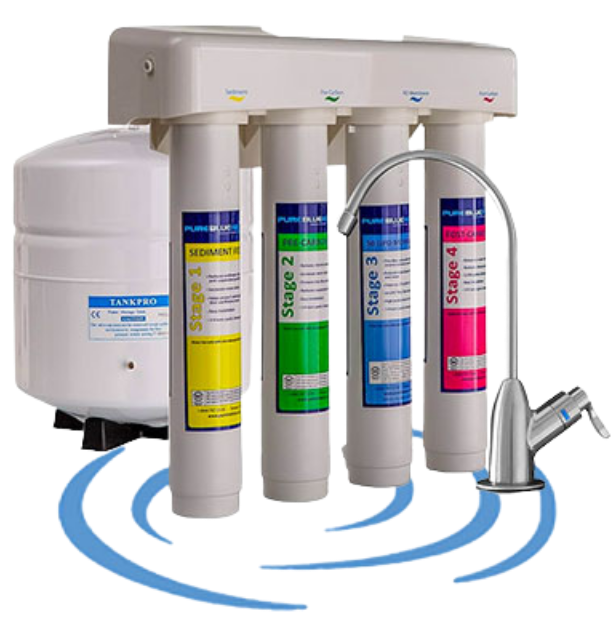
Get a free reverse osmosis drinking water system with the purchase of any whole-home water purification system.
*Cannot be combined with other offers. Mention this special when you call.