Reach Out Today
Please provide your email address so that we can stay in touch and answer any questions you have! We will be reaching back out shortly.


Hear from Our Customers
You stop buying bottled water. Your coffee tastes better. Your skin doesn’t feel tight after a shower.
The orange stains on your fixtures disappear. Your appliances last longer because they’re not clogged with sediment and mineral buildup. Your water pressure stays consistent because your pipes aren’t fighting through calcium deposits.
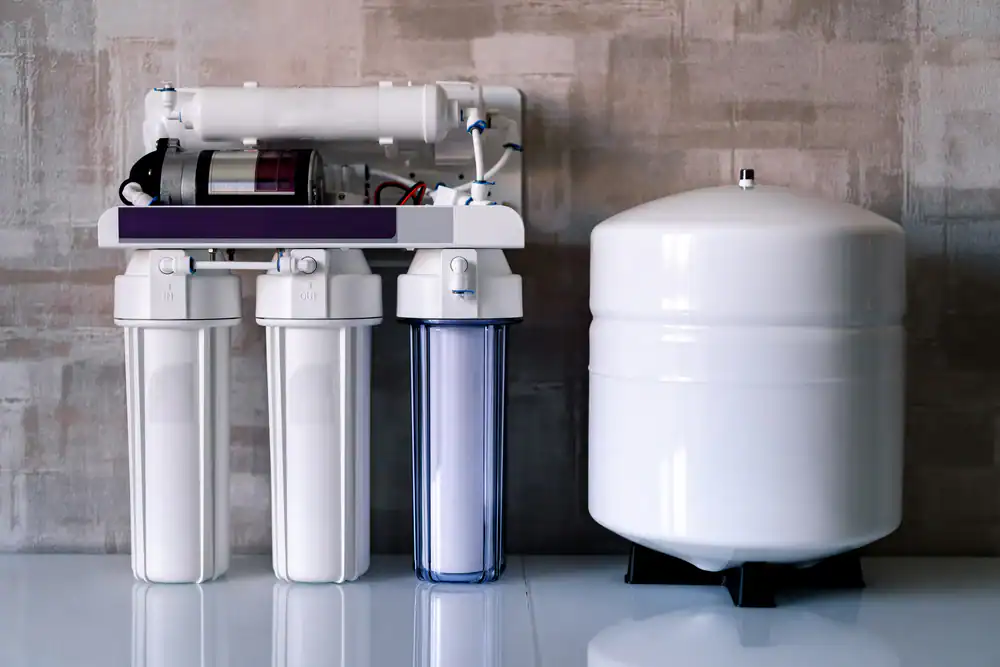
That’s what happens when you install a whole home carbon filter with multi-stage sediment filtration. It’s not just about drinking water—it’s about every gallon that enters your house. Your dishwasher, your washing machine, your water heater, your ice maker. All of it gets filtered before it reaches the tap.
Most homeowners in Arrowhead are dealing with the same issues: high chlorine from municipal treatment, hard water from Florida’s limestone aquifers, and sediment that clogs fixtures. A point-of-entry system handles all three at once, right where your water line enters the home.
We’re a member of the National Water Quality Association and hold an A-rating with the Better Business Bureau. We’ve been installing whole house water filters across Central Florida for years, and we don’t sell plumbing services or water heaters on the side.
When you call us, you’re talking to people who understand Florida’s water issues. We know what’s in Arrowhead’s groundwater because we’ve tested it. We know which filtration systems hold up in this climate and which ones don’t.
We also service what we install. That matters more than most people realize. If your system needs a filter media backwashing or a carbon tank replacement three years from now, we’ll be here. We’re not a national company that disappears after the sale.

First, we test your water. Not just for hardness—we check for chlorine levels, sediment, iron, sulfur, and anything else that’s affecting taste or causing damage. That tells us which filtration stages you actually need.
Then we design a system for your home. Most whole house water filters in Arrowhead use a combination approach: a sediment pre-filter to catch particles, a carbon filter to remove chlorine and odors, and often a water softener to handle calcium and magnesium. Some homes also need a UV sterilization stage if bacteria is a concern.
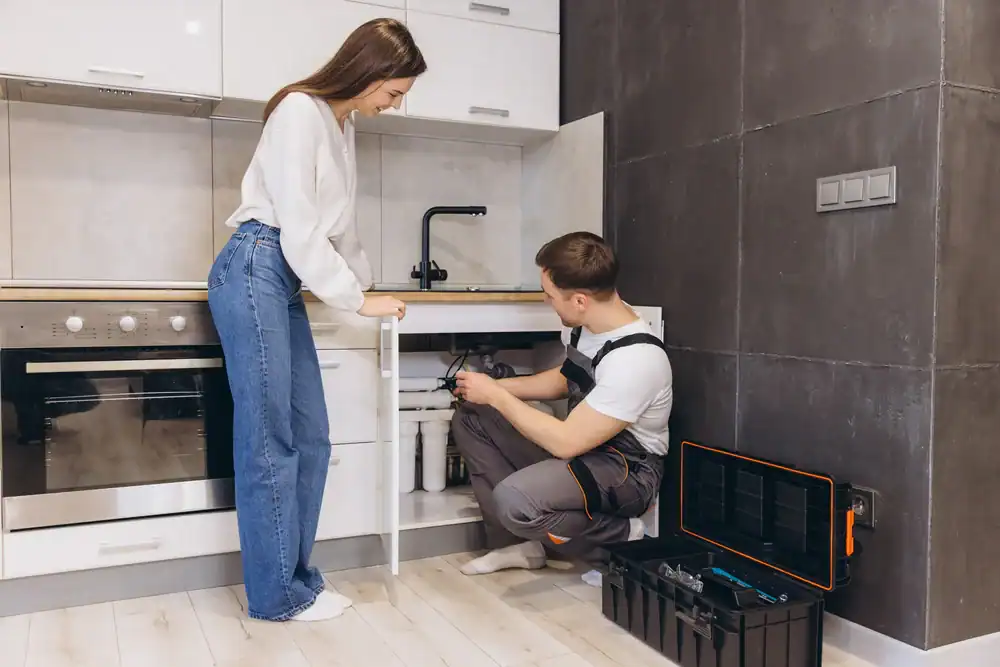
We install the system at your main water line, before it branches off to different fixtures. That’s what makes it point-of-entry—it treats everything at once. Installation usually takes a few hours, and you’ll notice the difference immediately.
After that, the system runs on its own. Carbon filters need replacing every few years depending on usage. Sediment filters get swapped more often. We’ll walk you through the maintenance schedule and handle it if you’d rather not.
Ready to get started?
A whole house water filter isn’t one piece of equipment—it’s a multi-stage system designed around your water quality. In Arrowhead, that usually means dealing with chlorine from Jacksonville’s municipal supply and hard water from the aquifer.
The first stage is sediment filtration. This catches rust, dirt, and particles before they reach your fixtures or appliances. If you’ve ever seen orange buildup on your showerhead, that’s what this stops.
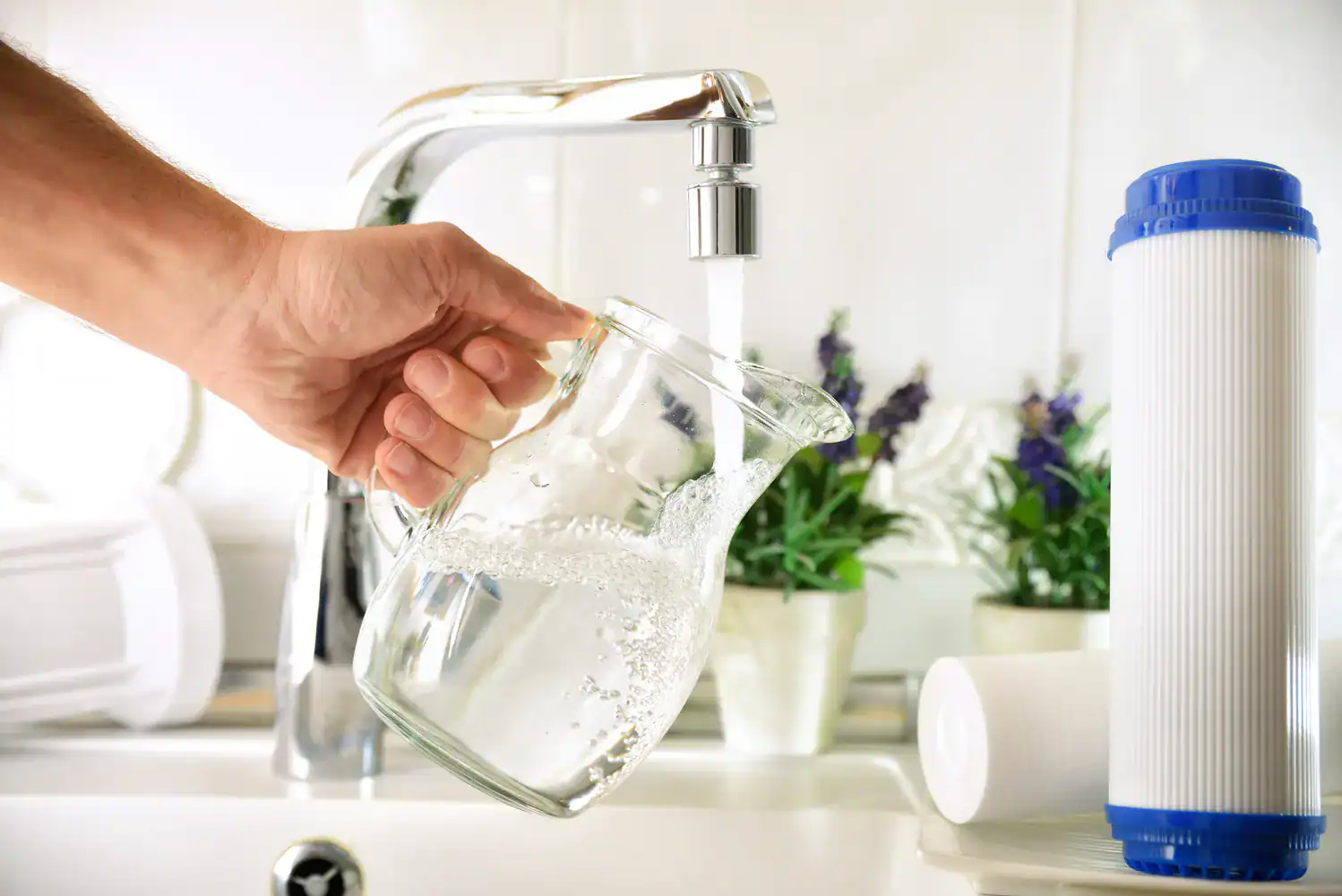
The second stage is carbon filtration. Activated carbon pulls chlorine, chloramines, and chemical odors out of the water. This is what improves taste and smell. It’s also what keeps your skin and hair from drying out in the shower.
If you have hard water—and most Arrowhead homes do—you’ll also need a water softener combination. This removes calcium and magnesium, which cause scale buildup in pipes and water heaters. Soft water also means less soap scum, cleaner dishes, and softer laundry.
Some systems include UV sterilization for bacteria, but that’s only necessary if your water test shows microbial contamination. We don’t upsell equipment you don’t need.
Most whole house filtration systems in Arrowhead run between $2,000 and $6,000 depending on the size of your home and what’s in your water. A basic sediment and carbon setup costs less than a full point-of-entry system with softening and UV sterilization.
The price also depends on how many bathrooms you have and your daily water usage. Larger homes need bigger tanks and higher flow rates, which increases the cost. But you’re not just paying for equipment—you’re paying for installation, water testing, and a system that’s actually sized correctly for your house.
We don’t give quotes over the phone because every home is different. We test your water first, then design a system around what you actually need. That’s how you avoid overpaying for features that don’t help or underspending on a system that can’t keep up.
A water softener removes hardness minerals like calcium and magnesium. A whole house filter removes chlorine, sediment, and other contaminants. Most homes in Arrowhead need both.
Hard water causes scale buildup in your pipes and appliances. It’s what leaves white spots on your dishes and makes your soap not lather. A softener fixes that by replacing calcium and magnesium with sodium through an ion exchange process.
But a softener doesn’t remove chlorine or improve taste. That’s where the carbon filter comes in. It pulls out chemicals and odors that a softener can’t touch. When you combine the two, you get water that’s soft, clean, and doesn’t taste like a pool. That’s why most whole house systems use both.
Sediment filters typically need replacing every three to six months depending on how much sediment is in your water. Carbon filters last one to three years. Water softeners need salt refills but the resin tank lasts much longer.
The exact timeline depends on your water quality and how much water your household uses. If you’re running a lot of laundry or have a large family, you’ll go through filters faster. We’ll give you a maintenance schedule based on your specific system.
Most of our clients either handle filter changes themselves or sign up for a service plan where we come out and do it. Either way, the system will alert you when it’s time. Skipping filter changes means your water quality drops and your system works harder than it should.
Yes. Whole home carbon filters are specifically designed to remove chlorine and chloramines that municipal water plants add for disinfection. Activated carbon attracts and traps these chemicals as water passes through the tank.
Jacksonville’s water supply uses chlorine to kill bacteria, which is why your tap water might taste or smell like a swimming pool. It’s safe to drink, but most people don’t like the taste. A carbon filter removes that taste and odor at the point of entry, so every tap in your house has clean-tasting water.
You’ll notice the difference immediately. Your coffee and tea taste better. Your ice cubes don’t have that chemical smell. Even your shower water feels different because chlorine dries out your skin and hair. A whole house system fixes all of it at once.
EPA standards focus on safety, not taste, odor, or hardness. Your water can be perfectly safe and still taste bad, stain your fixtures, or damage your appliances. That’s why most Arrowhead homeowners filter their water even though it’s technically up to code.
Florida’s groundwater is high in minerals because it flows through limestone. That’s what causes hard water, and it’s not a safety issue—it’s a quality issue. Chlorine is added to kill bacteria, which makes the water safe but gives it that pool taste. Sediment comes from aging pipes, not contamination.
A whole house filter handles the things that EPA standards don’t address. It improves taste, protects your plumbing, and makes your water more comfortable to use. You’re not filtering because your water is unsafe—you’re filtering because you want it to work better.
Please provide your email address so that we can stay in touch and answer any questions you have! We will be reaching back out shortly.
"*" indicates required fields