Reach Out Today
Please provide your email address so that we can stay in touch and answer any questions you have! We will be reaching back out shortly.


Hear from Our Customers
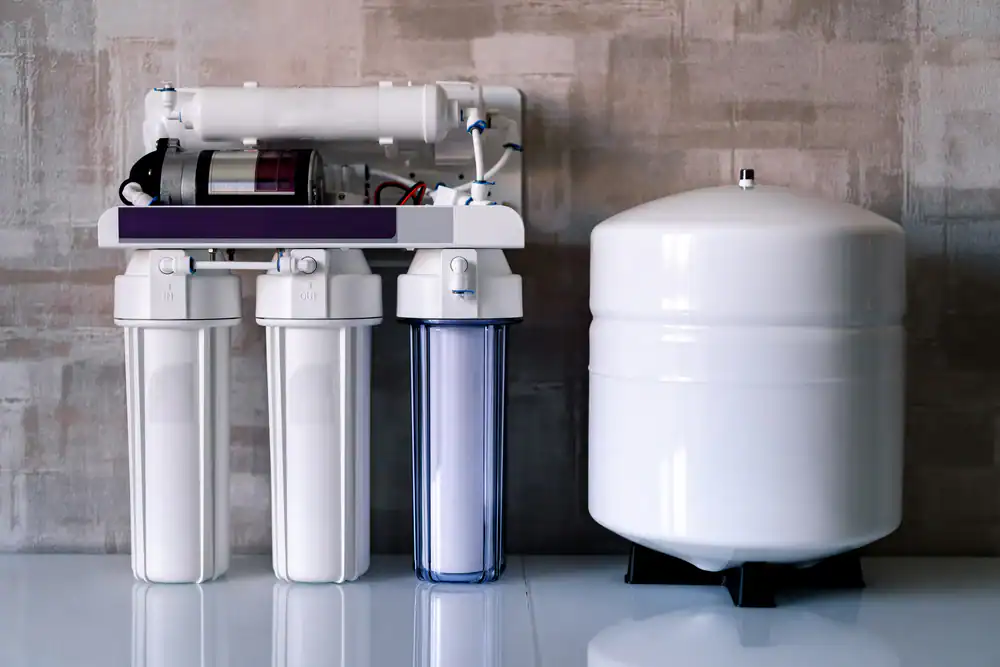
You stop seeing that white crust around your faucets. Your water heater isn’t working overtime trying to heat through layers of mineral buildup. Your soap actually lathers instead of leaving that filmy residue on your skin and dishes.
Florida’s water averages 216 PPM hardness—that’s nearly two tablespoons of dissolved limestone in every gallon flowing through your home. Add municipal chlorine levels that sometimes hit the EPA’s maximum threshold, and you’re looking at water that’s technically safe but far from ideal for daily use.
A point-of-entry system handles everything before it reaches a single fixture. That means every shower, every load of laundry, every glass of water gets the same treatment. No more buying pitcher filters or dealing with that chlorine smell when you turn on the tap. Just consistent, filtered water throughout your entire home.
We focus exclusively on whole-house water treatment—no side plumbing jobs, no water heaters, just comprehensive filtration systems designed for Florida’s unique water challenges. That focus matters when you’re dealing with limestone-heavy water that behaves differently than what you’d find in other states.
We’re A-rated by the Better Business Bureau with a 5-star rating and zero complaints. We’re also members of the National Water Quality Association, which means we follow industry standards that actually mean something. When you call, you’re talking to people who understand Armstrong’s water supply and what it takes to treat it properly.
We also support the Tunnels to Towers Foundation—an organization that provides mortgage-free homes to Gold Star families and specially-adapted smart homes for catastrophically injured veterans. If you’re military or a first responder, we offer a $500 discount. It’s a small way to recognize what you do.
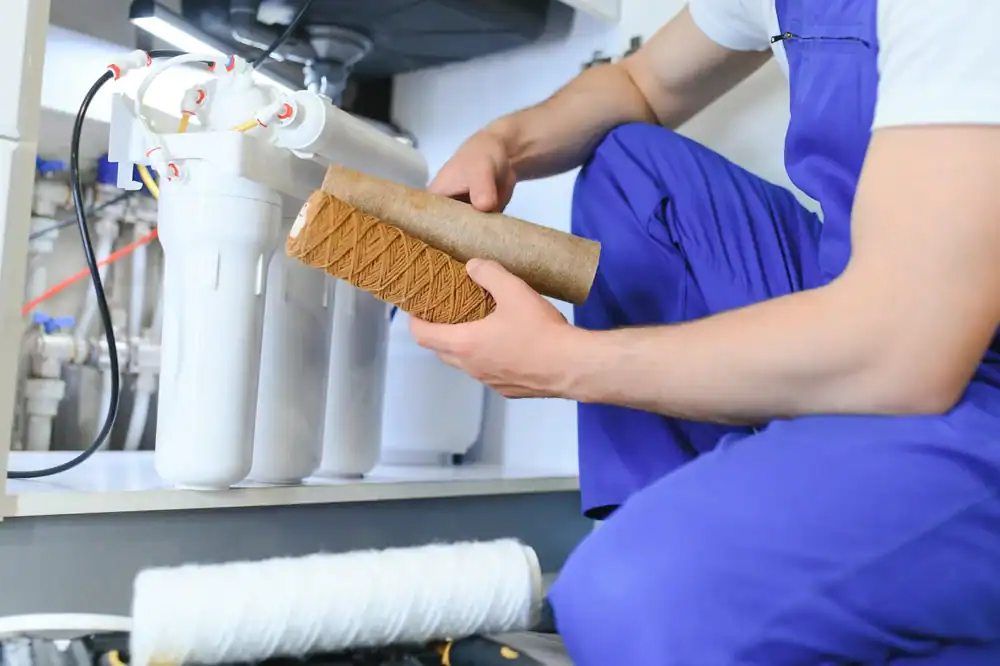
We start with a water test. Not a generic one—an actual analysis of what’s in your specific water supply. Armstrong pulls from sources with varying hardness levels and contaminant profiles, so what your neighbor needs might be different from what you need.
Once we know what we’re dealing with, we recommend a system that matches your home’s size and water usage. Most whole house systems use multi-stage sediment filtration combined with whole home carbon filters to handle both particulates and chemical contaminants like chlorine. If hardness is a major issue—and in Florida, it usually is—we’ll talk about adding a water softener combination that prevents scale buildup without over-softening.
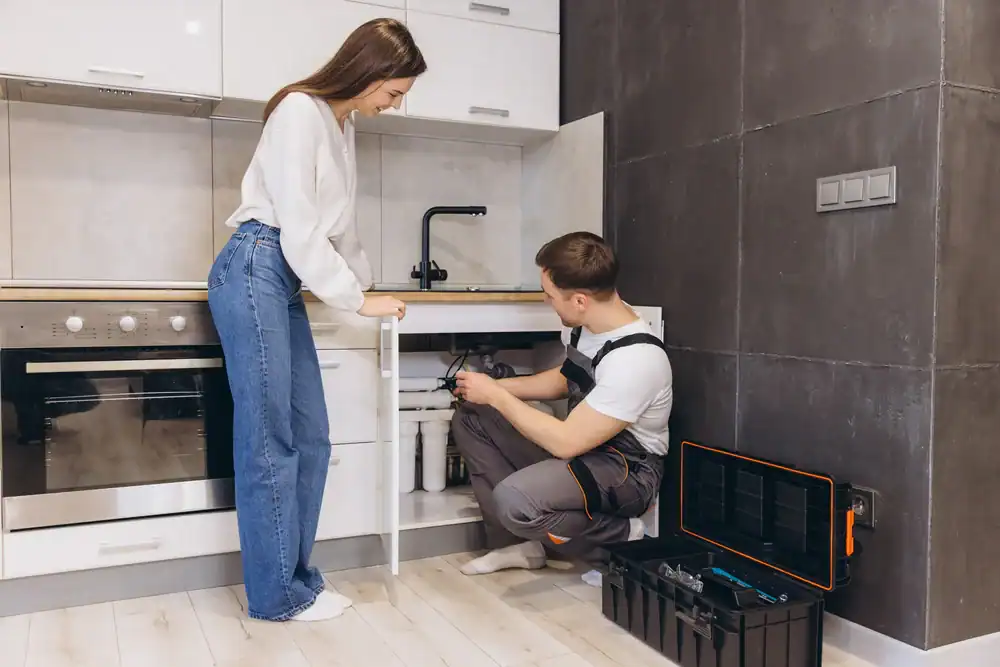
Installation typically takes a few hours. We’re installing the system at your main water line, so it treats everything coming into your home. We size it based on your number of bathrooms to maintain water pressure—you shouldn’t notice any drop when multiple fixtures are running. After installation, we walk you through the filter media backwashing process and maintenance schedule. Most systems need minimal upkeep, usually just periodic filter changes depending on your water quality and usage.
Ready to get started?
A properly designed point-of-entry system does more than just improve taste. It’s removing sediment that would otherwise wear down your washing machine, dishwasher, and water heater. It’s filtering out chlorine that dries out your skin and hair. It’s catching contaminants before they reach your family.
In Armstrong and throughout Florida, the biggest issue is hardness from limestone deposits. Every time water cycles through your pipes and appliances, those minerals are depositing microscopic layers of scale. Over time, that cuts appliance lifespan in half—your water heater that should last 12-15 years might need replacing in 6-8. That’s $1,200-1,500 you’re spending unnecessarily.
The systems we install are built for Florida water. That means handling high mineral content, elevated chlorine levels, and occasional sediment from aging municipal infrastructure. We’re not selling you a one-size-fits-all unit from a big box store. We’re installing a system that’s matched to your home’s specific needs, with components that can handle the volume and contaminant load you’re actually dealing with. Most whole house water filter installations in Florida range from $800 to $3,000+ depending on the level of filtration required and whether you’re adding softening capabilities.
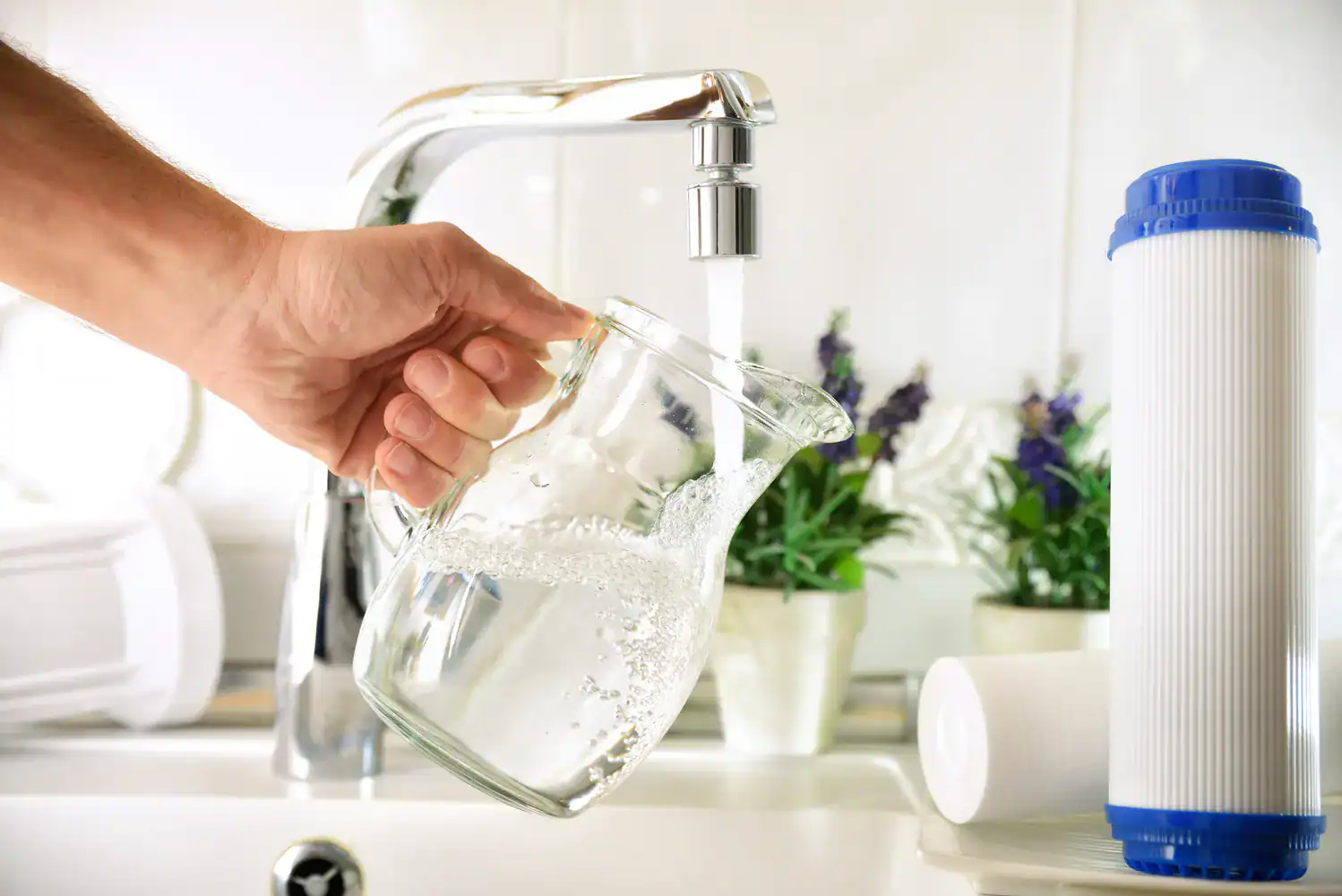
The main system components typically last 10-15 years with proper maintenance, but you’ll need to replace filter media periodically—usually every 6-12 months depending on your water quality and household usage. Florida’s high mineral content means filters work harder than they would in areas with softer water, so staying on top of replacements matters.
The good news is that even with regular filter changes, you’re still coming out ahead financially. The average Florida household spends $1,580-2,230 annually on bottled water, appliance repairs, and cleaning products to deal with hard water issues. A whole house system typically pays for itself within 2-4 years, then continues saving you money for the life of the system.
Think of it like changing the oil in your car. You’re doing minor maintenance to protect a larger investment. Skip the filter changes, and you’re forcing your system to work with clogged media that can’t effectively remove contaminants or prevent scale buildup.
Not if it’s sized correctly for your home. We calculate system capacity based on your number of bathrooms and typical water usage patterns. A properly sized point-of-entry system maintains pressure even when you’re running multiple fixtures simultaneously—someone showering while the dishwasher and washing machine are going.
Undersized systems are where you run into problems. Some companies try to save money by installing smaller units that can’t handle peak demand. That’s when you notice pressure drops. We don’t do that because it defeats the purpose of having whole-house filtration if you can’t actually use your water normally.
If you currently have low pressure, a filtration system won’t make it worse—but it also won’t fix underlying issues like corroded pipes or a failing pressure regulator. We’ll identify those problems during our initial assessment so you know what you’re dealing with before installation.
It depends on the system configuration, but most multi-stage setups handle sediment, chlorine, chloramines, and various organic compounds that affect taste and odor. If you add a water softener combination, you’re also addressing hardness minerals like calcium and magnesium that cause scale buildup.
For Armstrong residents, chlorine removal is usually a top priority. Municipal water treatment uses chlorine to kill bacteria, which is important for safety, but it leaves that chemical taste and smell. Activated carbon filters are highly effective at removing chlorine—you’ll notice the difference immediately in both taste and how your skin feels after showering.
Sediment filtration catches particles like rust, dirt, and debris from aging pipes. Even if Armstrong’s water treatment facility delivers clean water, it’s traveling through infrastructure that may be decades old. That’s where sediment comes from, and it’s why you might notice cloudy water or grit in your aerators. A good filtration system stops that before it reaches your fixtures and appliances.
Most installations run between $800 and $3,000+, with the final cost depending on your home’s specific needs, the level of filtration required, and whether you’re combining it with water softening. A basic sediment and carbon system for a smaller home sits at the lower end. A comprehensive multi-stage system with softening capabilities for a larger home with multiple bathrooms lands higher.
Here’s the important part: this isn’t an expense, it’s an investment that pays you back. The average Florida homeowner spends $15,800-22,300 over 10 years dealing with hard water damage, premature appliance replacement, and bottled water purchases. A whole house system eliminates most of those costs while delivering cleaner water throughout your home.
We offer a $500 discount for military members and first responders, which helps offset the initial investment. And because we’re local and focused on service quality—not just installation volume—we make sure you’re getting a system that actually matches your needs rather than whatever generates the highest commission.
Basic cartridge systems are DIY-friendly if you have plumbing experience, but whole house point-of-entry systems really benefit from professional installation. You’re working with your main water line, which means you need to know local code requirements, proper sizing calculations, and how to integrate the system without creating pressure issues or leaks.
Professional installation also means warranty protection. Most manufacturers require certified installation to honor their warranties. If something goes wrong with a DIY install, you’re on your own for repairs and replacement costs. That $200-500 you save on labor can turn into a much bigger expense if the system isn’t installed correctly.
We’ve seen plenty of DIY attempts that created more problems than they solved—systems installed backwards, undersized units that can’t handle household demand, or setups that violate local plumbing codes. It’s not worth the risk when you’re talking about your home’s entire water supply. Get it done right the first time, and you won’t be calling someone to fix it later.
Please provide your email address so that we can stay in touch and answer any questions you have! We will be reaching back out shortly.
"*" indicates required fields
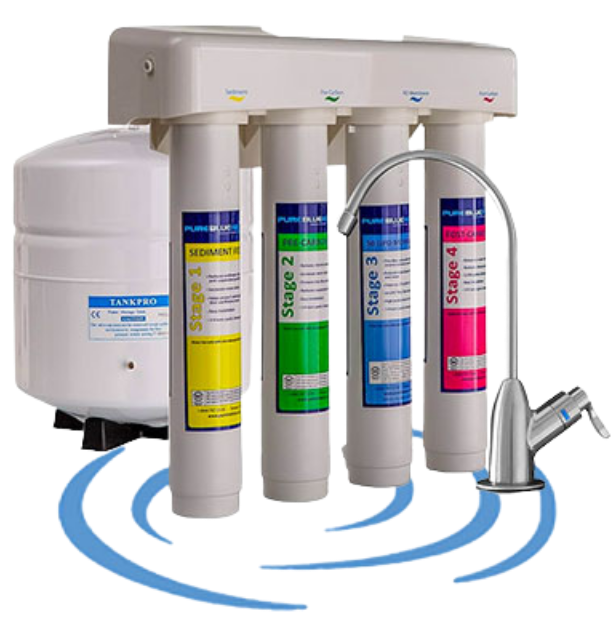
Get a free reverse osmosis drinking water system with the purchase of any whole-home water purification system.
*Cannot be combined with other offers. Mention this special when you call.