Reach Out Today
Please provide your email address so that we can stay in touch and answer any questions you have! We will be reaching back out shortly.


Hear from Our Customers
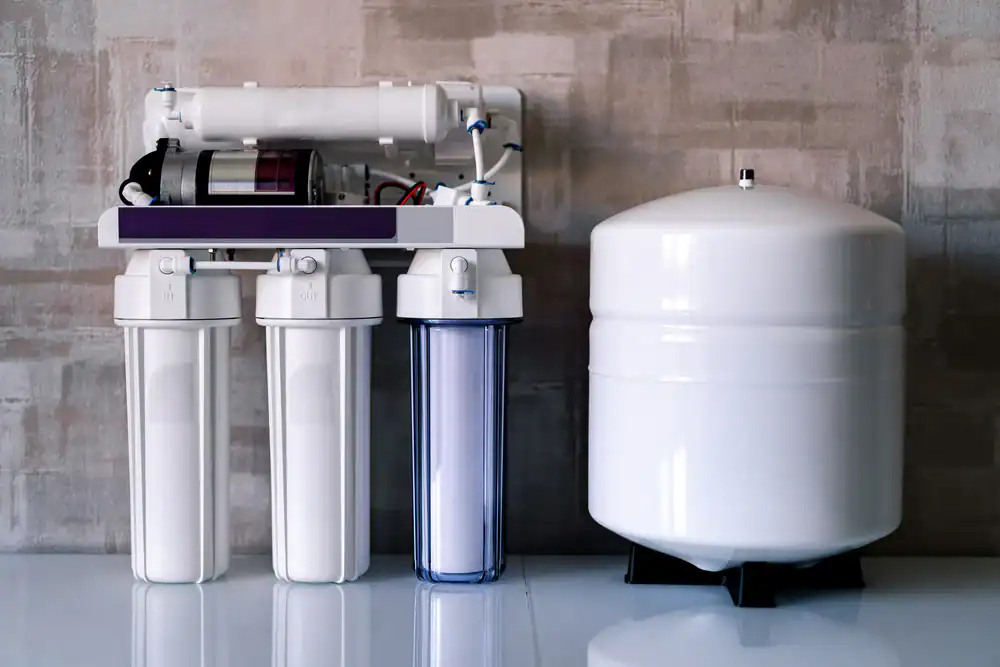
If you’ve been in your Amelia home since it was built — somewhere between 2007 and 2009 — your water heater, dishwasher, and plumbing fixtures have been absorbing hard water minerals for going on 15 to 18 years. That’s visible on your shower glass, it’s inside your pipes, and it’s quietly reducing the efficiency of appliances you’d rather not replace ahead of schedule. A whole house point-of-entry system stops that accumulation from the moment water enters your home — protecting what’s left of your appliances’ working life and keeping your plumbing clear.
Beyond the hardware, there’s the daily exposure side of this. The water utility serving Amelia draws from Florida’s Floridan Aquifer, and independent water quality data has documented the presence of trihalomethanes and haloacetic acids — disinfection byproducts formed when chlorine reacts with naturally occurring organic matter. These are in the EWG’s tap water database, sourced from Florida DEP reporting. For someone who’s been in this community for years and plans to stay, that’s worth knowing — and worth addressing with more than a pitcher filter on the counter.
When the filtration happens at the main line, it covers everything. The water you cook with, the shower you take every morning, the laundry your clothes run through — all of it comes out cleaner. You stop buying cases of bottled water. You stop noticing the chlorine smell in a hot shower. And you stop wondering what’s actually in the water you’ve been drinking for the past decade.
We’ve been in the water treatment business for more than 50 years. That kind of track record doesn’t happen by cutting corners or disappearing after installation. It happens because we show up when service is needed, recommend what the water actually requires, and don’t treat a sale like the finish line.
In a community like Amelia — where residents talk, word travels fast, and a bad experience with a contractor gets shared over coffee and at the mailbox — reputation isn’t just a marketing asset. It’s the whole business. We hold a BBB A-rating with zero complaints on file. That’s a public record anyone can verify at bbb.org. We’re also a member of the Water Quality Association, which means we operate under an industry code of ethics that many local and regional competitors in this market never agreed to.
The recommendation you get from us follows a water test — not a sales script. What your Amelia home’s water actually contains determines what system, if any, makes sense. That’s how we work.

It starts with a water test, not a presentation. Before anything is recommended, we test the water coming into your Amelia home to find out exactly what’s in it — hardness levels, chlorine concentration, disinfection byproduct presence, sediment, and anything else the utility’s groundwater supply may be contributing. The recommendation comes from those results, not from a catalog.
Once the right system is identified, installation happens at your main water line — the point of entry — so every fixture in your home receives filtered water from that moment forward. For homes in Amelia, that typically means a multi-stage system combining sediment pre-filtration, activated carbon for chlorine and byproduct reduction, and additional treatment stages matched to what the test revealed. Installation is handled by our licensed professionals, and the work is done in compliance with Florida contractor licensing requirements and any applicable Sumter County standards. You don’t need to navigate that — we handle it.
After installation, you’re not left to figure it out. We service what we sell. Filter maintenance, follow-up testing, and service calls are part of the relationship — not an afterthought. In a community where the last thing you want is a company that stops returning calls six months after they cashed your check, that continuity matters.
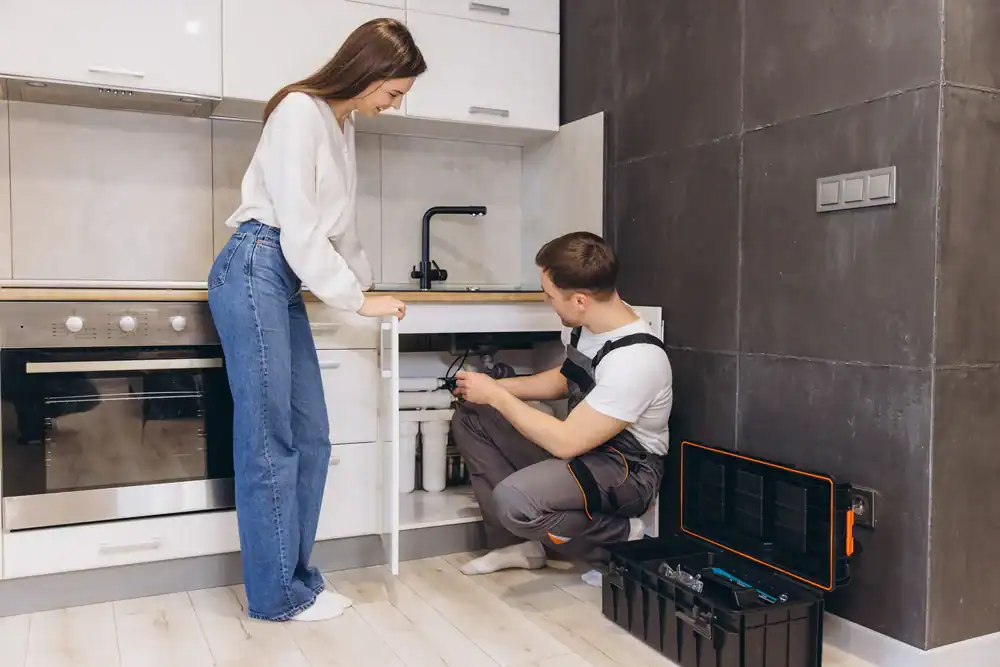
Ready to get started?
A single-stage carbon filter handles chlorine taste and odor — and stops there. For Amelia residents drawing water from the Floridan Aquifer through the local treatment plants, that’s not enough. The documented water profile here includes elevated hardness from naturally occurring calcium and magnesium, trihalomethanes, haloacetic acids, and trace compounds like bromochloroacetic acid. A system that only addresses one of those categories leaves the rest untouched.
Our whole house systems are multi-stage by design. Sediment filtration comes first to catch particulate matter before it reaches your carbon stage. Activated carbon handles chlorine, chloramines, and the disinfection byproducts that form during treatment. Additional stages — including water softening components where hardness is the primary concern — are configured based on what your specific water test shows. You’re not buying a package off a shelf. You’re getting a system matched to your home’s actual water chemistry.
For military veterans and first responders in Amelia — and this area has a substantial population of both — we offer a $500 discount on whole house purification systems. That’s a real number applied to a real invoice, not a promotional footnote. The typical investment for a whole house filtration system in Florida runs between $1,200 and $6,500 depending on system configuration and home size, and it pays back in reduced bottled water costs, extended appliance life, and avoided repair expenses over time.
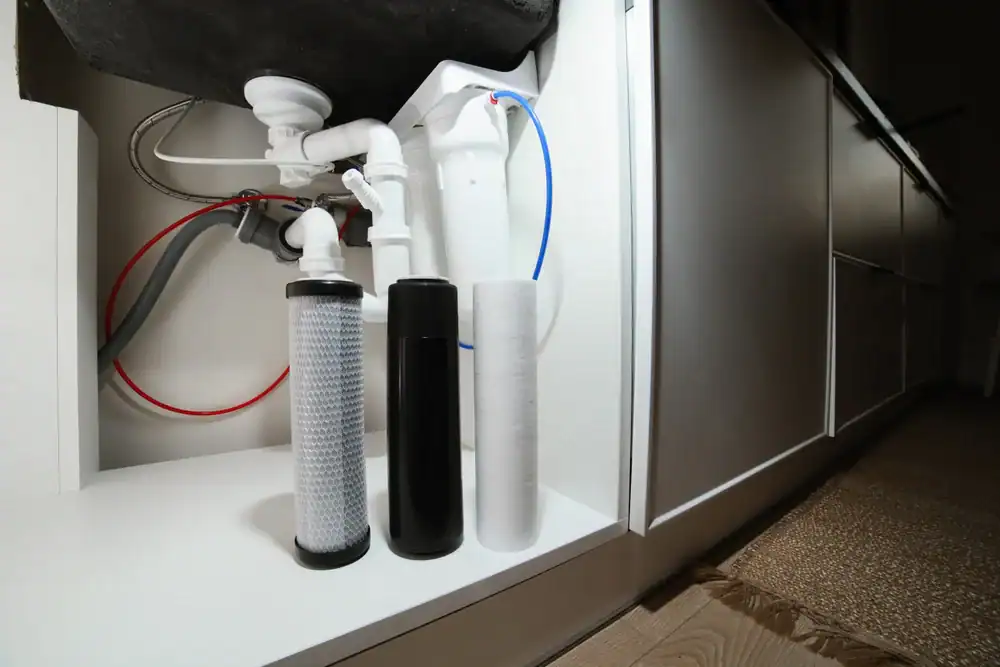
The water serving Amelia comes from the local water treatment plants, which draw from Florida’s Floridan Aquifer — a limestone-based groundwater system that naturally carries elevated levels of calcium and magnesium. That’s the hard water component most residents in Amelia notice first, usually on shower glass or faucet heads.
Beyond hardness, the treatment process introduces a second category of concern. When chlorine is used to disinfect groundwater with naturally occurring organic matter — which is standard practice at this utility — it forms disinfection byproducts including trihalomethanes (TTHMs) and haloacetic acids (HAA5 and HAA9). The EWG’s tap water database, using data reported to the Florida Department of Environmental Protection, has documented these compounds in this utility’s water. Bromochloroacetic acid and thallium have also appeared in the utility’s reporting. None of these exceed federal legal limits — but federal legal limits and health-protective levels are not the same number, and for long-term residents in Amelia who have been drinking this water for years, that distinction is worth understanding.
A standard whole house carbon filter reduces chlorine, disinfection byproducts, and some chemical contaminants — but it does not remove hardness minerals on its own. Calcium and magnesium, which are the source of the scale you see on your Amelia shower doors and faucet heads, require a softening stage to be addressed effectively.
The right answer for most homes in Amelia is a system that combines filtration and softening — either as an integrated unit or as staged components installed together at the main line. After a water test confirms your home’s specific hardness level, we configure a system that addresses both the chemical contaminants and the mineral content. That’s the only approach that actually protects your plumbing and appliances from the inside out, not just improves the taste and smell at the tap.
For most homes in Amelia — which are single-story Cottage or Designer homes built between 2007 and 2009, typically ranging from about 1,100 to 2,266 square feet — a whole house point-of-entry installation is usually completed in a few hours. The work happens at the main water line where it enters the home, so access to that location and the surrounding plumbing determines the bulk of the timeline.
Florida requires licensed contractors for any work involving connection to a home’s main water supply line, and installations within Amelia may be subject to Sumter County building standards and Community Development District requirements. We handle the licensing and compliance side of the installation — you don’t need to research what’s required or coordinate separately with the county. The system is tested and running before our technician leaves, and you’ll have filtered water from every tap in your home the same day.
That depends on what you’re currently spending and what you’re currently tolerating. A lot of Amelia residents are already buying bottled water regularly because they don’t trust the tap — or they don’t like the taste. At $50 to $100 a month, that’s $600 to $1,200 a year going out the door for water that’s regulated less rigorously than municipal tap water and packaged in single-use plastic. Over ten years, that’s a significant number.
Then there’s the appliance side. Homes in Amelia are 15 to 18 years old, and hard water has been working on those water heaters, dishwashers, and washing machines the entire time. Scale buildup reduces heating element efficiency and shortens appliance lifespan — costs that don’t show up labeled as “hard water damage” but show up nonetheless. A whole house filtration and softening system — typically ranging from $1,200 to $6,500 depending on configuration — stops that accumulation going forward and extends the useful life of what you already own. For a homeowner on a fixed income who plans to stay in this community, the math tends to work in favor of the system.
An under-sink reverse osmosis system treats the water at one faucet — typically the kitchen tap you drink from. It does that job well. But it leaves the rest of your home’s water completely unaddressed. The chlorine and chloramines you absorb through your skin during a shower, the disinfection byproducts that become airborne steam in a closed bathroom, the hard water minerals scaling your water heater and etching your glass shower doors — none of that is touched by an under-sink system.
A whole house point-of-entry filter is installed at the main water line before water reaches any fixture. Every tap, every shower, every appliance, and every load of laundry gets treated water. For a home in Amelia where the water quality concern isn’t limited to drinking — it’s the shower, the skin, the plumbing, and the appliances — a whole house system is the only approach that actually covers the full picture. Some homeowners in Amelia choose to pair a whole house system with a dedicated reverse osmosis unit at the kitchen tap for an extra layer of purification on drinking water specifically. We can walk you through whether that combination makes sense for your home.
Please provide your email address so that we can stay in touch and answer any questions you have! We will be reaching back out shortly.
"*" indicates required fields