Reach Out Today
Please provide your email address so that we can stay in touch and answer any questions you have! We will be reaching back out shortly.


Hear from Our Customers
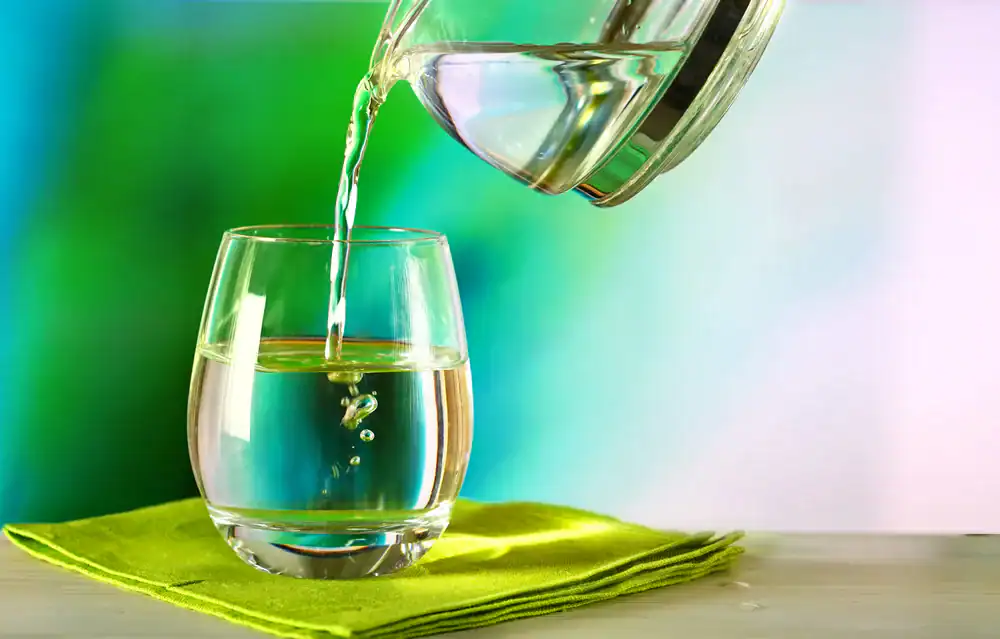
Your water heater stops building up scale. Your dishwasher runs cleaner. Your skin doesn’t feel tight after a shower.
These aren’t small improvements. Winter Park pulls water from wells over 1,300 feet deep in the Floridan aquifer, and that water picks up calcium and magnesium the entire way up. By the time it reaches your home, it’s hard enough to leave white spots on everything it touches.
A water softening system removes those minerals before they enter your plumbing. You’ll use less soap because soft water lathers better. Your appliances last longer because they’re not fighting mineral buildup. Your energy bills drop because your water heater doesn’t have to work through a layer of scale.
Most families in Winter Park save more on detergent and energy than they spend on salt each month. The system pays for itself just by making everything in your home work the way it should.
Quality Safe Water focuses exclusively on water purification, softening, and filtration. We’re not plumbers who install softeners on the side. This is what we do.
We hold an A+ rating with the Better Business Bureau and five stars with zero complaints. We’re members of the National Water Quality Association, which means our installations meet professional standards that most companies don’t even know exist.
Winter Park homeowners deal with some of the hardest water in Central Florida. We’ve been installing water softener systems here long enough to know exactly what works in this area and what doesn’t. You’re not getting a one-size-fits-all system—you’re getting equipment sized and programmed for your home’s water usage and the specific mineral content coming from your well source.

We start by testing your water. Not just hardness—we’re looking at iron, sulfur, pH, and anything else that affects how your system should be configured.
Once we know what’s in your water, we size the system based on how many people live in your home and how much water you use daily. A family of four needs different capacity than a couple, and getting this wrong means either wasting salt or running out of soft water.
Installation includes all plumbing connections, electrical setup, drain line routing, and programming the regeneration cycle. We’re not dropping off a box and leaving. Our technicians calibrate the system to your specific water conditions, test it under load, and walk you through operation and maintenance before we consider the job done.
You’ll need to add salt every few weeks depending on usage. We’ll show you how to check levels and what type of salt works best. After that, the system runs automatically. It regenerates overnight when you’re not using water, so you won’t even know it’s working.

Ready to get started?
You get a system sized specifically for your household. Not an average system—one that’s calculated based on your actual water usage and the hardness levels coming from Winter Park’s aquifer.
Installation covers everything: plumbing integration with your main water line, electrical connections, drain line setup for the regeneration cycle, and bypass valve installation so you can service the unit without shutting off water to your entire home. We program the control head based on your water test results, not factory defaults.
Training is part of the service. You’ll know how to check salt levels, adjust settings if your household size changes, and recognize when something needs attention. We also provide a maintenance schedule so you know what to expect long-term.
Winter Park’s water comes from the lower Floridan aquifer, which means high mineral content is a given. Every home here benefits from softening, but the system has to be set up correctly to handle the specific hardness levels in this area. That’s why we test first and install second—not the other way around.

Installation typically ranges from $1,500 to $5,000 depending on system capacity and your home’s plumbing configuration. Larger homes with higher water usage need bigger tanks and more resin capacity, which increases cost.
The upfront investment covers the equipment, professional installation, water testing, system programming, and training. You’ll spend about $10 to $15 monthly on salt after that. Most families save more than that in reduced soap and detergent usage alone.
We don’t use subcontractors. Our installation technicians are employees who’ve been trained on proper integration with your home’s plumbing. That matters because a poorly installed system can cause pressure issues or leak during regeneration cycles. You’re paying for equipment that works correctly from day one, not something you’ll need to troubleshoot later.
Yes, but the system needs to be sized for the mineral content in your specific water supply. Winter Park draws from the Floridan aquifer through six wells at varying depths, and hardness levels can differ depending on which well serves your neighborhood.
We test your water before recommending a system. If you have high iron content along with hardness, you might need additional filtration. If sulfur is present, that requires a different approach. A standard softener handles calcium and magnesium, but it won’t remove everything else that might be in well water.
The key is matching the system to what’s actually in your water. That’s why we don’t sell the same setup to every customer. Winter Park’s geology creates hard water, but the exact mineral profile varies enough that testing matters. You need a system configured for your home, not just any home in Central Florida.
You’ll add salt every few weeks depending on water usage. Beyond that, most systems need a resin bed cleaning once a year and a control valve inspection every few years.
The resin is what removes hardness from your water, and over time it can accumulate iron or sediment that reduces efficiency. An annual cleaning keeps the system running at full capacity. The control valve manages regeneration cycles, and while they’re built to last, they have moving parts that eventually wear.
We provide a maintenance schedule after installation so you know what to expect. Most repairs come from skipped maintenance, not equipment failure. If you keep salt in the tank and clean the resin bed annually, a quality system should run for 15 to 20 years without major issues. We also offer ongoing service support because we know water quality matters long after installation day.
Salt-based systems remove calcium and magnesium through ion exchange. Salt-free systems don’t actually soften water—they condition it by altering the mineral structure so it’s less likely to form scale.
If you want true soft water that lathers better and stops mineral buildup, you need a salt-based system. That’s what removes hardness. Salt-free conditioners can reduce scale in pipes, but they won’t give you the same results with soap, skin, or appliance protection.
Winter Park’s water is hard enough that most homes benefit from actual softening, not just conditioning. The mineral content from the limestone aquifer is high, and conditioning doesn’t address that the way ion exchange does. We install both types depending on what you’re trying to accomplish, but for full hard water treatment, salt-based systems deliver measurable results that conditioners can’t match.
Filtration and softening handle different problems. Filters remove contaminants like chlorine, sediment, and chemicals. Softeners remove hardness minerals like calcium and magnesium.
You can have filtered water that’s still hard. If you’re seeing white spots on dishes or scale buildup on faucets, filtration won’t fix that. You need softening. Many homes in Winter Park benefit from both—filtration for taste and contaminant removal, softening for mineral control.
The two systems work together but serve different purposes. If your main concern is protecting appliances and reducing soap usage, softening is what addresses that. If you’re worried about what’s in your water beyond hardness, filtration handles contaminants. We can test your water and tell you exactly what you need based on what’s actually present, not what we assume is there.
Please provide your email address so that we can stay in touch and answer any questions you have! We will be reaching back out shortly.
"*" indicates required fields