Reach Out Today
Please provide your email address so that we can stay in touch and answer any questions you have! We will be reaching back out shortly.

Hear from Our Customers
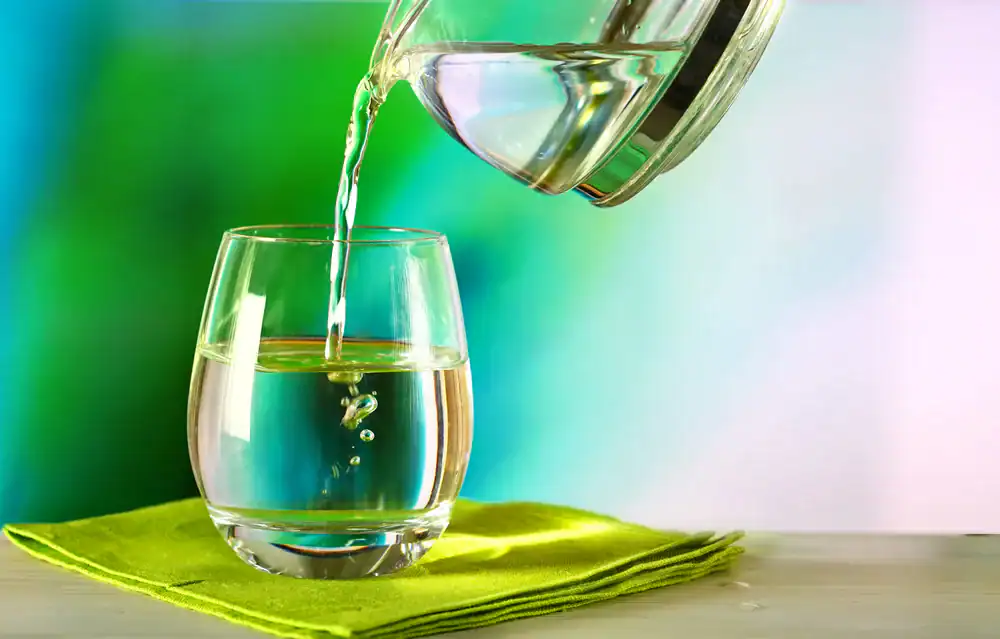
Your water heater stops working overtime. Scale quits building up inside pipes and on heating elements. That means lower energy bills and appliances that actually reach their expected lifespan instead of dying years early.
You’ll use less soap and detergent because soft water lathers properly. Dishes come out without spots. Laundry feels softer. Your skin and hair stop feeling stripped and dry after every shower.
The white crusty buildup on faucets disappears. So does the soap scum on shower doors that never seemed to go away no matter how hard you scrubbed. Cleaning takes less time and fewer harsh chemicals.
Most importantly, you stop replacing expensive appliances every few years. Dishwashers, washing machines, and water heaters last longer when they’re not fighting mineral deposits with every cycle.
Quality Safe Water of Florida has an A rating with the Better Business Bureau and five stars with zero complaints. We’re members of the National Water Quality Association, which means we follow industry standards that actually matter.
Here’s what sets us apart in Windy Hill and Central Florida: we test your water first, then design a system based on your actual hardness levels and household usage. Most budget systems fail here because they’re sized for average US water hardness around 7-10 grains per gallon. Your water in this area often tests between 12-20+ grains per gallon, sometimes higher.
We don’t sell plumbing services or water heaters. We focus entirely on water treatment, which means you’re working with specialists who know this equipment inside and out. And if you’re military or a first responder, we offer a $500 discount because that work matters.
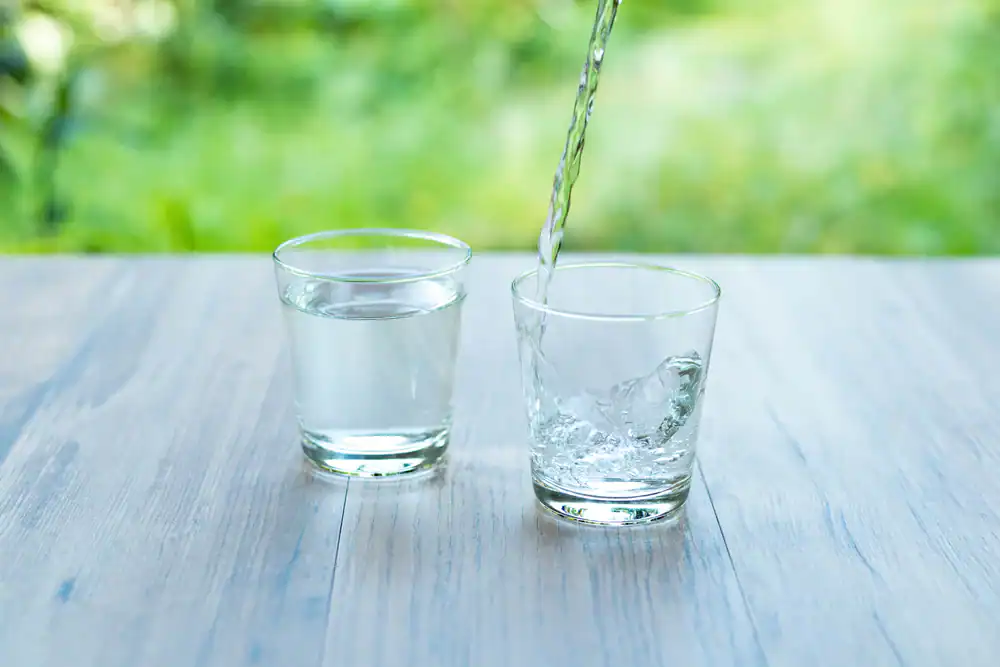
We start with a free in-home water analysis. This isn’t a sales pitch disguised as a test. We’re checking your water’s hardness level, iron content, pH, and any other contaminants that could affect which system works best for your home.
Once we know what’s in your water, we calculate your household’s daily water usage. A family of four uses water differently than a couple or a household of six. Grain capacity has to match your actual needs, not some average number from a brochure.
Then we design a system specifically for your situation. We’re not pulling a one-size-fits-all unit off a truck. Installation happens on a day that works for you, and we handle everything from start to finish so you’re not coordinating between multiple companies.
After installation, the system runs automatically. You’ll add salt to the brine tank periodically, which the system uses during its regeneration cycle to clean the resin beads that remove hardness. We’ll show you how often to check it based on your water usage. If anything ever needs service, we handle all makes and models, not just what we sell.

Ready to get started?
A water softener system removes calcium and magnesium from your water through a process called ion exchange. Hard water flows through a tank filled with resin beads that are covered in sodium ions. The calcium and magnesium ions swap places with the sodium ions, and you get soft water out the other side.
In Windy Hill and throughout Central Florida, you’re dealing with groundwater from the Floridan Aquifer. Depending on exactly where you are, hardness levels typically range from 100 to 300 parts per million. That’s considered moderately hard to very hard. Some areas in Florida hit 1,900 ppm, which is extreme.
Your system will include a mineral tank where the ion exchange happens, a brine tank that holds salt for regeneration, and a control valve that manages the whole process. We’ll set the regeneration schedule based on your water usage so the system cleans itself before it runs out of capacity.
You’ll notice the difference immediately. Soap lathers better. Skin feels less tight after washing. Appliances stop showing white buildup. And over time, you’ll see the difference in how long your water heater and other appliances last. When heating elements aren’t coated in scale, they heat water more efficiently and don’t burn out as fast.

The cost depends on your home’s water hardness, daily water usage, and which system capacity you need. A properly sized system for a typical Central Florida home usually runs between $1,500 and $3,500 including installation.
Here’s why the range is wide: if your water tests at 15 grains per gallon and you’re a household of two, you need less capacity than a family of five dealing with 20 grains per gallon. Undersized systems regenerate constantly and wear out fast. Oversized systems waste salt and water during regeneration.
We test your water for free and calculate exactly what capacity you need before quoting a price. That way you’re not paying for equipment that’s too big or getting stuck with something too small that won’t keep up. The investment typically pays for itself within a few years through lower energy bills and fewer appliance replacements.
No. The amount of sodium added during the softening process is minimal and doesn’t create a salty taste. For every grain of hardness removed, about 8 milligrams of sodium per quart is added to your water.
To put that in perspective, a slice of bread has around 150 milligrams of sodium. A glass of softened water that was 10 grains hard would have roughly 80 milligrams. Most people can’t taste any difference at all.
If you’re on a strict low-sodium diet, you have options. You can install a reverse osmosis system at your kitchen sink for drinking and cooking water, which removes the sodium. Or we can set up your system so cold water to the kitchen bypasses the softener entirely. You’d still get soft water everywhere else in the house where you need it for cleaning, bathing, and protecting appliances.
Most households in Windy Hill need to add salt every four to eight weeks, depending on water hardness and how much water you use. If you have very hard water or a larger family, you might add salt more often.
The brine tank holds the salt, and you’ll want to keep it at least half full. We recommend checking it monthly at first so you get a feel for how quickly your household goes through it. Once you know your pattern, you can buy salt in bulk and refill less frequently.
You’ll use salt pellets specifically made for water softeners, not table salt or rock salt. A 40-pound bag typically costs between $5 and $8 at most hardware stores. When you add salt, pour it directly into the brine tank until it reaches the fill line. The system will automatically use what it needs during regeneration cycles.
You’ll notice hard water symptoms coming back. Dishes start showing spots again. Soap doesn’t lather as well. You might see white buildup returning to faucets and showerheads.
Common issues include running out of salt, a clogged injector, or a problem with the control valve. Sometimes it’s as simple as the system losing power and needing to be reprogrammed. Other times the resin bed is exhausted and needs replacing, which typically happens after 10-15 years of use.
We service all makes and models, not just systems we’ve installed. If something stops working, we’ll diagnose the problem and explain what needs to happen to fix it. Many repairs are straightforward and don’t require replacing the entire system. And if you do need a new system, we’ll explain why and give you options that make sense for your home and budget.
You can, but most people shouldn’t. Water softener installation requires plumbing knowledge, the right tools, and understanding how to properly size and program the system. If something goes wrong, you could end up with leaks, improper water flow, or a system that doesn’t actually soften your water.
The bigger issue is making sure you’re installing the right system in the first place. Without testing your water and calculating your household’s usage, you’re guessing at what capacity you need. Install a system that’s too small and it’ll run constantly, waste salt, and wear out fast. Too large and you’re wasting money upfront plus water and salt every time it regenerates.
Professional installation typically takes a few hours and includes testing your water, sizing the system correctly, connecting everything to your plumbing, programming the control valve, and showing you how to maintain it. You get a system that actually works and someone to call if anything goes wrong. For most homeowners, that’s worth more than the money saved trying to DIY it.
Please provide your email address so that we can stay in touch and answer any questions you have! We will be reaching back out shortly.
"*" indicates required fields