Reach Out Today
Please provide your email address so that we can stay in touch and answer any questions you have! We will be reaching back out shortly.

Hear from Our Customers
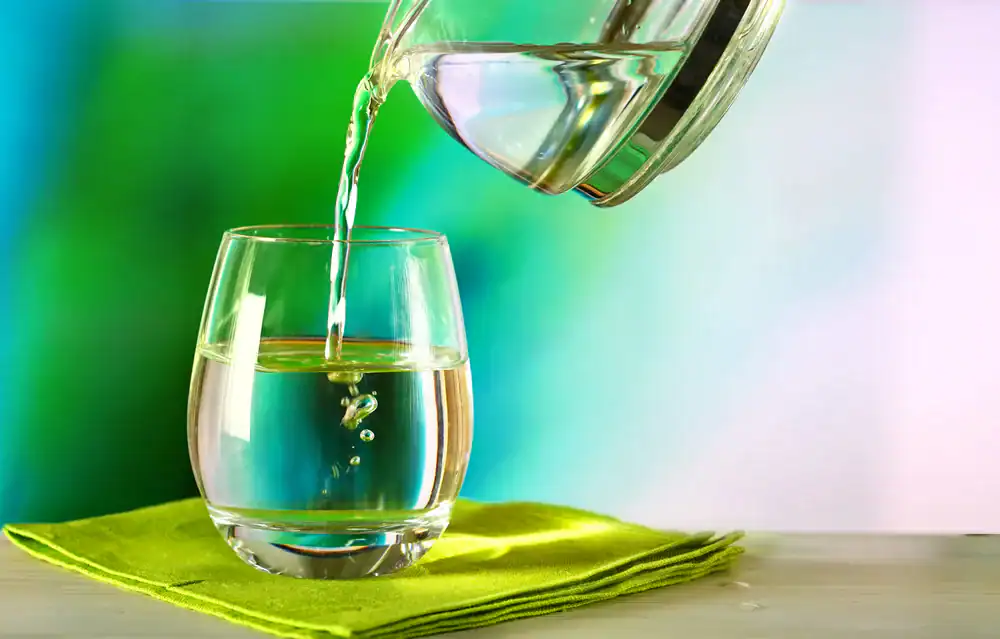
You stop scrubbing soap scum off shower doors every week. Your water heater stops working overtime to heat water through layers of mineral buildup. Your dishwasher runs cleaner, your washing machine lasts longer, and your skin stops feeling tight and itchy after every shower.
Central Florida water measures between 7 and 15 grains per gallon of hardness. That’s enough calcium and magnesium to coat the inside of your pipes, clog your appliance heating elements, and make every cleaning task harder than it should be. A water softening system removes those minerals before they enter your home.
The difference shows up fast. Soap lathers better, so you use less of it. Dishes come out spot-free. Clothes feel softer. And the appliances you’ve already invested in—your water heater, dishwasher, washing machine—start running the way they’re supposed to, without fighting through scale buildup every cycle.
We have an A+ rating with the Better Business Bureau and zero complaints. We’re members of the National Water Quality Association. We’ve been installing water softener systems and whole-house water treatment solutions across Florida since the 1970s.
Tangerine sits in Lake County, where limestone-heavy geology makes hard water unavoidable. We’ve worked in this area long enough to know what your water looks like before we test it. And we test it anyway, because one size doesn’t fit all when it comes to water treatment.
We don’t do plumbing. We don’t sell water heaters. We focus on water quality, and we’ve built our reputation on doing that one thing right. Military members and first responders get $500 off, because that matters to us.
We start with a water test at your home. Not a guess, not an average—we test your specific water to see what’s in it and how hard it actually is. That tells us what system will work best for your household size and water usage.
Once we’ve designed your system, we schedule the installation. Most water softener system installations take a few hours. We connect the unit to your main water line so it treats every drop of water entering your home. If you’re going with a salt-free system, there’s no drain line, no electricity, and no ongoing maintenance. If you choose a traditional salt-based softener, we’ll show you how to add salt and what to expect.
After installation, you’ll notice the difference immediately. Water feels different. Soap works better. Fixtures stay cleaner longer. And if anything ever needs service, we’re local and we respond fast. We service all major water treatment brands, not just the ones we sell.

Ready to get started?
Every system we install starts with a custom water analysis. We’re not selling you a one-size-fits-all box. We’re designing a water softening system based on your water test results, your household size, and how much water you actually use.
You can choose between salt-based and salt-free systems. Salt-based softeners remove hardness minerals completely through ion exchange. Salt-free systems condition the water to prevent scale buildup without removing minerals. Both protect your appliances. Both stop soap scum. The difference is in how they work and what maintenance they need.
Tangerine’s water is hard because of the limestone bedrock underneath Central Florida. That’s not changing. But how that water affects your home is completely within your control. A whole-house water treatment system means every faucet, every shower, every appliance gets treated water. Not just the kitchen sink.
We also handle water softener repair for systems we didn’t install. If your current system isn’t working right, we’ll diagnose it and fix it. We’ve been doing this long enough to work on any brand.

If you’re seeing white buildup on faucets, soap scum in your shower, or spots on your dishes, you have hard water. If your water heater is less than ten years old but already struggling, that’s another sign. Central Florida water is naturally hard because of limestone in the ground, and Tangerine is no exception.
The average hardness here runs between 7 and 15 grains per gallon. Anything over 7 is considered hard. Anything over 10 is very hard. You can feel it when you wash your hands—soap doesn’t lather easily, and your skin feels filmy afterward.
We’ll test your water for free and show you exactly what’s in it. That way you’re not guessing. You’ll know your hardness level, and you’ll know whether a water softening system makes sense for your home and your budget.
Salt-based softeners remove calcium and magnesium from your water through a process called ion exchange. The minerals stick to resin beads inside the tank, and salt is used to clean those beads during regeneration. You’ll need to add salt every month or two, depending on your water usage. These systems need electricity and a drain line.
Salt-free systems don’t remove hardness minerals. Instead, they change the structure of those minerals so they don’t stick to pipes and appliances. You still have minerals in your water, but they won’t cause scale buildup. These systems don’t use salt, don’t need electricity, and don’t waste water during regeneration.
Both stop scale. Both protect appliances. Salt-based systems give you truly soft water, which some people prefer for how it feels on skin and hair. Salt-free systems keep beneficial minerals in your water and cost less to operate long-term. We’ll walk you through both options based on what matters most to you.
It depends on the system type, the size of your home, and how hard your water is. A basic salt-free conditioner for a smaller home might run a few thousand dollars. A whole-house salt-based softener for a larger home with very hard water will cost more. We don’t give quotes over the phone because every home is different.
What we can tell you is that a water softening system pays for itself over time. You’ll use less soap, less detergent, and fewer cleaning products because they’ll actually work the way they’re supposed to. Your appliances will last longer. Your water heater won’t have to work as hard, which cuts your energy bill. And you won’t be replacing corroded pipes or broken dishwashers as often.
We offer a $500 discount for military members and first responders. And we’ll give you a clear, written estimate after we test your water and talk through your options. No surprises, no pressure.
A water softener removes hardness minerals like calcium and magnesium, but it’s not designed to remove contaminants like bacteria, chlorine, or heavy metals. If your water is safe to drink before softening, it’s safe to drink after. If you’re concerned about other contaminants, that’s a separate issue that requires a different type of filtration.
Most Tangerine homes get water from municipal sources or private wells. Municipal water is treated and tested regularly, but it can still contain chlorine, fluoride, and trace chemicals. Well water can have bacteria, nitrates, or other issues depending on the source. A water softener won’t address those.
That’s why we test your water first. If you need more than just softening—if you need a whole-house filtration system or a reverse osmosis unit for drinking water—we’ll tell you. We’re not here to sell you something you don’t need, but we’re also not going to ignore a problem we find during testing.
Salt-based systems need salt added regularly—usually every four to eight weeks, depending on your water usage and hardness level. You’ll also want to check the brine tank occasionally to make sure salt isn’t clumping or forming a bridge. Other than that, most systems run for years without major issues.
Salt-free systems need even less attention. No salt to add, no regeneration cycles to monitor. Some models have a filter cartridge that needs replacing every few years, but that’s about it. These systems are designed to be low-maintenance.
If something does go wrong—a valve sticks, a timer fails, or the system stops softening water—we handle water softener repair for all major brands. We’ve been servicing water treatment equipment in Florida for over 50 years, so we’ve seen just about every issue that can come up. Most repairs are straightforward, and we keep common parts in stock.
Please provide your email address so that we can stay in touch and answer any questions you have! We will be reaching back out shortly.
"*" indicates required fields