Reach Out Today
Please provide your email address so that we can stay in touch and answer any questions you have! We will be reaching back out shortly.

Hear from Our Customers
Your shower doors stay clear for weeks instead of days. Your skin stops feeling tight and itchy after every bath. Your water heater lasts years longer than it should.
That’s what happens when you stop forcing Jacksonville’s extremely hard water through your home. North Florida has the hardest water supply on the entire east coast—over 10 GPG in most homes, sometimes much higher. The National Water Quality Association calls anything over 10 GPG “extremely hard,” and your plumbing feels every grain of it.
A water softening system doesn’t just make your water feel better. It prevents the scale buildup that clogs your pipes, kills your appliances early, and drives your energy bills up by 15-20 percent. It cuts your soap and detergent use. It protects the equipment you’ve already paid for. And it pays for itself in 2-4 years, then keeps saving you money for decades.
The difference isn’t subtle. Your dishes come out spotless. Your laundry feels softer. Your coffee tastes cleaner. And you stop replacing faucets and showerheads every few years because mineral deposits have choked them out.
We have over 50 years of experience treating the hardest water conditions in the state. We’re A-rated with the Better Business Bureau, hold a perfect 5-star rating, and we’re members of the National Water Quality Association.
We don’t do plumbing or water heaters. We specialize in water treatment—softening, purification, filtration—and we do it right. That focus matters because water softener systems aren’t one-size-fits-all, especially in Duval County where hardness levels vary block by block.
We test your water first. Then we design a system based on your actual conditions and your family’s usage. We install it correctly, and we service what we sell—something you won’t get from every company operating in this area.
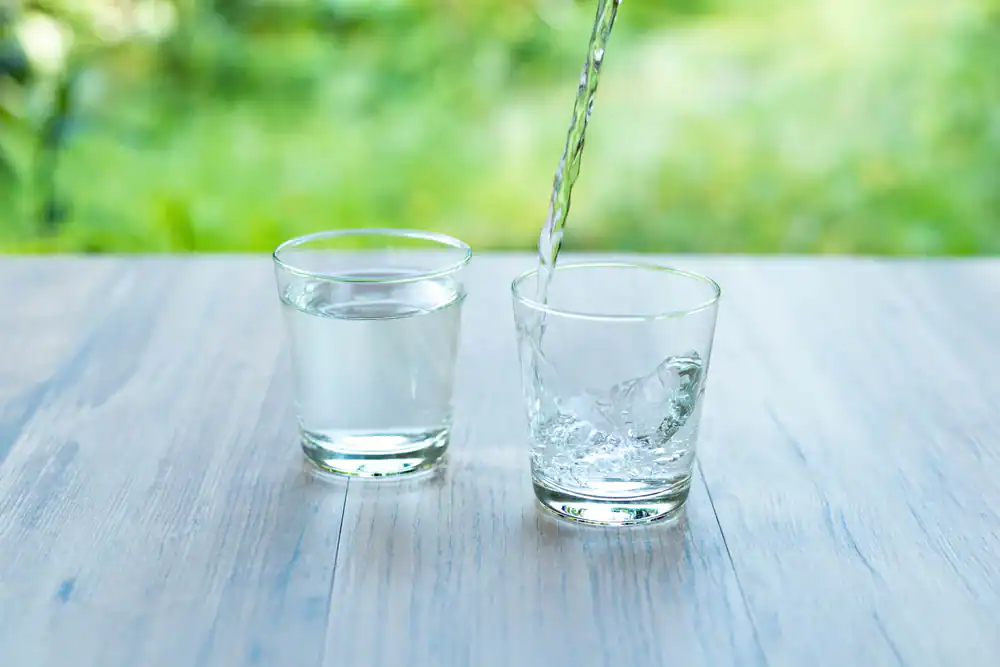
First, we test your water. Not a guess, not an average—we measure your specific hardness level, iron content, and any other contaminants affecting your supply. Jacksonville pulls water from the Floridan Aquifer about 1,000 feet down, and it picks up a lot of limestone and minerals on the way up.
Once we know what we’re dealing with, we design a system for your home. That includes sizing the softener based on your household’s water usage, choosing the right resin tank and brine tank setup, and planning the installation location. Most systems go in a garage, utility room, or outside enclosure.
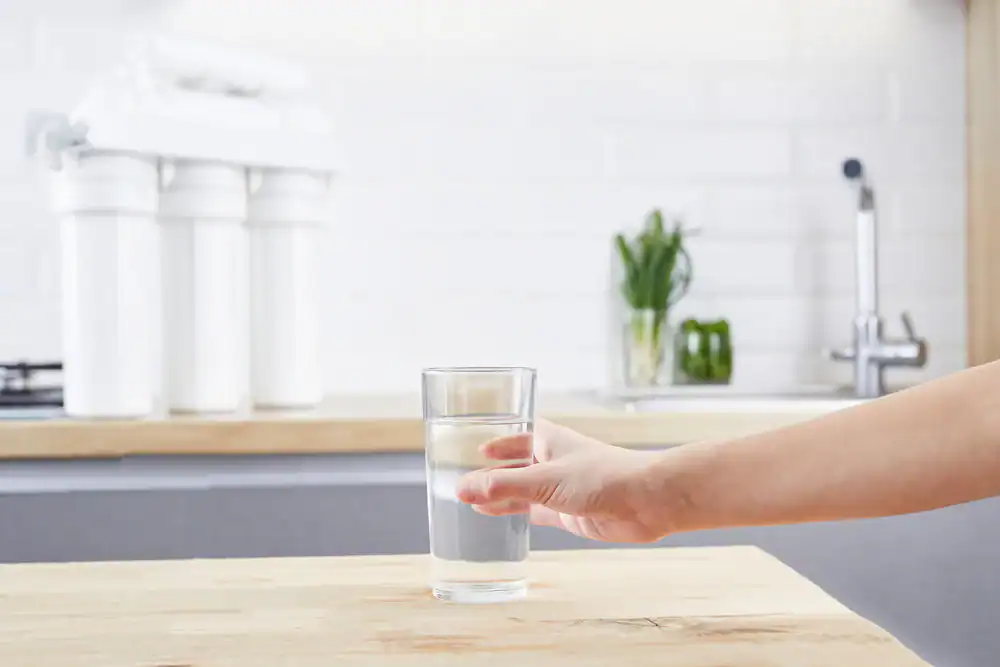
Installation typically takes a few hours. We connect the system to your main water line so all the water entering your home gets treated. We set the regeneration cycle based on your usage patterns—that’s when the system cleans itself and recharges. Then we walk you through how it works, what maintenance looks like, and how to add salt when needed.
After that, you’re done. Soft water starts flowing immediately. You’ll notice the difference in your first shower.

Ready to get started?
A whole-house water softening system treats every drop of water that enters your home. That means soft water at every faucet, every shower, every appliance. No hard water bypassing the system and continuing to cause damage.
In Tallulah/North Shore and across Jacksonville’s Northside, families are dealing with water hardness levels that rank among the worst in Florida. The JEA serves over 465,000 residents, and the water quality earns only a C+ rating. Your municipal supply contains more than just hardness—it includes radioactive radium, strontium that interferes with bone development, and trihalomethanes linked to cancer risks.
A quality water softener system removes the calcium and magnesium causing hardness. Many homeowners in this area are now combining softeners with whole-house filters to address both hardness and contaminants in one installation. That combination approach has jumped from 19 percent of installations in 2021 to 41 percent in 2024, and for good reason—it handles everything your water throws at your family.
You’ll see lower energy bills because your water heater isn’t fighting scale buildup. Your appliances last 30 percent longer. You use less soap, less detergent, less cleaning product. And your home’s resale value goes up because buyers recognize a well-maintained property when they see it.

The cost depends on your home’s size, your water hardness level, and whether you’re adding filtration alongside softening. Most whole-house water softener installations in the Jacksonville area range from $2,000 to $5,000 for quality equipment and professional installation.
That sounds like a lot until you compare it to what hard water costs you every year. Jacksonville families lose $1,130 to $1,980 annually to hard water damage—water heater replacements, extra cleaning products, higher energy bills, appliance repairs, and plumbing fixes. Over 10 years, that’s $11,300 to $19,800 in damage you’re paying for anyway.
A properly sized and installed system pays for itself in 2-4 years. After that, you’re saving money every month for as long as you own your home. And if you’re military or a first responder, we offer a $500 discount that brings the upfront cost down even further.
Yes. Hard water strips the natural oils from your skin and hair every time you shower. The mineral content prevents soap from rinsing clean, so you’re left with a film that dries out your skin and makes your hair feel brittle and dull.
Soft water solves that. Soap lathers better and rinses completely, so your skin retains its natural moisture. Your hair feels softer, shinier, and easier to manage. Parents with kids who have sensitive skin or eczema notice the difference immediately.
You’ll also see it in your laundry. Clothes washed in soft water come out softer and brighter because detergent actually works the way it’s supposed to. Towels and bedding feel less scratchy. And colors last longer because you’re not beating fabric with mineral-loaded water every wash cycle.
Most installations take 3-5 hours depending on your home’s plumbing setup and where the system is going. If we’re installing in a garage or utility room with easy access to your main water line, it’s faster. If we need to run new lines or install an outdoor enclosure, it takes a bit longer.
We’re not rushing the job. We’re making sure the system is sized correctly, connected properly, and set up to regenerate on a schedule that matches your household’s water usage. That matters because an incorrectly installed system won’t perform the way it should, and you’ll end up with problems down the road.
Once installation is complete, you’ll have soft water immediately. We’ll show you how to add salt, explain the regeneration cycle, and answer any questions before we leave. There’s no curing time or waiting period—you can use your water right away.
You’ll need to add salt to the brine tank every 4-8 weeks depending on your water usage and hardness level. That’s the main ongoing task. The salt is what allows the system to regenerate and keep removing hardness from your water.
Beyond that, most systems need a professional checkup once a year. We inspect the resin tank, check the settings, clean the brine tank if needed, and make sure everything is operating efficiently. Catching small issues early prevents bigger problems later.
If you’re using well water or have high iron content, you may need resin cleaning or replacement sooner than homes on municipal supply. But for most Tallulah/North Shore homeowners on JEA water, a quality system runs for 15-20 years with basic maintenance. We service all brands, so even if you didn’t buy your system from us, we can keep it running.
If you live in Jacksonville, you almost certainly have hard water. But here are the signs that tell you it’s time to do something about it: white crusty buildup around faucets and showerheads, soap scum coating your shower doors within days of cleaning, spots and film on your dishes after the dishwasher runs, stiff and scratchy laundry, and dry itchy skin after every shower.
You might also notice your water pressure dropping over time as mineral deposits clog your pipes. Your water heater may need replacing sooner than expected. And you’re probably going through cleaning products faster than you should because nothing seems to work as well as it’s supposed to.
The only way to know for sure is to test your water. We do that for free. We measure your hardness level, check for iron and other contaminants, and give you a straight answer about what you’re dealing with. If your water tests over 7 GPG, you’d benefit from a softener. In Tallulah/North Shore, most homes test well above 10 GPG.
Please provide your email address so that we can stay in touch and answer any questions you have! We will be reaching back out shortly.
"*" indicates required fields