Reach Out Today
Please provide your email address so that we can stay in touch and answer any questions you have! We will be reaching back out shortly.

Hear from Our Customers
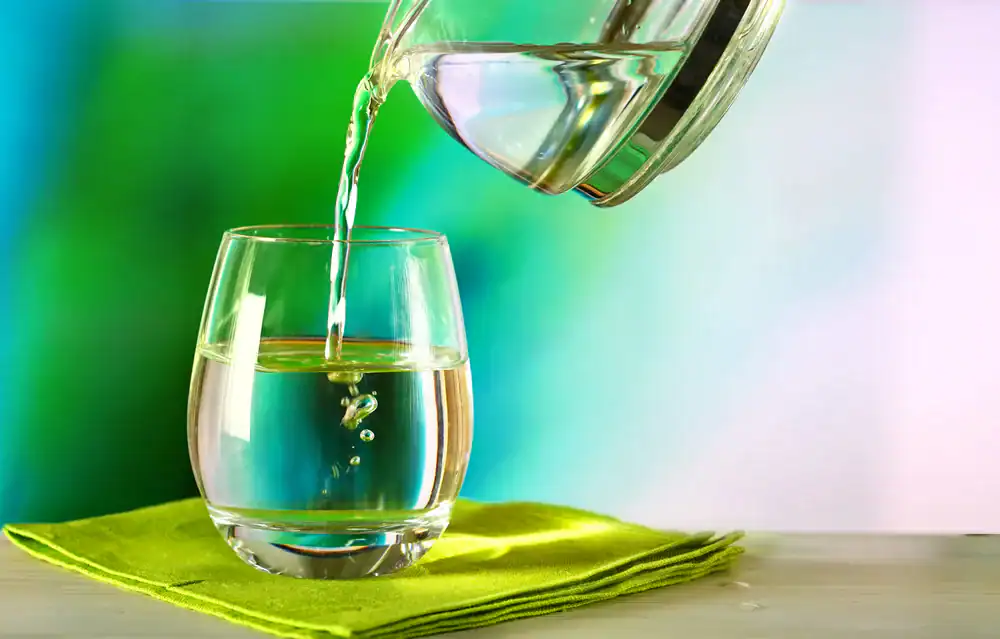
Your dishwasher stops leaving white film on every glass. That’s the first thing most people notice. Then the soap starts lathering properly. Your towels feel softer coming out of the wash.
The bigger changes take a few months to show up. Your water heater isn’t working as hard to heat the same amount of water. The showerhead that used to clog every few months stays clear. Your skin stops needing heavy moisturizer after every shower because the water isn’t stripping away natural oils anymore.
Hard water in Spanish Quarter typically measures between 121 and 180 milligrams per liter. That’s classified as hard to very hard. Every gallon of water running through your home is depositing calcium and magnesium onto everything it touches. A water softening system removes those minerals before they reach your pipes, appliances, and fixtures.
Most homeowners see their energy bills drop within the first year. Water heaters with scale buildup use 15-20% more energy to reach the same temperature. When you remove that buildup and prevent new deposits, your appliances run the way they’re supposed to.
We focus exclusively on whole-house water purification, softening, and filtration. We don’t do plumbing. We don’t install water heaters. We specialize in one thing because doing it right requires that level of focus.
We’re A-rated with the Better Business Bureau and hold a 5-star rating with zero complaints. We’re also members of the National Water Quality Association, which means we follow industry standards that most companies skip. Spanish Quarter homeowners deal with some of the hardest water in Florida because of the limestone geology underneath the entire area. We’ve installed systems here long enough to know exactly what works and what doesn’t.
We also support the Tunnels to Towers Foundation and offer a $500 discount to military members and first responders. That’s not a marketing gimmick. It’s how we give back to the people who serve this community.
We start with a water test. Not the kind you buy at a hardware store. We test for hardness levels, chlorine content, iron, sulfur, and other contaminants specific to Spanish Quarter’s groundwater. That tells us exactly what system you need and how to size it for your household.
Once we know what we’re working with, we walk you through the options. Some homes need a basic water softener. Others benefit from a whole-house filtration system combined with softening. We explain what each system does, what it costs, and what kind of results you can expect. No pressure. No upselling equipment you don’t need.
Installation usually takes half a day. We connect the system to your main water line so every faucet, shower, and appliance gets treated water. The system regenerates automatically based on your water usage, not on a timer. That means it only uses salt when it actually needs to, which cuts your operating costs by up to 35% compared to older timer-based systems.
After installation, we test the water again to confirm the hardness levels are where they should be. We show you how to add salt, how to check the settings, and what to watch for. If something ever goes wrong, we handle water softener repair and maintenance. You’re not calling a national company that may or may not show up.
Ready to get started?
A water softener system designed for Spanish Quarter’s water conditions will handle between 121 and 180 milligrams per liter of hardness without issue. The system we install uses metered regeneration, which means it tracks how much water you use and only regenerates when necessary. You’re not wasting salt or water on unnecessary cycles.
You’ll use about 50% less soap for the same cleaning results. Soft water lathers easily, so you don’t need to double up on detergent, shampoo, or dish soap. That adds up faster than most people expect. The average family saves between $500 and $1,200 annually when you factor in lower energy bills, reduced product usage, and fewer appliance repairs.
Your appliances last longer. A water heater that would normally fail around year 10 can easily run for 15 years with softened water. Same with your dishwasher and washing machine. Scale buildup is what kills these appliances early, and a water softening system eliminates that problem entirely.
Spanish Quarter sits on top of limestone bedrock, which is why the water here is so hard. As rainwater filters down through the limestone, it picks up calcium and magnesium. That’s not something you can fix with a filter pitcher or a showerhead attachment. You need a whole-house water treatment service that addresses the problem at the source.
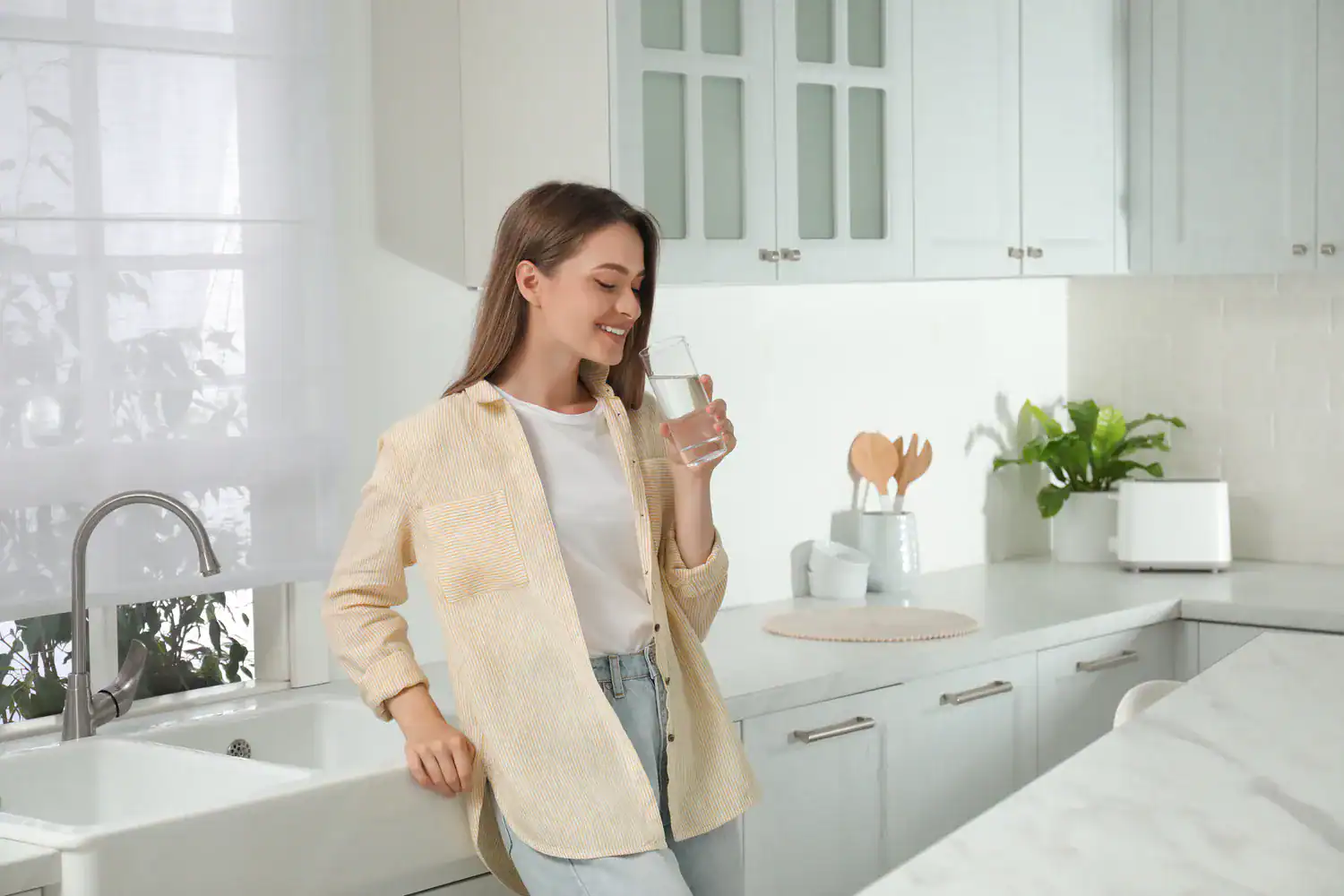
If you see white buildup on your faucets, showerheads, or inside your dishwasher, you have hard water. If your soap doesn’t lather well or your skin feels dry and tight after showering, that’s also a sign. Spanish Quarter’s water comes from groundwater that filters through limestone, so nearly every home in the area deals with hard water.
You can test your water yourself with a hardness test kit, but those only give you a rough number. We test for hardness plus chlorine, iron, sulfur, and other minerals that affect how your water tastes, smells, and performs. That tells us exactly what kind of system will work best for your home.
Most homes in this area measure between 121 and 180 milligrams per liter of hardness. Anything above 120 is considered hard. Anything above 180 is very hard. If your water falls anywhere in that range, a water softener will make a noticeable difference in your daily life and protect your appliances from premature failure.
A water softener removes hardness minerals like calcium and magnesium through a process called ion exchange. It swaps those hard minerals for sodium or potassium, which don’t cause scale buildup. A water filter removes contaminants like chlorine, sediment, and sometimes bacteria, but it doesn’t address hardness.
Some homes need both. If your water is hard and also has a strong chlorine smell or taste, a softener alone won’t fix the taste issue. That’s where a whole-house filtration system comes in. We can combine both into one setup so you’re treating hardness and filtering out contaminants at the same time.
In Spanish Quarter, most people benefit from a water softening system because hardness is the primary issue. But if you’re on well water or if your municipal water has a strong chemical taste, adding a filter makes sense. We test your water first and recommend what actually fits your situation, not what makes us the most money.
The main ongoing cost is salt. Most households use between one and two 40-pound bags of salt per month, depending on water usage and hardness levels. Salt costs around $6 to $10 per bag, so you’re looking at $12 to $20 per month on average.
The system also uses a small amount of water during regeneration, usually between 25 and 65 gallons per cycle. With metered regeneration, the system only regenerates when it actually needs to based on your water usage. Older timer-based systems regenerate on a schedule whether they need to or not, which wastes salt and water. The systems we install are metered, so you’re not paying for unnecessary cycles.
Electricity usage is minimal. The control valve runs on about the same power as a digital alarm clock. When you factor in the money you save on energy bills, cleaning products, and appliance repairs, most families come out ahead by $500 to $1,200 per year. The system pays for itself over time just from those savings alone.
No. The amount of sodium added during the softening process is very small and doesn’t create a salty taste. For every grain of hardness removed, about 8 milligrams of sodium is added per liter of water. Even with very hard water, that’s still well below the threshold where you’d taste it.
If you’re on a sodium-restricted diet, you can use potassium chloride instead of sodium chloride in your system. It works the same way but adds potassium instead of sodium. Potassium chloride costs a bit more than regular salt, but it’s an option if sodium intake is a concern.
Most people don’t notice any taste difference after installing a water softener. What they do notice is that water feels different. It feels slicker or softer on the skin because soap rinses off more easily. That’s not a bad thing. It just means the soap is actually rinsing away instead of bonding with hard minerals and sticking to your skin.
A quality water softening system should last 15 to 20 years with proper maintenance. The resin tank, which is where the ion exchange happens, can last even longer if you’re using the right amount of salt and keeping up with basic maintenance. The control valve is usually the first component that needs attention, and even that can run for 10 to 15 years before requiring service.
Maintenance is straightforward. You add salt when the brine tank gets low. You occasionally clean the resin bed with a cleaner designed for water softeners, usually once a year. If something breaks, most parts are replaceable without needing to replace the entire system.
We handle water softener repair if anything goes wrong. That’s a big difference between working with a local company and buying from a national brand that may not service what they sell. If your system stops working or isn’t regenerating properly, we come out and fix it. You’re not stuck dealing with a call center or waiting weeks for a technician who may not even be trained on your specific system.
Please provide your email address so that we can stay in touch and answer any questions you have! We will be reaching back out shortly.
"*" indicates required fields