Reach Out Today
Please provide your email address so that we can stay in touch and answer any questions you have! We will be reaching back out shortly.

Hear from Our Customers
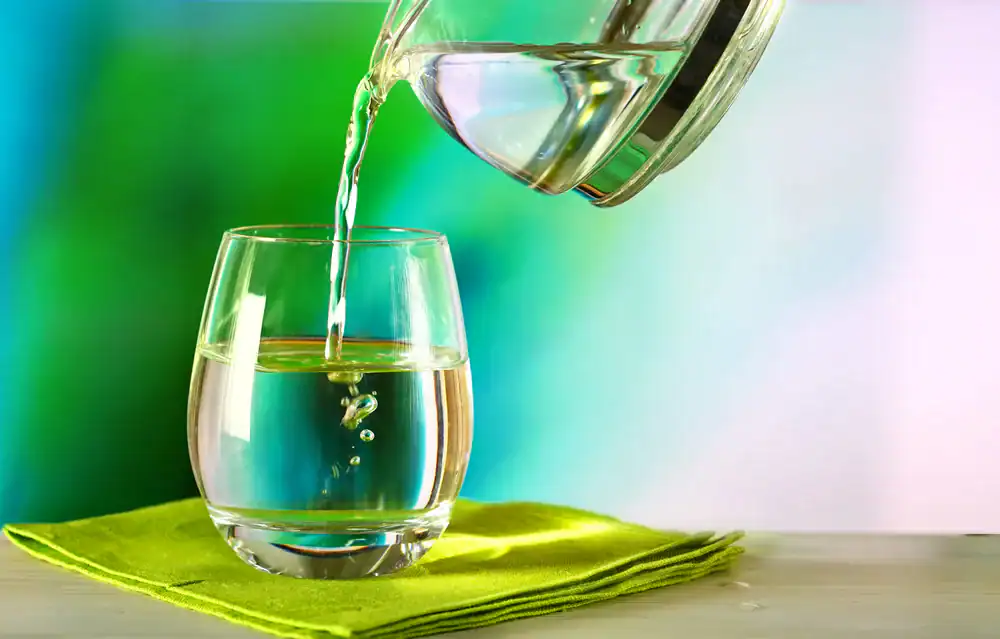
Your dishwasher stops leaving white spots on every glass. Your shower doors don’t have that chalky film you scrub every weekend. Your laundry comes out softer, and your skin doesn’t feel tight after every shower.
But the real difference happens where you can’t see it. Inside your pipes, mineral deposits stop building up. Your water heater doesn’t have to work as hard to heat the same amount of water. Your washing machine valves stay clear instead of clogging with calcium.
Most Santos homeowners don’t realize their water contains 121 to 180 milligrams per liter of hard minerals—calcium and magnesium that quietly damage everything water touches. A water softener system replaces those minerals with sodium or potassium before they reach your faucets, fixtures, or appliances. That means your plumbing system stops fighting a losing battle, and your home starts working the way it should.
We’ve been installing water softening systems across Florida since before most national companies showed up. We’re A-rated with the Better Business Bureau, hold a 5-star rating with zero complaints, and we’re members of the National Water Quality Association.
That matters because you’re trusting someone to come into your home and install a system that affects every drop of water your family uses. We don’t sell you something and disappear. We analyze your water first, design a system based on your household’s actual usage, and install it right the first time.
Santos homeowners deal with some of the hardest water in Central Florida. We’ve been treating it long enough to know exactly what works and what doesn’t.
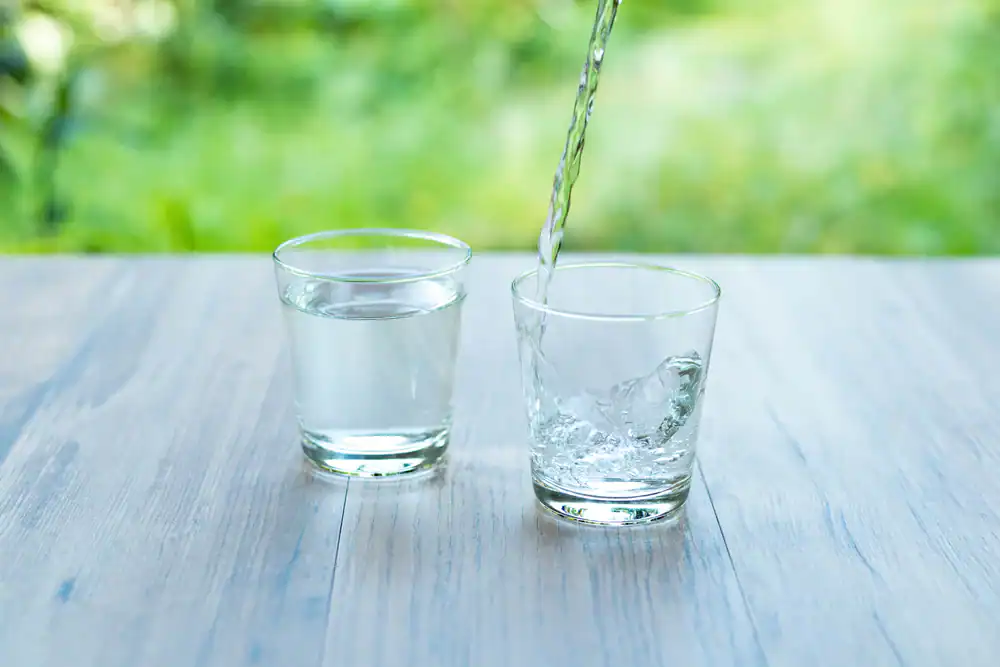
First, we test your water. Not a generic estimate—an actual analysis that tells us what minerals are in your water and at what levels. That determines what size system you need and how it should be configured for your home.
Then we design a system around your household. How many people live there, how much water you use daily, and what your plumbing setup looks like all factor into the recommendation. We’re not upselling you into something oversized, and we’re not cutting corners with something too small.
Installation happens at your main water line, so every faucet, shower, and appliance gets softened water. The system uses a process called ion exchange—hard minerals like calcium and magnesium get swapped out for sodium or potassium. The result is water that doesn’t leave deposits, doesn’t damage your pipes, and doesn’t make your appliances work harder than they should.
After installation, the system runs on its own. You add salt periodically, and the softener regenerates itself to keep working. We walk you through maintenance during installation, and we’re available if something ever needs attention.

Ready to get started?
A whole-house water softener system treats every drop of water that enters your home. That includes your kitchen, bathrooms, laundry room, and any outdoor spigots connected to your main line.
The system itself sits near your water heater or main shutoff valve, depending on your home’s layout. It’s a tank-based unit that holds resin beads—those beads are what trap the hard minerals and release sodium or potassium in exchange. A brine tank sits next to it and holds the salt that regenerates the resin when needed.
In Santos, where groundwater regularly tests between 121 and 180 milligrams per liter of hardness, you need a system sized to handle that load without running out of capacity halfway through the day. We calculate your grain capacity based on your water hardness and daily usage, so the system regenerates at the right intervals without wasting water or salt.
You’ll also notice your soap and detergent go further. Hard water makes it difficult for soap to lather, so you use more of it. Soft water doesn’t have that problem. Your cleaning products work better, your fixtures stay cleaner, and your appliances stop fighting scale buildup on heating elements and valves.

The cost depends on the size of the system and your home’s plumbing setup, but most whole-house installations for a typical Santos home range between $1,500 and $3,500. That includes the equipment, installation labor, and initial setup.
Larger households or homes with higher water usage need bigger systems with more capacity, which increases the price. If your plumbing requires modifications to accommodate the softener, that adds to the cost as well. We give you an exact quote after analyzing your water and assessing your home—not a ballpark estimate that changes later.
One thing to consider: the upfront cost gets offset over time. Your appliances last longer because they’re not fighting mineral buildup. Your energy bills drop because your water heater isn’t working against scale. And you spend less on repairs for clogged valves, corroded pipes, and failed heating elements. Most homeowners see the return within a few years, especially in areas like Santos where hard water is severe.
If you see white spots on your dishes, a chalky film on your shower doors, or soap scum that won’t come off no matter how much you scrub, you have hard water. If your laundry feels stiff, your skin feels dry after showers, or your hair never feels fully clean, those are also signs.
The bigger issue is what’s happening inside your pipes and appliances. Hard water leaves mineral deposits that narrow your pipes over time, reduce water flow, and increase pressure on your plumbing system. Your water heater, dishwasher, and washing machine all have heating elements or valves that get coated in scale, which shortens their lifespan and raises your utility bills.
Most of Santos sits on groundwater that contains 121 to 180 milligrams per liter of hard minerals. That’s not a guess—it’s data from the U.S. Geological Survey. If you’re on city water or a well in this area, you’re dealing with hard water. A simple water test confirms it, and we do that before recommending any system.
A water softener removes hardness minerals—calcium and magnesium—that cause scale buildup and damage your plumbing. A water filter removes contaminants like chlorine, sediment, or bacteria that affect taste, smell, or safety. They solve different problems.
If your water tastes bad or smells like chlorine, a filter helps. If your dishes have spots, your pipes are clogging, and your appliances are failing early, you need a softener. Some homes need both, especially in Florida where hard water and chlorine are common issues.
We test your water first and recommend what actually solves your problem. If you only need a softener, we don’t upsell you on filtration. If you need both, we explain why and show you what each system does. The goal is to fix what’s wrong with your water, not sell you equipment you don’t need.
A properly installed water softener system needs very little maintenance. You add salt to the brine tank every few weeks or months, depending on your water usage and system size. That’s the main thing you’ll do regularly.
The system regenerates itself automatically, usually at night when water usage is low. During regeneration, it flushes out the trapped minerals and recharges the resin beads with sodium or potassium from the salt. You don’t have to do anything—it’s programmed to handle that on its own.
Repairs are rare if the system is sized correctly and installed properly. Valves can wear out after years of use, and resin beads eventually need replacing after a decade or more, but those aren’t frequent issues. We walk you through what to watch for during installation, and if something ever needs attention, we handle water softener repair for systems we install. Most homeowners go years without needing any service beyond adding salt.
No. The amount of sodium added during the softening process is minimal and doesn’t affect taste. For every grain of hardness removed, a small amount of sodium replaces it—but it’s not enough to make the water taste salty or significantly impact your sodium intake.
If you’re on a sodium-restricted diet, you can use potassium chloride instead of sodium chloride in the brine tank. It works the same way and doesn’t add sodium to your water. We discuss that option during the consultation if it’s a concern.
Most people don’t notice any taste difference after installing a water softener system. What they do notice is that their water feels different—softer on skin, easier to rinse soap off, and better for cleaning. If taste is a priority, we can add a reverse osmosis filter at your kitchen sink for drinking and cooking water. That removes sodium along with other dissolved solids, giving you the cleanest-tasting water possible.
Please provide your email address so that we can stay in touch and answer any questions you have! We will be reaching back out shortly.
"*" indicates required fields