Reach Out Today
Please provide your email address so that we can stay in touch and answer any questions you have! We will be reaching back out shortly.

Hear from Our Customers
Your water heater stops working as hard. The white film on your shower doors disappears. Your skin doesn’t feel tight and dry after every shower.
These aren’t small improvements. When you install a properly sized water softener system, your appliances last years longer because they’re not fighting scale buildup with every cycle. Your energy bills drop because your water heater isn’t burning extra fuel to heat through layers of mineral deposits. And you stop buying specialty cleaners just to remove the stains that hard water leaves on everything it touches.
The average homeowner in Orange Springs deals with water hardness around 180 PPM. That’s enough to cut your water heater’s efficiency by 30% and shorten its lifespan significantly. It’s enough to make your soap barely lather and leave your laundry feeling stiff no matter what detergent you use.
A water softening system handles the calcium and magnesium before they can damage anything. You’re not just improving water quality. You’re protecting a significant investment in your home and eliminating problems that cost you time and money every single week.
We have an A+ rating with the Better Business Bureau and zero complaints. That’s not common in this industry, and it matters because water treatment isn’t a one-time transaction.
We’re members of the National Water Quality Association, which means we follow industry standards and stay current on Florida’s water chemistry challenges. Orange Springs sits on Florida’s limestone aquifer system, which is why your water has such high mineral content. We size and install systems specifically for these conditions, not generic solutions that work somewhere else.
When we install a water softener system in your home, we’re the ones who come back if something needs adjustment. We service what we sell. That’s become rare enough that it’s worth mentioning, but it’s how this should work.
We start with a water test to measure your exact hardness level and identify any other issues like iron or sulfur. That tells us what size system you actually need based on your household’s water usage and the specific mineral content in Orange Springs.
Once we know what you’re dealing with, we’ll explain which water softening system makes sense for your home and why. We’re not trying to upsell you into something oversized. The goal is a system that handles your water volume efficiently without wasting salt or water during regeneration cycles.
Installation takes a few hours in most homes. We connect the system to your main water line so it treats all the water coming into your house. We make sure everything meets Florida plumbing codes, test the system, and show you how to maintain it.
After installation, you’ll notice the difference immediately. Soap lathers better. Your skin feels different. The spots on your dishes disappear. Those are the obvious changes, but the real value is happening inside your pipes and appliances where you can’t see it.
Ready to get started?
A water softening system sized correctly for Orange Springs water conditions handles between 100-300 PPM of hardness, which covers what most homes in this area face. The system uses ion exchange to remove calcium and magnesium before they can form scale in your pipes or appliances.
You get a system that regenerates based on actual water usage, not a timer. That means it only uses salt and water when necessary, which keeps your operating costs down. Most homeowners see their cleaning time cut in half because soap scum and mineral stains stop forming on fixtures and glass.
Your appliances run more efficiently immediately. Water heaters, dishwashers, and washing machines all perform better with soft water because they’re not fighting mineral buildup. Over time, that translates to 25-30% energy savings and significantly fewer repair calls.
We include professional installation that meets Florida codes, system setup and testing, and a full explanation of maintenance requirements. Salt-based systems need salt added periodically, and we’ll show you exactly how to check levels and when to refill. We also provide ongoing service because systems occasionally need adjustments or repairs, and we’re still here to handle that.
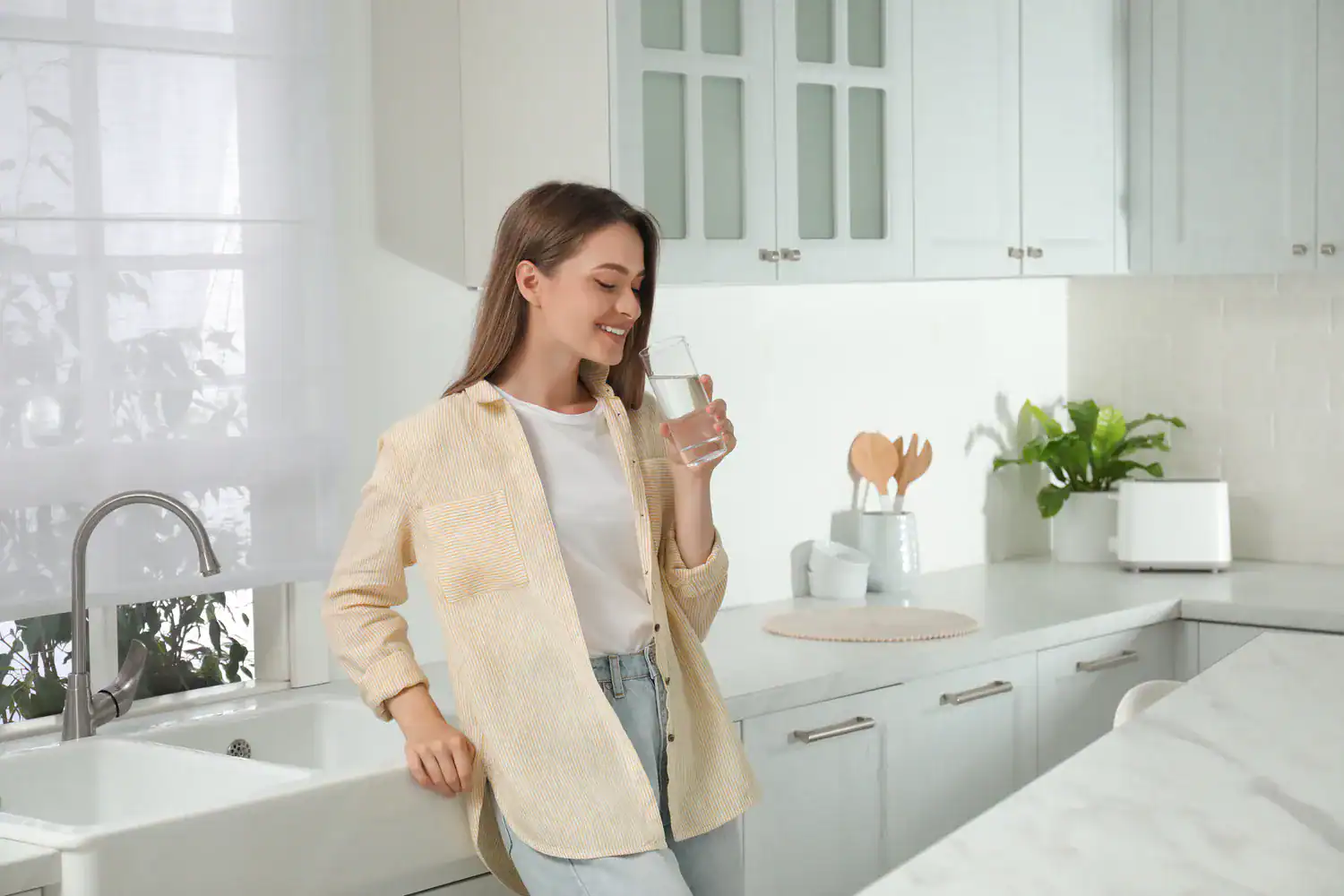
If you see white buildup on your faucets or showerheads, that’s scale from hard water. If your soap doesn’t lather well or your skin feels dry and tight after showering, that’s hard water stripping your natural oils. If you’re constantly scrubbing mineral stains off glass or dealing with stiff laundry, you’re dealing with high mineral content.
Orange Springs water comes from Florida’s limestone aquifer, which means it naturally contains high levels of calcium and magnesium. Most homes in this area have hardness levels between 100-200 PPM, which is enough to cause all these problems and damage your appliances over time.
A simple water test tells you exactly what you’re dealing with. We can test your water and show you the mineral content, then explain whether a water softening system makes sense for your situation. Some homes also have iron or sulfur issues that need different treatment, which is why testing first matters.
System size depends on two things: your water’s hardness level and how much water your household uses daily. A system that’s too small won’t keep up with demand, and one that’s too large wastes salt and water during regeneration.
The average household uses 80-100 gallons per person per day. If you have four people in your home and your water tests at 150 PPM hardness, you need a system rated to handle that volume and mineral load. We calculate this during the consultation so you get a system that matches your actual needs.
Undersized systems regenerate too often and wear out faster. Oversized systems cost more upfront and waste resources. Proper sizing means the system handles your peak usage days without running out of soft water, but doesn’t cycle unnecessarily when usage is lower. That’s why we test and measure instead of guessing based on square footage or number of bathrooms.
Standard water softeners handle small amounts of dissolved iron, usually up to 3-4 PPM. If your iron levels are higher or if you have iron bacteria, you need additional treatment before the softener.
Orange Springs water sometimes contains iron along with hardness minerals, which is why the reddish-brown stains show up on fixtures and laundry. A water test tells us whether your iron levels are low enough for a softener alone or whether you need a separate iron filter.
If you do need iron removal, we install that upstream from the softener so the iron gets filtered out first. Then the softener handles the calcium and magnesium. Trying to remove high iron levels with just a softener damages the resin bed and reduces the system’s effectiveness. Getting the treatment order right matters, which is why we test first and design the system based on what’s actually in your water.
The main ongoing cost is salt. Most systems use 40-50 pound bags of softener salt, and depending on your water usage and hardness level, you might go through one bag every 4-6 weeks. Salt costs around $6-8 per bag at most stores.
You’ll also use slightly more water because the system needs water to regenerate and flush the mineral buildup from the resin bed. That typically adds a few dollars to your monthly water bill, but it’s offset by the energy savings from more efficient appliances.
The system itself needs minimal maintenance if it’s sized and installed correctly. You should check the salt level monthly and refill before it runs out. Every few years, the resin bed might need cleaning if you have high iron or if sediment builds up, but that’s not common with properly treated water. We’re available for service calls if something needs adjustment or if you notice the water quality changing, but most systems run for years without issues.
A quality water softening system typically lasts 15-20 years with proper maintenance. Florida’s water chemistry can be harder on equipment than other regions because of the high mineral content and occasional iron or sulfur, but systems designed for these conditions hold up well.
The resin bed inside the tank does the actual softening work, and it can last 10-15 years before needing replacement. The control valve and other mechanical parts occasionally need service, but major failures are uncommon with systems that are sized correctly and maintained.
The biggest factor in system longevity is proper sizing and installation. An undersized system works too hard and wears out faster. A system installed without proper bypass valves or pressure regulation can develop problems. That’s why we focus on getting the installation right the first time, using components rated for Florida water conditions, and making sure everything meets code. When it’s done correctly, you’re looking at years of reliable service with minimal maintenance.
Please provide your email address so that we can stay in touch and answer any questions you have! We will be reaching back out shortly.
"*" indicates required fields