Reach Out Today
Please provide your email address so that we can stay in touch and answer any questions you have! We will be reaching back out shortly.

Hear from Our Customers
Your water heater stops dying at year six. That’s the clearest way to explain what a water softening system does for Oakland homeowners dealing with the Biscayne Aquifer’s mineral-heavy water.
Even after Fort Lauderdale’s treatment facility processes it, your water still carries enough calcium and magnesium to wreck appliances, clog pipes, and leave everything in your house feeling filmy. Scale builds up inside water heaters, dishwashers, and washing machines until they just quit working.
A whole-house water softener removes those minerals before they reach your plumbing. That means your appliances run longer, use less energy, and actually do their job. Your dishes come out clear. Your shower doesn’t leave a residue on your skin. Your laundry feels softer and brighter because detergent finally works the way it should.
This isn’t about luxury. It’s about protecting the equipment you’ve already bought and stopping the cycle of expensive replacements that hard water causes across Oakland, FL.
We focus exclusively on water treatment—no plumbing side jobs, no water heater installs, just water softening and whole-house purification systems. That focus matters when you’re dealing with South Florida’s specific water challenges.
We hold an A+ Better Business Bureau rating with a 5-star review average and zero complaints. We’re members of the National Water Quality Association, which means we follow industry standards that actually mean something. And we support the Tunnels to Towers Foundation because we believe in taking care of the people who take care of us—which is why we offer a $500 discount to military members and first responders in Oakland, FL.
You’re not getting a national franchise that disappears after installation. You’re working with a local team that understands what the Biscayne Aquifer does to your pipes and knows how to fix it permanently.
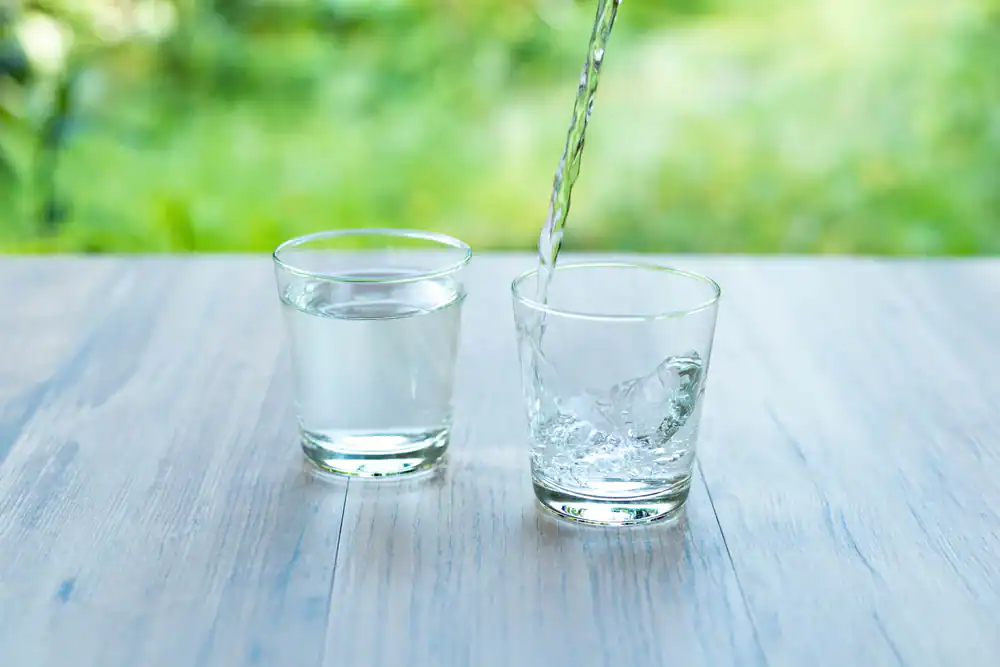
We start with a water test at your Oakland home. Not a guess based on zip code—an actual test of what’s coming through your pipes. That tells us your exact hardness level and whether you’re dealing with other contaminants like iron or sulfur that need different treatment.
Once we know what we’re working with, we recommend a water softener system sized for your household. Bigger isn’t always better—you want a system that matches your water usage and regenerates efficiently without wasting salt or water.
Installation typically takes a few hours. We connect the system to your main water line so every tap in your house gets treated water. The softener uses a process called ion exchange—swapping out the calcium and magnesium ions for sodium ions that don’t cause scale buildup.
After installation, the system runs automatically. You add salt to the brine tank every few weeks, and the softener handles everything else. We walk you through maintenance during installation, and we’re available if you ever need water softener repair or have questions about how it’s running.

Ready to get started?
A properly installed water softening system treats every gallon of water entering your Oakland home. That includes showers, washing machines, dishwashers, water heaters, ice makers, and every faucet. Nothing gets missed.
The system removes the minerals that cause scale—primarily calcium and magnesium—before they can damage your plumbing or appliances. In Oakland, where the Biscayne Aquifer produces moderately hard water even after municipal treatment, that protection matters. You’re looking at water that typically measures between 7-10 grains per gallon of hardness, which is enough to shorten appliance life by half and drive up energy bills by 25-30%.
With soft water, your water heater operates efficiently because there’s no scale insulating the heating element. Your washing machine and dishwasher use less detergent—sometimes 50% less—because soap actually lathers instead of binding with minerals. Your shower glass stays clearer. Your skin and hair feel different because you’re not coating them with mineral deposits every time you wash.
You’ll also see the difference in your monthly costs. Appliances that run efficiently use less electricity. Using half the detergent adds up. And not replacing a water heater every six years saves you $1,200-2,000 per replacement cycle.

Oakland’s water comes from the Biscayne Aquifer through Fort Lauderdale’s treatment facility, and it typically measures between 7-10 grains per gallon of hardness after treatment. That’s considered moderately hard—not the worst in Florida, but definitely hard enough to cause problems.
At that level, you’ll see scale buildup in water heaters within a few years. Your appliances will work harder and fail sooner. You’ll use more soap and detergent because hard water prevents lather. And you’ll spend more time scrubbing mineral deposits off shower doors, faucets, and dishes.
Whether you “need” a softener depends on whether those problems bother you and whether you want to protect your appliances. Most Oakland homeowners who install a water softening system wish they’d done it sooner because the difference is immediate and the cost savings add up faster than expected.
A water softener removes hardness minerals—calcium and magnesium—through a process called ion exchange. It doesn’t filter out contaminants like chlorine, lead, or bacteria. It specifically targets the minerals that cause scale buildup and appliance damage.
A water filter removes contaminants depending on what type of filter you use. Carbon filters remove chlorine and improve taste. Reverse osmosis systems remove a wide range of contaminants including heavy metals and dissolved solids. UV filters kill bacteria and viruses.
Many Oakland homeowners benefit from both—a whole-house water softener to protect appliances and plumbing, plus a drinking water filter at the kitchen sink for contaminant removal. They solve different problems. If your main issue is spotty dishes, scale buildup, and appliance failure, you need a softener. If you’re concerned about what’s actually in your drinking water, you need a filter. Often, you need both.
A quality whole-house water softening system for an average Oakland home typically runs between $2,000-4,500 installed, depending on system size, brand, and any additional features like smart monitoring or pre-filtration.
That’s not cheap, but compare it to replacing a water heater every 6 years instead of every 12-15 years. Or replacing a dishwasher at year 7 instead of year 12. Or dealing with corroded pipes that need replumbing. The system usually pays for itself within 3-5 years through extended appliance life and reduced energy costs.
We offer a $500 discount for military members and first responders in Oakland, FL, which brings the investment down. And because we focus on whole-house systems rather than quick fixes, we’re recommending equipment that actually lasts and does the job right. You’re not paying for a system that needs replacement in five years or constant service calls because it was undersized from the start.
No. This is one of the most common misconceptions about water softening systems, and it’s worth clearing up.
The softener uses salt in the regeneration process to clean the resin beads that remove hardness minerals. But the salt doesn’t end up in your drinking water in any noticeable amount. The ion exchange process swaps calcium and magnesium ions for sodium ions, which adds a tiny amount of sodium—usually less than 12.5 milligrams per 8-ounce glass for water with moderate hardness.
For comparison, that same glass of milk contains about 120 milligrams of sodium. A slice of bread has around 150 milligrams. The amount added by a water softener is negligible and doesn’t create a salty taste.
If you’re on a strict low-sodium diet, you can install a reverse osmosis system at your kitchen sink for drinking and cooking water, or you can use potassium chloride instead of sodium chloride in your softener. But for most Oakland homeowners, the sodium content isn’t a concern or even noticeable.
A properly installed water softening system needs very little maintenance. You’ll add salt to the brine tank every 4-8 weeks depending on your water usage and system size. That’s the main ongoing task—just check the tank periodically and refill it when it’s running low.
Beyond that, the system should run for years without needing water softener repair. The resin tank that does the actual softening can last 10-15 years or longer. The control valve might need service or replacement after 10-12 years, but that depends on water quality and usage patterns.
Most service calls happen because the system wasn’t sized correctly for the household, wasn’t installed properly, or the homeowner is using the wrong type of salt. When we install a system in Oakland, we size it based on your actual water test results and household size. We use quality components that hold up to South Florida’s water conditions. And we explain exactly what type of salt to use and how to check if the system is regenerating correctly. That prevents most of the issues that lead to repair calls down the road.
Please provide your email address so that we can stay in touch and answer any questions you have! We will be reaching back out shortly.
"*" indicates required fields