Reach Out Today
Please provide your email address so that we can stay in touch and answer any questions you have! We will be reaching back out shortly.

Hear from Our Customers
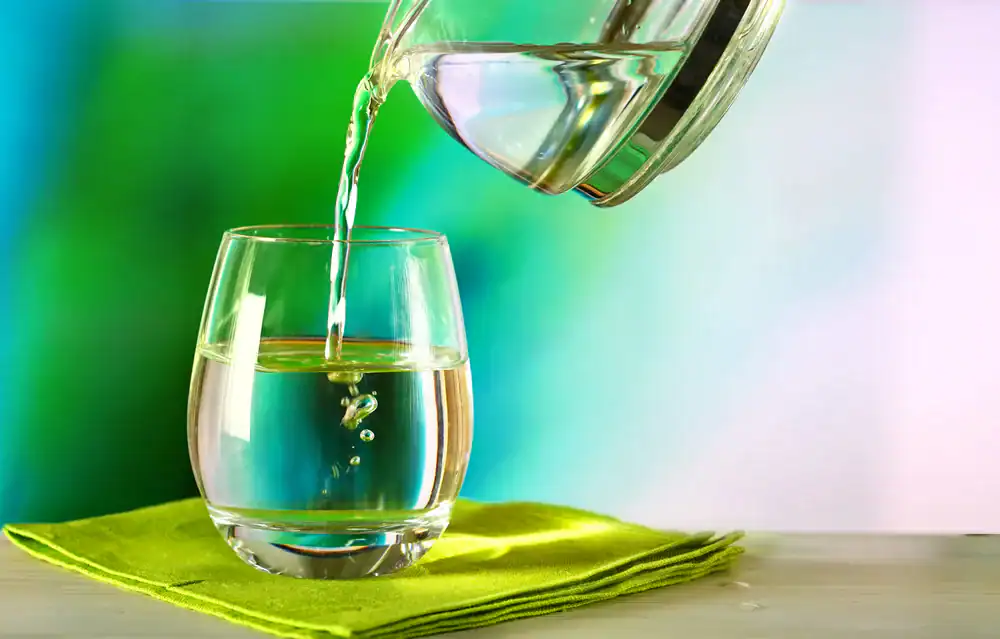
Your water heater stops working as hard. The white film on your shower doors disappears. Your soap actually lathers. Your clothes come out of the wash feeling like clothes, not cardboard.
These aren’t small improvements. When you remove the calcium and magnesium that Florida groundwater carries, your appliances last years longer. Your energy bills drop because your water heater isn’t fighting through mineral buildup just to do its job. You use half the detergent and get better results.
Hard water costs you money every month, whether you see it or not. It’s in the extra energy your appliances burn. It’s in the soap you’re using twice as much of. It’s in the water heater you’ll replace five years earlier than you should have to.
A water softening system removes those minerals before they enter your home. That’s it. No scale in your pipes. No residue on your dishes. No premature appliance failure. Just water that works the way it should.
We have an A-rating with the Better Business Bureau and five stars with zero complaints. We’re members of the National Water Quality Association. We’ve been installing and servicing water treatment systems across Florida for over half a century.
We don’t sell you a system and disappear. We service what we install, and we service other brands too. If something needs attention, we handle it. That’s why homeowners in Stuart and across the Treasure Coast keep calling us back.
Martin County’s water comes from the Floridan Aquifer, and it’s loaded with calcium carbonate—typically between 121 and 180 milligrams per liter. That’s considered hard to very hard. We test your water, design a system based on what’s actually in it, and install equipment that’s built to handle it long-term.
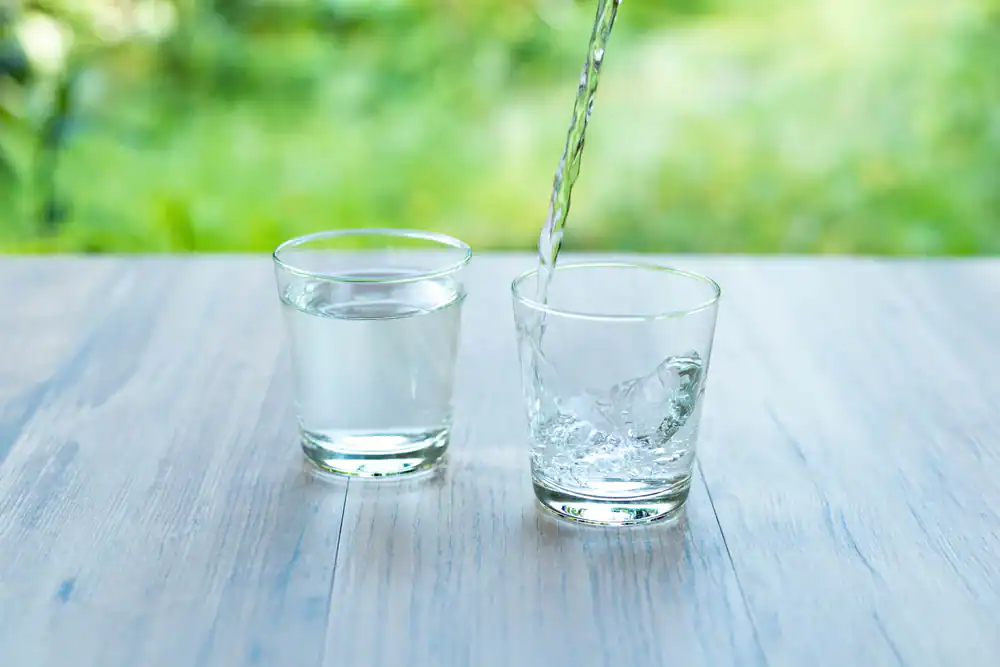
We start with a water test. Not a guess, not a generic recommendation—an actual analysis of your water. That tells us what minerals we’re dealing with and how much.
Then we size the system based on your household’s water usage and your specific water chemistry. A family of two doesn’t need the same setup as a family of five. Neither does a home on well water versus municipal supply.
Installation typically takes a few hours. We connect the water softener to your main line so all the water entering your home gets treated. We set the regeneration cycle based on your usage patterns, walk you through how the system works, and make sure everything’s running correctly before we leave.
After that, the system runs on its own. It regenerates as needed, usually at night when you’re not using water. You’ll add salt to the brine tank every few weeks—we’ll show you how. If you ever need service or have questions, we’re a phone call away.
Most systems we install last 10 to 15 years with basic maintenance. We’re not selling you something that’ll need replacing in three years. This is a long-term fix.

Ready to get started?
Every installation includes a water analysis, custom system design, professional installation, and a walkthrough of how your new equipment works. We don’t use one-size-fits-all systems. Your water chemistry dictates what you need.
In Martin County, most homes benefit from a salt-based ion exchange system. It’s the most effective method for removing calcium and magnesium from water. Some customers also add a whole-house filtration system to address chlorine, sediment, or other concerns beyond hardness.
We install systems that are built to last and easy to maintain. You’re not going to need a service call every six months. When you do need something—a settings adjustment, a valve replacement, routine maintenance—we handle it. We service all major water treatment brands, not just the ones we sell.
We also offer a $500 discount for military members and first responders. If that’s you, mention it when you call. We’ve worked with hundreds of homeowners across Stuart, Palm City, Jensen Beach, and the surrounding areas. The water conditions here aren’t a mystery to us—we know what works.

Most homeowners in Martin County spend between $1,500 and $2,500 for a complete water softener installation. That includes the equipment, labor, and setup. The exact cost depends on the size of the system you need, which is based on your household size and water usage.
A larger home with higher water demand needs a bigger system with more capacity. If you’re also adding whole-house filtration or dealing with well water that has additional issues beyond hardness, that affects pricing too. We give you a quote after testing your water and understanding your specific situation.
The upfront cost is real, but so are the savings. Your water heater will last five to ten years longer. Your appliances won’t fail prematurely from scale buildup. You’ll use half the soap and detergent you’re using now. Those aren’t marketing claims—they’re measurable outcomes that show up in your utility bills and appliance lifespan.
White or chalky buildup on your faucets and showerheads is the most obvious sign. If your dishes come out of the dishwasher with spots or a cloudy film, that’s hard water. Soap that doesn’t lather well, clothes that feel stiff after washing, or skin that feels dry even after moisturizing—all symptoms of high mineral content.
Check your water heater. If it’s not heating as efficiently as it used to, or if you’re hearing popping or rumbling noises, that’s likely scale buildup inside the tank. That buildup forces the heater to work harder, which increases your energy bill and shortens the unit’s life.
In Martin County, hard water isn’t an if—it’s a given. The Floridan Aquifer supplies most of the water here, and it’s naturally high in calcium and magnesium. If you’re on municipal water or a private well, you’re dealing with hardness levels between 100 and 300 parts per million. A water test will tell you exactly where you stand, but if you’re seeing any of these signs, you already know the answer.
A salt-based water softener uses a process called ion exchange. Inside the tank, there’s a resin bed made up of tiny beads that carry a negative charge. When hard water flows through, the calcium and magnesium ions—which are positively charged—stick to the resin. In exchange, the resin releases sodium ions into the water.
That’s the “softening” part. The calcium and magnesium get trapped, and you’re left with water that won’t leave scale deposits or interfere with soap. Over time, the resin gets saturated with minerals and needs to regenerate. That’s when the system flushes itself with a salt brine solution, which recharges the resin and washes the trapped minerals down the drain.
This happens automatically, usually in the middle of the night based on your water usage patterns. You don’t have to do anything except keep salt in the brine tank. The system monitors itself and regenerates as needed. It’s a proven process that’s been used for decades because it works reliably and doesn’t require constant attention.
Yes, because your water heater won’t have to fight through mineral buildup to heat water. When calcium deposits accumulate inside the tank and on the heating elements, it acts like insulation—but the bad kind. Your heater has to work harder and longer to bring water up to temperature, which means it’s using more energy.
Studies on commercial kitchens have shown energy savings of up to 12% on heating elements after installing water softening systems. For residential water heaters, the impact is similar. You’re not just saving a few dollars a month—you’re extending the life of a major appliance that costs $1,000 or more to replace.
The same principle applies to your dishwasher and washing machine. When they’re not clogged with scale, they run more efficiently. You’ll also use less detergent, which is another cost that adds up over time. A water softener isn’t just about better water—it’s about reducing the hidden costs that hard water creates across your entire home.
Yes. Municipal water in Stuart comes from the same Floridan Aquifer that supplies the rest of Martin County, and it’s hard. The city treats the water to make it safe to drink, but they don’t soften it. That’s not part of the municipal treatment process.
You’re still getting water with 100 to 300 parts per million of dissolved minerals. That’s enough to cause scale buildup in your pipes, appliances, and fixtures. It’s enough to make your soap less effective and your skin feel dry. City water is tested and regulated for safety, but hardness isn’t a safety issue—it’s a maintenance and cost issue.
If you’re seeing white buildup on your faucets or your water heater isn’t lasting as long as it should, the water hardness is why. A water softener installed at your home treats all the water coming in, whether it’s from the city or a private well. The source doesn’t change the solution.
Please provide your email address so that we can stay in touch and answer any questions you have! We will be reaching back out shortly.
"*" indicates required fields