Reach Out Today
Please provide your email address so that we can stay in touch and answer any questions you have! We will be reaching back out shortly.


Hear from Our Customers

Your water heater stops working as hard. The white film on your shower doors disappears. Your soap actually lathers instead of leaving that sticky residue on your skin.
These aren’t small improvements. A water softening system extends the life of every appliance that touches water—your dishwasher, washing machine, and water heater included. That’s 5 to 10 extra years before you’re shopping for replacements. In Lake Butler, where groundwater pulls calcium and magnesium straight from the limestone aquifer, hard water isn’t just an inconvenience. It’s actively shortening the lifespan of everything in your home that uses water.
Soft water also cuts your energy bills. When limescale builds up inside your water heater, it has to work harder to heat the same amount of water. Remove the scale, and your system runs efficiently again. You’ll use about 50% less soap and detergent too, because soft water doesn’t fight against minerals to create suds.
We’ve been handling water treatment in Florida for over 50 years. We’re A-rated with the Better Business Bureau, carry a 5-star rating, and we’re members of the National Water Quality Association. That’s not marketing language—it’s verification that we do this work correctly.
Here’s what matters more: we service what we sell. If something needs adjustment or repair, we’re the ones who show up. You’re not calling a national hotline or waiting weeks for a contractor who’s never seen your system before.
Lake Butler homeowners deal with some of the hardest water in Florida. The Floridan Aquifer System runs right under us, and limestone dissolves into groundwater as it moves through the rock. That means calcium and magnesium levels here aren’t a minor issue—they’re a constant problem. We design every water softener system around your specific water quality and household usage, because a one-size-fits-all approach doesn’t work when the water coming into your home is this hard.
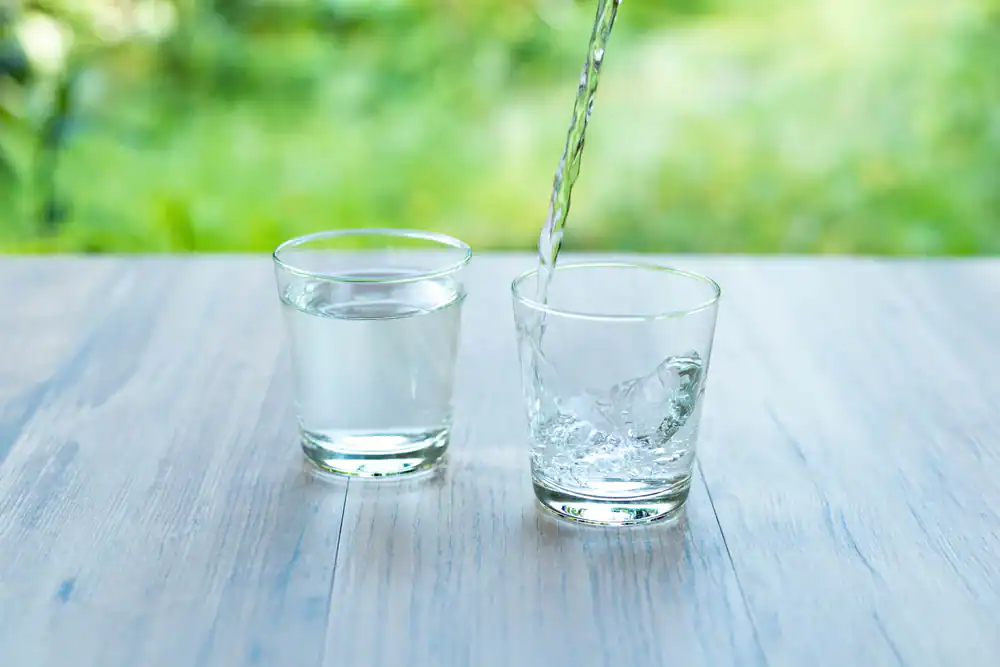
We start with a water analysis. Not a guess, not an average—we test your water to see exactly what we’re dealing with. Hardness levels, mineral content, and any other contamination that might be present. That tells us what type of system you actually need.
Once we know what’s in your water, we design a system based on your household size and daily water usage. A family of five uses water differently than a couple, and your system should reflect that. We’re installing either a salt-based ion exchange system or a salt-free conditioner, depending on what your water test shows and what you’re trying to accomplish.
Installation happens at your main water line, right where water enters your home. That means every faucet, every shower, and every appliance gets treated water. The process usually takes a few hours, and we walk you through how the system operates before we leave.
After installation, the system runs automatically. Salt-based systems regenerate on a schedule, flushing out collected minerals and recharging the resin bed. You’ll add salt to the brine tank periodically—that’s the only maintenance most homeowners handle themselves. If something needs professional attention, you call us. We’re the ones who installed it, so we’re the ones who fix it.

Ready to get started?
A whole-house water softening system treats every drop of water that enters your home. That includes your kitchen, bathrooms, laundry room, and any outdoor spigots connected to your main line. You’re not installing a small filter under one sink—you’re changing the water quality for your entire property.
The system itself connects to your main water supply at the point of entry. It works with well water and municipal water, though Lake Butler homeowners on well systems see the most dramatic improvement. Well water here pulls directly from the aquifer, which means it’s loaded with dissolved minerals before it even reaches your property.
Your installation includes the softener tank, the brine tank (for salt-based systems), all necessary plumbing connections, and a bypass valve so you can shut off the system if you ever need to. We also set up the regeneration cycle based on your water usage patterns. Higher usage means more frequent regeneration, but the system handles that automatically once it’s programmed.
You’ll also get a walkthrough on adding salt, checking system settings, and knowing when something isn’t operating correctly. Most issues are simple—low salt, a setting that got bumped, or a valve that needs adjusting. But if it’s something more involved, that’s what we’re here for. We don’t install systems and disappear. You’ve got a local company that knows your setup and can get to you without the runaround.

If you’re seeing white buildup on faucets, your dishes have spots after washing, or your soap doesn’t lather well, you’ve got hard water. Lake Butler pulls water from the Floridan Aquifer, which means limestone is constantly dissolving into your water supply. That’s where the calcium and magnesium come from.
You can also check your water heater. If it’s older than 8 years and you’ve never had a softener, there’s likely scale buildup inside the tank. That makes it work harder and shortens its lifespan. Another sign: your clothes feel stiff after washing, or your skin feels dry and itchy after a shower. That’s minerals sitting on the surface because hard water prevents soap from rinsing cleanly.
We can test your water and give you a hardness reading in parts per million. Anything above 60 ppm is considered hard. Most Lake Butler homes test between 100 and 300 ppm, which is well into the range where a softener makes financial sense.
Salt-based systems remove calcium and magnesium from your water through ion exchange. The minerals stick to resin beads inside the tank, and your water comes out soft. These systems regenerate by flushing the beads with salt water, which removes the collected minerals and recharges the resin. You’ll add salt to the brine tank every few weeks.
Salt-free systems don’t remove minerals—they change the structure so minerals don’t stick to surfaces as easily. You won’t get the same soft feel in your water, and soap won’t lather the way it does with a salt-based system. But you also don’t need to add salt, and there’s no regeneration cycle. These are sometimes called conditioners instead of softeners, because they condition the minerals rather than removing them.
For Lake Butler’s water hardness levels, most homeowners see better results with a salt-based system. The mineral content here is high enough that conditioning alone doesn’t solve the scaling and buildup issues. If you’re on a sodium-restricted diet or you’re concerned about adding salt to your water, we can talk through alternatives. But for protecting appliances and plumbing, salt-based systems are more effective.
For most systems, you’re adding salt every 4 to 8 weeks depending on your water usage and household size. That’s the main task you’ll handle yourself. The system will alert you when the salt is low, or you can check the brine tank visually.
Beyond that, you should have the system inspected once a year. We check the resin bed, clean the brine tank if needed, and make sure the regeneration cycle is running correctly. If your water has high iron content, the resin can get fouled faster, and you might need a cleaning solution added during regeneration. That’s something we handle during the annual service.
Most water softeners last 10 to 15 years with regular maintenance. The resin bed can last the life of the system if it’s not exposed to chlorine or iron damage. The control valve and brine tank occasionally need parts replaced, but those are straightforward fixes. If you’re getting your system serviced annually and keeping salt in the tank, you’re unlikely to have major problems. And when something does need attention, we’re local—we’ll get to you faster than a national company that has to coordinate with subcontractors.
No. The amount of sodium added during the softening process is minimal—usually less than 12.5 milligrams per 8-ounce glass for water with moderate hardness. For comparison, a slice of bread has about 150 milligrams of sodium. You’re not going to taste it, and for most people, it’s not a health concern.
If you’re on a strict low-sodium diet, you can install a reverse osmosis system at your kitchen sink for drinking and cooking water. That removes the sodium along with other contaminants, and you still get the benefits of soft water throughout the rest of your home. We install those systems regularly for homeowners who want both soft water for appliances and purified water for consumption.
The softening process replaces calcium and magnesium ions with sodium ions, but it’s not adding salt to your water—it’s adding sodium, which is different. The salt in the brine tank is used to regenerate the resin beads, not to treat your water directly. After regeneration, the system rinses thoroughly before returning to service, so you’re not getting salt water out of your taps.
You can technically install one yourself if you’re comfortable with plumbing and you understand how the system needs to be configured. But most homeowners hire a professional, and here’s why: the system has to be installed at the right point in your water line, the drain line has to be set up correctly for regeneration, and the settings need to be programmed based on your specific water hardness and household usage.
If any of that gets done wrong, the system won’t work efficiently. You might not soften your water enough, or you’ll waste salt and water during regeneration. Worse, a poorly installed drain line can cause backups or leaks that damage your home.
We also handle the water testing before installation, which tells us exactly what size system you need and how to program it. That’s not something you can guess at. A system that’s too small won’t keep up with your household’s demand, and you’ll end up with hard water during peak usage times. A system that’s too large wastes salt and water every time it regenerates. We size it correctly from the start, install it properly, and make sure it’s running the way it should before we leave. You’ll also have someone to call if something needs adjusting later, instead of troubleshooting it yourself or paying another company to fix someone else’s work.
Please provide your email address so that we can stay in touch and answer any questions you have! We will be reaching back out shortly.
"*" indicates required fields