Reach Out Today
Please provide your email address so that we can stay in touch and answer any questions you have! We will be reaching back out shortly.


Hear from Our Customers
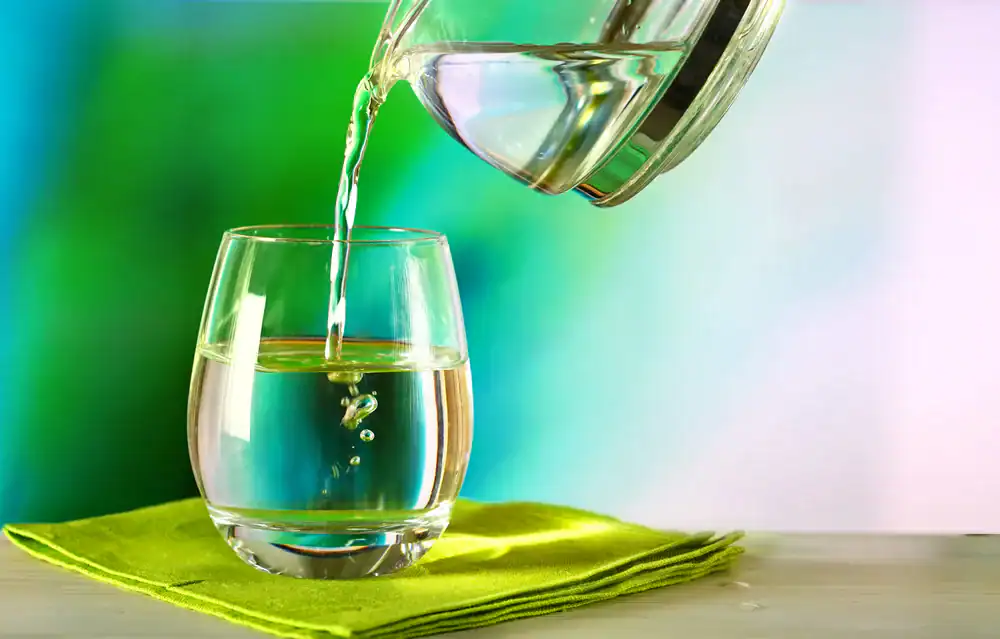
Your dishwasher stops leaving spots on glasses. Your water heater runs efficiently instead of fighting through layers of scale. You use half the soap you’re using now and your skin stops feeling tight after every shower.
Hard water in Fort McCoy isn’t just annoying. It’s expensive. The limestone in Florida’s aquifer loads your water with minerals that coat everything they touch. Your pipes narrow. Your appliances work harder. Your energy bills climb.
A water softener system removes those minerals before they enter your home. That means your plumbing stays clear, your appliances last five to ten years longer, and you stop scrubbing soap scum off shower doors every weekend. The average Fort McCoy household saves over $1,200 annually once they stop replacing appliances early and buying extra detergent to fight the minerals.
We’ve been installing and servicing water treatment systems across the state for over five decades. We’re A-rated with the Better Business Bureau, hold a five-star rating with zero complaints, and we’re members of the National Water Quality Association.
That track record matters in Fort McCoy, where the water hardness regularly tests between 180-250 PPM. We’ve seen what happens when systems get installed incorrectly or when companies sell equipment and disappear. We service every brand we install, and we service brands other companies won’t touch anymore.
Military and first responders get $500 off any whole-house system. We also donate to the Tunnels to Towers Foundation because some things matter more than profit margins.
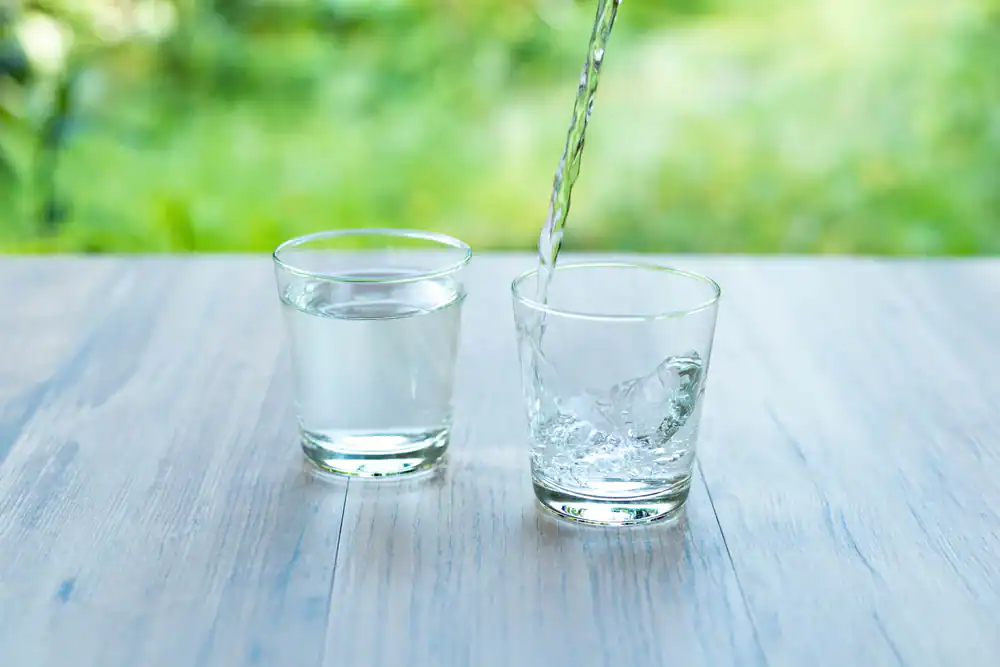
We start with a free water analysis at your Fort McCoy home. You need to know what’s actually in your water before anyone recommends equipment. We test for hardness, iron content, pH levels, and contaminants that affect which system works best for your situation.
Once we know what we’re dealing with, we walk through your options. Some homes need a basic softener. Others benefit from a twin-tank system that provides soft water 24/7, even during regeneration cycles. If you’ve got iron in your water along with hardness, we’ll recommend a combination approach that handles both problems.
Installation typically takes four to six hours. We connect the system to your main water line, set the regeneration schedule based on your household size and water usage, and test everything before we leave. You’ll have soft water flowing through every faucet, shower, and appliance by the end of the day.
We don’t disappear after installation. You’ll get a follow-up call within two weeks to make sure everything’s working as expected, and we’re available for service calls whenever you need us.

Ready to get started?
Every water softening system we install in Fort McCoy comes with professional setup, calibration based on your specific water test results, and a full walkthrough of how your system operates. You’ll understand how to add salt, what the regeneration cycle does, and when to call us if something seems off.
Fort McCoy’s water presents specific challenges. The hardness levels here run higher than the state average, and many homes also deal with iron content that stains fixtures and laundry. We size your system to handle your actual water conditions, not some generic calculation. A family of four with 200 PPM hardness needs different capacity than a couple with 150 PPM.
We also handle water softener repair for systems other companies installed. If your current softener isn’t regenerating properly, if you’re still seeing hard water symptoms, or if the system is using too much salt, we’ll diagnose the problem and fix it. Most repairs cost a fraction of replacement, and we stock parts for virtually every brand sold in Florida over the past twenty years.
Your system includes a warranty on parts and labor. We service what we sell, and we’ve been doing it long enough that you can find us when you need us. That’s not something you can say about every water treatment company operating in Marion County.

Fort McCoy’s water typically tests between 180-250 parts per million for hardness, which puts it in the “very hard” category. Anything above 120 PPM causes noticeable problems with appliances and plumbing. At 200+ PPM, you’re looking at significant scale buildup that shortens the life of your water heater, dishwasher, and washing machine.
You’ll see the evidence even if you haven’t tested your water. White crusty deposits on faucets and showerheads. Spots on dishes that won’t come off. Soap that doesn’t lather well. Laundry that feels stiff. These aren’t minor annoyances—they’re symptoms of minerals coating everything in your plumbing system.
The question isn’t whether Fort McCoy’s water is hard enough to justify a softener. It is. The question is whether you want to keep replacing appliances every seven years instead of every fifteen, and whether you’re okay spending twice as much on soap and detergent as you need to.
Salt-based systems actually remove the calcium and magnesium minerals from your water through an ion exchange process. The minerals stick to resin beads inside the tank, and salt is used during regeneration to flush those minerals out and recharge the beads. This gives you genuinely soft water that prevents scale buildup.
Salt-free systems don’t remove minerals. They crystallize them so they’re less likely to stick to surfaces. These systems work better in marketing brochures than in Fort McCoy homes. With hardness levels this high, you need actual mineral removal, not just conditioning.
The salt-based systems require you to add salt to a brine tank every month or two, depending on your water usage. That’s the trade-off. You’re exchanging a minor maintenance task for water that actually protects your appliances and plumbing. Most Fort McCoy homeowners use about one 40-pound bag of salt per month. That costs roughly $6-8 and takes five minutes to pour into the tank.
A quality whole-house water softening system for a typical Fort McCoy home runs between $2,500-4,500 installed, depending on capacity, features, and whether you need additional treatment for iron or other contaminants. That includes the equipment, professional installation, water testing, and warranty coverage.
Twin-tank systems that provide continuous soft water cost more than single-tank models, but they’re worth it if anyone in your household showers or runs appliances during early morning hours when single-tank systems typically regenerate. You also pay more for higher capacity if you’ve got a larger family or if your water is exceptionally hard.
The return on investment happens faster than most people expect. Between appliance protection, energy savings from efficient water heaters, and reduced soap usage, the average Fort McCoy household recoups the installation cost within three to five years. After that, you’re saving $1,000+ annually compared to running hard water through your home. Military and first responders get $500 off, which shortens the payback period even more.
Your water won’t taste salty. The sodium content in softened water is minimal—typically less than 12.5 milligrams per 8-ounce glass, even with very hard water. That’s less sodium than a slice of bread. People on strict low-sodium diets sometimes install a separate unsoftened line to their kitchen sink, but most Fort McCoy residents never notice any taste difference.
The slippery feeling in the shower is real, but it’s not a problem. It’s actually what clean skin feels like without hard water minerals coating it. You’re used to that tight, squeaky feeling after showering, but that’s not cleanliness—that’s mineral residue and soap scum sticking to your skin. Soft water rinses cleanly, which feels different at first.
Most people adjust within a week and then wonder how they ever tolerated hard water showers. Your hair gets shinier, your skin stops drying out, and you use less body wash because it actually lathers instead of fighting the minerals. If the feeling really bothers you, you can adjust the hardness setting slightly, but almost nobody asks us to do that after they’ve lived with soft water for a few weeks.
A properly installed water softener system needs minimal maintenance. You’ll add salt every four to eight weeks depending on your water usage and household size. Every six months, you should check the brine tank to make sure salt isn’t bridging or clumping. Once a year, we recommend having the system inspected to verify the regeneration cycle is working correctly and the resin beads are still in good condition.
Most quality systems run for 10-15 years before needing significant repairs. The most common service calls involve replacing the control valve or recharging the resin tank, both of which are straightforward fixes. If you maintain proper salt levels and don’t let your system run dry, you’ll avoid most problems.
We service systems throughout Fort McCoy that we installed 20+ years ago. They’re still running on original resin tanks with only minor parts replaced over time. The key is buying quality equipment from the start and working with a company that’ll still be around when you need service. We’ve seen too many Fort McCoy homeowners stuck with orphaned systems from companies that sold equipment and vanished.
Please provide your email address so that we can stay in touch and answer any questions you have! We will be reaching back out shortly.
"*" indicates required fields