Reach Out Today
Please provide your email address so that we can stay in touch and answer any questions you have! We will be reaching back out shortly.

Hear from Our Customers
Your water heater stops dying at year six instead of lasting fifteen. That’s real money—a replacement runs $1,200 to $2,500, and hard water guarantees you’ll pay it sooner than you should.
Your monthly energy bill drops because your appliances aren’t fighting mineral buildup just to do their job. Scale-clogged pipes and heating elements can spike your costs by 30% or more. A water softening system pays for itself in two to four years just from what you stop losing.
Your skin and hair feel normal again. No more that tight, itchy feeling after showers. No more frizzy hair that won’t cooperate. The limescale in Eureka’s water strips away natural oils—your body’s trying to stay hydrated while the water works against it.
Your weekends stop involving scrubbing white film off shower doors and faucets. Soap actually rinses clean. Laundry comes out soft instead of stiff. These aren’t luxury upgrades—this is just what water is supposed to feel like when it’s not loaded with dissolved limestone.
We have an A+ Better Business Bureau rating with zero complaints. That’s not common in this industry, and it matters when you’re letting someone into your home and trusting them with your water supply.
We’re members of the National Water Quality Association, which means we follow actual standards instead of just making promises. We’ve been solving hard water problems across Central Florida for over 50 years because we show up, we do the work right, and we service what we sell.
Eureka sits right in the heart of Florida’s limestone belt. The water coming into your home has been filtering through the Floridan Aquifer, picking up calcium and magnesium the whole way. That’s why your water hardness typically runs between 120 and 180 parts per million—well into the “hard” to “very hard” range. We test your specific water because the house three doors down might have different levels than yours.
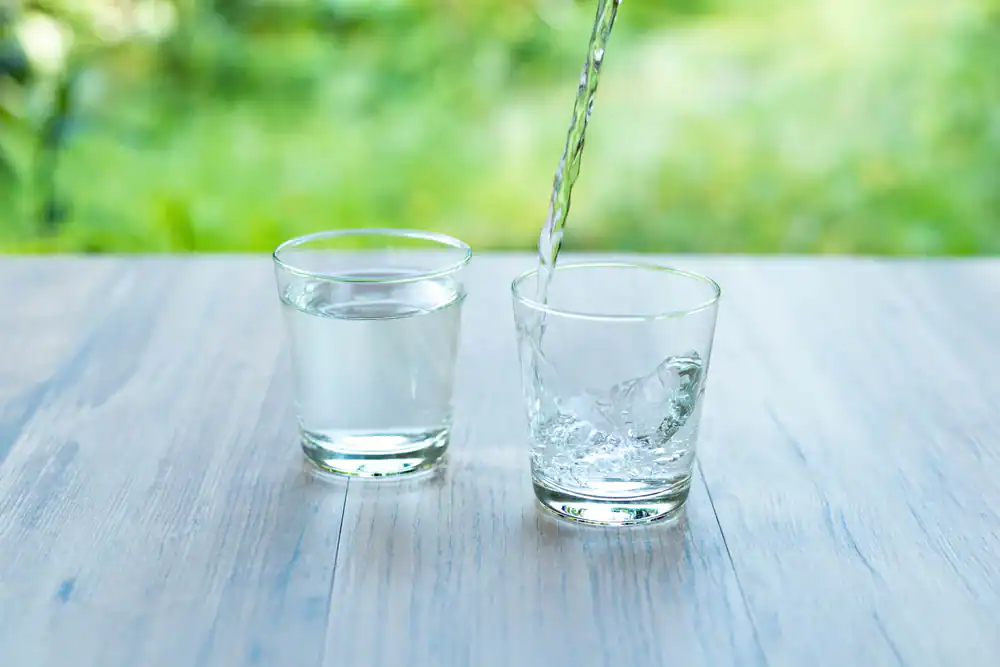
We start with a free water analysis at your home in Eureka. Not a guess, not an average—we test your actual water to see what we’re dealing with. Hardness levels, pH, iron content, anything else that’s going to affect which system works best for your situation.
Then we talk through what you’re experiencing. If your water heater is only five years old but already struggling, that tells us something. If you’re going through soap like crazy or your dishwasher leaves spots on everything, that confirms what the test shows. We design the system around your water and your household size, because a family of two doesn’t need the same setup as a family of six.
Installation typically takes a few hours. We’re connecting the system to your main water line so every faucet, every shower, every appliance gets treated water. You’ll see the difference immediately—water feels different, soap behaves differently, and your appliances stop fighting mineral buildup with every cycle.
We walk you through maintenance before we leave. Most systems need salt refilled periodically if you go with a traditional softener, or simple filter changes if you choose a salt-free option. We service everything we install, and we can service other brands too if you’ve got an existing system that needs repair.

Ready to get started?
Traditional ion-exchange water softeners remove calcium and magnesium by swapping them for sodium ions. These are the most effective at eliminating hardness completely. Your water will test soft, scale won’t form, and appliances stay clean. You’ll add salt to the brine tank every few weeks depending on your water usage.
Salt-free systems work differently—they don’t remove minerals, they change their structure so they can’t bond and create scale. Your water will still test as hard, but it won’t act hard. No scale buildup, no salt required, no wastewater from regeneration cycles. Some people prefer this because they don’t want sodium added to their water, even in small amounts.
In Eureka, we see a mix of both. Some homes have well water with additional iron content that needs addressing before softening. Some have city water that’s consistently hard but otherwise clean. The system we recommend depends entirely on what your water test shows and what problems you’re trying to solve.
Whole-house filtration can be added to either setup if you want to address chlorine taste, sediment, or other concerns beyond hardness. We’re not trying to upsell you on equipment you don’t need—we’re showing you what fixes your specific water issues. You decide what matters most for your home and your budget.

Eureka’s water typically ranges from 120 to 180 parts per million of hardness, which puts it firmly in the “hard” to “very hard” category. Anything above 120 PPM starts causing noticeable problems with appliances and plumbing.
The reason comes down to geology. Central Florida sits on top of massive limestone deposits in the Floridan Aquifer. As water filters down through that limestone, it dissolves calcium and magnesium along the way. By the time it reaches your tap, it’s loaded with minerals that want to stick to everything they touch.
You’ll see it as white crusty buildup on faucets, cloudy spots on glassware, soap that doesn’t lather right, and appliances that fail early. Your water heater is especially vulnerable—the heating element becomes a magnet for scale, which insulates the element and forces it to work harder. That’s why water heaters in untreated homes often die at seven years instead of fifteen.
Salt-based systems actually remove hardness minerals from your water through ion exchange. The resin inside the tank grabs calcium and magnesium ions and swaps them for sodium ions. Your water tests soft afterward—the minerals are gone. You’ll need to add salt regularly, and the system uses some water during its regeneration cycle to clean the resin.
Salt-free systems don’t remove minerals—they crystallize them so they can’t stick to surfaces and form scale. Your water still contains calcium and magnesium, so it’ll still test as hard, but it won’t behave like hard water. No scale buildup, no salt needed, no water waste, and no electricity required for most models.
The choice depends on what you’re trying to accomplish. If you want water that’s chemically soft and you don’t mind maintaining salt levels, go traditional. If you want scale prevention without adding sodium or dealing with regeneration cycles, salt-free works. Both protect your appliances and plumbing. Both stop the crusty buildup. We test your water first and show you what each option looks like for your specific situation.
A quality whole-house water softener system typically runs between $1,500 and $3,500 installed, depending on your home’s size, your water hardness level, and whether you choose salt-based or salt-free. That’s not pocket change, but look at what you’re already paying.
Hard water costs the average Florida household between $1,100 and $2,000 per year in hidden expenses. Premature water heater replacement, extra detergent because soap won’t lather, higher energy bills from scale-clogged appliances, plumbing repairs, and constant cleaning supplies to fight buildup. Over ten years, that’s $11,000 to $20,000 walking out your door.
A water softening system typically pays for itself in two to four years just from what you stop losing. Your water heater lasts its full lifespan instead of dying early. Your appliances run efficiently instead of fighting mineral deposits. You use less soap, less detergent, less cleaning products because everything actually works the way it’s supposed to.
We also offer a $500 discount for military members and first responders, which helps offset the upfront cost. And we can walk through financing options if that makes more sense for your budget right now.
Traditional salt-based systems need salt added every four to eight weeks depending on your water usage and hardness level. That’s the main ongoing task—keeping the brine tank filled so the system can regenerate. Salt runs about $5 to $7 per bag, and most homes use one to two bags per month.
Beyond that, you’re looking at occasional resin cleaning every few years if you have iron in your water, and potentially a resin replacement after 10 to 15 years of heavy use. The control valve might need service eventually, but quality systems are built to run for decades with minimal intervention.
Salt-free systems need even less. Most require a filter or media change once a year, which takes about ten minutes. No salt, no regeneration cycles, no brine tank to monitor.
If something does break, we service all brands—not just what we sell. A lot of companies in this industry install equipment and disappear. We’ve been here for 50 years, and we’ll be here when you need a repair in five or ten years. That’s part of why our BBB rating sits at A+ with zero complaints.
The slippery feeling is real, but it’s not actually the water—it’s your skin finally being clean. Hard water prevents soap from rinsing completely, so you’re used to a layer of soap scum left on your skin that gives you grip. Soft water lets soap rinse away completely, which feels slippery at first because there’s nothing left behind. Most people adjust within a week and prefer it once they realize their skin isn’t dry and itchy anymore.
The salty taste concern comes up a lot, but it’s usually not noticeable. A traditional softener adds about 12 to 35 milligrams of sodium per 8-ounce glass, depending on your water’s original hardness. For context, a slice of bread has about 150 milligrams. If you’re on a strict low-sodium diet, you might want to consider a salt-free system instead, or we can set up a bypass for your kitchen drinking water.
Salt-free systems don’t add any sodium at all since they’re not using ion exchange. They crystallize the minerals instead of removing them, so your water chemistry stays the same—it just stops forming scale.
If taste is a priority beyond softening, we can add a reverse osmosis system at your kitchen sink for drinking and cooking water. That removes nearly everything and gives you bottled-water quality straight from the tap.
Please provide your email address so that we can stay in touch and answer any questions you have! We will be reaching back out shortly.
"*" indicates required fields