Reach Out Today
Please provide your email address so that we can stay in touch and answer any questions you have! We will be reaching back out shortly.

Hear from Our Customers
Your water heater stops fighting scale buildup and starts heating efficiently again. That alone can save you up to 30% on energy costs, because limescale forces your system to work harder just to do its basic job.
Your dishwasher stops leaving spots. Your shower glass stays clearer longer. Your skin doesn’t feel tight and itchy after every wash. These aren’t small things when you’re dealing with them every single day.
Clothes come out of the wash softer, without that stiff feeling that comes from mineral buildup in the fabric. Your coffee maker, ice machine, and washing machine last years longer because they’re not constantly battling the minerals in East Lake Weir’s water supply. The Floridan Aquifer that feeds our area delivers water with hardness levels that regularly hit 200+ mg/L. That’s considered very hard, and it shows up in every faucet, every appliance, every shower.
A water softening system handles this at the source. You’re not patching problems room by room. You’re addressing the water before it ever reaches your fixtures.
We hold an A+ rating with the Better Business Bureau and a 5-star review record with zero complaints. We’re members of the National Water Quality Association, which means we follow industry standards that actually matter.
We don’t sell you a system and disappear. That’s where national companies fall short, especially in Florida where water conditions shift and systems need proper maintenance. We service what we install, and we service other brands too if you’ve been left hanging by someone else.
East Lake Weir sits in Lake County, where hard water isn’t just common—it’s the default. We’ve worked with hundreds of homeowners in this area who’ve dealt with the same appliance failures, the same skin irritation, the same frustration with cleaning products that don’t lather right. We know what your water looks like before we even test it, and we know what it takes to fix it.
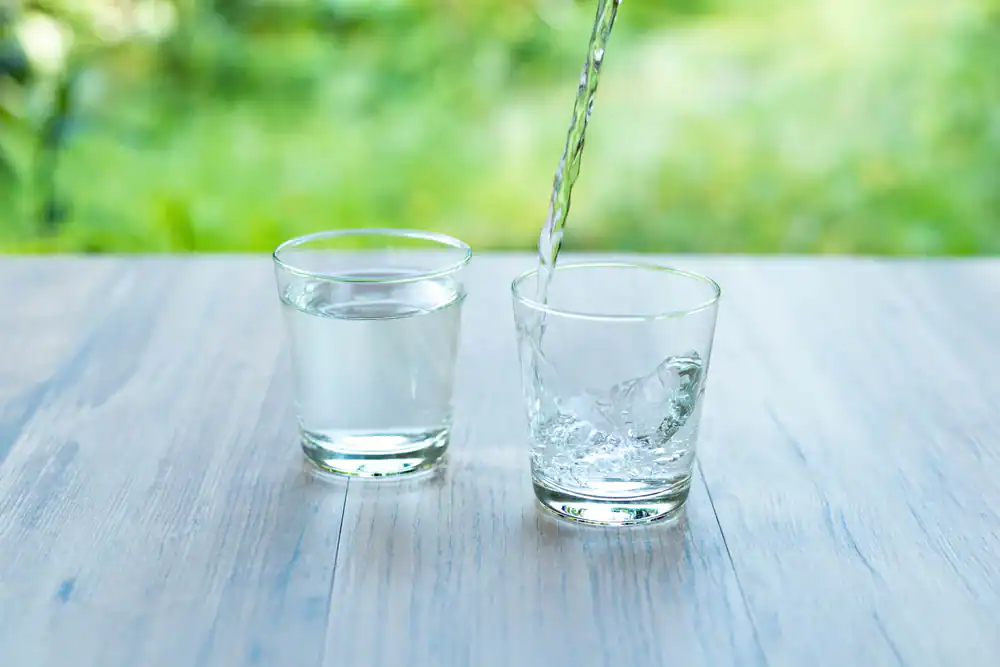
We start with a free water analysis at your home. Not a guess, not an average—we test your specific water to see what we’re dealing with. Hardness levels, iron content, pH, sulfur. This tells us exactly what kind of system you need and what size makes sense for your household.
Once we have your results, we design a system based on your water usage and your home’s layout. One size doesn’t fit all, and we’re not trying to upsell you on capacity you’ll never use. We’re looking at how many people live in your home, how much water you use daily, and what your biggest pain points are.
Installation typically takes a few hours. We connect the system to your main water line so every tap in your house gets treated water. If you’re going with a traditional ion exchange softener, we’ll set up the brine tank and program the regeneration cycle based on your usage patterns. If you prefer a salt-free conditioner, we’ll install that instead—it works differently but solves many of the same problems without adding sodium to your water.
After installation, we walk you through how the system operates, what maintenance looks like, and when to call us. Then we leave you with softer water and a system that’s actually built to last in Florida’s conditions.

Ready to get started?
You’re getting a water softener system that’s matched to your home’s specific needs, not a one-size-fits-all box. We offer traditional salt-based ion exchange systems that remove hardness minerals through a proven process, and we also offer salt-free water conditioning systems for homeowners who want scale prevention without adding sodium.
Every installation includes whole-house coverage. That means your kitchen, bathrooms, laundry room, and outdoor spigots all get treated water. We also integrate additional filtration if your water test shows issues beyond hardness—things like iron, sulfur, or sediment that are common in East Lake Weir.
Florida water comes with challenges that other states don’t deal with. The Floridan Aquifer delivers high mineral content year-round, and Lake County has seen water quality issues that make filtration even more important. We size systems to handle this reality, not some national average that doesn’t apply here.
You also get ongoing service. We’re not a company that installs and vanishes. If your system needs adjustment, repair, or routine maintenance, we handle it. We stock parts, we know how these systems behave in Florida’s climate, and we’ve seen every issue that can come up. That’s worth more than a cheap install from a company that won’t answer the phone six months later.

If you’re seeing white buildup on your faucets, shower doors, or inside your coffee maker, you have hard water. If your skin feels dry and itchy after showering, or your hair is constantly frizzy no matter what products you use, that’s hard water stripping away natural oils.
Check your water heater. If it’s older than 10 years and you’ve never had the tank flushed, there’s likely significant scale buildup inside reducing efficiency. Look at your dishwasher’s spray arms—if they’re clogged or your dishes come out spotty, minerals are the culprit.
East Lake Weir’s water supply typically tests between 150-250 mg/L for hardness, which is considered moderately hard to very hard. Most homes in this area would benefit from a water softening system, especially if you’re noticing any of the signs above. We offer free water testing, so you’ll know exactly what you’re dealing with before making any decisions.
Salt-based systems use ion exchange to actually remove calcium and magnesium from your water. Resin beads inside the tank grab onto hardness minerals and swap them out for sodium ions. This gives you genuinely soft water that lathers better, feels different on your skin, and prevents scale buildup in pipes and appliances.
Salt-free systems don’t remove minerals—they change their structure so they’re less likely to stick to surfaces. This is called conditioning or descaling. You won’t get the same soft feel in the shower, but you will reduce scale accumulation in your water heater and plumbing. These systems don’t require salt refills or regeneration cycles, which some homeowners prefer.
The right choice depends on what you’re trying to solve. If you want true soft water and maximum appliance protection, salt-based is the way to go. If you’re mainly concerned about scale and want lower maintenance, salt-free can work. We test your water first and recommend based on what we find, not based on what we have in stock.
Whole-house water softener systems typically range from $1,500 to $6,000 depending on the type of system, capacity, and any additional filtration you need. A basic salt-based softener for a smaller home runs lower on that range. Larger homes with high water usage or systems that include reverse osmosis, UV purification, or whole-house filtration land higher.
We don’t quote over the phone because your water quality and household needs determine what system makes sense. A family of two with moderately hard water needs something different than a family of six dealing with iron staining and sulfur odor on top of hardness.
We offer free water analysis and free estimates. Once we test your water and understand your priorities, we’ll give you options at different price points. We also offer a $500 discount for military members and first responders. The goal is to get you a system that solves your actual problems without overselling capacity or features you won’t use.
Salt-based systems need salt refills every 4-8 weeks depending on your water usage and hardness level. You’ll also want the resin tank cleaned annually to prevent buildup that reduces efficiency. Most systems have a brine tank that should be inspected once a year to make sure everything’s dissolving properly and there’s no salt bridging.
Every 5-10 years, the resin beads inside the softener may need replacement if you have particularly harsh water conditions or high iron content. We’ve seen systems last 15-20 years with proper maintenance, and we’ve seen them fail in under 10 when they’re neglected or undersized for the household.
Salt-free systems require less maintenance—usually just an annual filter change depending on the model. They don’t have moving parts or regeneration cycles, so there’s less that can go wrong. That said, they also don’t handle heavy iron or extreme hardness as well as traditional softeners. We service all types of systems, including brands we didn’t originally install, so if you’ve been left without support from another company, we can step in and get things running right.
A standard water softener can handle small amounts of dissolved iron—usually up to 3-5 ppm. Beyond that, you’ll need additional treatment like an iron filter or oxidation system before the softener. Iron clogs up the resin beads and reduces the system’s ability to soften water effectively.
Sulfur smell, which shows up as that rotten egg odor, requires a different approach. You’ll need either an oxidizing filter, an air injection system, or chlorination depending on the sulfur levels in your water. A softener alone won’t remove hydrogen sulfide gas.
East Lake Weir has pockets where iron and sulfur are common issues on top of hardness. When we test your water, we’re checking for all of this so we can recommend a complete solution. Sometimes that means a softener plus a pre-filter. Sometimes it means a whole-house filtration system with multiple stages. We’ll lay out what you actually need based on your test results, not based on what’s easiest for us to install.
Please provide your email address so that we can stay in touch and answer any questions you have! We will be reaching back out shortly.
"*" indicates required fields