Reach Out Today
Please provide your email address so that we can stay in touch and answer any questions you have! We will be reaching back out shortly.

Hear from Our Customers
You’re dealing with white buildup on faucets. Dishes come out of the dishwasher with spots. Your water heater works harder than it should, and your energy bills show it.
That’s what happens when Durbin’s limestone-heavy water runs through your home untreated. The calcium and magnesium dissolve into your water supply, and every gallon that moves through your pipes leaves deposits behind.
A water softening system removes those minerals before they reach your plumbing. Your soap works better. Your appliances run more efficiently. Your skin and hair don’t feel coated after a shower.
You’ll use less detergent, replace fewer appliances, and spend less time cleaning. The difference shows up in how your home runs and how much you spend maintaining it.
We focus exclusively on water softening, purification, and filtration. We don’t do plumbing. We don’t install water heaters. We specialize in one thing because it matters.
Durbin sits in an area where water hardness regularly exceeds 180 parts per million. That’s well into the “very hard” range, and it means your home needs a system designed specifically for your water conditions and household usage.
We’re A-rated with the Better Business Bureau, carry a 5-star rating with zero complaints, and we’re members of the National Water Quality Association. We start every project with a free water analysis at your home, and we design systems based on what your water actually needs—not a one-size-fits-all box.
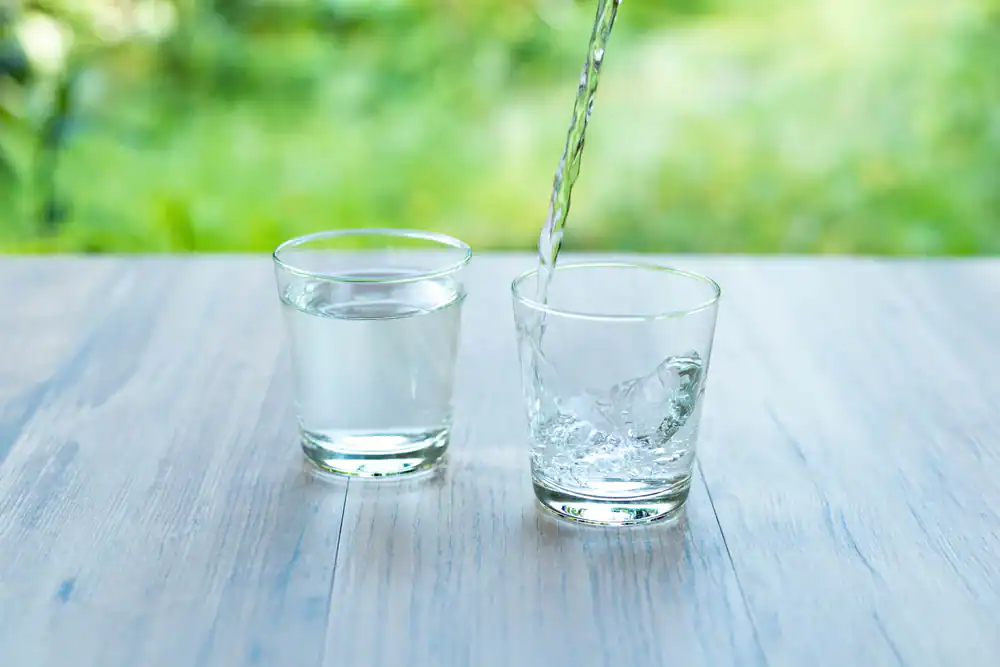
We start with a free water analysis at your home. We test hardness levels, check for contaminants, and measure your household’s water usage. That tells us what size system you need and what type of filtration makes sense for your situation.
Once we design your system, we schedule installation. We connect the water softener to your main water line so every faucet, shower, and appliance gets treated water. The system uses a resin tank to remove calcium and magnesium through an ion exchange process, and a brine tank to regenerate the resin when needed.
After installation, we walk you through how the system operates, how to add salt, and what maintenance looks like. Most systems need salt refills every few weeks depending on usage. We service all makes and models if you ever need repairs, and we’re available for any questions that come up.

Ready to get started?
Every water softener system we install gets customized to your home’s water quality and your family’s usage patterns. Durbin’s water comes directly from the Floridan aquifer, which means high mineral content is standard. Your system needs to handle that load without constant maintenance or early failure.
We install whole-house systems that treat water at the point of entry. That means every fixture, appliance, and faucet gets soft water. You’re not just protecting your water heater—you’re extending the life of your dishwasher, washing machine, and all your plumbing.
We also offer water softener repair for existing systems. If your current unit isn’t regenerating properly, uses too much salt, or leaves hard water symptoms, we diagnose the issue and fix it. We work on all brands.
You’ll also get our free water analysis before any installation. We test on-site, explain what’s in your water, and show you exactly why we’re recommending a specific system. No guessing. No overselling.

If you see white or yellow buildup around faucets and showerheads, that’s limescale from hard water. Spots on dishes after they’ve been washed, soap that doesn’t lather well, and stiff laundry are other signs.
Durbin’s water typically measures between 180 and 300 parts per million in hardness, which is considered hard to very hard. At that level, you’re dealing with mineral deposits that build up in pipes, reduce appliance efficiency, and make cleaning harder.
A free water test will tell you exactly what’s in your water and whether a softener makes sense for your home. We test at your house and explain the results in plain terms so you can make an informed decision.
Water softening removes hardness minerals—specifically calcium and magnesium—that cause scale buildup. It doesn’t remove contaminants like chlorine, sediment, or bacteria. It solves a specific problem: hard water damage to your plumbing and appliances.
Water filtration removes impurities, chemicals, and particles from your water. Depending on the system, it can address taste, odor, chlorine, sediment, and other contaminants. Filtration improves water quality for drinking and cooking.
Many homes in Durbin benefit from both. A softener protects your plumbing and appliances. A filtration system improves what comes out of your tap for consumption. We test your water first and recommend what actually addresses the issues you’re facing.
Cost depends on your home’s size, your water hardness level, and how much water your household uses daily. A system for a typical Durbin home usually ranges from $1,500 to $3,500 installed.
That includes the softener unit, installation labor, and any necessary plumbing connections. Larger homes or homes with extremely hard water may need bigger systems, which cost more upfront but handle the load without breaking down early.
We don’t give quotes over the phone because your water conditions matter. We test your water, measure your usage, and design a system that fits. Then we give you a flat price with no surprises. Military and first responders get $500 off.
You’ll need to add salt to the brine tank every four to six weeks, depending on your water usage and hardness level. That’s the main ongoing task. The salt is inexpensive and available at most hardware stores.
Once a year, it’s smart to check the system for salt bridges (hardened salt that blocks the brine), clean the resin tank if needed, and make sure the regeneration cycle is running correctly. Most homeowners handle this themselves, but we offer service calls if you’d rather have us do it.
If your system stops softening water, uses excessive salt, or runs constantly, something’s wrong. We handle water softener repair for all brands and can usually diagnose and fix issues in one visit.
No. The salt in a water softener is used to regenerate the resin beads that remove hardness minerals. It doesn’t add salt to your drinking water.
The softening process works through ion exchange. Calcium and magnesium ions in your water swap places with sodium ions on the resin. The amount of sodium added is minimal—usually less than 12.5 milligrams per 8-ounce glass for water with moderate hardness.
If you’re on a sodium-restricted diet or just prefer no sodium at all, we can install a potassium chloride system instead of sodium-based salt. It works the same way but uses potassium. We’ll explain both options during your water analysis.
Please provide your email address so that we can stay in touch and answer any questions you have! We will be reaching back out shortly.
"*" indicates required fields