Reach Out Today
Please provide your email address so that we can stay in touch and answer any questions you have! We will be reaching back out shortly.

Hear from Our Customers
Your shower doors stop building up that white film you’ve been scrubbing every week. Your skin doesn’t feel tight and dry after every shower. Your dishes come out of the dishwasher without spots.
Those are the immediate changes. The bigger ones show up over time.
Your water heater isn’t working overtime trying to heat water through a layer of mineral buildup. Your washing machine isn’t grinding through cycles with soap that won’t rinse clean. Your faucets aren’t developing that crusty white ring around the base. Crescent Beach sits right in the middle of Florida’s limestone belt, which means your water is loaded with calcium and magnesium. Every gallon that runs through your pipes leaves a little more buildup behind. A properly sized water softening system stops that process before it costs you thousands in appliance repairs and plumbing bills.
We hold an A-rating with the Better Business Bureau and five stars with zero complaints. That doesn’t happen by accident in an industry known for high-pressure sales and disappearing after installation.
We’re members of the National Water Quality Association, which means our installations meet professional standards and our team stays current on Florida’s specific water treatment requirements. When we size your water softener system, we’re accounting for your actual water usage, your home’s plumbing configuration, and the hardness levels specific to Crescent Beach.
Most companies in this area either sell you an oversized system because it’s easier, or they undersize it to hit a price point. Both approaches cost you more in the long run. We’d rather do it right the first time and maintain the relationship for years.
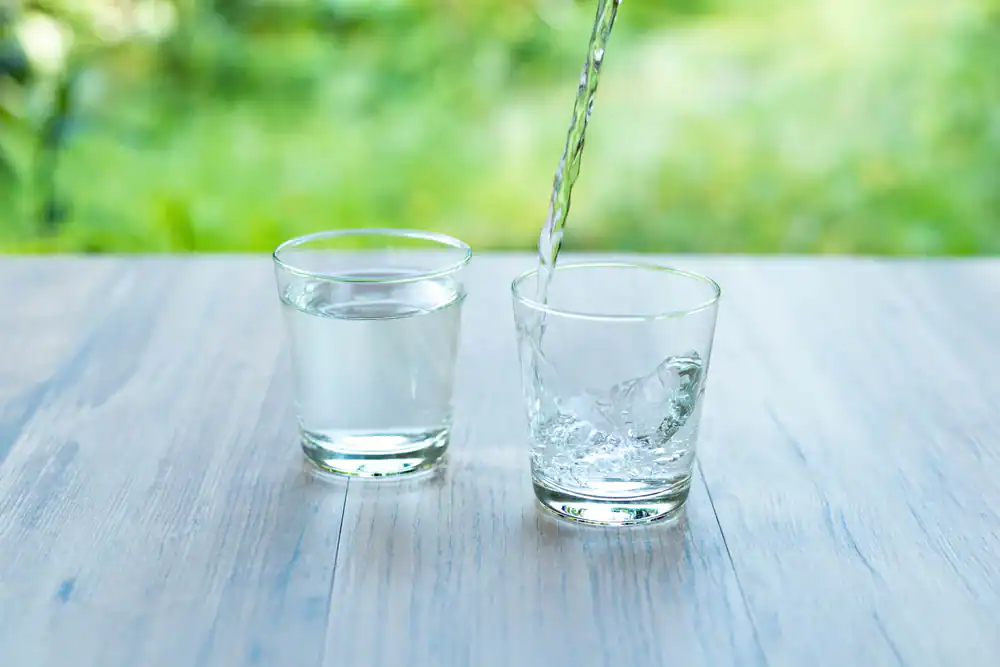
First, we test your water. Not just hardness, but iron content, pH levels, and anything else that affects how your system needs to be configured. Florida water varies more than most people realize, even within a few miles.
Once we know what we’re working with, we size your system based on your household’s actual water usage and the specific hardness levels at your property. This isn’t a catalog sale. We’re calculating grain capacity, regeneration cycles, and salt efficiency for your home specifically.
Installation takes most of a day. We’re connecting to your main water line, setting up the bypass valve system, installing the brine tank, and programming the control head for your water conditions. Everything gets tested before we leave. We walk you through how the system operates, how to add salt, and what to watch for. Then we set up your ongoing maintenance schedule, because a water softening system needs periodic service to keep working efficiently. Most problems we see come from systems that were installed and forgotten.

Ready to get started?
Professional installation means the system is sized correctly, installed to code, and programmed for your specific water conditions. That’s the baseline. You’re also getting a system that’s designed for Florida’s water chemistry, not just generic hard water.
The equipment itself matters. We install salt-based water softening systems that actually remove hardness minerals, not salt-free conditioners that just claim to reduce scale. There’s a difference, and it shows up in how well your system performs over time.
Crescent Beach homeowners deal with some of the hardest water in Florida. Most homes in this area test between 15 and 25 grains per gallon, which is considered very hard. Your system needs to handle that load day after day without breaking down or losing efficiency. The ongoing service relationship is part of what you’re paying for. We’re checking resin bed condition, cleaning injectors, testing salt usage, and catching small issues before they turn into expensive repairs. When something does need attention, we’re the ones who installed it and we know exactly how it’s configured.
Military members and first responders get $500 off installation. That’s not a promotional discount that disappears next month. It’s a standing offer because we think that’s the right thing to do.

A properly maintained salt-based water softener system should give you 15 to 20 years in Florida. That’s assuming regular service, which most homeowners skip until something stops working.
The control valve usually goes first. It’s doing all the work – tracking water usage, triggering regeneration cycles, managing backwash. Those electronic components have a lifespan. The resin bed inside the tank is the second thing to watch. It’s what actually removes the hardness minerals from your water. Over time, the resin beads break down and lose effectiveness. How fast that happens depends on your water chemistry and how much iron you’re dealing with.
The brine tank lasts the longest because it’s just holding salt water. But it still needs periodic cleaning to prevent salt bridges and buildup. Most systems that fail early either weren’t sized correctly to begin with, or they never got serviced after installation. The ones that make it past 20 years are usually oversized for the household and getting annual maintenance.
A salt-based water softener removes calcium and magnesium from your water through an ion exchange process. The hardness minerals stick to resin beads in the tank, and sodium ions take their place. That’s actual removal. Your water is chemically softer.
A salt-free conditioner doesn’t remove anything. It claims to change the structure of hardness minerals so they don’t stick to surfaces as easily. Some of them work to a degree. Most don’t work well enough to notice if you’re dealing with Florida’s water hardness levels.
The difference shows up in how your home responds. With a real water softener, you’ll see soap lather better, your skin feels different after showering, and scale buildup stops forming inside your appliances. With a conditioner, you might see less visible spotting on fixtures, but the minerals are still in your water and they’re still building up inside your pipes and appliances. If your water tests above 10 grains per gallon – and most Crescent Beach homes test much higher – a conditioner isn’t going to solve your hard water problems. You need actual softening.
Most households go through one to two 40-pound bags of salt per month. That’s an average. Your actual usage depends on how hard your water is, how much water your household uses, and how efficiently your system regenerates.
A family of four in Crescent Beach with very hard water might use closer to three bags monthly. A couple with moderate water usage might only need one bag every six weeks. The system regenerates based on water volume, not a timer. When it regenerates, it flushes the resin bed with salt water to remove the accumulated hardness minerals and recharge the resin beads.
If you’re going through significantly more salt than expected, something’s wrong. Either the system is regenerating too frequently because it’s undersized, or there’s a programming issue, or you’ve got a leak in the brine system. Salt is cheap compared to the appliances you’re protecting, but usage that’s way outside the normal range is worth investigating. We check salt consumption during service visits because it tells us how efficiently the system is operating.
No. The amount of sodium added during the softening process is minimal and doesn’t create a salty taste. What you’re tasting in softened water is the absence of minerals, which can make it feel different if you’re used to hard water.
Here’s what actually happens: when hardness minerals are removed, sodium ions take their place. But we’re talking about roughly 12 to 35 milligrams of sodium per 8-ounce glass, depending on how hard your water was to start. For comparison, a slice of bread has about 150 milligrams of sodium.
Some people notice that softened water feels slicker in the shower. That’s not a coating on your skin – it’s the absence of mineral film. Your soap is actually rinsing clean instead of bonding with calcium and magnesium and leaving residue. If sodium intake is a health concern, you can install a separate cold water line to your kitchen sink that bypasses the softener. That gives you unsoftened water for drinking and cooking while the rest of your house stays protected. Most people don’t bother because the sodium content is negligible.
You can, but most DIY installations end up costing more in the long run. The equipment itself is only part of the expense. Proper sizing, correct plumbing connections, and accurate programming matter more than the hardware.
If you undersize the system, it’ll regenerate constantly and wear out faster. If you oversize it, you’re wasting money on equipment capacity you don’t need and using more salt than necessary. If the drain line isn’t installed correctly, you’ll have backflow issues. If the bypass valve isn’t configured right, you can’t isolate the system for service.
Florida has specific plumbing code requirements for water softener installations, including backflow prevention and proper drainage. An improperly installed system can affect your home’s water pressure, create cross-contamination issues, or void your homeowner’s insurance if it causes water damage. The bigger issue is programming. These systems need to be set up for your specific water hardness, iron content, and household usage patterns. Get that wrong and your system either won’t soften effectively or it’ll waste salt and water during regeneration. Professional installation includes testing your water, sizing the system correctly, installing to code, and programming for your conditions. That’s worth paying for.
Please provide your email address so that we can stay in touch and answer any questions you have! We will be reaching back out shortly.
"*" indicates required fields