Reach Out Today
Please provide your email address so that we can stay in touch and answer any questions you have! We will be reaching back out shortly.

Hear from Our Customers
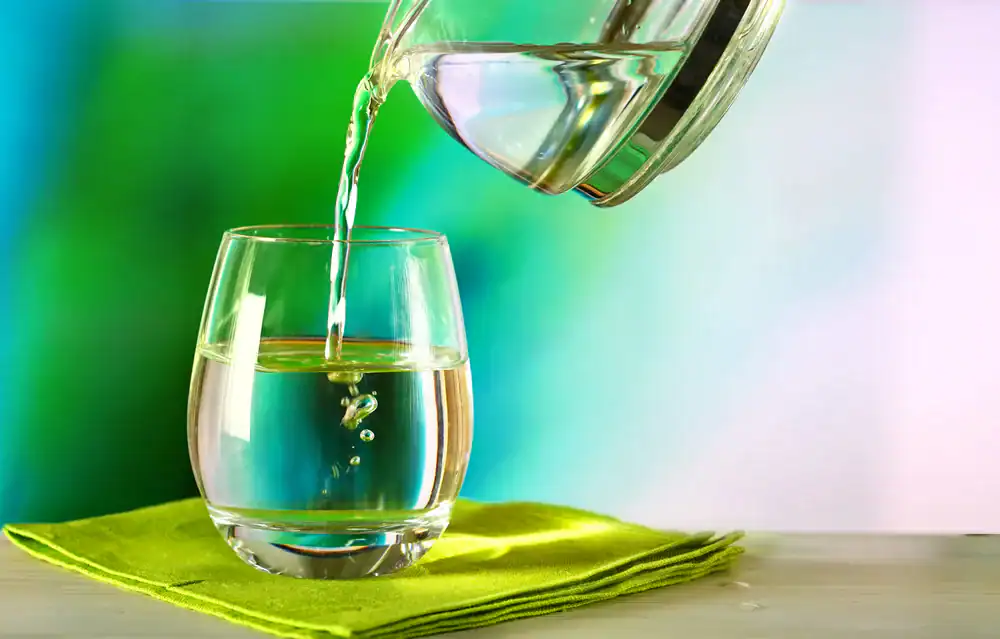
Your water heater stops working overtime. Scale buildup quits narrowing your pipes. That chalky film on your shower doors disappears.
Cedar Creek pulls water from the Floridan Aquifer, which means you’re dealing with limestone-heavy water that averages 100-180 parts per million of hardness. Those minerals stick to everything—pipe walls, heating elements, faucet aerators, valve seats. Over time, they choke water flow and force your appliances to work harder just to do their basic job.
A water softening system removes calcium and magnesium before they enter your plumbing. Your dishwasher stops leaving spots on glasses. Your soap actually lathers. Your skin doesn’t feel tight and dry after every shower. And the appliances you paid good money for? They run efficiently and last years longer than they would otherwise.
We hold an A+ rating with the Better Business Bureau and a 5-star customer rating with zero complaints. We’re members of the National Water Quality Association, and we’ve spent five decades learning exactly how Florida’s water behaves and what it takes to treat it right.
We don’t sell plumbing services or water heaters. We focus entirely on water treatment—purification, softening, and filtration systems designed specifically for Central Florida homes. That focus matters when you’re trying to solve a problem that most general contractors only deal with occasionally.
Cedar Creek homeowners face the same hard water challenges as the rest of Lake County, but your specific water chemistry determines which system works best. We test your water first, then design a system around what’s actually in it—not what we assume is there.
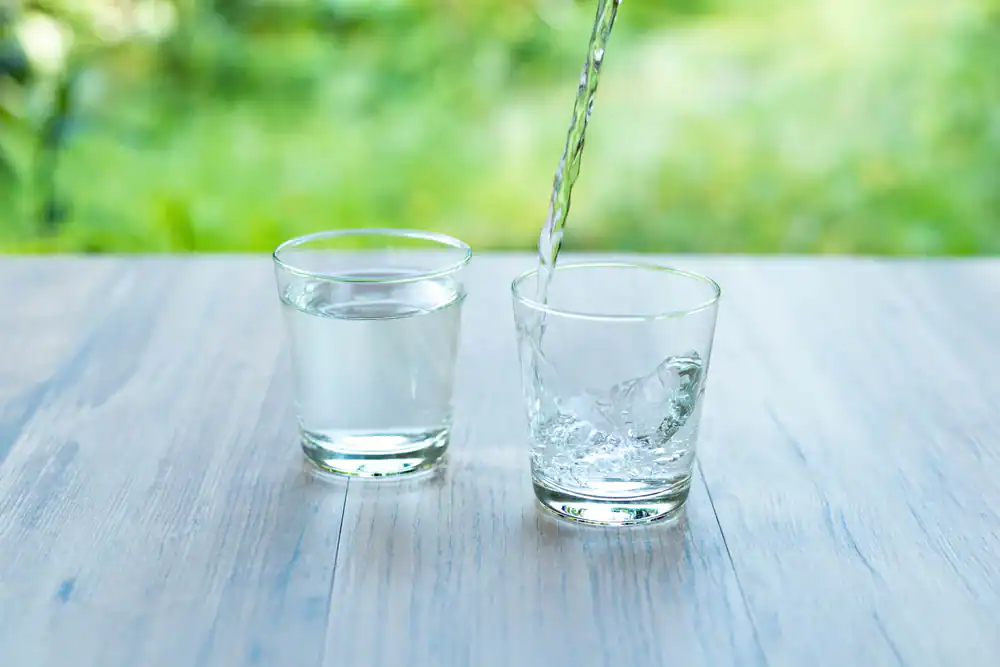
We start with a free water analysis at your Cedar Creek home. You need to know what’s in your water before you can treat it properly—hardness level, iron content, pH, total dissolved solids. We test for all of it.
Once we know what we’re working with, we design a system that matches your household size and daily water usage. A family of two doesn’t need the same capacity as a family of five. We size the system correctly so it regenerates at the right intervals and doesn’t waste salt or water.
Installation typically takes a few hours. We connect the system to your main water line so every faucet, shower, and appliance gets softened water. The system uses a process called ion exchange—hard minerals get trapped in resin beads, and sodium ions take their place. You add salt to the brine tank periodically, and the system handles the rest automatically.
After installation, you’ll notice the difference immediately. Water feels different. Soap works better. Cleaning takes less effort. And over the next few months, you’ll see your energy bills drop as your water heater stops fighting through scale buildup.

Ready to get started?
Every installation includes a custom water analysis, system design based on your actual usage, professional installation, and a walkthrough of how to maintain your system. We don’t hand you a generic unit and hope it works. We match the equipment to your water and your household.
Cedar Creek’s water hardness sits in the moderate range compared to other parts of Florida, but moderate still means enough mineral content to cause real damage over time. Your water heater’s efficiency drops by up to 30% when scale coats the heating elements. Appliances like dishwashers and washing machines wear out faster. Pipes narrow from mineral deposits, and water pressure drops throughout your house.
A properly sized water softening system prevents all of that. You’ll use about 50% less soap and detergent because soft water lathers easily. Your clothes come out of the wash softer and brighter. Dishes don’t need rewashing to remove spots. And the appliances you depend on—water heater, dishwasher, washing machine—can last 5-10 years longer than they would with untreated hard water.
We also service all major water treatment brands, not just the ones we install. If your current system needs repair or maintenance, we handle that too. And if you’re military or a first responder, we offer a $500 discount because we believe the people who serve our community deserve that recognition.

You’ll see the signs before you test anything. White crusty buildup around faucets and showerheads. Soap scum that won’t come off your shower doors no matter how hard you scrub. Dishes and glassware covered in spots even after running through the dishwasher. Laundry that feels stiff or looks faded.
Those are all symptoms of hard water. Cedar Creek gets its water from the Floridan Aquifer, which runs through limestone deposits loaded with calcium and magnesium. Most homes in this area test between 100-180 parts per million for hardness, which puts you in the “moderately hard” to “hard” range.
If you want to be sure, we’ll test your water for free. We measure hardness, iron, pH, and other factors that affect how your water behaves. That test tells us exactly what you’re dealing with and whether a water softening system makes sense for your situation. Most Cedar Creek homes benefit from one, but the test removes any guesswork.
Salt-based systems actually remove hard minerals from your water through ion exchange. The resin beads inside the tank trap calcium and magnesium, and sodium ions replace them. You get genuinely soft water that lathers easily, prevents scale buildup, and protects your appliances. You’ll need to add salt to the brine tank every few weeks, and the system regenerates periodically to clean the resin beads.
Salt-free systems don’t remove minerals—they crystallize them so they’re less likely to stick to surfaces. You still have hard water, but the minerals don’t form scale as aggressively. These systems don’t require salt or regeneration cycles, but they also don’t give you the same results. Your soap won’t lather better. Your skin won’t feel different. You’re just reducing scale formation, not eliminating the minerals that cause it.
For Florida homes dealing with moderate to high hardness levels, salt-based systems deliver better results. The minerals in Cedar Creek’s water will still cause problems with a salt-free system—just slower. If you want to actually solve hard water issues rather than just slow them down, ion exchange is the way to go.
Most whole-house water softening systems for Cedar Creek homes run between $2,500 and $6,000 installed, depending on the size of your household, your daily water usage, and the specific equipment you need. A basic system for a small home costs less than a high-capacity system for a large family.
The upfront cost matters less than what you save over time. Your water heater lasts 5-10 years longer when it’s not fighting through scale buildup. Your appliances run more efficiently and need fewer repairs. You use half as much soap and detergent. Your energy bills drop because your water heater doesn’t have to work as hard to heat water through a layer of mineral deposits.
When you add up the extended appliance lifespan, lower energy costs, and reduced cleaning product usage, most homeowners break even within a few years. After that, you’re just saving money while enjoying better water throughout your home. We’ll give you an exact price after we test your water and understand what your household needs. No guessing, no upselling—just a system sized correctly for your situation.
Most Cedar Creek homeowners add salt every 4-8 weeks, depending on household size and water usage. A family of four typically goes through 40-80 pounds of salt per month. You’ll check the brine tank periodically and add salt when it drops to about a quarter full.
The system tells you when it needs salt—you’ll see the level drop in the tank. Keep a bag or two on hand so you don’t run out. Use salt specifically designed for water softeners, not table salt or rock salt. Water softener salt dissolves cleanly and doesn’t leave residue that can clog your system.
If you’re using significantly more salt than expected, something’s wrong. Either the system is regenerating too often, you have a leak, or the system wasn’t sized correctly for your household. We can diagnose that during a service call and adjust the settings or fix whatever’s causing the problem. A properly functioning system shouldn’t eat through salt faster than normal usage patterns would predict.
No. The amount of sodium added during ion exchange is minimal—usually less than 12.5 milligrams per 8-ounce glass for moderately hard water. That’s less sodium than a slice of bread. Most people can’t taste any difference at all.
If your water tastes noticeably salty, something’s wrong with the system. The brine tank might be overfilling, the regeneration cycle might be set incorrectly, or there’s a malfunction in the control valve. Those are all fixable problems, but they’re not normal. Properly functioning water softeners don’t make your water taste salty.
If you’re on a sodium-restricted diet or you just prefer not to have any sodium added to your drinking water, you can install a reverse osmosis system at your kitchen sink. That removes the sodium along with other dissolved solids, giving you purified drinking water while the rest of your house still benefits from softened water for bathing, laundry, and appliances. We install those systems too, and they’re a common pairing with whole-house water softeners.
Please provide your email address so that we can stay in touch and answer any questions you have! We will be reaching back out shortly.
"*" indicates required fields