Reach Out Today
Please provide your email address so that we can stay in touch and answer any questions you have! We will be reaching back out shortly.

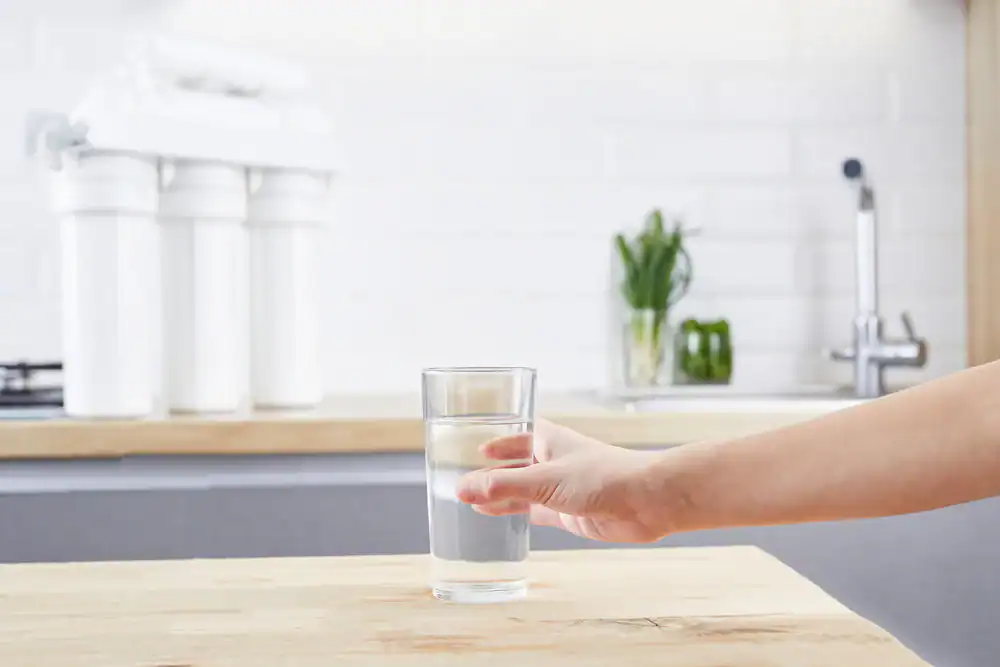
Hear from Our Customers
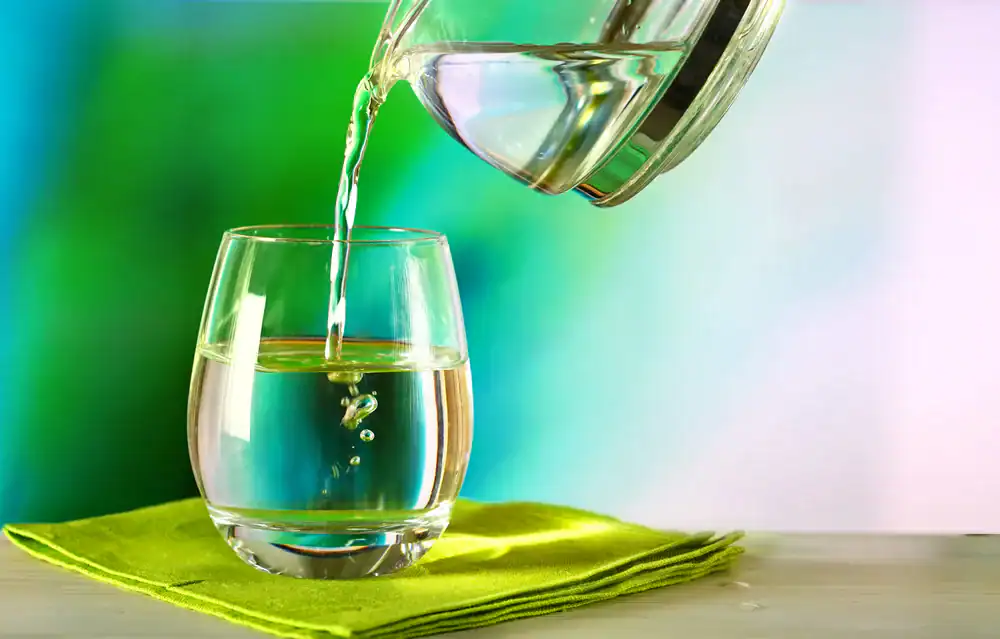
Your water heater stops dying every few years. The white crust around faucets disappears. Soap actually lathers instead of leaving that filmy residue on your skin and dishes.
Hard water in Blitchton isn’t just annoying—it’s expensive. The calcium and magnesium in your water supply create scale buildup that chokes your pipes and kills appliances early. Most homeowners don’t realize they’ve already spent thousands replacing water heaters, dishwashers, and washing machines that should’ve lasted twice as long.
A properly designed water softening system removes those minerals before they enter your home. You’ll notice the difference immediately—softer skin, cleaner dishes, better water pressure. But the real savings show up over the next decade when your appliances actually reach their expected lifespan.
If you’ve got iron in your water too, you need more than basic softening. That rust staining in your toilets and sinks won’t go away with a standard softener. You need a system that handles both hardness and iron removal, which is why water analysis matters before installation.
We have an A-rating with the Better Business Bureau and a 5-star rating with zero complaints. We’re members of the National Water Quality Association, which means we actually know what we’re doing—not just selling boxes.
Most of our Blitchton customers come to us after wasting money with companies that installed the wrong system or disappeared when service was needed. We’ve heard the same story dozens of times: a national company sold them an expensive system that never worked right, and nobody would come back to fix it.
We test your water first. Then we design a system based on your actual water chemistry and household usage—not whatever’s on sale that month. And when you need service, we show up. We service all major water treatment brands, so even if you didn’t buy from us, we can usually help.
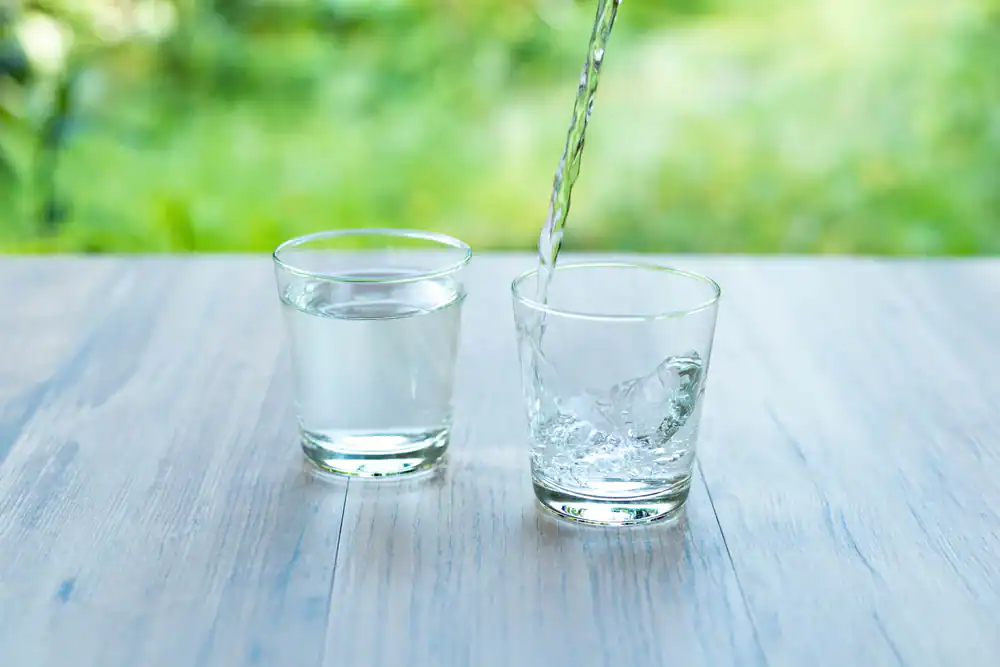
First, we test your water. Not a basic hardness test—a full analysis that shows us what we’re actually dealing with. Hardness, iron, sulfur, pH, bacteria. You can’t design the right system without knowing what’s in your water.
Then we talk about your household. How many people live there, how much water you use, what problems you’re noticing. A family of two doesn’t need the same system as a family of six. Neither does someone on well water versus city water.
We design a system specifically for your situation. Sometimes that’s a traditional salt-based softener. Sometimes it’s a combination system that handles hardness and iron. Sometimes you need filtration too if there’s sulfur or bacteria. One size doesn’t fit all, despite what the big companies tell you.
Installation typically takes a few hours. We connect the system to your main water line so every drop of water entering your home gets treated. We set it up, program it based on your water test results, and walk you through basic maintenance.
After installation, you’ll notice the difference within days. We stay available for service and questions. Most systems need minimal maintenance—salt refills for traditional softeners, occasional filter changes for combination systems.

Ready to get started?
Every installation starts with a complete water analysis. We’re testing for hardness levels, iron content, pH balance, sulfur, and bacteria. Blitchton’s water varies significantly depending on whether you’re on well water or city supply, and your specific location affects what contaminants you’re dealing with.
Our Platinum Plus systems remove calcium, magnesium, and iron—the three main culprits behind hard water damage and rust staining. If your water has that rotten egg smell, that’s sulfur, and you’ll need our Sulfur Clear system in addition to softening. If you’re dealing with bacterial iron or E.coli, the Iron Clear system handles filtration and bacteria elimination.
We also offer salt-free treatment systems for customers who want scale prevention without traditional softening. These use no electricity, waste no water, and prevent mineral buildup while maintaining the minerals in your drinking water. They’re not right for everyone, but for certain situations, they’re the better choice.
Installation includes the system itself, professional setup, programming based on your water test, and a walkthrough of basic operation. We service what we sell, and we service other brands too. When something needs attention, we’re available—not disappeared like the national companies that sold systems and vanished.

Look at your faucets and showerheads. If you see white, crusty buildup, that’s calcium and magnesium—hard water minerals. Check your water heater’s age. If you’re replacing water heaters every 5-6 years instead of 10-12, hard water is killing them early.
Other signs: soap doesn’t lather well, you’ve got a filmy residue on dishes after washing, your skin feels dry and itchy after showering, or your water pressure has decreased over time. That last one happens because scale builds up inside your pipes and restricts flow.
The most reliable way to know is testing your water. Hardness is measured in grains per gallon (GPG). Anything over 7 GPG is considered hard. Most of Blitchton’s well water tests between 10-20 GPG, which is hard enough to cause real damage over time. City water is usually better but still often needs softening.
If you’re seeing rust stains in your toilets or sinks, that’s iron, not just hardness. You’ll need a system that handles both. A basic softener won’t remove enough iron to stop the staining.
Salt-based systems actually remove calcium and magnesium from your water through ion exchange. The minerals stick to resin beads inside the tank, and salt brine washes them away during regeneration. This is true water softening—you’re physically removing the minerals that cause hardness.
Salt-free systems don’t remove minerals. They change the structure of the minerals so they don’t stick to surfaces and form scale. Your water still contains calcium and magnesium, but they won’t build up in your pipes and appliances. Some people prefer this because they want to keep the minerals for drinking water.
The trade-off: salt-based systems give you that slippery, soft water feel and completely eliminate scale. But they require salt refills and use some water during regeneration. Salt-free systems need no salt, no electricity, and waste no water—but they don’t give you soft water, just scale prevention.
For Blitchton homeowners with very hard water or iron issues, salt-based systems usually work better. Salt-free systems work well for moderate hardness when you mainly want to protect appliances and don’t care about the soft water feel. We test your water and recommend what actually makes sense for your situation.
Installation costs vary based on what your water needs. A basic softener for moderate hardness runs differently than a combination system handling hardness, iron, and sulfur. We design systems based on your water test results, not a standard price list.
What affects cost: your water’s hardness level, whether you have iron or sulfur, your household size and water usage, and whether you’re on well or city water. A family of six needs more capacity than a couple. Well water usually requires more treatment than city water.
Maintenance costs are straightforward. Salt-based systems need salt—usually one or two bags per month depending on your water usage and hardness level. That’s about $10-20 monthly. Some systems need filter changes once or twice a year, which run $50-150 depending on the filter type.
The real cost comparison is this: keep replacing appliances every few years, or invest in a system that protects everything. Most Blitchton homeowners who install proper water treatment save money within 3-5 years just from extended appliance life. Your water heater alone costs $1,200-2,000 to replace. If a softener adds five years to its life, you’ve already covered a big chunk of the system cost.
Yes. We service all major water treatment brands, even if you didn’t buy the system from us. Most of our service calls are from homeowners who bought from national companies that won’t come back for repairs.
Common problems we fix: systems that aren’t regenerating properly, salt bridges blocking the brine tank, resin bed failure, valve issues, and incorrect programming. Sometimes the system is fine but was installed wrong or programmed for the wrong water hardness.
Here’s what usually happened: a big company sold you a system, installed it quickly, and disappeared. Now it’s not working right and nobody will service it. Or they want to sell you a whole new system instead of fixing what you have. We’ve saved customers thousands by repairing systems that other companies claimed were “too old” or “unfixable.”
Bring us your water test results if you have them, or we’ll test your water again. Sometimes the system is working fine but your water chemistry changed and it needs reprogramming. Sometimes you have the wrong system for your water type. We’ll tell you honestly whether it’s worth repairing or if you genuinely need a replacement.
A quality water softener system should last 15-20 years with proper maintenance. The tank and control valve are built to last decades. The resin bed inside typically needs replacement every 10-15 years depending on your water chemistry and usage.
What kills systems early: incorrect installation, wrong system for the water type, no maintenance, or cheap equipment that wasn’t built to last. If you bought the cheapest system available or let a company install whatever they had in stock without testing your water, you’ll have problems sooner.
Iron is the biggest resin killer. If your water has high iron and you’re running it through a standard softener not designed for iron removal, you’ll foul the resin bed within a few years. That’s why water testing matters before choosing a system.
Salt-free systems have even longer lifespans since there are fewer moving parts and no resin bed to replace. The media inside typically lasts 5-7 years, then needs replacement. But the system itself can run 20+ years.
Regular maintenance extends life significantly. Keep salt levels adequate, break up salt bridges when they form, and clean the brine tank annually. If you’re not sure how to maintain your system, we can handle it or show you what to do.
Please provide your email address so that we can stay in touch and answer any questions you have! We will be reaching back out shortly.
"*" indicates required fields