Reach Out Today
Please provide your email address so that we can stay in touch and answer any questions you have! We will be reaching back out shortly.

Hear from Our Customers
Your water heater stops working as hard. Scale quits building up inside the tank, which means it heats faster and lasts years longer. Same goes for your dishwasher, washing machine, and every pipe in the house.
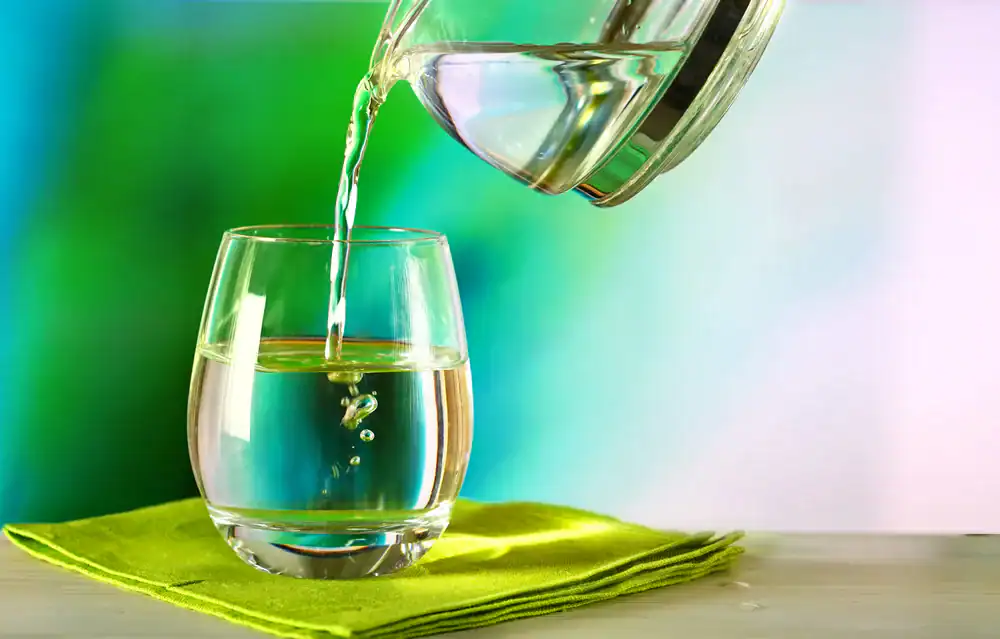
You’ll see it on your dishes first. No more cloudy film or spots that won’t wipe off. Your glasses come out clear. Your faucets stay cleaner without constant scrubbing.
Your skin and hair feel different too. Soap rinses clean instead of leaving that sticky residue hard water creates. You use less shampoo, less body wash, and your skin doesn’t feel tight after a shower.
The bigger shift happens over time. Fewer service calls. Fewer replacements. Less money spent fixing problems that hard water caused in the first place. A water softening system handles the problem at the source, so everything downstream just works better.
We’ve been doing water treatment in Central and North Florida for over 50 years. That’s enough time to know that one-size-fits-all systems don’t work. Your water isn’t the same as your neighbor’s, and your household uses water differently than the house down the street.
We start with a free water analysis at your home in Arlington Manor. We test what’s actually in your water, talk through how many people live there and how you use water daily, then design a system around that. No guessing. No overselling.
We’re members of the National Water Quality Association and hold an A+ rating with the Better Business Bureau with zero complaints. We service what we install, which matters more than most people realize until they need help. If you’re military or a first responder, we offer a $500 discount because that’s just the right thing to do.
We come to your home and test your water. This isn’t a sales call. We’re checking hardness levels, measuring what’s actually in your water, and asking questions about your household. How many people live here? Do you have specific issues with appliances or skin irritation? What matters to you?
Once we know what we’re dealing with, we design a system. Sometimes that’s a traditional salt-based softener. Sometimes it’s a salt-free option that prevents scale without adding sodium. Sometimes it’s a whole-house system that handles softening and filtration together. It depends entirely on what your water test shows and what you need.
Installation happens on a day that works for you. We connect the system to your main water line so every faucet, shower, and appliance gets treated water. We walk you through how it works, what maintenance looks like, and how to reach us if something comes up.
After that, we’re available. Not just for emergencies, but for routine service, filter changes, or questions. We work on all brands, so even if you didn’t buy from us, we can help if your current system needs repair.

Ready to get started?
Every water softening system we install starts with that free water analysis. We’re not showing up with a pre-built solution. We’re testing your specific water because Arlington Manor sits in an area of Florida where water quality varies more than people expect. Some homes deal with high mineral content. Others have iron or sulfur issues on top of hardness.
You get a system sized and configured for your household. That means matching capacity to your daily water usage, not just installing whatever’s on the truck. If you have four people and do laundry daily, your system needs to handle that without running out of soft water by evening.
We also talk through your options. Traditional ion-exchange softeners work well for most homes and remove hardness by swapping calcium and magnesium for sodium. If you’re watching sodium intake or prefer an eco-friendly approach, we offer salt-free conditioners that prevent scale buildup without adding anything to your water or using electricity.
Installation includes connecting to your main line, setting up drainage, programming the system, and testing everything before we leave. We also cover what maintenance looks like. Most systems need salt refills or occasional filter changes depending on the type. We handle that, or we show you how if you’d rather manage it yourself.

Look at your faucets and showerheads. If you see white, chalky buildup that’s hard to scrub off, that’s scale from hard water. Check your dishes after they’ve been through the dishwasher. Cloudy glasses and spotted silverware are another giveaway.
Hard water also affects how soap works. If your soap doesn’t lather well or leaves a film on your skin, that’s the minerals interfering. Your water heater might be struggling too. If it’s taking longer to heat water or making strange noises, scale could be building up inside the tank.
The most reliable way to know is testing. We do that for free at your home. We measure the mineral content in grains per gallon. Anything above 7 grains is considered hard. Most homes in Arlington Manor test higher than that. Once we know your levels, we can tell you whether a softener makes sense or if your water’s fine as-is.
Salt-based systems actually remove hardness minerals from your water. They use a process called ion exchange, swapping calcium and magnesium for sodium. Your water comes out softer, soap lathers better, and you won’t get scale buildup. These systems need salt refills and use a small amount of water for regeneration cycles.
Salt-free systems don’t remove minerals. They change the structure so the minerals don’t stick to surfaces and form scale. Your water still has hardness in it, but it won’t damage your pipes or appliances the same way. These systems don’t need salt, don’t use electricity, and don’t waste any water.
Which one’s better depends on what you’re dealing with. If you have very hard water or existing scale problems, salt-based systems work faster and more completely. If your water’s moderately hard and you want a low-maintenance option, salt-free can work well. We test your water first, then recommend what actually fits your situation instead of pushing one type over the other.
Installation cost depends on what system your home needs and how your plumbing’s set up. A basic salt-based softener for an average household typically runs between $1,500 and $3,000 installed. Whole-house systems that include filtration along with softening cost more, usually $3,000 to $5,000, because they’re handling more than just hardness.
Salt-free systems often fall somewhere in the middle. They cost less to maintain over time since there’s no salt to buy and no electricity used, but the upfront price is comparable to traditional softeners.
Maintenance costs are pretty straightforward. Salt-based systems need salt, which runs about $5 to $10 per bag depending on the type. Most households use one to two bags per month. You might need a resin cleaning treatment once a year, which costs around $20. Salt-free systems typically need a media replacement every few years, which runs a few hundred dollars but doesn’t require monthly purchases.
We also offer service plans if you’d rather not think about maintenance. We come out, check everything, and handle whatever’s needed. Military and first responders get $500 off installation, which makes a real difference.
Not usually, but it depends on how hard your water is to start with. Salt-based softeners add a small amount of sodium when they remove hardness minerals. For most people, it’s not enough to taste. If your water’s extremely hard, you might notice a slight difference at first, but most people adjust quickly.
The sodium level stays pretty low. If your water tests at 10 grains of hardness, the softener adds about 80 milligrams of sodium per 8-ounce glass. That’s less than what’s in a slice of bread. People on strict low-sodium diets sometimes want a separate tap for drinking water that bypasses the softener, which is easy to set up.
Salt-free systems don’t add anything to your water, so taste doesn’t change at all. They just prevent minerals from sticking to surfaces. If taste is a concern, we can also add a drinking water filtration system under your kitchen sink. That removes any taste or odor issues while still giving you the benefits of soft water throughout the rest of the house. We talk through all of this during the water analysis so you know exactly what to expect.
A well-maintained water softening system typically lasts 15 to 20 years. Some go longer if the water quality’s consistent and the system’s serviced regularly. The resin tank, which does the actual softening, can last the full lifespan if you treat it right. The control valve and other mechanical parts might need replacement sooner, usually around the 10-year mark.
What kills systems early is neglect. If you let a salt-based softener run without salt, the resin bed can get damaged. If you don’t clean it periodically, iron and other minerals can foul the resin. Salt-free systems need their media replaced on schedule, or they stop preventing scale effectively.
We’ve saved customers thousands by repairing or upgrading parts instead of replacing entire systems. Sometimes a $300 control valve replacement buys you another five years. Other times the system’s too far gone and replacement makes more sense. We’ll tell you honestly which situation you’re in.
Regular service helps. We check resin condition, test water quality, clean components, and catch small problems before they become expensive ones. Most of our customers get 18 to 20 years out of their systems because we’re maintaining them correctly from the start.
Please provide your email address so that we can stay in touch and answer any questions you have! We will be reaching back out shortly.
"*" indicates required fields