Reach Out Today
Please provide your email address so that we can stay in touch and answer any questions you have! We will be reaching back out shortly.

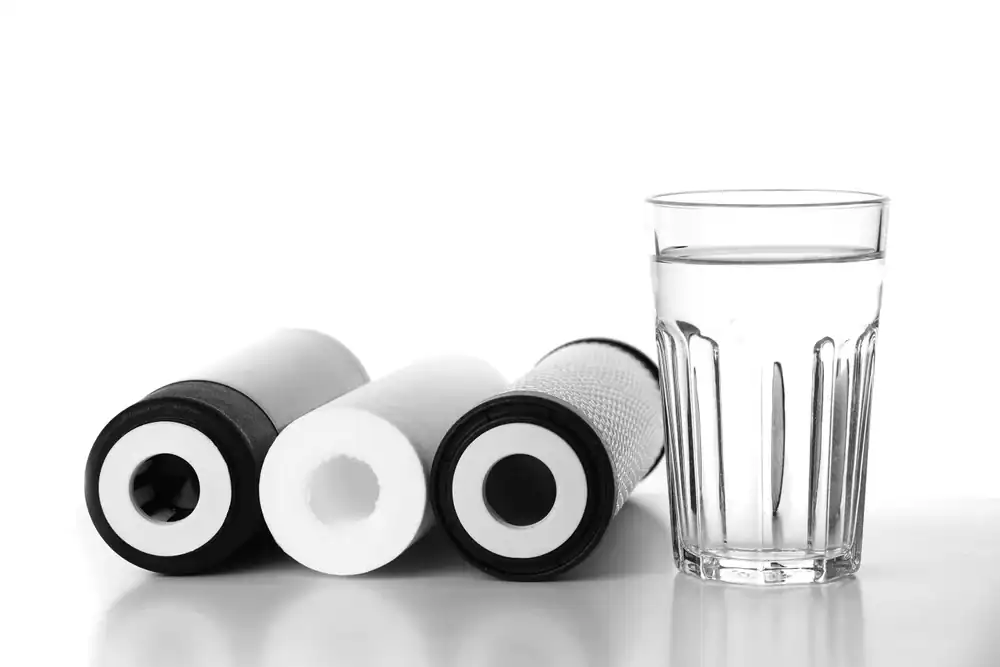
Hear from Our Customers
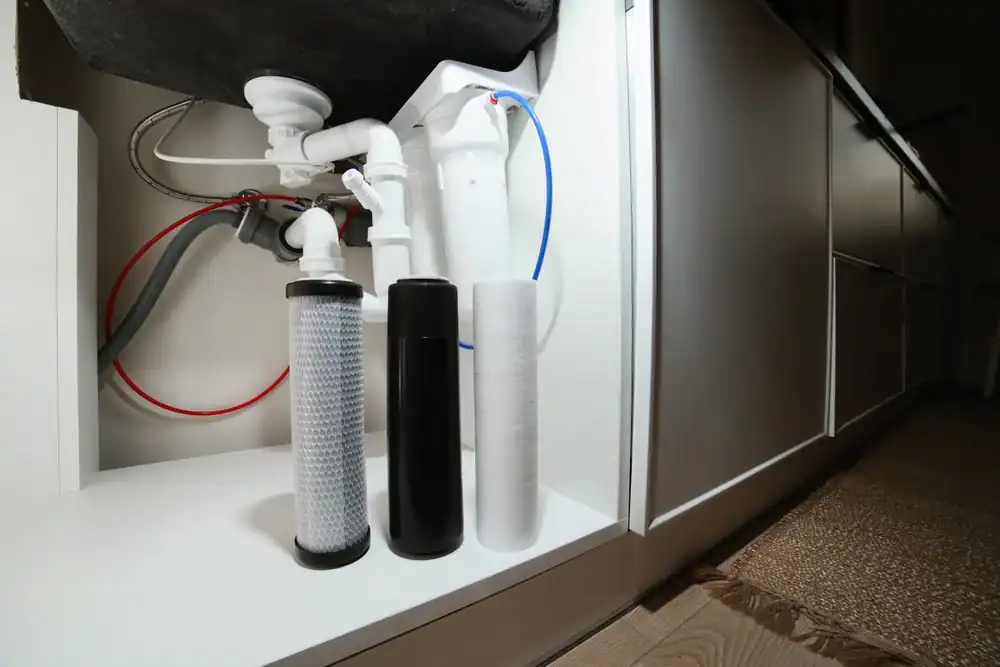
No more orange rings around your toilet that won’t scrub off. No more rotten egg smell when someone turns on the shower. No more wondering if your water heater is quietly corroding from the inside out.
When your well water is treated correctly, your fixtures stay clean. Your laundry comes out white, not rust-colored. Your appliances last years longer because they’re not fighting iron sediment and sulfur bacteria every single day.
You stop buying bottled water. You stop apologizing for the smell. You stop replacing parts that shouldn’t have failed yet. The water just works—the way it should have from the beginning.
That’s what happens when a filtration system is actually designed for Florida’s geology, not just dropped in and hoped for the best.
We’ve been solving well water problems in Zellwood and Lake County for years. We’re A-rated by the Better Business Bureau with a 5-star rating and zero complaints. We’re members of the National Water Quality Association, which means we stay current on treatment methods, contaminant research, and equipment standards.
We don’t sell plumbing or water heaters. We focus entirely on water treatment—whole-house purification, iron removal systems, hydrogen peroxide injection, air injection oxidation, and bacteria disinfection. That specialization matters when you’re dealing with Florida’s limestone aquifer and the sulfur, iron, and bacteria issues that come with it.
We also service what we sell. That’s not a given in this industry, but it should be. When something needs attention, we’re the ones who show up.
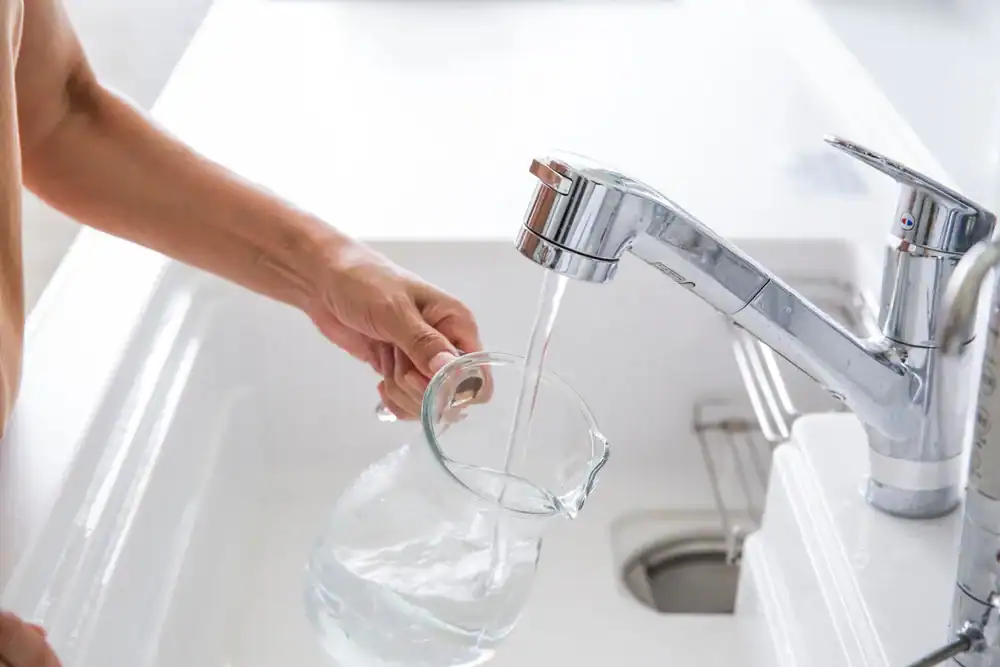
First, we test your water. Not a basic hardness test—a full analysis that tells us what contaminants are present and at what levels. Iron, sulfur, manganese, bacteria, pH, hardness. We need the real numbers to design a system that actually works.
Once we know what we’re dealing with, we engineer a solution specific to your well. If you’ve got high iron and sulfur bacteria, we might use hydrogen peroxide injection with catalytic carbon filtration. If it’s hydrogen sulfide gas causing that rotten egg smell, an air injection oxidation system can handle up to 8 PPM of sulfide without chemicals or maintenance.
We install the system at your point of entry so every faucet, every shower, every appliance gets treated water. The control valve is fully automated—it backwashes daily to remove contaminants and keeps itself clean. You don’t have to think about it.
After installation, the system runs on its own. If you’re using hydrogen peroxide injection, you’ll need to refill the peroxide tank about once a year. That’s it. No constant filter changes, no chemical additives, no babysitting.
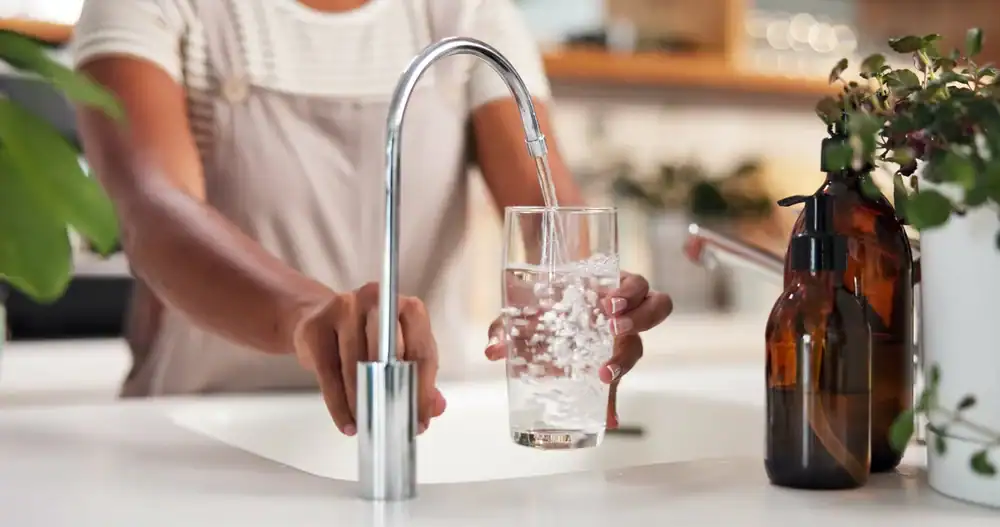
Ready to get started?
Every system we install is custom-designed based on your water test results. That means the equipment, the sizing, the treatment method—it’s all specific to your well, your flow rate, and your contaminant levels.
For iron removal, we use hydrogen peroxide injection or air injection oxidation depending on whether bacteria are present. Hydrogen peroxide works even with iron bacteria, which is critical in Zellwood where 10% of wells have bacterial contamination. It oxidizes the iron, the bacteria, and any sulfur compounds without leaving chemical residues—just oxygen and water.
For sulfur and that unmistakable rotten egg odor, hydrogen peroxide injection paired with catalytic carbon is the most effective method available. It works faster than chlorine, doesn’t produce chemical byproducts, and handles sulfur-reducing bacteria that thrive in Florida’s limestone aquifer.
All of our systems include automated electronic control valves with daily backwash cycles. The system cleans itself, removes accumulated contaminants, and resets without any input from you. If we’re installing a proportional injection system, it comes with a full 5-year warranty. We also offer a $500 discount for military members and first responders.

That smell is hydrogen sulfide gas, and it’s common in Zellwood because of the limestone geology underneath Lake County. Limestone is loaded with sulfur compounds, and when sulfur-reducing bacteria get into your groundwater, they convert those compounds into hydrogen sulfide gas.
The bacteria thrive in low-oxygen environments like private wells, especially if your well has been sitting unused or if there’s organic material in the aquifer. The gas dissolves into your water, and when you turn on a faucet, it releases into the air. It’s not usually a health risk at low levels, but it’s unmistakable and embarrassing.
The fix isn’t a carbon filter or a water softener. You need oxidation—either through air injection or hydrogen peroxide injection—to convert the gas into a solid form that can be filtered out. Hydrogen peroxide is faster and handles bacteria at the same time, which is why it’s the preferred method for wells with ongoing sulfur issues.
Not effectively. A standard water softener can handle trace amounts of dissolved iron—maybe 0.3 PPM or less—but most wells in Zellwood have much higher levels. Once iron oxidizes and turns into rust particles, a softener can’t remove it. You’ll end up with iron fouling the resin bed, reducing the softener’s efficiency, and still seeing stains on your fixtures.
Iron removal requires oxidation first. You need to convert dissolved iron into a solid form, then filter it out before it reaches your softener or your plumbing. That’s what air injection oxidation systems and hydrogen peroxide injection systems do—they oxidize the iron so it can be trapped in a filter media and backwashed out of the system.
If you’ve also got iron bacteria in your well, hydrogen peroxide is the better choice because it kills the bacteria while oxidizing the iron. Iron bacteria create a slimy biofilm that clogs pipes, damages water conditioners, and makes staining worse. A softener alone won’t touch it.
It depends entirely on what’s in your water and what treatment method you need. A basic air injection oxidation system for moderate iron and sulfur might run differently than a hydrogen peroxide injection system with catalytic carbon filtration for high iron, bacteria, and sulfur.
The upfront cost is higher than a basic softener, but the long-term cost is lower because these systems require very little maintenance. Air injection systems have no ongoing chemical costs—they use air. Hydrogen peroxide systems only require an annual peroxide refill, which is inexpensive compared to constant filter replacements or service calls.
Compare that to replacing a water heater two to three years early because iron sediment destroyed it. Or replacing a washing machine because iron bacteria clogged the valves. Or scrubbing rust stains off everything in your house for years. The system pays for itself by protecting the expensive equipment you already own.
We don’t give quotes over the phone because one size does not fit all. We test your water first, then design a system that actually solves your specific problem.
Both oxidize contaminants, but hydrogen peroxide is faster, cleaner, and more effective for Florida well water. Chlorine works, but it leaves chemical residues, requires a contact tank for dwell time, and produces byproducts that need additional filtration. It also doesn’t handle iron bacteria as effectively.
Hydrogen peroxide decomposes into oxygen and water—that’s it. No chemical taste, no residual disinfectant, no byproducts. It oxidizes iron, sulfur, and manganese while killing bacteria at the same time. When paired with catalytic carbon filtration, it’s widely considered the best method for eliminating rotten egg odor and iron bacteria.
The injection is proportional, meaning the system doses based on water flow. You’re not over-treating or under-treating. The peroxide does its job in seconds, and by the time water reaches your faucet, it’s completely broken down. You’re left with clean, odor-free water and nothing else.
Chlorine systems are cheaper upfront, but hydrogen peroxide systems perform better in the long run, especially when bacteria are involved. For Zellwood wells with sulfur and iron bacteria, peroxide is the right call.
If it’s designed correctly, almost never. Air injection oxidation systems are completely automatic with no maintenance required. The system backwashes itself daily, flushing out trapped iron, sulfur, and manganese. There are no chemicals to refill, no filters to replace, no service calls unless something breaks—which is rare.
Hydrogen peroxide injection systems require one thing: refilling the peroxide tank about once a year. That’s the only ongoing cost. The rest of the system is automated with electronic controls that handle backwashing, regeneration, and dosing without any input from you.
Compare that to cartridge filter systems that need new filters every few months, or UV systems that need annual bulb replacements, or softeners that need salt every few weeks. Whole-house oxidation systems are set-it-and-forget-it by design.
We also service what we install. If something does need attention, we’re the ones who come out. That’s not standard in this industry, but it should be.
Please provide your email address so that we can stay in touch and answer any questions you have! We will be reaching back out shortly.
"*" indicates required fields