Reach Out Today
Please provide your email address so that we can stay in touch and answer any questions you have! We will be reaching back out shortly.

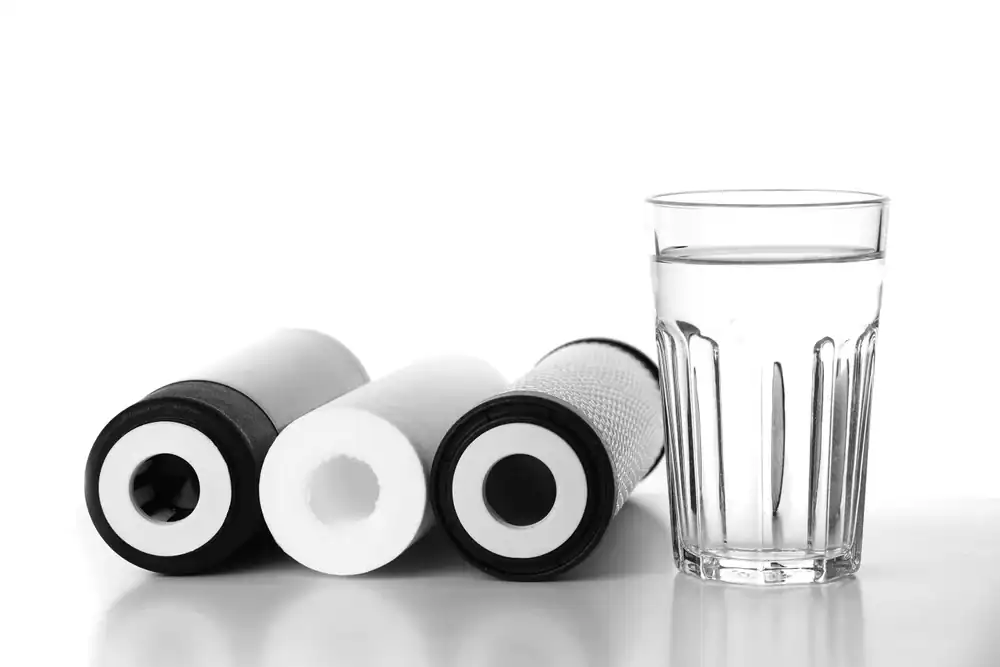
Hear from Our Customers
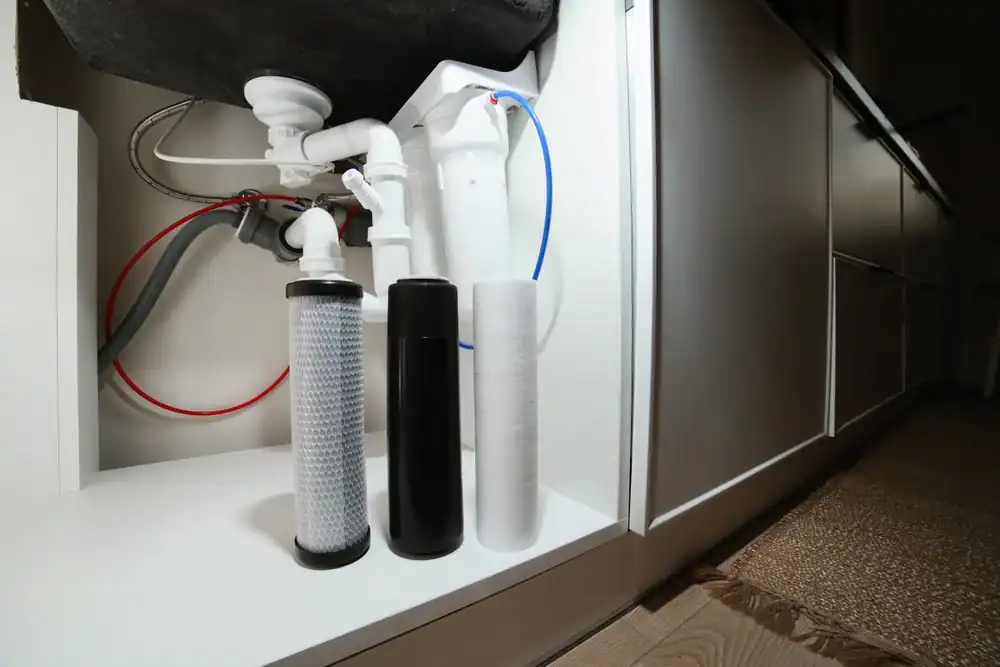
You stop scrubbing orange rings off your toilets every week. Your water heater lasts years longer because it’s not fighting mineral buildup. Guests don’t wrinkle their nose when they turn on your tap.
That’s what proper well water filtration does. It removes the iron that stains everything it touches. It eliminates the hydrogen sulfide that makes your water smell like rotten eggs. It stops bacteria before it corrodes your pipes or makes someone sick.
Your appliances run cleaner. Your laundry comes out without rust stains. You’re not replacing fixtures or buying bottled water because you can’t stand what comes out of your faucet. The water in your Woodmere home just works the way it should have from the start.
We have an A-rating with the Better Business Bureau and zero complaints. That matters because plenty of companies will install a system and disappear when you need service.
We’re members of the National Water Quality Association, which means we actually know how to engineer systems for Central Florida’s specific geology. Woodmere sits on the same limestone-rich Floridan aquifer that causes predictable problems: iron bacteria, sulfur compounds, and mineral hardness around 180 ppm. We’ve solved these exact issues in thousands of homes across Lake County and surrounding areas.
We also offer a $500 discount to military members and first responders, and we support the Tunnels to Towers Foundation because some things matter more than profit margins.
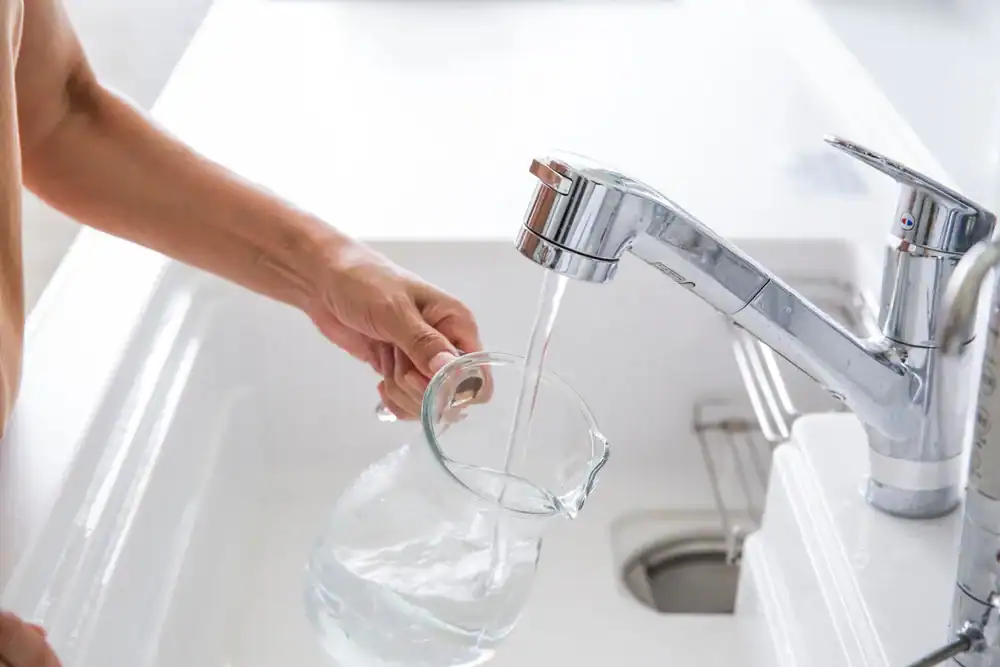
First, we test your water. Not a basic hardness test, but a full analysis that shows exactly what’s in your well. Iron levels, sulfur content, bacteria presence, pH balance, mineral composition. You can’t fix what you don’t measure.
Then we design a system based on your actual water chemistry and household usage. If you’ve got hydrogen sulfide, we might use air injection oxidation to convert it to sulfur particles that get filtered out. For iron bacteria, hydrogen peroxide injection kills it without harsh chemicals. High iron content gets handled with specialized filtration media that doesn’t just mask the problem.
The installation is whole-house, meaning every faucet and appliance gets treated water. We’re not talking about a filter pitcher or an under-sink unit that only covers your kitchen. We’re treating the water before it enters your home’s plumbing system.
After installation, the system runs with minimal maintenance. Modern AIO systems are set-and-forget technology. We schedule routine service, stock parts locally, and actually answer the phone when you call. That’s the part most companies skip.
Ready to get started?
You get a system engineered for your specific water problems, not a one-size-fits-all box. That includes the right filtration media, properly sized tanks, and technology that matches your water chemistry. If you need iron removal systems combined with bacteria disinfection, that’s what gets installed.
The equipment itself is built to last 15 to 20 years with proper maintenance. Compare that to cheap systems that fail in 5 to 7 years, and you’re looking at real value. Your water heater alone will last years longer without fighting mineral deposits, and your energy bills drop because appliances run more efficiently.
Woodmere’s water comes from deep wells that pull from the Floridan aquifer, which means you’re dealing with dissolved minerals and gases that surface water doesn’t have. Iron, sulfur, and calcium are constants here. Your system needs to handle that reality, not some generic water profile from a different state.
You also get ongoing service from people who know your system. We can service any major brand, but more importantly, we’re here when something needs attention. That matters more than the fanciest equipment if nobody’s around to maintain it.

Your nose and eyes will tell you before any test does. If your water smells like rotten eggs, that’s hydrogen sulfide gas. If you see orange or brown stains on fixtures, that’s iron. If there’s a metallic taste or your water looks cloudy, you’ve got dissolved minerals or bacteria.
But those are just the obvious signs. Some contaminants don’t announce themselves with smell or color. Bacteria can be present without any odor. Nitrates are invisible but dangerous, especially for young children and pregnant women. That’s why testing is the only way to know what you’re actually dealing with.
The EPA doesn’t regulate private wells, which means you’re responsible for monitoring your own water quality. Most Woodmere homeowners should test annually at minimum, or immediately if you notice any changes in taste, smell, or appearance. A full water analysis costs less than a month of bottled water and tells you exactly what treatment you need.
Water softeners remove hardness minerals like calcium and magnesium that cause scale buildup. That’s useful, but it doesn’t touch iron, sulfur, bacteria, or other contaminants common in Woodmere well water.
Well water filtration systems address the full range of problems. Air injection oxidation removes sulfur and iron. Hydrogen peroxide injection kills bacteria. Specialized media filters out sediment and dissolved metals. You might need softening as part of your system, but it’s rarely the complete solution.
Think of it this way: softening makes your water gentler on pipes and appliances. Filtration makes it safe and clean. Most Woodmere homes need both because the aquifer here delivers hard water with high mineral content plus iron and sulfur. A proper whole-house system handles all of it in the right sequence, treating each problem with the right technology instead of hoping one solution fixes everything.
A quality whole-house system typically runs between $3,000 and $8,000 depending on your water chemistry and household size. That’s not a small investment, but compare it to the alternative costs.
Replacing a water heater early because of mineral buildup costs $1,200 to $2,000. A corroded pipe repair runs $500 to $3,000. Appliances that fail prematurely add up fast. Then there’s the ongoing cost of bottled water, extra cleaning products, and stained fixtures you keep replacing. Most homeowners spend more trying to work around bad water than they would fixing it properly.
The cheaper systems you’ll find online or at big box stores usually fail within 5 to 7 years. Quality equipment lasts 15 to 20 years with basic maintenance. That’s the difference between replacing your system three times or once. We’re not the cheapest option in Woodmere, and that’s intentional. You’re paying for equipment that works and service that’s actually there when you need it. The companies selling cheap systems often don’t answer the phone after installation.
Yes, but only with the right disinfection technology. Basic filters won’t kill bacteria. You need either UV sterilization, hydrogen peroxide injection, or chlorination to actually disinfect well water.
UV systems use ultraviolet light to destroy bacteria and viruses as water passes through. They’re effective and chemical-free, but they require clear water to work properly. If you have iron or sediment, those need to be filtered out first or they’ll block the UV light.
Hydrogen peroxide injection is what we typically recommend for Woodmere wells with bacteria issues. It kills bacteria, oxidizes iron and sulfur, and breaks down into just water and oxygen. No harsh chemical taste, no byproducts to worry about. The system injects a small amount of peroxide, lets it work, then filters out what it oxidized.
The key is testing your water first to confirm bacteria is actually present and identify what type. Coliform bacteria, E. coli, and iron bacteria all require slightly different approaches. Once you know what you’re dealing with, the right disinfection system makes your well water completely safe to drink.
Most modern systems need attention once or twice a year, depending on your water quality and usage. That usually means checking filter media, cleaning injectors, and testing system performance. It’s not complicated, but it needs to happen.
Air injection oxidation systems are the lowest maintenance option. They use your well water’s natural oxygen to oxidize iron and sulfur, so there are no chemicals to refill. You might need to backwash the system or replace media every few years, but day-to-day operation is automatic.
Systems with hydrogen peroxide injection need the peroxide tank refilled periodically, usually every few months depending on water usage. UV systems need the bulb replaced annually because UV output decreases over time even if the bulb still lights up.
The bigger issue is what happens when you skip maintenance. Media gets fouled and stops filtering effectively. Injectors clog and don’t dose properly. Small problems become expensive repairs. We schedule routine service for our Woodmere customers and stock parts locally, so a maintenance visit doesn’t turn into a week without treated water. Most companies that install systems don’t offer ongoing service, which is why you see so many homeowners dealing with equipment that stopped working years ago.
Please provide your email address so that we can stay in touch and answer any questions you have! We will be reaching back out shortly.
"*" indicates required fields
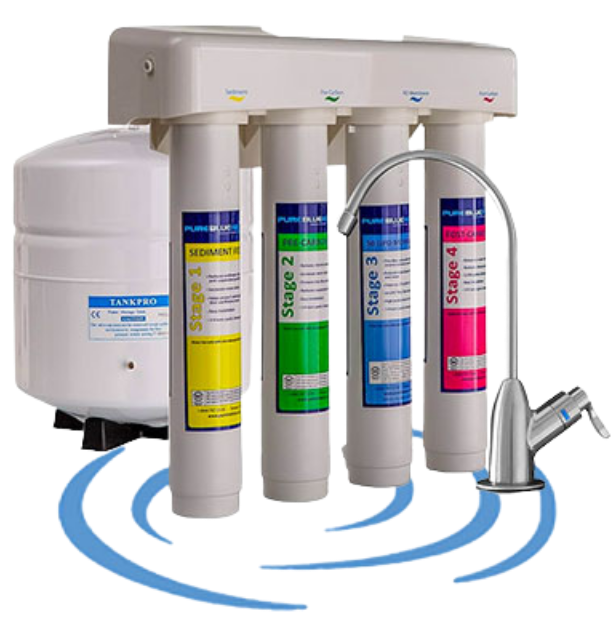
Get a free reverse osmosis drinking water system with the purchase of any whole-home water purification system.
*Cannot be combined with other offers. Mention this special when you call.