Reach Out Today
Please provide your email address so that we can stay in touch and answer any questions you have! We will be reaching back out shortly.

Hear from Our Customers
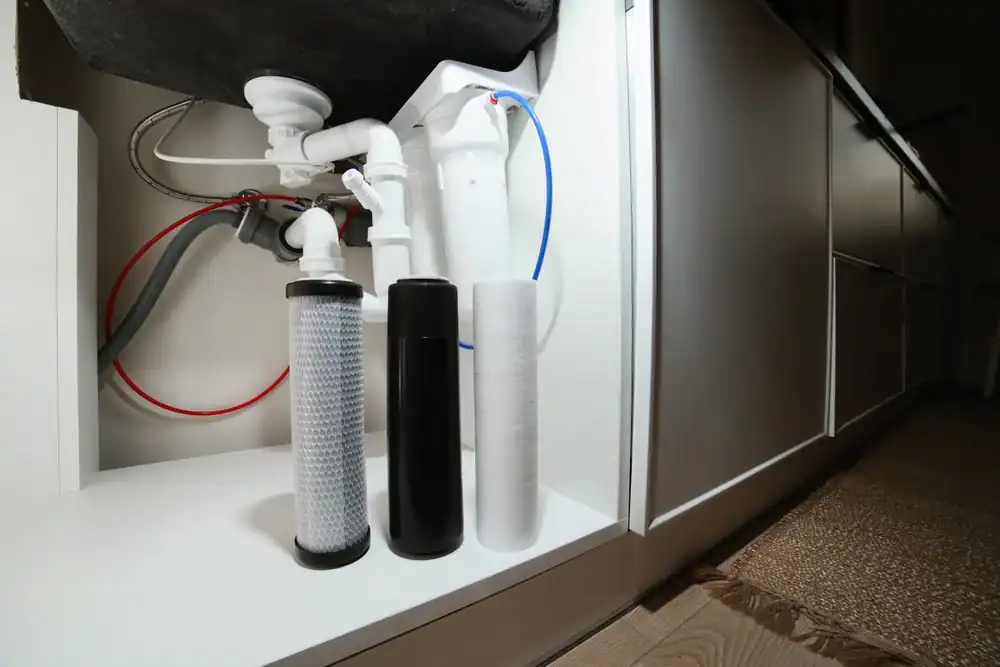
Your water heater stops dying every few years. The orange streaks in your sinks and toilets disappear. Guests stop asking about the smell when they turn on the tap.
That’s what happens when iron, sulfur, and bacteria are actually removed from your well water, not just masked. You’re not buying bottled water by the case anymore. Your appliances last longer because they’re not getting destroyed by mineral buildup and corrosion from the inside out.
And you stop wondering whether the water your kids are drinking is safe. Florida’s geology creates specific problems for well water, especially in Central Florida where limestone and sulfur deposits are everywhere. The water coming out of your well is your responsibility, and most homeowners in Whitehouse, FL are dealing with the same issues: iron staining, hydrogen sulfide odor, and the bacteria that thrives in these conditions.
We focus exclusively on water treatment, which means we’re not trying to sell you plumbing services or water heaters on the side. We’re members of the National Water Quality Association and maintain an A+ Better Business Bureau rating with a 5-star customer rating and zero complaints.
That matters because you’re going to see a lot of companies advertising water treatment in Florida. Some of them have terrible reputations for selling systems and then disappearing when you need service. We don’t operate that way.
We also support military families and first responders through our partnership with the Tunnels to Towers Foundation, and we offer a $500 discount to anyone who’s served. If you’re in Whitehouse, FL or anywhere in Lake County, you’re dealing with well water that’s affected by the same geological conditions that create problems across Central Florida. We’ve been treating these exact issues for years.
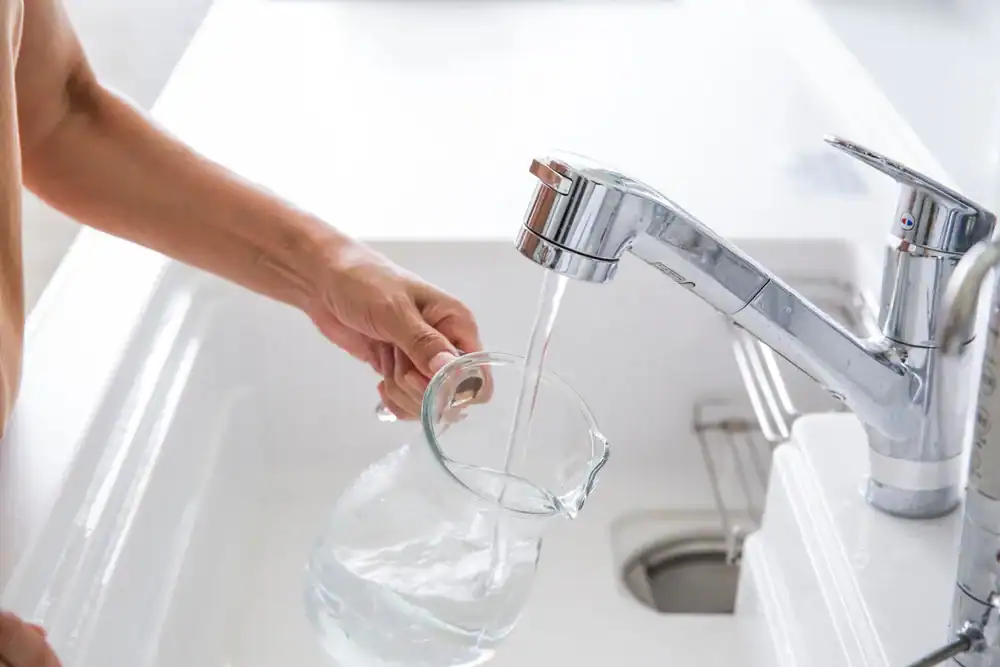
First, we test your water. Not a generic test, but one that tells us exactly what’s in your well water and at what levels. That determines which treatment method actually works for your situation.
If you’ve got iron, we’re likely using an air injection oxidation system or hydrogen peroxide injection to convert dissolved iron into solid particles that can be filtered out. If it’s hydrogen sulfide causing that sulfur smell, we’re treating it at the source with oxidation before it ever reaches your taps. Bacteria gets handled with disinfection systems designed specifically for well water.
Once we know what you need, we install a whole-house system that treats water at the point it enters your home. Every faucet, every shower, every appliance gets filtered water. You’re not dealing with individual filters on each tap or pitcher systems that don’t actually solve the problem.
After installation, the system runs automatically. You’re not adding chemicals or babysitting equipment. And if something needs attention, we’re the ones who installed it and we’re the ones who service it.

Ready to get started?
Iron removal systems use oxidation to turn dissolved iron into rust particles that get trapped in a filter. We typically use air injection systems because they’re chemical-free and effective for the iron levels common in Whitehouse, FL well water. Some situations call for hydrogen peroxide injection instead, especially when you’re also dealing with bacteria or sulfur.
Hydrogen sulfide treatment eliminates that rotten egg smell by oxidizing the sulfur compounds before they reach your plumbing. This isn’t a carbon filter that masks odor temporarily. It’s a treatment system that removes the cause.
Well water bacteria disinfection handles the bacterial contamination that’s common in Florida wells due to shallow water tables and sandy soil that doesn’t filter out organic material effectively. The treatment is based on what’s actually in your water, not a one-size-fits-all approach.
These systems protect your appliances from the oxidation damage that shortens their lifespan. A water heater that should last 10-12 years might fail in 7-9 years when it’s constantly processing water with high iron content. Washing machines, dishwashers, and any appliance that uses water faces the same problem. The cost of replacing those appliances adds up fast, and it’s preventable.

If you’re seeing orange or brown stains in your sinks, toilets, or anywhere water sits, that’s iron. If your water smells like rotten eggs, especially when it’s hot, that’s hydrogen sulfide. If you’re noticing a metallic taste or your water looks cloudy or discolored, you’ve got contamination that needs treatment.
The only way to know exactly what’s in your water is to test it. Visual signs and odor tell you there’s a problem, but they don’t tell you the concentration levels or whether you’re also dealing with bacteria, which you can’t see or smell. In Whitehouse, FL and throughout Lake County, iron and sulfur are extremely common because of the local geology.
Most well water in Central Florida has some level of these contaminants. The question isn’t whether you need filtration, it’s what type of system will actually handle what’s in your specific well water. That’s why we start with testing before recommending any equipment.
Air injection oxidation systems inject oxygen into your water to oxidize dissolved iron and turn it into solid rust particles that get filtered out. They’re chemical-free, which a lot of homeowners prefer, and they work well for moderate to high iron levels without adding anything to your water except air.
Hydrogen peroxide injection does the same oxidation process but uses a small amount of hydrogen peroxide instead of air. It’s more aggressive, which makes it better for situations where you’ve got iron plus bacteria or sulfur. The hydrogen peroxide breaks down into water and oxygen after it does its job, so you’re not left with chemical residue.
Which one you need depends on your water test results. If it’s just iron, air injection is usually the way to go. If you’ve got multiple contaminants, hydrogen peroxide gives you broader treatment in one system. Both methods are proven and effective for Florida well water when they’re sized and installed correctly for your specific water conditions.
No. Water softeners are designed to remove hardness minerals like calcium and magnesium, not iron or sulfur. If you run well water with high iron content through a softener, you’ll foul the resin bed and damage the system.
Some softeners claim they can handle low levels of iron, usually under 1-2 ppm, but that’s not the same as actually treating iron contamination. In Whitehouse, FL and most of Central Florida, iron levels in well water are often much higher than that. You need an iron removal system that oxidizes and filters the iron before it reaches your softener.
The right setup is iron removal first, then water softening if you also have hardness issues. Trying to make a softener do both jobs doesn’t work and ends up costing you more in repairs and resin replacement. Sulfur is the same situation. It requires oxidation treatment, not softening. These are different problems that need different solutions.
It depends on the system type and what’s in your water, but most whole-house filtration systems need some level of maintenance every 6-12 months. That might mean changing filters, cleaning injectors, or checking system settings to make sure everything’s still working at the right levels.
Air injection systems need the air injection valve checked periodically and the media bed inspected. Hydrogen peroxide systems need the peroxide tank refilled, though how often depends on your water usage and contamination levels. Bacteria disinfection systems need similar attention to make sure they’re dosing correctly.
The maintenance isn’t complicated, but it matters. A system that’s not maintained stops working effectively, and you’re back to dealing with iron stains and sulfur smell. We handle maintenance for the systems we install, which is part of why our reputation is different from companies that sell equipment and then disappear. Florida well water is tough on systems because of the mineral content and humidity, so regular checkups keep everything running the way it should.
Yes, but it requires specific filtration media. PFAS chemicals, which have been detected in 63% of Florida spring vents in recent studies, don’t get removed by standard iron or sulfur treatment systems. You need activated carbon filtration or reverse osmosis to capture PFAS.
If PFAS removal is a concern, and it should be given that nearly 9 million Floridians have these forever chemicals in their drinking water, we can add that treatment to your whole-house system or install a point-of-use reverse osmosis system for drinking water. PFAS testing is becoming more common, and Florida is moving toward required testing for public water systems by 2027.
Well owners are responsible for their own testing and treatment. These chemicals stay in your body for decades and are linked to cancer and other health problems even at low concentrations. The treatment technology exists and it works, but you have to know it’s there first. That’s another reason comprehensive water testing matters before you choose a filtration system.
Please provide your email address so that we can stay in touch and answer any questions you have! We will be reaching back out shortly.
"*" indicates required fields
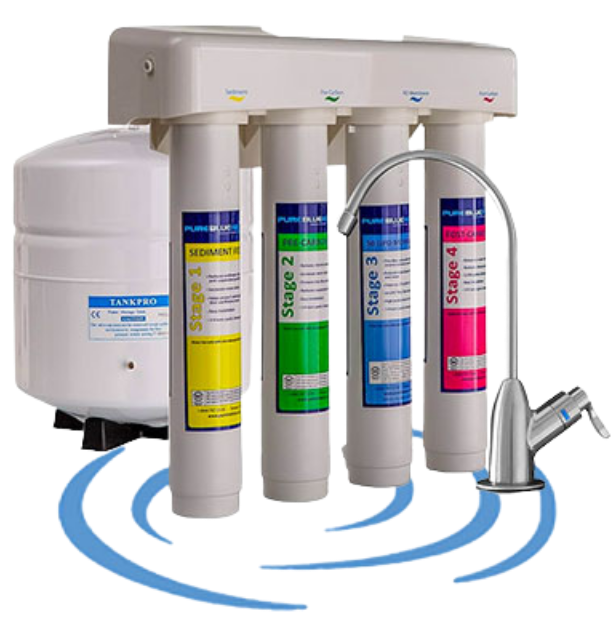
Get a free reverse osmosis drinking water system with the purchase of any whole-home water purification system.
*Cannot be combined with other offers. Mention this special when you call.