Reach Out Today
Please provide your email address so that we can stay in touch and answer any questions you have! We will be reaching back out shortly.

Hear from Our Customers
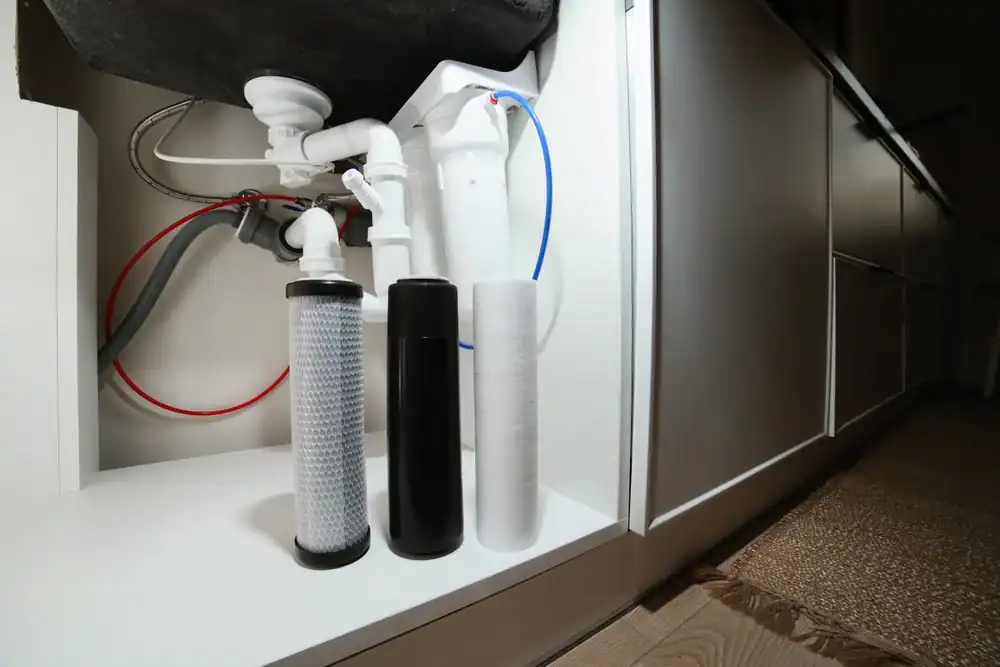
You know something’s wrong when your water smells like rotten eggs before you even turn on the faucet. That’s hydrogen sulfide, and it’s one of the most common problems in Washington Shores, FL well water. It’s not just unpleasant—it’s embarrassing when guests come over, and it’s a sign that bacteria are breaking down sulfur compounds in your groundwater.
Iron shows up differently. You’ll see it in the orange ring around your toilet that won’t scrub away, or the rust stains on your driveway where the hose drips. Over time, iron clogs up your water heater, shortens the life of your appliances, and leaves everything it touches with a tint you can’t ignore.
The right well water filtration system removes both. You get water that doesn’t smell, doesn’t stain, and doesn’t make you worry every time someone asks for a glass from the tap. Your appliances last longer. Your fixtures stay clean. And you stop spending money on bottled water just to avoid what’s coming out of your own well.
We don’t do plumbing. We don’t install water heaters. We focus entirely on water treatment because that’s where the real expertise matters.
Washington Shores sits on the same limestone aquifer system that gives most of Central Florida its water quality challenges. High sulfur content, dissolved iron, and bacteria aren’t rare here—they’re the norm. We test your water first, identify what’s actually in it, and then build a system that handles your specific contamination levels.
We’re A-rated with the Better Business Bureau, hold a 5-star rating with zero complaints, and we’re members of the Water Quality Association. We offer a $500 discount to military members and first responders, and we support the Tunnels to Towers Foundation. But what matters more than any of that is whether your water gets fixed. That’s the part we’re good at.
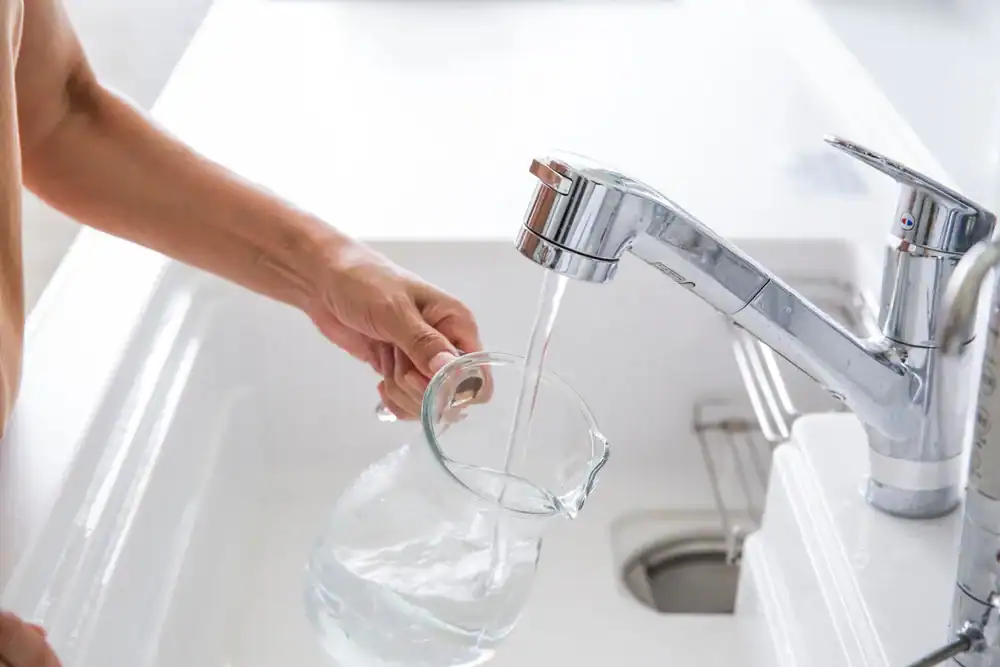
We start with a free water test at your home. Not a generic test—one that measures iron levels, hydrogen sulfide concentration, bacteria presence, pH, hardness, and anything else that might be affecting your water quality. You can’t pick the right treatment without knowing what you’re treating.
Once we know what’s in your water, we design a system around it. For iron and sulfur, that usually means a multi-stage approach. Air injection oxidation converts dissolved iron and hydrogen sulfide into particles. Then a filtration stage removes those particles before the water reaches your taps. If bacteria are present, we add a disinfection stage—often using hydrogen peroxide injection, which is chemical-free and doesn’t leave residual taste or odor.
The system gets installed as a whole-house solution. Every faucet, every shower, every appliance gets treated water. You’re not filtering at one point and hoping for the best—you’re handling the problem where it enters your home. After installation, the system runs with minimal maintenance. Most units we install are nearly maintenance-free, and we back them with a 10-year parts warranty and 1-year labor warranty.
Ready to get started?
A well water filtration system for a Washington Shores, FL home typically includes an oxidation stage, a filtration stage, and sometimes a disinfection stage depending on your test results. The oxidation stage uses air injection or hydrogen peroxide to convert dissolved contaminants into solid particles. This is how you eliminate hydrogen sulfide gas and dissolved iron—you change their form so they can be filtered out.
The filtration stage uses specialized media designed for Florida’s water chemistry. Standard filters don’t handle the sulfur loads we see here. You need media that can process higher concentrations without clogging or requiring constant backwashing. Our systems are built to handle what’s common in this area, not what’s common nationwide.
If your water test shows bacteria, we add a disinfection stage. Hydrogen peroxide injection is the most effective method because it kills bacteria without adding chlorine taste or requiring salt. It’s a chemical-free approach that works with the oxidation process to give you water that’s both safe and pleasant to drink. The whole system is custom-designed based on your water analysis and your household’s daily water usage, because one size doesn’t fit all when you’re dealing with well water in Florida.

The most obvious signs are smell and staining. If your water smells like rotten eggs, that’s hydrogen sulfide. If you see orange or brown stains on fixtures, laundry, or anywhere water sits, that’s iron. Both are extremely common in Washington Shores because of the local aquifer geology.
But some problems don’t announce themselves as clearly. Bacteria contamination doesn’t always have a smell or visible sign. The Florida Department of Health recommends testing your well water at least once a year for bacteria and nitrates, and that’s the baseline. If you’re noticing any changes in taste, odor, or appearance, test sooner.
A proper water test measures more than just bacteria. You want to know iron levels, sulfur content, pH, hardness, and whether you have iron bacteria, which is different from regular coliform bacteria. Iron bacteria create a slimy buildup in pipes and tanks, and they require a different treatment approach than hydrogen sulfide or dissolved iron. The test tells you what you’re dealing with so you’re not guessing.
Regular water filters—like the ones you put on a faucet or in a pitcher—are designed to improve taste and remove chlorine. They’re built for city water that’s already been treated. They don’t handle dissolved iron, hydrogen sulfide gas, or bacteria because they’re not designed to.
Iron removal systems use oxidation to change the form of the contaminant before filtering it out. Dissolved iron is invisible in your water until it hits the air, then it oxidizes and turns orange. An iron removal system forces that oxidation to happen inside the treatment tank using air injection or hydrogen peroxide. Once the iron is oxidized into particles, a specialized filter media captures it. The same process works for hydrogen sulfide—you oxidize the gas into sulfur particles, then filter those out.
This is why you can’t just buy a generic whole-house filter and expect it to handle Florida well water. The filter media matters. The oxidation method matters. And the system has to be sized correctly for your water’s contamination levels and your household’s flow rate. If the system is undersized or uses the wrong media, you’ll still have staining and odor even after spending thousands of dollars.
At low concentrations, hydrogen sulfide is mostly a nuisance. It smells terrible, it can cause nausea or headaches in some people, and it corrodes metal pipes and fixtures over time. But it’s not typically a serious health hazard at the levels found in most residential wells.
At higher concentrations, hydrogen sulfide becomes more concerning, especially for children, elderly residents, and anyone with respiratory issues. Prolonged exposure to higher levels can cause respiratory irritation and more severe symptoms. The problem is that you don’t always know what concentration you’re dealing with without testing.
The bigger issue is what hydrogen sulfide indicates. It forms when sulfur-reducing bacteria break down sulfates in your groundwater. If you have high bacterial activity creating hydrogen sulfide, you may also have other bacteria present that you can’t smell or see. That’s why treating hydrogen sulfide isn’t just about eliminating odor—it’s about addressing the bacterial environment in your well. A proper treatment system handles both the gas and the bacteria causing it, which is why hydrogen peroxide injection works so well. It oxidizes the hydrogen sulfide and disinfects the water at the same time.
It depends on the type of system and what’s in your water. Air injection oxidation systems are nearly maintenance-free. They use air to oxidize contaminants, so there are no chemicals to refill. The filter media typically lasts several years before it needs replacement, and the system backwashes itself automatically to clean the media and flush out captured particles.
Hydrogen peroxide injection systems require refilling the peroxide tank, usually every few months depending on your water usage and contamination levels. The peroxide itself is inexpensive, and refilling takes about five minutes. Some homeowners do it themselves, others prefer to have us handle it during routine service visits.
The most important maintenance task is monitoring your system’s performance. If you start noticing a return of odor or staining, that’s a sign something needs attention—maybe the media needs replacement, maybe the injection rate needs adjustment, or maybe your water chemistry has changed and the system needs recalibration. We offer service for all makes and models, not just the systems we install. Most of our customers schedule an annual checkup, which catches small issues before they become expensive problems.
A water softener removes hardness minerals like calcium and magnesium. It can remove very small amounts of dissolved iron—usually up to 1-2 mg/L—but it’s not designed to be an iron removal system. If your iron levels are higher than that, which they often are in Washington Shores, the iron will foul the softener resin and reduce its effectiveness.
Water softeners don’t remove hydrogen sulfide at all. Sulfur is a gas, not a hardness mineral, so it passes right through the softening process. You’ll still have the rotten egg smell even with a softener installed.
If you have both hard water and iron or sulfur contamination, you need a multi-stage system. The iron and sulfur get removed first using oxidation and filtration. Then, if you want softened water, the softener gets installed downstream. This protects the softener from iron fouling and ensures that each treatment stage is handling what it’s actually designed to handle. Trying to make one system do everything usually means it does nothing particularly well. The right approach is to treat each problem with the right technology in the right sequence.
Please provide your email address so that we can stay in touch and answer any questions you have! We will be reaching back out shortly.
"*" indicates required fields
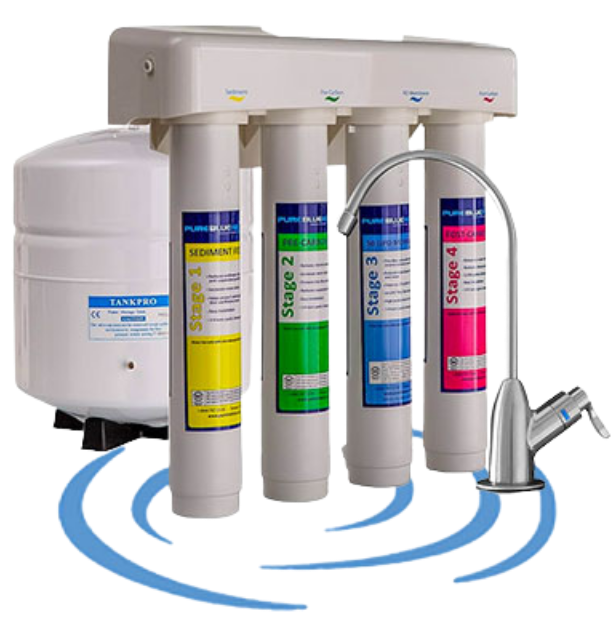
Get a free reverse osmosis drinking water system with the purchase of any whole-home water purification system.
*Cannot be combined with other offers. Mention this special when you call.