Reach Out Today
Please provide your email address so that we can stay in touch and answer any questions you have! We will be reaching back out shortly.

Hear from Our Customers
No more orange rings around your toilets. No more rotten egg smell when someone turns on the shower. No more wondering if the water your family drinks is actually safe.
That’s what proper well water filtration does. It removes the iron that stains everything it touches. It eliminates the hydrogen sulfide gas that makes your water smell like sulfur. And it kills the bacteria that you can’t see, taste, or smell—but that shouldn’t be in your water.
Your appliances last longer because they’re not clogged with iron sediment. Your laundry comes out clean instead of rust-stained. Your guests don’t notice your water at all, which is exactly how it should be.
In Vermont Heights, these problems aren’t rare. Florida’s limestone geology is loaded with sulfur compounds, and the warm climate creates perfect conditions for bacteria to thrive in wells and plumbing. About 68% of wells in Florida counties contain iron above recommended levels. Around 52% have detectable hydrogen sulfide. If you’re dealing with staining or odors, you’re not alone—and there’s a fix that actually works.
We’ve been treating well water since before most of the national companies existed. We’re members of the National Water Quality Association. We hold an A+ rating with the Better Business Bureau with a 5-star rating and zero complaints. We install systems in hospitals and health clinics across Florida—places that can’t afford to get water treatment wrong.
We’re not a plumbing company that dabbles in filtration. This is what we do. We test your water, identify what’s actually in it, and install systems designed specifically for Florida’s water challenges. Then we service what we sell, which apparently isn’t a given in this industry.
If you’re military or a first responder in Vermont Heights, we offer a $500 discount. And a portion of our proceeds supports the Tunnels to Towers Foundation, because some things matter more than the bottom line.
First, we test your water. Not a guess—a real lab analysis that tells us exactly what’s in your well. Iron, sulfur, bacteria, hardness, pH, nitrates. We need to know what we’re dealing with before we recommend anything.
Then we design a system for your specific water. If you’ve got iron and sulfur, we might use hydrogen peroxide injection—it converts iron instantly so it can be filtered out, and it works on sulfur and manganese at the same time without creating harmful byproducts. If bacteria is the issue, UV disinfection kills waterborne organisms as water passes through. For some wells, air injection oxidation makes more sense—it’s chemical-free and highly effective for certain water profiles.
We install the system at your home. Whole-house filtration means every faucet, every shower, every appliance gets treated water. The equipment is sized correctly for your household and built to last.
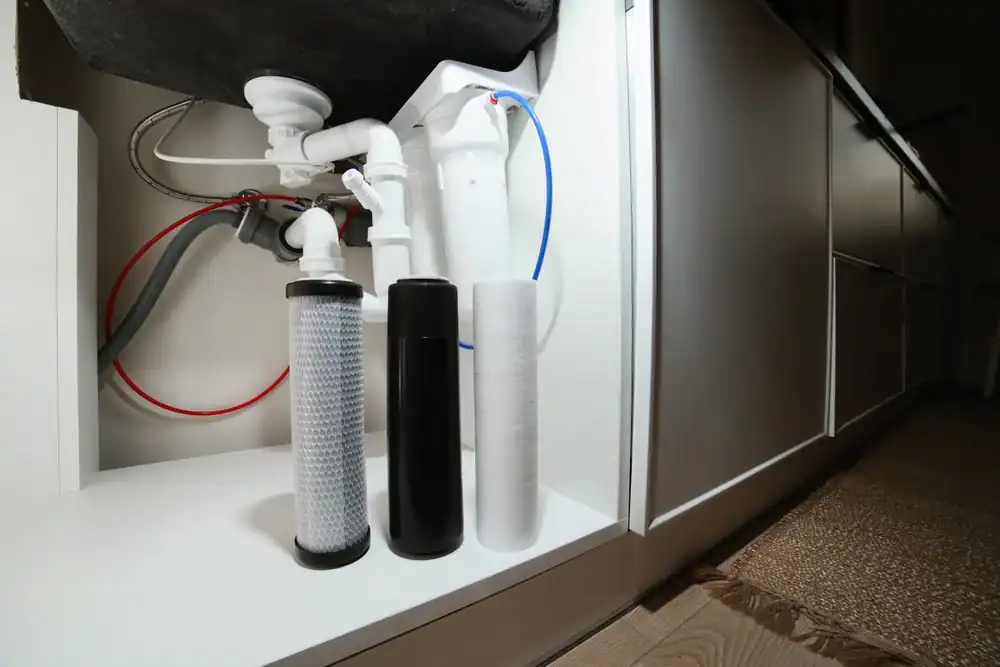
After installation, the system runs automatically. Some need minimal maintenance—a filter change here, a UV bulb replacement there. We handle service calls and annual testing because water quality can change over time, and you should know if it does.
Ready to get started?
Iron removal systems that stop the orange staining on your fixtures, laundry, and appliances. We use filtration technology that captures ferric iron after it’s been oxidized—either through hydrogen peroxide injection, air injection, or chlorination depending on your water chemistry. Iron doesn’t just stain. It damages water heaters and washing machines, shortening their lifespan by years. Removing it protects your investment.
Hydrogen sulfide treatment eliminates that unmistakable rotten egg odor. Florida’s geology creates sulfur problems in a lot of wells, especially in warmer months when sulfur-reducing bacteria are most active. Hydrogen peroxide works better than chlorine for this—it treats sulfur and iron simultaneously, and it doesn’t require a 20-minute contact time to be effective.
Bacteria disinfection using UV light systems. The EPA doesn’t regulate private wells, so testing and treatment are your responsibility. UV systems kill bacteria and viruses as water flows past the light. No chemicals, no byproducts, just effective disinfection that runs automatically.
We also handle water softening if hardness is an issue, and whole-house filtration that addresses multiple problems at once. Every system is built for Florida water—not some generic national setup that wasn’t designed for limestone aquifers and warm-climate bacteria growth.

If you see orange or brown staining on sinks, toilets, or laundry, that’s iron. If your water smells like rotten eggs, that’s hydrogen sulfide gas from sulfur. If you haven’t tested for bacteria in the past year, you don’t actually know if your water is safe—bacteria is tasteless and odorless.
The Florida Department of Health recommends testing private wells annually for bacteria and nitrates at minimum. You should also test for iron, sulfur, hardness, and pH, especially if you’re noticing staining, odors, or scale buildup. We offer free water analysis, and the lab results tell us exactly what treatment your well needs.
Even if your water looks and tastes fine, surrounding groundwater conditions can change. A new septic system nearby, heavy rainfall, or seasonal shifts can affect your well. Testing isn’t optional if you want to know what your family is drinking.
Both methods oxidize iron so it can be filtered out, but they work differently. Hydrogen peroxide injection adds a small amount of peroxide to your water, which instantly converts dissolved ferrous iron into ferric iron that a filter can catch. It also treats sulfur and manganese at the same time, and it doesn’t create harmful disinfection byproducts like chlorine can.
Air injection oxidation is chemical-free. It injects oxygen into the water, which oxidizes iron naturally. There’s no ongoing chemical to buy, and it’s effective for many well water profiles. The tradeoff is that it requires more contact time and doesn’t address bacteria the way peroxide does.
Which one is better depends on your water test results. If you’ve got iron, sulfur, and bacteria, peroxide handles all three. If you’ve only got iron and want a chemical-free approach, air injection might make more sense. We recommend based on what’s actually in your water, not what’s easiest for us to install.
Yes. Iron sediment is one of the biggest reasons water heaters fail early. When iron settles at the bottom of the tank, it insulates the heating element and makes the system work harder. That buildup causes premature failure—sometimes two or three years before the heater should need replacement.
Washing machines, dishwashers, and any appliance that uses water will last longer without iron clogging valves and hoses. You’ll also stop seeing rust stains on clothing, which means you’re not replacing towels and whites because they’ve turned orange.
The cost of a filtration system is a fraction of what you’d spend replacing a water heater, a washing machine, and dealing with ongoing staining and odor issues. It’s not just about clean water—it’s about protecting everything that water touches in your home.
It depends on the type of system, but most need minimal upkeep. A sediment filter might need changing every few months depending on iron levels. A carbon filter for taste and odor typically lasts six months to a year. UV bulbs should be replaced annually to maintain disinfection effectiveness.
If you have a peroxide or chlorine injection system, you’ll need to refill the chemical tank periodically—how often depends on your water usage and iron levels. Air injection systems need occasional media replacement, but that’s usually every few years, not every few months.
We handle service calls and maintenance for the systems we install. We also recommend annual water testing even after your system is in place, because well water chemistry can shift over time. If something changes, we adjust the treatment. You shouldn’t have to guess whether your filtration is still working correctly.
Technically, yes. Realistically, it’s not a great idea unless you really know what you’re doing. Sizing the system wrong means it won’t keep up with your household demand. Installing it incorrectly can cause pressure issues, leaks, or equipment failure. And if you don’t understand your water chemistry, you might buy a system that doesn’t actually address your specific problems.
Iron removal is different from bacteria disinfection, which is different from sulfur treatment. Some systems handle multiple issues, but only if they’re set up correctly for your water test results. A UV system won’t help with iron. An iron filter won’t kill bacteria. If you guess wrong, you’ve spent money and still have the same problems.
We’ve been doing this for 50 years. We test first, recommend based on your actual water quality, install systems that are properly sized and configured, and then service what we sell. The cost of professional installation is worth it when the alternative is a system that doesn’t work or fails prematurely because it wasn’t set up right.
Please provide your email address so that we can stay in touch and answer any questions you have! We will be reaching back out shortly.
"*" indicates required fields
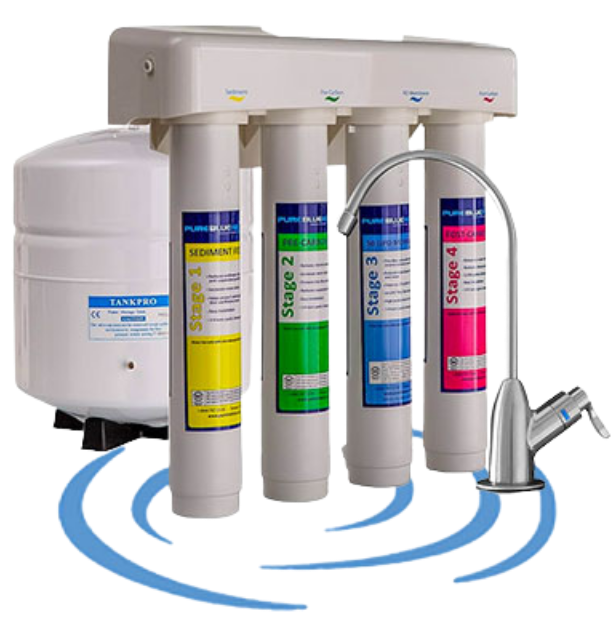
Get a free reverse osmosis drinking water system with the purchase of any whole-home water purification system.
*Cannot be combined with other offers. Mention this special when you call.