Reach Out Today
Please provide your email address so that we can stay in touch and answer any questions you have! We will be reaching back out shortly.

Hear from Our Customers
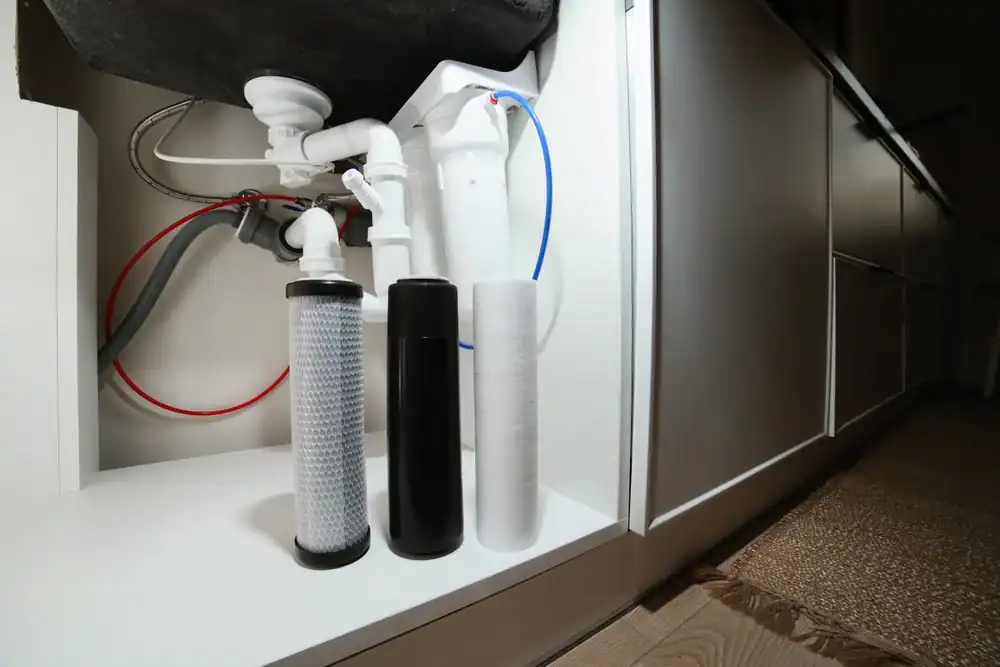
You shouldn’t have to explain the smell when someone turns on your faucet. You shouldn’t be replacing appliances early because of mineral buildup. And you definitely shouldn’t be spending money on bottled water when you have a well on your property.
When iron removal systems and hydrogen sulfide treatment are installed correctly, your water stops staining everything it touches. The rotten egg odor disappears completely. Your washing machine, dishwasher, and water heater last years longer because they’re not fighting corrosion and sediment every single day.
Tildenville sits on the same porous limestone aquifer as the rest of Lake County. That geology means sulfur-reducing bacteria thrive in warm groundwater, converting sulfates into hydrogen sulfide gas. The thin sandy soil doesn’t filter much before water hits the aquifer. So when you’re pulling water up, you’re getting iron, sulfur, and bacteria that need to be dealt with before that water enters your home.
Whole house water filtration handles the problem at the point of entry. Every faucet, every shower, every appliance gets treated water. Not just the kitchen sink.
We specialize in whole-house purification for private well owners across Central Florida. We don’t do plumbing. We don’t install water heaters. We focus entirely on treating the specific contamination issues that show up in Florida groundwater.
Our A-rating with the Better Business Bureau and five-star reviews with zero complaints didn’t happen by accident. We’re members of the National Water Quality Association because we follow industry standards that actually matter. And we offer a $500 discount to military members and first responders because we believe in supporting the people who serve this community.
Tildenville homeowners deal with the same geological challenges as the rest of North Central Florida: high rainfall, limestone loaded with sulfur compounds, and aquifer systems that recharge fast but filter almost nothing. We’ve been handling those exact conditions long enough to know what works and what’s a waste of money.
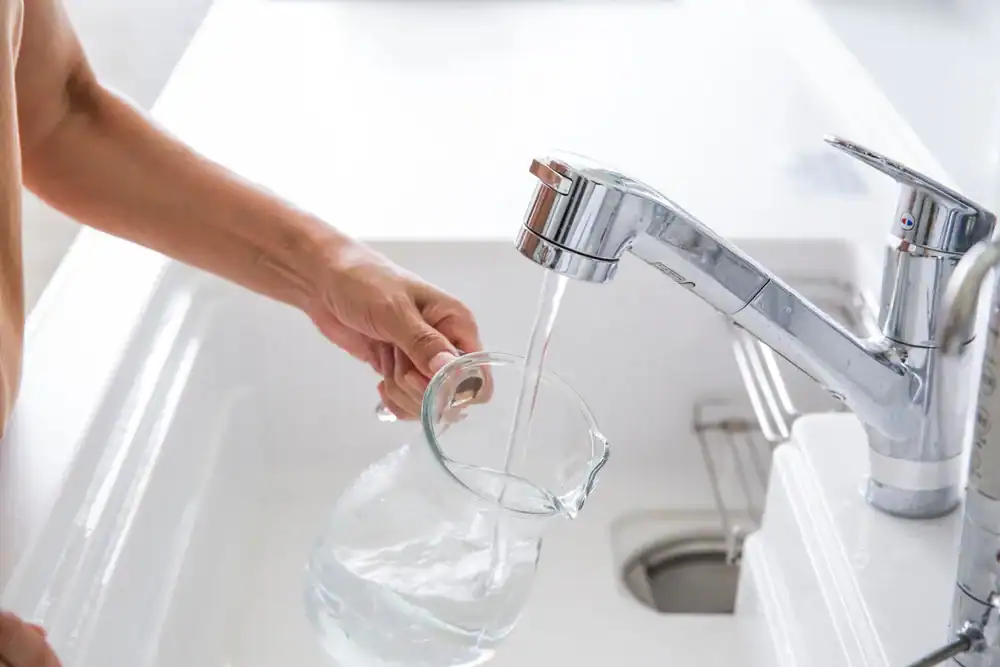
First, we test your water. Not a generic test—a full analysis that tells us exactly what’s in your well and at what levels. Iron, sulfur, bacteria, pH, hardness. You can’t treat what you haven’t measured.
Once we know what we’re dealing with, we recommend a system that matches your water chemistry. For most Tildenville wells, that means either air injection oxidation or hydrogen peroxide injection combined with a catalytic carbon filter. Air injection is chemical-free—it uses oxygen to oxidize dissolved iron so it becomes solid rust particles that get filtered out. Hydrogen peroxide injection does the same thing but also kills sulfur-reducing bacteria and immediately neutralizes hydrogen sulfide.
The system gets installed at your point of entry, before water reaches any fixture or appliance in your home. We size it based on your household’s flow rate and the contamination levels we found in testing. After installation, you’ll notice the difference immediately. No smell. No staining. No more avoiding your own tap water.
We don’t disappear after installation. The system gets maintained on a schedule that makes sense for your water quality and usage. Filters get changed. Injection levels get adjusted if needed. You’re not figuring this out on your own.
Ready to get started?
A complete well water filtration system for a Tildenville home includes the oxidation method that fits your water chemistry, a filter tank sized for your flow rate, and a control valve that manages backwash cycles automatically. If you need hydrogen peroxide injection for sulfur and bacteria, that includes the injection pump, storage tank, and the peroxide solution itself.
You’re also getting a system that’s built to handle Florida’s higher temperatures and the bacterial activity that comes with warm groundwater. Generic systems designed for northern climates don’t account for the fact that sulfur-reducing bacteria are far more active here. We use equipment that’s proven to work in this specific environment.
The installation covers everything from the pressure tank to the house. That’s where the treatment happens—before water enters your plumbing. You’ll also get clear instructions on what to expect during backwash cycles, how to monitor your system, and when to call us if something seems off.
Tildenville’s geology is dominated by the Floridan Aquifer system, which means your well is pulling from limestone that’s been dissolving for thousands of years. That’s why iron and sulfur show up so consistently in this area. The system we install is designed specifically for that type of source water, not just “well water” in general.

The most effective method depends on whether you’re dealing with iron alone or iron combined with hydrogen sulfide and bacteria. For Tildenville wells, we typically see all three.
Air injection oxidation works well if your primary issue is iron. It’s chemical-free and uses oxygen to convert dissolved iron into particles that get trapped in a filter. If you’ve also got sulfur—that rotten egg smell—you’ll need hydrogen peroxide injection. Peroxide oxidizes iron, neutralizes hydrogen sulfide immediately, and kills the sulfur-reducing bacteria that produce the gas in the first place.
Both methods require a properly sized catalytic carbon filter and a control valve that handles automatic backwashing. The key is matching the treatment to your actual water chemistry, which is why testing comes first. Guessing doesn’t work when you’re dealing with Florida groundwater.
A complete well water filtration system for a Tildenville home typically runs between $3,000 and $6,000 depending on the contamination levels, the size of your household, and whether you need chemical injection or just air injection oxidation.
That includes the equipment, professional installation, and the first year of service. It’s not a small investment, but compare that to what you’re already spending on bottled water, appliance repairs, and cleaning products that don’t actually remove iron stains. Most homeowners break even within a few years just from appliance longevity alone.
We offer a $500 discount for military members and first responders. And we’re upfront about cost before we start any work. You’ll know exactly what you’re paying for and why each component matters for your specific water quality issues.
Yes, but only if the system is designed to treat hydrogen sulfide specifically. A basic sediment filter won’t touch it. Neither will a standard water softener.
The rotten egg smell is hydrogen sulfide gas, and it’s produced by sulfur-reducing bacteria living in your well or in the aquifer itself. Tildenville’s limestone geology is loaded with sulfur compounds, so these bacteria have plenty of fuel. Hydrogen peroxide injection is the most reliable way to eliminate the problem because it kills the bacteria and neutralizes the gas at the same time.
Some systems try to use activated carbon alone, but that only masks the odor temporarily. It doesn’t stop the bacteria from producing more hydrogen sulfide. You need oxidation—either through peroxide or, in some cases, chlorine injection followed by carbon filtration. We test your water first to confirm what’s causing the smell, then recommend the treatment that actually handles the source.
In Florida, you’re looking at filter changes and system checks every six to twelve months depending on your water quality and household usage. Wells with high iron or sulfur levels need more frequent attention than wells with lighter contamination.
The catalytic carbon filter media eventually gets exhausted and needs replacement. If you have a hydrogen peroxide injection system, the peroxide tank needs refilling periodically. Control valves should be inspected to make sure backwash cycles are running correctly. And it’s worth testing your water annually to confirm the system is still removing contaminants at the levels it should.
Florida’s warm climate accelerates bacterial growth, so systems here work harder than they would in cooler regions. That’s why we set up a maintenance schedule based on your specific conditions, not a generic timeline. Skipping maintenance means you’ll start noticing the smell or staining come back, and by then the system is already underperforming.
You can technically install one yourself if you’re comfortable with plumbing, electrical work, and understanding flow rates, pressure requirements, and backwash drain lines. But most homeowners hire a professional because the cost of getting it wrong is higher than the cost of installation.
Undersizing the system means it won’t keep up with your household demand. Incorrect injection rates for hydrogen peroxide or chlorine can either undertreat the water or waste chemicals. Poor drain line placement can flood your property during backwash cycles. And if the system isn’t programmed correctly, it won’t regenerate when it’s supposed to.
We size systems based on your actual water test results, your home’s flow rate, and the number of people using water daily. Then we install it at the right point of entry, set the controls, and test everything before we leave. You’re not guessing whether it’s working—you’ll see and smell the difference immediately, and you’ll have someone to call if anything needs adjustment.
Please provide your email address so that we can stay in touch and answer any questions you have! We will be reaching back out shortly.
"*" indicates required fields