Reach Out Today
Please provide your email address so that we can stay in touch and answer any questions you have! We will be reaching back out shortly.

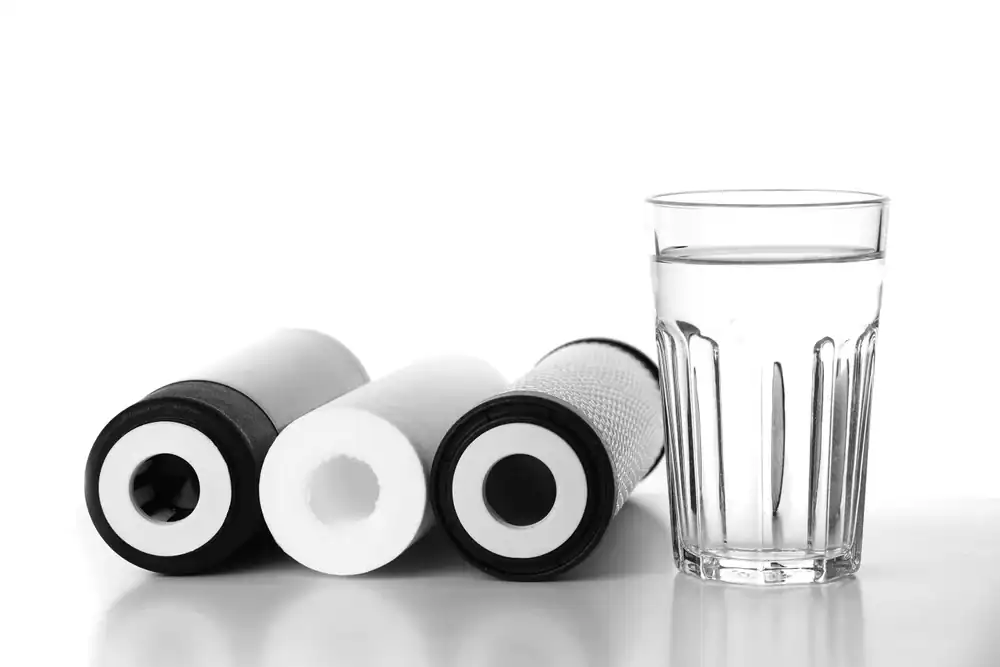
Hear from Our Customers
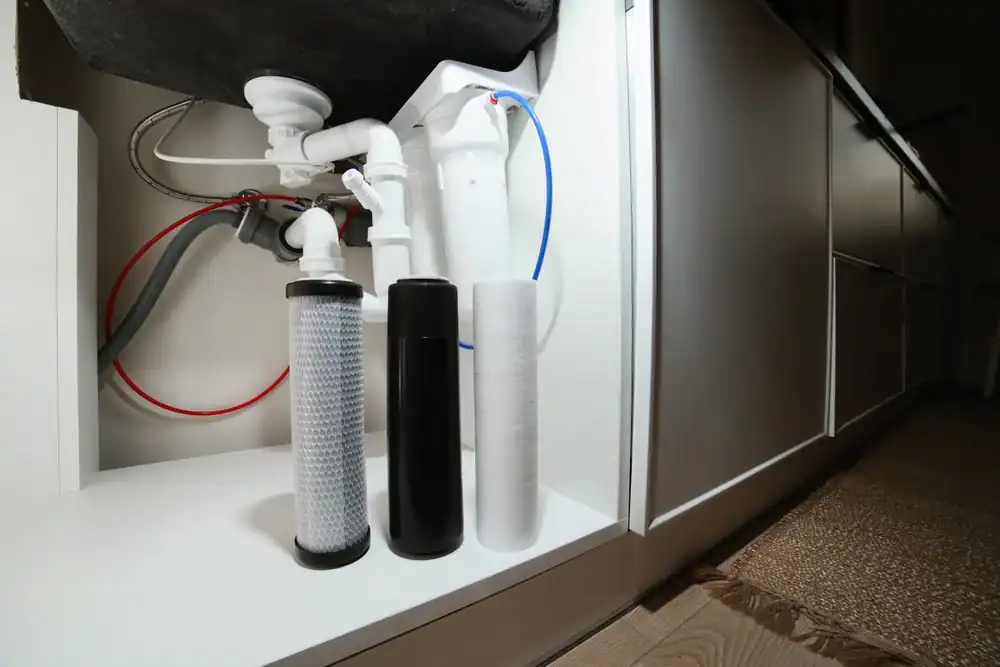
The orange stains stop showing up on your toilets and sinks. That embarrassing sulfur smell disappears when you turn on the hot water. Your coffee tastes better because the water going into it is actually clean.
Your appliances last longer. Water heaters don’t corrode as fast. Dishwashers and washing machines run without fighting mineral buildup every cycle.
You stop scrubbing rust stains every week. Your guests don’t wrinkle their nose when they wash their hands. Ice cubes come out clear instead of cloudy. These aren’t small things when you live here and deal with well water every single day.
The real benefit isn’t just cleaner water. It’s not thinking about your water anymore. It’s one less problem you have to manage in a house that already demands enough of your time.
We hold an A rating with the Better Business Bureau and five-star reviews with zero complaints. We’re members of the National Water Quality Association, which means we follow actual standards instead of just showing up with a sales pitch.
We only do water treatment. No plumbing. No water heaters. Just filtration, purification, and softening systems that handle what Florida’s geology throws at your well.
Tallulah and North Shore sit on limestone that’s loaded with sulfur deposits and dissolved iron. The shallow water table here means surface water seeps down after heavy rain, bringing bacteria with it. We’ve seen it hundreds of times. Your water smells worse in summer. Stains get heavier during rainy season. That’s not random—it’s geology, and it requires treatment that actually addresses what’s in your specific water.
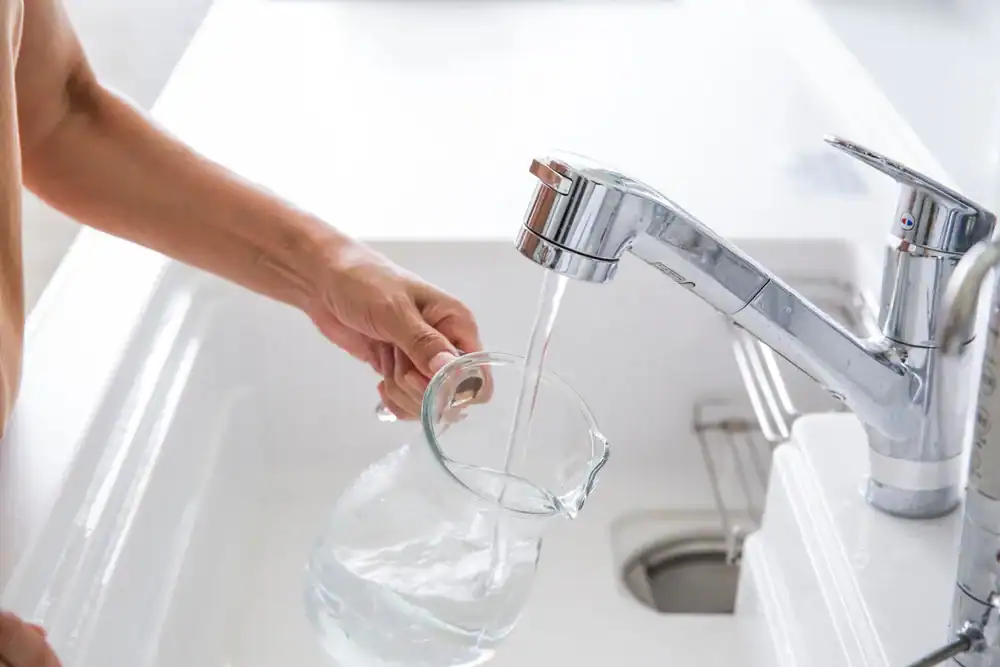
First, we test your water. Not a generic “free test” that’s really a sales call. Actual lab analysis that tells us what’s in there—iron levels, hydrogen sulfide concentration, bacteria presence, pH, hardness. You can’t treat what you don’t measure.
Once we know what we’re dealing with, we recommend a system that matches your specific contamination. High iron gets an air injection oxidation system that pulls oxygen into the water and converts dissolved iron into particles a filter can catch. Hydrogen sulfide gets oxidized the same way, or treated with peroxide injection if bacteria levels are high. Hard water gets a softener. Most homes in this area need a combination.
Installation takes a day for most whole-house systems. We connect the treatment equipment to your main water line so every faucet, shower, and appliance gets filtered water. After installation, the system runs automatically. You’re not adding chemicals or doing daily maintenance.
We stay available after the install. Filters need changing. Systems need occasional adjustments. When you call, someone answers. That’s the difference between companies that service what they sell and ones that disappear after they cash your check.
Ready to get started?
Iron removal systems use air injection oxidation to eliminate the dissolved iron that causes orange stains. The system pulls air into your water, oxidizes the iron, then filters out the particles before they reach your faucets. No chemicals. No constant maintenance. It handles iron levels up to 15 ppm, which covers most wells in Tallulah and North Shore.
Hydrogen sulfide treatment tackles that rotten egg smell. Same oxidation process, different target. The system converts hydrogen sulfide gas into sulfur particles your filter catches. If bacteria are feeding the sulfur problem—common in Florida’s warm, oxygen-poor aquifer—we add hydrogen peroxide injection to disinfect while we oxidize.
Whole-house filtration means every water source in your home gets treated. Kitchen faucet, bathroom sinks, showers, washing machine, dishwasher, ice maker. One system at the point of entry handles everything.
Most homeowners here invest between $2,500 and $3,500 for a complete system that addresses iron, sulfur, and bacteria. That includes installation, startup, and the first year of filter media. You’ll save $600 to $1,200 annually by protecting appliances from premature failure and eliminating bottled water purchases. The system pays for itself, then keeps saving you money.

The smell comes from hydrogen sulfide gas, and it fluctuates based on what’s happening underground. After heavy rain, surface water seeps down through Florida’s porous limestone and reaches your aquifer. That introduces oxygen and organic matter that bacteria feed on.
When bacteria digest sulfur compounds in the limestone—and there’s plenty of sulfur in the geology around Tallulah and North Shore—they produce hydrogen sulfide. More rain means more bacterial activity, which means stronger smells. Hot water makes it worse because heat releases the gas faster.
The smell gets stronger in summer because warm temperatures accelerate bacterial growth. You’re not imagining it. The problem is actually worse during certain seasons and after certain weather patterns. Temporary chlorine treatments mask the smell for a while, but bacteria keep growing back. Air injection oxidation or hydrogen peroxide systems eliminate the source instead of covering it up.
Air injection oxidation pulls oxygen into your water before it reaches your house. Dissolved iron can’t be filtered because it’s invisible—it’s literally dissolved at the molecular level. But when iron contacts oxygen, it oxidizes into solid particles. That’s the same process that creates rust.
The system injects air into a retention tank where your water sits for a few minutes. During that contact time, dissolved iron oxidizes into particles. Then the water flows through a filter bed that catches those particles before they reach your faucets.
No chemicals touch your water. You’re just accelerating the natural oxidation process that would happen anyway when iron-rich water contacts air. The filter media needs backwashing every few days to flush out accumulated iron particles, but that happens automatically. You don’t add anything or do any daily maintenance. The system handles iron levels up to 15 ppm, which covers the majority of wells in this area.
No. Water softeners remove hardness minerals like calcium and magnesium. They don’t remove iron, and they don’t eliminate hydrogen sulfide. A softener will help with scale buildup and make your water feel slicker, but it won’t stop the staining or the smell.
Iron and sulfur require oxidation and filtration. You need a system that converts dissolved contaminants into particles, then filters those particles out. That’s a completely different process than ion exchange, which is what softeners do.
Many homes in Tallulah and North Shore need both—a softener for hardness and an oxidation system for iron and sulfur. If your water has multiple issues, treating just one leaves the others unresolved. We test first so you know exactly what you’re dealing with, then recommend the combination of equipment that actually addresses your specific contamination. Anything less is a partial fix that leaves you frustrated.
Air injection systems backwash themselves automatically every few days. That’s when the system flushes accumulated iron and sulfur particles out of the filter media and down your drain. You don’t do anything. The control valve handles it based on water usage or a timer.
Filter media lasts five to seven years depending on your contamination levels and water volume. When it’s time to replace the media, we handle it. That’s a service call, not something you do yourself.
If you have hydrogen peroxide injection for bacteria control, you’ll refill the peroxide tank every few months. It’s food-grade peroxide in a storage tank. You pour it in like you’d refill a water softener with salt. Takes five minutes.
The systems don’t require constant attention. They run in the background. But when something does need service—a valve adjustment, media replacement, or troubleshooting—you need a company that actually answers the phone. We stay available after installation because equipment only works long-term if someone’s around to maintain it.
Yes. Coliform bacteria, E. coli, and other pathogens get into wells through surface infiltration or exist naturally in oxygen-depleted underground environments. Florida’s shallow water table and porous limestone make contamination more likely here than in other parts of the country.
You can’t see, smell, or taste most bacteria. The rotten egg smell comes from hydrogen sulfide-producing bacteria, but those aren’t the ones that make you sick. The dangerous bacteria are invisible. That’s why lab testing matters. We test for coliform and E. coli specifically.
If bacteria are present, chlorination or hydrogen peroxide injection disinfects your water at the point of entry. UV purification is another option that kills bacteria with ultraviolet light as water flows through the system. All three methods work. The right choice depends on your contamination levels and whether you’re also treating iron or sulfur. Bacteria aren’t something to ignore or assume isn’t there. Test, then treat if needed.
Please provide your email address so that we can stay in touch and answer any questions you have! We will be reaching back out shortly.
"*" indicates required fields