Reach Out Today
Please provide your email address so that we can stay in touch and answer any questions you have! We will be reaching back out shortly.

Hear from Our Customers
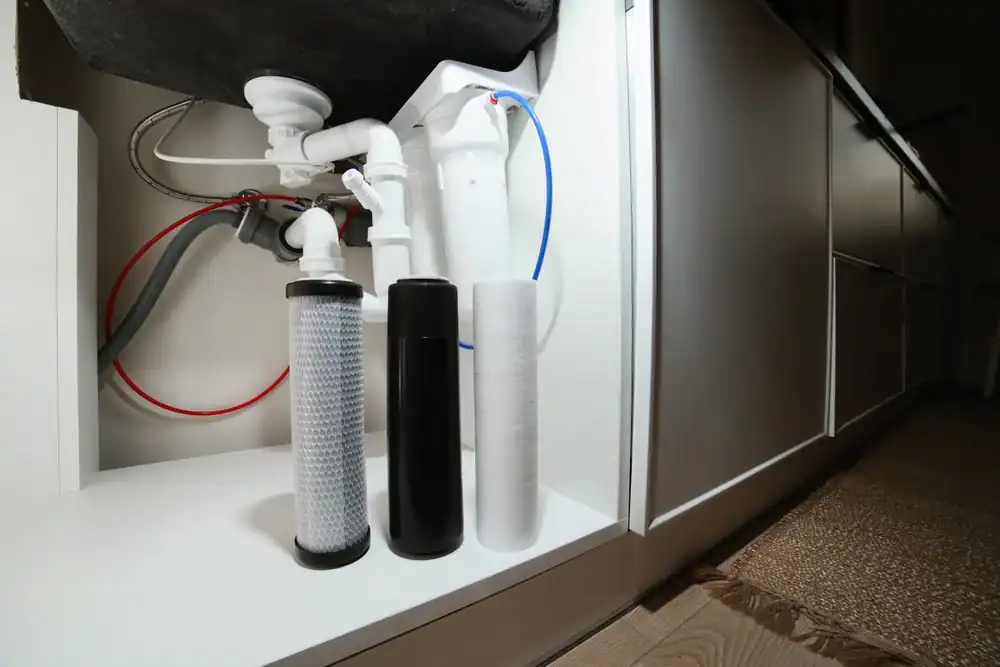
No more rotten egg smell when you turn on the shower. No more orange rings in your toilets or rust stains on your laundry. No more wondering if the water your family drinks is actually safe.
That’s what proper well water filtration does. It removes the iron that stains everything. It eliminates the hydrogen sulfide causing that sulfur smell. It kills bacteria like E.coli that shouldn’t be in your water in the first place.
Your appliances last longer because they’re not getting destroyed by corrosive minerals. Your water heater doesn’t fail early. Your washing machine doesn’t break down from iron buildup. You stop buying bottled water because what comes out of your tap is clean.
The water in your home just works the way it should. Clear, clean, and safe from every faucet.
We’ve been fixing well water issues in North and Central Florida for over 50 years. We’re members of the National Water Quality Association and A-rated by the Better Business Bureau with a 5-star rating and zero complaints.
We know Florida’s water because we’ve been treating it for half a century. The limestone aquifers around Summerport Beach create specific problems—sulfur compounds, iron bacteria, mineral buildup—that need systems designed for this exact geology. We don’t sell you something off a shelf and hope it works.
Every system gets designed after we test your water and see what’s actually in it. Then we install it, service it, and make sure it keeps working. That’s it.
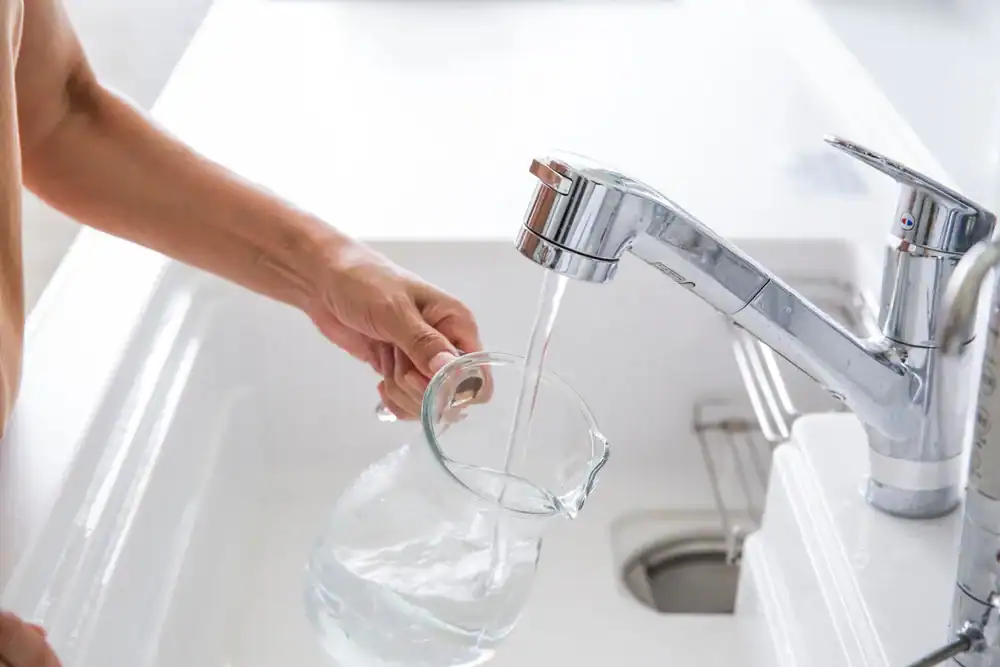
First, we test your water. Not a generic test—a real analysis that shows us what contaminants you’re dealing with. Iron levels, sulfur content, bacteria presence, pH balance, hardness. We need to know what’s in there before we can design a system to remove it.
Then we design a whole house water filtration system based on your specific water chemistry and how much water your household uses. If you have iron, we might use an air injection oxidation system that converts dissolved iron into particles we can filter out. For hydrogen sulfide, we often use hydrogen peroxide injection or specialized sulfur removal media. Bacteria gets handled with disinfection systems that kill it before it reaches your faucets.
We install everything at your main water line so every drop of water entering your home gets treated. Shower, kitchen sink, washing machine, toilets—all of it. The system runs automatically. You’re not adding chemicals or doing daily maintenance.
After installation, we show you how everything works and what minimal maintenance it needs. We service what we install, and we can service other brands too if you already have a system that’s not performing.
Ready to get started?
Summerport Beach sits on the same limestone aquifer system that causes water problems throughout Central Florida. That geology means your well water likely contains elevated sulfur levels, dissolved iron, and possibly iron bacteria—all common in this area.
Our iron removal systems use either air injection oxidation or hydrogen peroxide injection depending on your iron levels and water chemistry. Both methods oxidize dissolved iron so it becomes a solid particle that gets filtered out before reaching your fixtures. No more orange stains.
For sulfur problems causing that rotten egg smell, we install hydrogen sulfide treatment systems with specialized media or oxidation methods that eliminate the odor at the source. The smell doesn’t just get masked—it gets removed.
If your water test shows bacteria, we add disinfection systems that kill E.coli and iron bacteria before they can form biofilm in your pipes or damage your plumbing. Iron bacteria is found in about 10% of Florida wells and causes serious corrosion if left untreated.
Every system includes a water softener if you have hardness issues, because soft water protects your appliances and plumbing from scale buildup. In Florida’s climate, that protection pays for itself in 2-3 years through reduced appliance replacement costs.

That smell is hydrogen sulfide gas, and it’s extremely common in Florida well water. It forms when naturally occurring bacteria break down organic matter in the oxygen-depleted groundwater of our limestone aquifers.
The smell is usually harmless from a health standpoint, but it makes your water unpleasant to drink and embarrassing when guests visit. Some people can smell hydrogen sulfide at concentrations as low as 0.5 parts per million.
The fix is a sulfur water treatment system that either oxidizes the hydrogen sulfide into sulfur particles that get filtered out, or uses specialized media to remove it through a chemical reaction. Which method works best depends on your sulfur levels and overall water chemistry. We test first, then recommend the right approach for your specific situation.
Iron in well water is usually dissolved and invisible when it first comes out of your faucet. But when it hits air, it oxidizes and turns into rust—that’s what causes the orange and brown stains on everything it touches.
Iron removal systems force that oxidation to happen inside the treatment tank instead of inside your home. Air injection oxidation systems inject oxygen into your water, which converts dissolved iron into solid rust particles. Those particles get trapped in a filter media bed and flushed out during backwash cycles.
For higher iron levels or when iron bacteria is present, we use hydrogen peroxide injection systems. The peroxide is a stronger oxidizer that handles tougher iron problems and also kills the bacteria that can make iron issues worse. Either way, the iron never makes it to your fixtures, so you don’t get staining.
Yes, and that protection is one of the biggest financial benefits of installing proper filtration. Untreated well water with iron, sulfur, and minerals destroys water heaters, washing machines, and dishwashers years before they should fail.
Iron buildup clogs valves and heating elements. Hard water creates scale that reduces efficiency and causes premature failure. Iron bacteria creates acidic micro-environments that corrode metal components from the inside out.
A whole house system treats water before it reaches any appliance, so everything in your home benefits. Water heaters last their full expected lifespan. Washing machines don’t break down from mineral deposits. Dishwashers don’t get clogged with iron sediment. The cost of installing filtration is less than replacing a water heater and washing machine early—and you’ll likely avoid both with treated water.
Most systems need minimal maintenance—usually just adding salt to your softener if you have one, and occasionally checking that everything’s running properly. The actual filtration components are designed to operate automatically.
Systems with filter media typically backwash themselves on a programmed schedule, flushing out trapped contaminants without you doing anything. If you have a hydrogen peroxide injection system, you’ll need to refill the peroxide tank every few months depending on your water usage.
We recommend annual service visits where we check system performance, test your water to make sure treatment is still effective, and replace any components that are wearing out. Most homeowners don’t need to do anything between those annual checkups except add salt if they have a softener. The systems are built to run on their own.
City water gets treated at a municipal plant before it reaches your home, so it’s already disinfected and has basic filtration. Well water comes straight from the aquifer into your house with no treatment unless you install a system yourself.
That means well water often contains things city water doesn’t—dissolved iron, hydrogen sulfide, naturally occurring bacteria, and higher mineral content. These aren’t necessarily dangerous, but they cause the staining, odors, and appliance damage that well water is known for.
Well water filtration systems have to handle a wider range of contaminants at higher concentrations than city water filters. You need iron removal, sulfur treatment, bacteria disinfection, and water softening all working together. It’s more comprehensive than a simple carbon filter on city water. That’s why proper well water systems are custom-designed based on what your specific water test shows.
Please provide your email address so that we can stay in touch and answer any questions you have! We will be reaching back out shortly.
"*" indicates required fields