Reach Out Today
Please provide your email address so that we can stay in touch and answer any questions you have! We will be reaching back out shortly.

Hear from Our Customers
No more rust stains on your sinks, toilets, or laundry. No rotten egg smell when someone turns on the shower. No wondering if what’s coming out of your tap is safe for your kids to drink.
That’s what proper well water filtration does. It removes the iron that’s been staining everything orange. It eliminates the hydrogen sulfide causing that sulfur smell. It kills bacteria you can’t see but shouldn’t be drinking.
Your appliances last longer because they’re not clogged with mineral buildup. Your water heater runs more efficiently. Your soap actually lathers. Your coffee tastes like coffee, not metal.
The difference shows up in your laundry, your dishes, your plumbing, and your water bill. But mostly it shows up in not having to think about your water anymore.
We have an A+ rating with the Better Business Bureau and zero complaints. That doesn’t happen by accident when you’ve been in business for over 50 years.
We’re members of the National Water Quality Association, which means we follow actual industry standards, not just whatever sells. We service what we install, and we’ll service other brands too if yours is failing.
Starkes Ferry sits in an area where well water typically runs high in iron and sulfur. We’ve treated hundreds of wells in North Florida, so we know what’s in your water before we test it. The test just tells us how much.
We start with a free water analysis at your home. Not a basic hardness test—a full breakdown of what’s actually in your well water. Iron levels, sulfur content, bacteria presence, pH balance, total dissolved solids. That test determines everything else.
Based on those results, we design a system specific to your water and your household size. If you’ve got iron bacteria, you need an air injection oxidation system or hydrogen peroxide injection to kill it before filtration. If it’s just ferrous iron, a different approach works better. Hydrogen sulfide treatment requires its own setup.
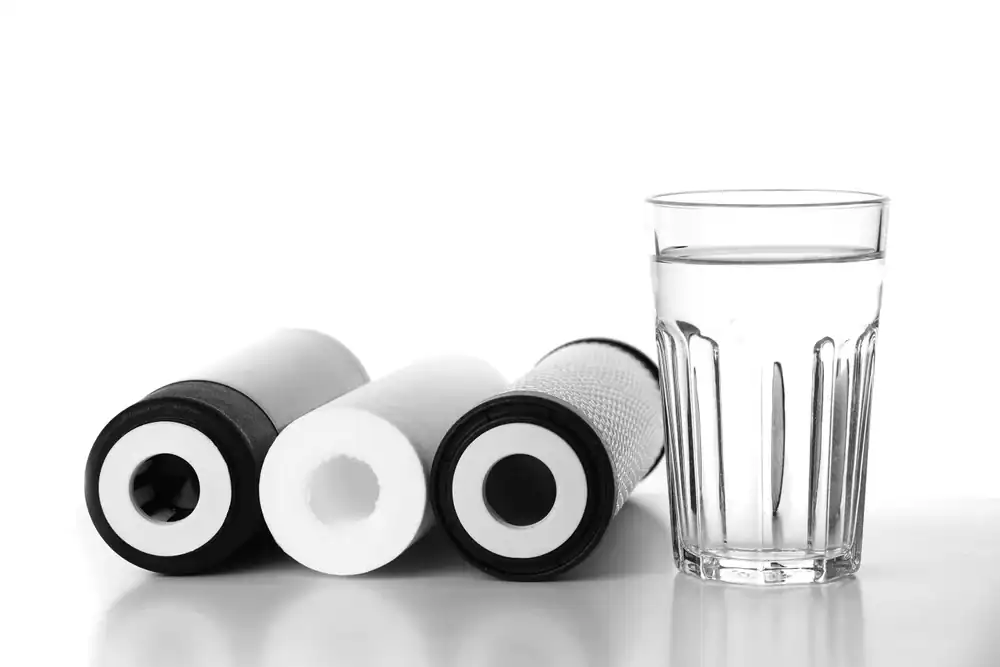
Most whole-house systems include multiple stages. Oxidation or injection first, then filtration, then UV disinfection if bacteria is present, then conditioning if needed. Each stage handles a specific problem your water has.
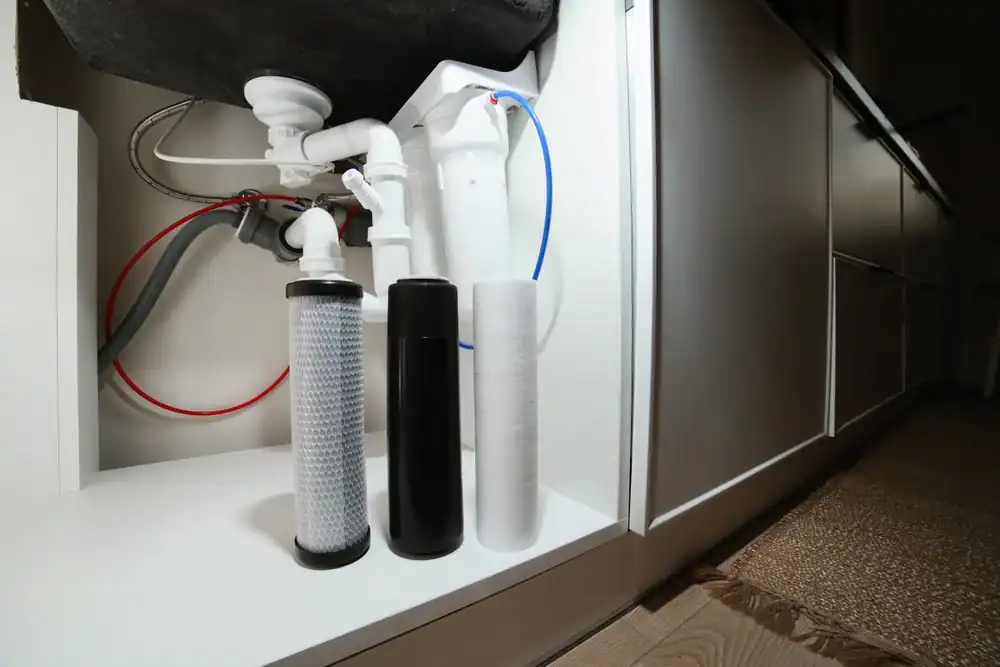
Installation takes a day in most cases. We tie into your main line after the pressure tank, so every faucet in your house gets treated water. Then we test it again to confirm everything’s working right.
Ready to get started?
Iron removal systems use either air injection oxidation or hydrogen peroxide injection depending on your iron type and levels. Both methods oxidize dissolved iron so it can be filtered out before it reaches your fixtures. AIO systems use no chemicals and require minimal maintenance. Hydrogen peroxide systems work faster and handle higher iron concentrations plus bacteria.
Sulfur treatment runs separately or combines with iron removal depending on your water chemistry. Most hydrogen sulfide problems in Starkes Ferry wells need oxidation followed by activated carbon filtration to fully eliminate the smell and taste.
Well water bacteria disinfection uses UV light as the final stage after filtration. The UV system kills E. coli, coliform bacteria, and other organisms without adding chemicals to your water. It’s required if your well tests positive for any bacterial contamination.
Whole house filtration means every tap, shower, toilet, and appliance gets treated water. Your system is sized based on your peak flow rate and daily water usage, not some average that doesn’t apply to your home. We also offer salt-free conditioning to prevent scale buildup without the ongoing cost and maintenance of traditional softeners.

You need a complete water analysis, not just a hardness test or a basic panel. A proper test measures iron content (both ferrous and ferric), hydrogen sulfide levels, bacteria presence, pH, total dissolved solids, manganese, and other contaminants common in Florida wells.
Visible problems like rust stains or sulfur smell tell you something’s wrong, but they don’t tell you how much or what else might be present. Iron bacteria looks different than regular iron. High TDS affects your system design differently than high iron alone.
We do this test free at your home because the results determine which filtration system actually works for your water. A system designed for 2 ppm of iron won’t handle 8 ppm. A carbon filter alone won’t remove bacteria. The test comes first because guessing costs you money on equipment that doesn’t solve the problem.
Water softeners remove hardness minerals like calcium and magnesium through ion exchange. They don’t remove iron effectively, especially at higher concentrations or if you have iron bacteria. Softeners can actually make iron problems worse by releasing iron that’s built up in the resin bed.
Iron removal systems use oxidation to convert dissolved iron into solid particles that can be filtered out. Air injection oxidation pulls oxygen into your water to oxidize the iron naturally. Hydrogen peroxide injection does the same thing chemically, which works better for higher iron levels or when bacteria is present.
Most Starkes Ferry wells need both—iron removal first, then softening if your hardness levels warrant it. Running them in the wrong order or using just a softener when you have iron means you’ll still get staining and buildup. The water test shows whether you need one system or both, and in what order.
The tanks and main components typically last 15 to 20 years if they’re maintained properly. Control valves might need replacement around the 10-year mark depending on your water quality and usage. UV bulbs need changing annually. Filter media gets replaced every few years based on your iron levels and water volume.
Hydrogen peroxide injection systems need peroxide refills every few months, but the injector and storage tank last for years. Air injection systems have fewer consumables but the air compressor eventually wears out. Carbon filters for sulfur removal need media replacement every 3 to 5 years.
The system lifespan depends heavily on maintenance and your specific water chemistry. Wells with very high iron or low pH are harder on equipment. But a properly sized system that’s serviced regularly should run for decades with just normal wear part replacements. We service everything we install and we’ll service other brands if you’ve inherited a system that’s not working right.
Yes, but only if the system is designed specifically for hydrogen sulfide removal. The rotten egg smell comes from sulfur bacteria or dissolved hydrogen sulfide gas in your well water. A basic carbon filter helps with low levels, but most Starkes Ferry wells with sulfur problems need oxidation first.
Hydrogen peroxide injection oxidizes the hydrogen sulfide so it can be filtered out completely. Some systems use aeration to vent the gas out before filtration. Either method works, but the approach depends on your sulfur concentration and whether you also have iron or bacteria issues.
If the smell only happens with hot water, the problem is actually sulfur bacteria growing in your water heater, not your well. That requires a different treatment—usually shocking the tank and potentially adding an anode rod or running your water heater hotter temporarily. A whole house system prevents the bacteria from reaching your water heater in the first place, which solves both problems.
Clear water doesn’t mean bacteria-free water. E. coli, coliform bacteria, and other harmful organisms are invisible. The only way to know if your well is contaminated is through bacteria testing, which should be part of your initial water analysis.
If your test comes back positive for any coliform or E. coli, UV disinfection is the most effective treatment. The UV light destroys bacteria DNA so they can’t reproduce or make you sick. It works instantly as water flows through the chamber and adds nothing to your water—no chemicals, no taste, no byproducts.
Wells in Florida are particularly susceptible to bacterial contamination from surface water intrusion, especially after heavy rains or flooding. Even if your current test is clean, UV disinfection adds a safety layer that protects your family if contamination happens later. The system runs automatically and only needs an annual bulb change. For well water used for drinking and cooking, it’s cheap insurance.
Please provide your email address so that we can stay in touch and answer any questions you have! We will be reaching back out shortly.
"*" indicates required fields