Reach Out Today
Please provide your email address so that we can stay in touch and answer any questions you have! We will be reaching back out shortly.

Hear from Our Customers
If your water smells like rotten eggs, leaves orange stains in your toilet, or makes your shower feel off, that’s not just annoying. That’s iron, sulfur, and bacteria—three contaminants that show up in almost every well in Central Florida.
The sulfur smell gets worse when the water heats up. The iron oxidizes and stains everything it touches. And the bacteria? They’re quietly corroding your pipes and shortening the life of your water heater by years.
A proper well water filtration system handles all three. It doesn’t mask the problem or slow it down—it removes the source. Your water stops smelling. The stains stop forming. Your appliances last longer. And when guests come over, there’s nothing to explain or apologize for.
That’s what treated water feels like. Clean, clear, and normal—the way it should’ve been from the start.
We’ve been treating well water in Florida since before most national companies existed. We’re A-rated by the Better Business Bureau with a 5-star rating and zero complaints. We’re also members of the National Water Quality Association, which means we stay current on treatment methods, testing standards, and equipment that actually works.
We’ve been in Stanton long enough to know what’s in the ground here. Lake County sits on Florida’s limestone aquifer, which means sulfur, iron, and bacteria aren’t rare—they’re expected. Most wells in this area deal with at least one of those three, and many deal with all of them at once.
That’s why we don’t sell one-size-fits-all systems. We test your water first, then design a solution based on what’s actually in it and how much water your household uses. It’s a more honest way to do business, and it’s why most of our work comes from referrals.
We start with a free in-home water analysis. That tells us exactly what’s in your water—not just iron and sulfur, but bacteria levels, hardness, pH, and anything else that might be affecting quality or safety.
Once we know what we’re dealing with, we design a system that fits your home. If you’ve got high iron, we’ll likely recommend an air injection oxidation system or hydrogen peroxide injection—both are proven methods for removing iron and killing bacteria at the same time. For sulfur, we use filtration that targets hydrogen sulfide directly, so the rotten egg smell is gone for good. If bacteria are the main issue, a whole-house UV system kills them on contact without chemicals.
Installation usually takes a day, depending on the system. We handle everything—equipment, setup, and testing to make sure it’s working right before we leave. After that, you’ve got a system that runs quietly in the background and doesn’t need much from you except occasional filter changes, which we can handle if you’d rather not think about it.
Ready to get started?
Every system we install is built around your water test results. If your water has iron, we use either air injection oxidation or hydrogen peroxide injection to remove it. Both methods also kill iron bacteria, which is critical—once iron bacteria colonize your well system, they’re almost impossible to get rid of without replacing parts.
For sulfur, we install filters designed specifically for hydrogen sulfide treatment. These systems don’t just reduce the smell—they eliminate it. And unlike some cheaper options, they don’t require constant maintenance or salt.
If your water test shows bacteria like E. coli, we add a UV disinfection system. It uses ultraviolet light to kill bacteria and other organisms as water flows through. No chemicals, no byproducts, just clean water.
In Stanton, most homes need a combination approach. The limestone aquifer here creates the perfect environment for sulfur and bacteria, and the iron content is high enough that staining is common. A well-designed system handles all of it at once, so you’re not dealing with multiple problems or partial fixes. You’re also protecting your water heater, your plumbing, and anything else that touches your water—which adds years to their lifespan and saves you money you’d otherwise spend on repairs or replacements.

That smell is hydrogen sulfide, a gas that forms when sulfur-reducing bacteria break down organic material in your well or in the aquifer. It’s more common in Florida because of the limestone deposits beneath Central Florida—sulfur is naturally present in the rock, and bacteria thrive in low-oxygen environments like deep wells.
The smell gets worse when the water is heated because heat releases more of the gas. That’s why your shower or dishwasher might smell stronger than your cold tap. It’s not harmful in small amounts, but it’s corrosive over time. It eats away at copper and brass fixtures, stains sinks, and accelerates the breakdown of your water heater.
Hydrogen sulfide treatment removes the source. We typically use a combination of oxidation and filtration to convert the gas into a solid form, then filter it out before it reaches your taps. Once it’s gone, the smell doesn’t come back unless something changes in your well.
Iron removal systems use oxidation to convert dissolved iron into a solid particle, then filter it out. There are two main methods: air injection oxidation and hydrogen peroxide injection. Both work well, but the right choice depends on your iron levels and whether you also have bacteria.
Air injection oxidation pulls oxygen into the water, which causes the iron to rust and turn into particles that get trapped in a filter. It’s effective for moderate to high iron levels and also kills some bacteria in the process. Hydrogen peroxide injection does the same thing but uses peroxide instead of air, which makes it better for wells with heavy bacteria or iron bacteria specifically.
Iron bacteria are a bigger problem than regular iron because they form a slimy biofilm that clogs pipes, valves, and even your well screen. If they’re established, they’re nearly impossible to remove without replacing parts of your system. That’s why early treatment matters. A good iron removal system stops both the staining and the bacteria before they cause long-term damage.
Not effectively. Water softeners are designed to remove hardness minerals like calcium and magnesium. They can handle very small amounts of dissolved iron—usually less than 1 part per million—but most wells in Stanton have much higher levels than that. And they don’t touch sulfur or bacteria at all.
If you run water with high iron through a softener, the iron will eventually clog the resin bed and reduce the system’s efficiency. You’ll end up with a softener that doesn’t soften and iron stains that never went away. Same issue with sulfur—it’ll pass right through and keep smelling.
The better approach is to treat iron and sulfur first with an oxidation and filtration system, then add a softener downstream if you also have hard water. That way, each system does what it’s actually designed to do, and you get water that’s soft, clear, and odor-free. We test for everything upfront so you’re not buying equipment that won’t solve the problem.
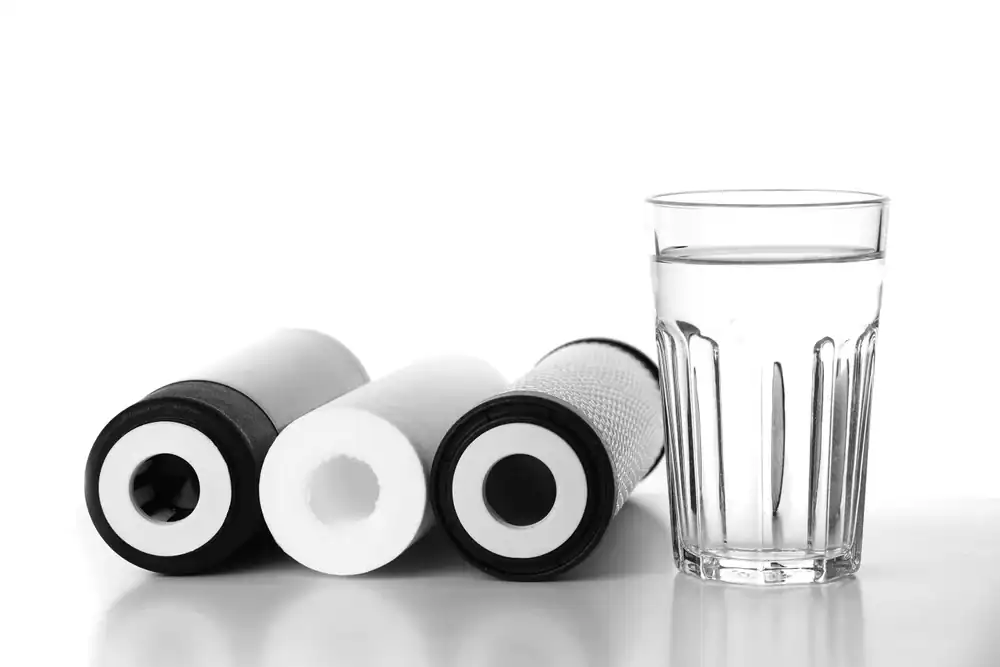
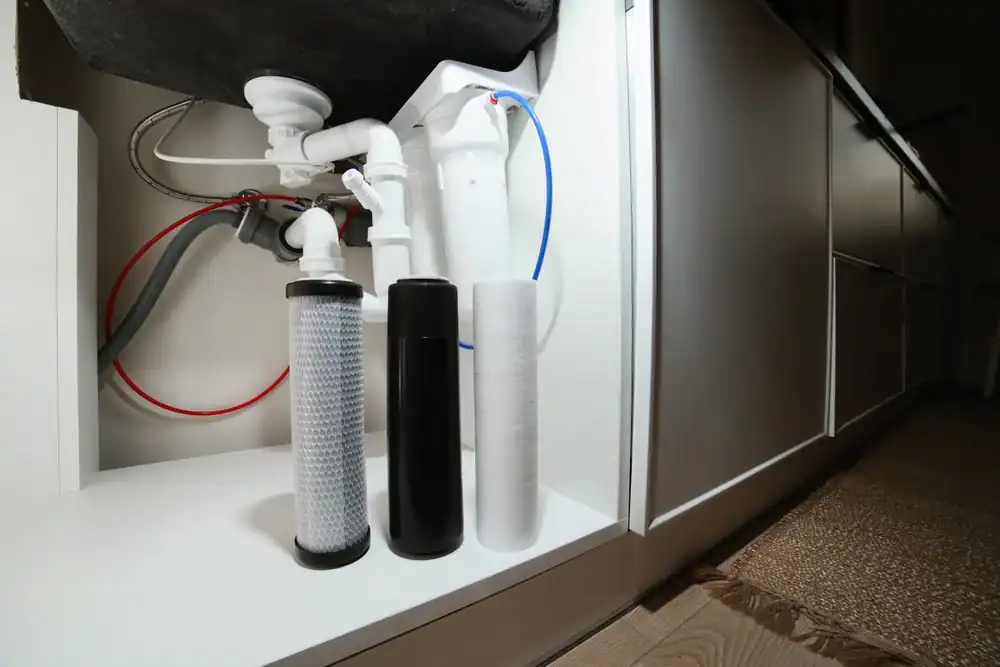
It depends on the system and your water quality, but most whole-house filtration systems need a filter change every 6 to 12 months. If you have an air injection oxidation system, the filter media eventually gets saturated and needs replacing. Same with carbon filters used for sulfur treatment.
UV systems need a bulb replacement about once a year. The bulb loses effectiveness over time even if it still looks like it’s working, so annual replacement keeps bacteria disinfection reliable. Some systems also have pre-filters that catch sediment before it reaches the main treatment components—those might need changing every few months depending on how much sediment is in your water.
We offer service plans that cover all of this. We’ll come out, swap the filters, check the system, and make sure everything’s running the way it should. Or if you’d rather handle it yourself, we’ll show you how and let you know when it’s time. Either way, the maintenance is straightforward. These systems are built to run in the background without much attention.
Yes, certain types can. E. coli and coliform bacteria are the most common concerns in well water, and both can cause gastrointestinal illness, especially in kids, elderly family members, or anyone with a weakened immune system. These bacteria usually enter wells through surface contamination—cracked well casings, flooding, or runoff that seeps into the aquifer.
Iron bacteria and sulfur bacteria won’t make you sick, but they create conditions where harmful bacteria can thrive. They form biofilms inside your pipes and well components, which protect other bacteria from chlorine and other disinfectants. That’s why shocking a well with chlorine often doesn’t solve the problem long-term—the biofilm just grows back.
A whole-house UV disinfection system kills bacteria as water flows through, so nothing living makes it to your taps. It works on E. coli, coliform, and most other waterborne organisms. It’s a permanent solution that doesn’t require chemicals, doesn’t change the taste of your water, and runs automatically. If your water test shows any bacteria, it’s worth installing. The peace of mind alone makes it worthwhile.
Please provide your email address so that we can stay in touch and answer any questions you have! We will be reaching back out shortly.
"*" indicates required fields