Reach Out Today
Please provide your email address so that we can stay in touch and answer any questions you have! We will be reaching back out shortly.

Hear from Our Customers
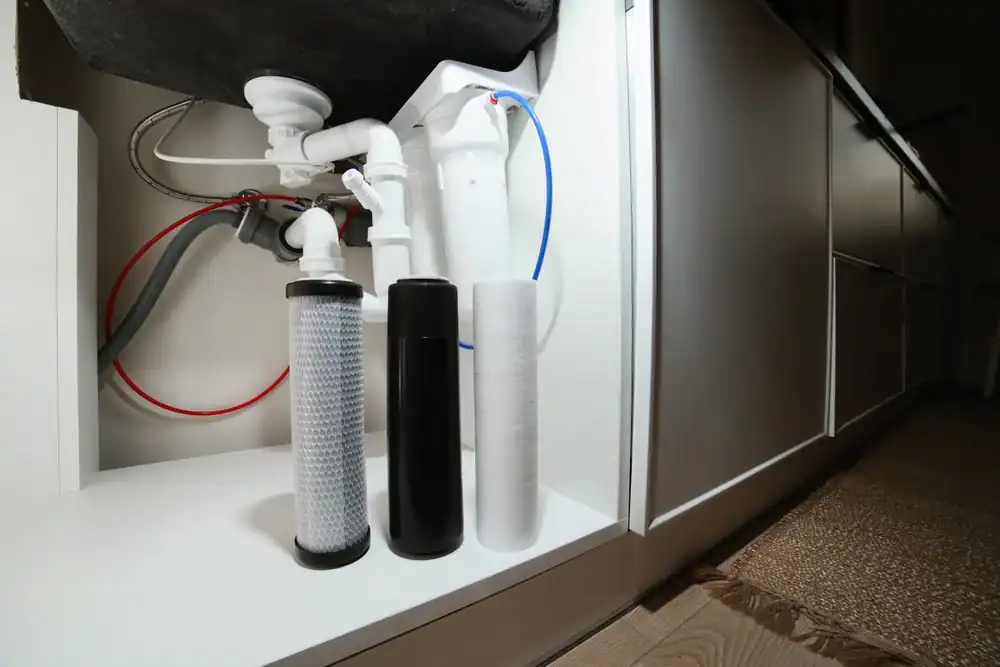
Your water should be clear when it comes out of the tap. It shouldn’t leave rust-colored rings in your toilet or make your bathroom smell like sulfur when someone turns on the shower. It definitely shouldn’t make you second-guess filling a glass from the kitchen sink.
Most well water problems in St. Augustine Shores come down to three things: iron, hydrogen sulfide, and bacteria. All three are common in Florida because of our limestone geology and shallow water table. Iron shows up as orange staining on everything it touches. Hydrogen sulfide creates that unmistakable rotten egg smell. Bacteria can make you sick, and iron bacteria will clog your pipes and damage your appliances.
The right well water filtration system handles all of it. You get water that’s safe to drink, doesn’t smell, won’t stain your fixtures, and stops eating away at your water heater and washing machine. That’s what good water looks like.
We have an A+ Better Business Bureau rating and a 5-star reputation with zero complaints. That doesn’t happen by accident in this industry.
We’ve spent over 50 years working on well water systems across North Florida. We’re members of the National Water Quality Association, and we actually service what we install. A lot of the bigger companies around here have horrible reputations for selling systems and disappearing when something goes wrong.
St. Augustine Shores has unique water chemistry because of the area’s geology. We’ve worked on hundreds of wells in St. Johns County, and we know exactly what you’re dealing with before we even test your water. That experience matters when you’re trying to get rid of sulfur or stop iron from destroying your plumbing.
First, we test your water. Not a basic hardness test—a real analysis that shows us iron levels, sulfur content, bacteria presence, pH, and anything else that’s affecting your water quality. You can’t fix what you don’t measure.
Once we know what’s in your water, we design a system that actually matches your problem. If you’ve got high iron, we might use air injection oxidation to convert dissolved iron into particles we can filter out. For hydrogen sulfide treatment, hydrogen peroxide injection works without adding chlorine or harsh chemicals. If bacteria is the issue, we’ll disinfect your well and install a system that keeps it from coming back.
Installation takes a day in most cases. We’re not plumbers, so we don’t mess with your water heater or fixtures—we focus purely on water treatment. After everything’s running, we walk you through how the system works and what kind of maintenance it needs. Then we’re available whenever you need us, because equipment only works when it’s properly maintained.
The whole process is straightforward. Test, design, install, maintain. No pressure, no gimmicks, just clean water.
Ready to get started?
A whole-house well water filtration system treats every drop of water that enters your home. That means every faucet, every shower, every appliance gets clean water—not just the kitchen sink.
For iron removal systems, we typically use air injection oxidation or hydrogen peroxide injection depending on your iron levels and water chemistry. Both methods are chemical-free or use minimal additives, and both are effective at eliminating the orange staining that’s so common in St. Augustine Shores. About 68% of Florida wells have iron levels above EPA secondary standards, so if you’re seeing stains, you’re not alone.
Hydrogen sulfide treatment gets rid of the sulfur smell. Florida’s limestone is loaded with sulfur compounds, and when sulfur-reducing bacteria get into your well, the result is that rotten egg odor everyone complains about. We eliminate it at the source with oxidation systems that convert the gas into particles we can filter out.
Well water bacteria disinfection is critical if your water test shows any bacterial contamination. We disinfect the well itself, then install filtration that prevents recontamination. This is especially important in areas with older wells or homes built in the 1960s and 70s, which describes a lot of St. Augustine Shores.
Every system is custom-designed based on your water test results and your home’s water usage. There’s no one-size-fits-all approach that actually works.

If your water smells like rotten eggs, leaves orange or brown stains, tastes metallic, or looks cloudy, you need filtration. Those are the obvious signs.
The less obvious signs are appliances failing early, laundry coming out dingy, or soap that won’t lather properly. Iron and sulfur bacteria can also create a slimy buildup in your toilet tank that keeps coming back no matter how much you clean. If any of this sounds familiar, your well water has contamination that a filtration system can fix.
The only way to know for sure what’s in your water is to test it. We recommend a full water analysis that measures iron, sulfur, bacteria, pH, hardness, and other common contaminants. A basic hardness test won’t tell you enough to design an effective system.
Both methods oxidize dissolved iron so it can be filtered out, but they work a bit differently. Air injection oxidation uses compressed air to add oxygen to your water, which converts the iron into rust particles that get trapped in a filter. It’s completely chemical-free and works well for moderate iron levels.
Hydrogen peroxide injection adds a small amount of peroxide to the water, which is a stronger oxidizer than air alone. It handles higher iron levels and also treats hydrogen sulfide at the same time, so it’s a good choice if you’ve got both iron staining and sulfur smell. The peroxide breaks down into water and oxygen, so there’s no chemical residue.
Which one you need depends on your water test results. If you’ve got iron above 5 ppm or sulfur present, hydrogen peroxide is usually the better option. For lower iron levels without sulfur, air injection works great and costs less to operate.
No. Water softeners remove hardness minerals like calcium and magnesium, but they don’t treat hydrogen sulfide gas. If your water smells like rotten eggs, a softener won’t fix it—and in some cases, it can actually make the smell worse by creating an environment where sulfur bacteria thrive.
Hydrogen sulfide treatment requires oxidation to convert the gas into particles that can be filtered out. That’s a completely different process than softening. You need a system specifically designed for sulfur removal, like hydrogen peroxide injection or an air injection oxidation system.
If you have both hard water and a sulfur smell, you’ll need two separate systems: one for sulfur treatment and one for softening. The sulfur system goes first to eliminate the gas, then the softener handles the hardness. Trying to do it all with one piece of equipment doesn’t work.
It depends on the type of system and how contaminated your water is, but most systems need attention every 6 to 12 months. That usually means replacing filters, cleaning injectors, and checking that everything’s operating at the right pressure and flow rate.
Iron filters need backwashing to flush out the accumulated rust particles. Some systems do this automatically on a timer, others need manual backwashing. If you’ve got an air injection system, the air compressor and tank need occasional checks to make sure they’re maintaining proper pressure.
Hydrogen peroxide systems require refilling the peroxide tank, which might be every few months depending on your water usage and contamination levels. It’s not complicated, but it does need to be done consistently or the system stops working effectively.
The biggest mistake people make is ignoring maintenance until something breaks. Regular service keeps your water clean and prevents expensive repairs down the road. We handle all of that for our customers, and we also service systems installed by other companies if you need help with equipment that’s not performing.
Yes, certain bacteria in well water can absolutely make you sick. Coliform bacteria and E. coli are the most concerning because they indicate fecal contamination and can cause serious gastrointestinal illness. Iron bacteria and sulfur bacteria won’t make you sick, but they create slime, odors, and staining that ruin your water quality.
If a water test shows bacterial contamination, the first step is shock chlorination of the well itself. That means introducing a high concentration of chlorine to kill everything in the well and the plumbing system. After the chlorine is flushed out, we retest to make sure the bacteria is gone.
The problem is that bacteria can come back if there’s a source of contamination—like a cracked well casing or surface water seeping in. That’s why we recommend installing a disinfection system after treating the well. UV light systems or chlorine injection systems provide continuous disinfection so bacteria can’t reestablish itself. For well water bacteria disinfection in St. Augustine Shores, UV is usually the cleanest and most effective option because it doesn’t add chemicals to your water.
Please provide your email address so that we can stay in touch and answer any questions you have! We will be reaching back out shortly.
"*" indicates required fields
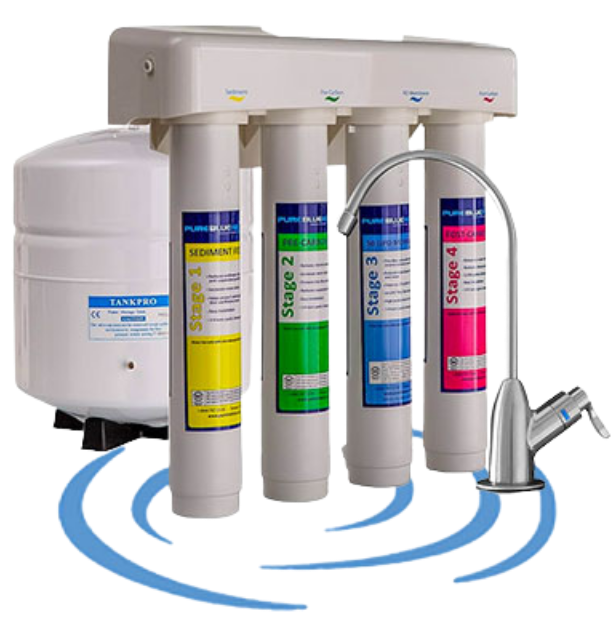
Get a free reverse osmosis drinking water system with the purchase of any whole-home water purification system.
*Cannot be combined with other offers. Mention this special when you call.