Reach Out Today
Please provide your email address so that we can stay in touch and answer any questions you have! We will be reaching back out shortly.

Hear from Our Customers
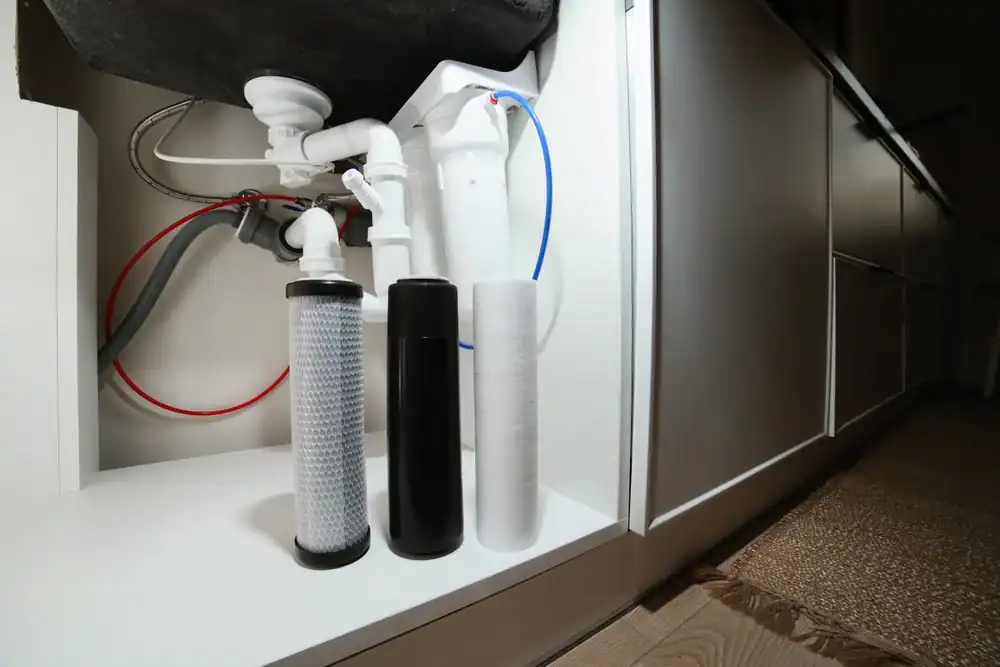
The sulfur smell disappears. Guests stop asking about it, and you stop making excuses.
Your fixtures stay clean. No more scrubbing orange rings off toilets or watching your white laundry turn rust-colored in the wash. Iron staining stops because the iron gets removed before it ever reaches your faucets.
Your appliances last longer. Water heaters, washing machines, and dishwashers aren’t fighting mineral buildup and corrosion anymore. That means fewer repair calls and years added to equipment you’ve already paid for. When bacteria gets eliminated at the source with proper well water bacteria disinfection, you’re not just fixing a smell—you’re protecting your family from conditions that let harmful organisms grow in your pipes.
We’re a member of the National Water Quality Association with an A+ Better Business Bureau rating and a 5-star rating with zero complaints. That doesn’t happen by accident.
We’ve been solving Florida water problems for decades because Florida water is different. The limestone aquifers here dissolve minerals as water moves through them, which is why so many South Eola homes deal with iron, sulfur, and hardness issues that northern transplants never saw before moving here. We design systems specifically for these conditions, not generic solutions that work everywhere and nowhere.
You’re working with a company that supplies the same hospital-grade systems used in health clinics. We don’t do plumbing or water heaters—just water treatment, which means we’re focused on getting this one thing exactly right.
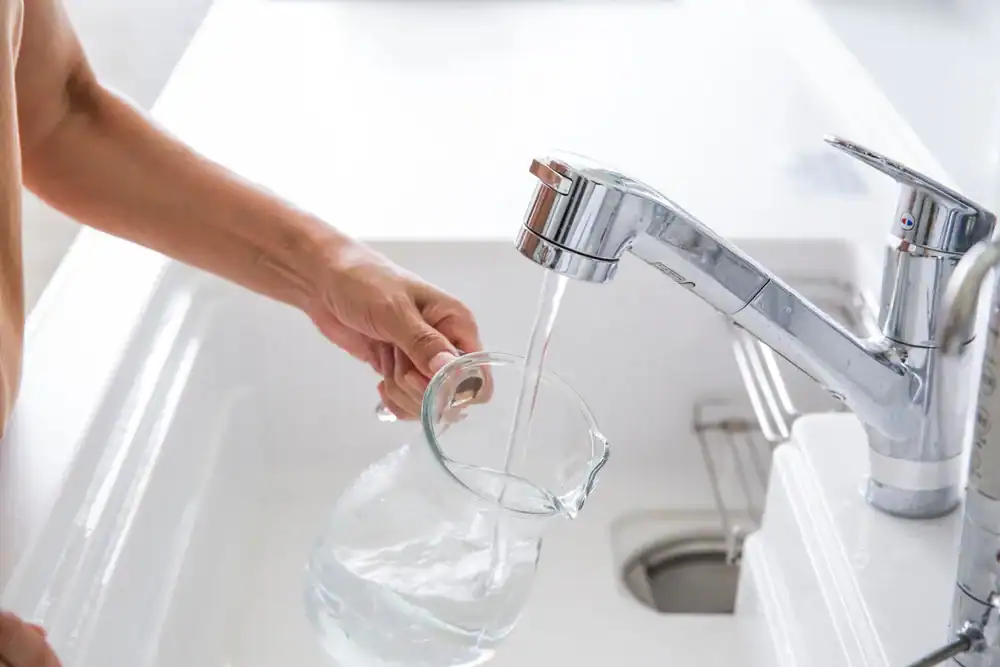
First, we test your water. Not a basic hardness test—a real analysis that identifies what’s actually in your well. Iron levels, sulfur content, bacteria presence, pH, and anything else that affects how your water behaves. This matters because water quality varies widely even between neighboring homes in South Eola, and the right system depends on what your specific well is producing.
Next, we design a system based on those results and your household’s water usage. If you’ve got hydrogen sulfide creating that rotten egg smell, we’ll likely recommend hydrogen peroxide injection or air injection oxidation (AIO) to eliminate it. For iron bacteria that’s staining everything and building up in pipes, we use iron removal systems that work without chemicals and need almost no maintenance. If bacteria is present, a whole house UV disinfection system kills organisms before they reach your taps.
Then we install it. The system gets integrated into your home’s water supply so every faucet, shower, and appliance gets treated water. After installation, you’ll notice the difference immediately—clearer water, no odors, no staining. We walk you through how it works and what to expect going forward, which is usually just occasional filter changes depending on your system type.
Ready to get started?
Every system we install is custom-designed after analyzing your water and understanding your family’s usage patterns. You’re not getting an off-the-shelf unit—this is built for your well, your home, and the specific contaminants showing up in your water test.
The iron removal systems we install are chemical-free and nearly maintenance-free, which matters when you’re dealing with the iron bacteria common in Lake County wells. These systems use air injection oxidation to convert dissolved iron into particles that get filtered out before reaching your pipes. No rust stains, no sludge buildup, no corroded joints.
For sulfur problems, hydrogen peroxide injection or AIO systems eliminate hydrogen sulfide gas at the source. The smell doesn’t get masked—it gets removed. If your water test shows bacteria, whole house UV systems provide hospital-grade disinfection that kills waterborne organisms without adding chemicals to your water.
South Eola sits in an area where well depth and aquifer geology create specific challenges. Shallow wells often have more organic content and bacteria. Deeper wells pull from limestone layers that add hardness and sometimes sulfur. We account for these local factors when recommending equipment, which is why systems that work in other states often fail here.

Start with what you can see and smell. If your water has a rotten egg odor, that’s hydrogen sulfide—a gas that forms when sulfur bacteria break down organic material in your well. It’s not harmful to drink, but it’s unpleasant and embarrassing when guests notice it.
Orange or brown staining on fixtures, in toilets, or on laundry means you have iron in your water. When iron-rich water hits air, it oxidizes and leaves rust-colored marks everywhere. If you see reddish slime in your toilet tank or notice reduced water pressure, that’s likely iron bacteria building up inside your pipes.
The only way to know exactly what’s in your water is to test it. We offer free water analysis that measures iron levels, sulfur content, bacteria presence, pH, hardness, and other contaminants. Even if your neighbor’s water is fine, yours might not be—well water quality varies significantly based on depth and location, even within South Eola.
Water softeners remove hardness minerals like calcium and magnesium through an ion exchange process. They’re great for preventing scale buildup, but they don’t remove iron effectively—especially not the iron bacteria that causes staining and pipe buildup in many South Eola wells.
Iron removal systems use air injection oxidation or hydrogen peroxide injection to convert dissolved iron into solid particles that get filtered out. These systems are designed specifically to handle the iron concentrations common in Florida well water, which often exceed what softeners can manage. They’re also chemical-free and require minimal maintenance compared to systems that need regular chemical additions.
If you have both hardness and iron problems, you’ll likely need both systems working together. We test your water first to determine what’s actually present, then design a treatment plan that addresses all the issues—not just one. Many homeowners assume a softener will fix everything, then get frustrated when staining continues. That’s because softeners and iron removal systems solve different problems.
Hydrogen sulfide is a gas dissolved in your water that creates the rotten egg smell. Treatment works by either oxidizing the gas so it can be filtered out, or by injecting a solution that neutralizes it before water enters your home.
Air injection oxidation (AIO) systems introduce oxygen into your water, which converts hydrogen sulfide gas into sulfur particles. Those particles get trapped in a filter, and the gas smell is eliminated. These systems work well for moderate sulfur levels and don’t require chemicals or constant maintenance.
For higher sulfur concentrations, hydrogen peroxide injection is more effective. A small pump adds hydrogen peroxide to your water line, which oxidizes the hydrogen sulfide immediately. The reaction happens fast, and you’re left with clean, odor-free water throughout your home. Both methods remove the smell at the source—you’re not covering it up or filtering it out after the fact.
Which system works best depends on your sulfur levels and water chemistry, which is why testing comes first. Some wells in South Eola have trace amounts that AIO handles easily. Others have concentrations high enough that hydrogen peroxide injection is the only reliable solution.
It depends on the type of bacteria. Iron bacteria isn’t harmful to ingest, but it creates conditions where more dangerous bacteria can thrive. It forms a slimy biofilm inside pipes that protects other organisms, reduces water flow, and corrodes plumbing at joints. If you’ve got iron bacteria, your pipes are becoming a breeding ground for things you don’t want in your drinking water.
Coliform bacteria and E. coli are health risks. If your water test shows either, you need disinfection immediately. These bacteria indicate contamination from surface water or septic systems, and they can cause serious illness.
Well water bacteria disinfection typically uses UV light systems. Water flows through a chamber where high-intensity ultraviolet light kills bacteria, viruses, and other microorganisms by damaging their DNA. It’s the same technology hospitals use, and it works without adding chemicals to your water. No chlorine taste, no byproducts—just effective disinfection.
UV systems need to be sized correctly for your flow rate and installed after sediment filtration to work properly. If your water is cloudy or has particles in it, those can shield bacteria from UV light. That’s why whole house filtration systems often combine multiple treatment stages—sediment removal, iron or sulfur treatment, then UV disinfection as the final barrier.
System cost depends on what your water test reveals and what treatment stages you need. A basic iron removal system runs differently than a complete setup with sulfur treatment, bacteria disinfection, and softening. We don’t give ballpark numbers before testing because recommending equipment without knowing what’s in your water leads to undersized systems that don’t solve the problem.
What we can tell you is that proper filtration costs less than the damage untreated water causes. Replacing a corroded water heater runs $1,200 to $2,000. A new washing machine is $600 to $1,500. Replumbing sections of your house because iron bacteria has clogged the lines costs thousands. When you add up appliance replacements, plumbing repairs, and the ongoing cost of bottled water, treatment systems pay for themselves.
We offer free water analysis and system design consultations. Once we know what’s in your water and what your household needs, we’ll give you an exact price for equipment and installation. No surprises, no upselling—just a clear explanation of what you need and what it costs. We also offer a $500 discount for military members and first responders, which helps offset the investment for families who’ve served.
Please provide your email address so that we can stay in touch and answer any questions you have! We will be reaching back out shortly.
"*" indicates required fields