Reach Out Today
Please provide your email address so that we can stay in touch and answer any questions you have! We will be reaching back out shortly.

Hear from Our Customers
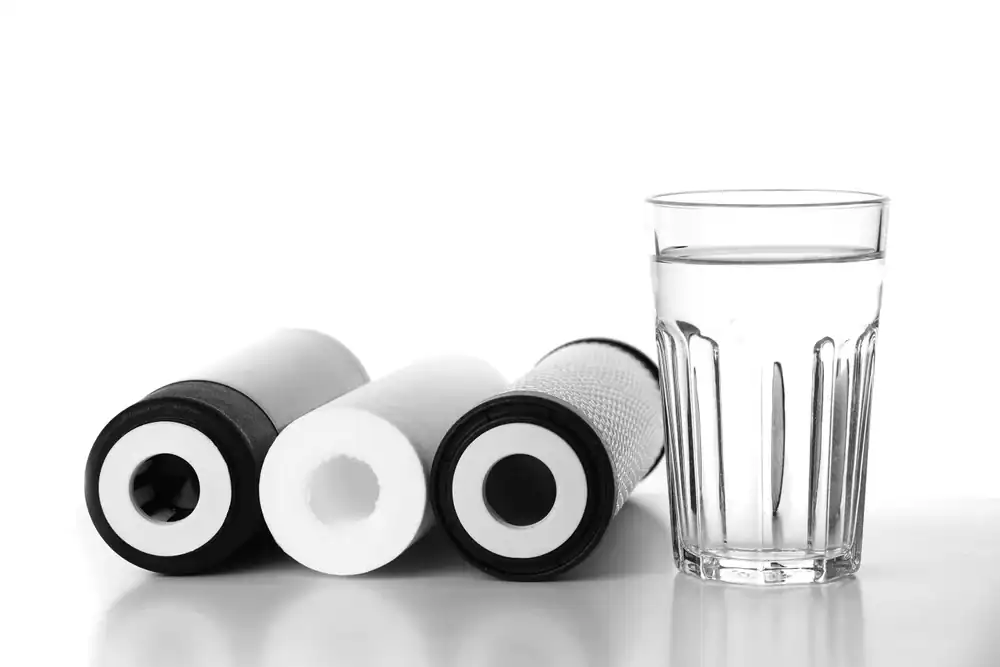
The orange stains disappear from your toilets and sinks. Your laundry comes out white instead of rust-colored. The rotten egg smell stops making you embarrassed when guests use your bathroom.
Your water heater lasts longer because it’s not fighting mineral buildup. Your dishwasher actually cleans dishes instead of coating them with film. Your coffee tastes like coffee, not like pennies.
These aren’t small conveniences. When your well water filtration system handles iron removal and hydrogen sulfide treatment properly, you stop spending money on bottled water, constant cleaning supplies, and premature appliance replacements. You stop wondering if the water is safe for your kids to drink.
Silver Springs Shores East sits right on the Floridan Aquifer, which means your groundwater runs through limestone loaded with iron, sulfur compounds, and bacteria. The geology here creates specific problems that generic big-box filters can’t touch. You need a system designed for what’s actually in your water, not what might be in someone else’s.
We focus entirely on well water filtration for North and Central Florida homes. We’re not plumbers who dabble in water systems. We don’t sell water heaters or fix leaks.
We test your specific water, design a system for your specific problems, and install equipment that actually works in Florida’s unique conditions. Our A+ Better Business Bureau rating with zero complaints isn’t an accident. Neither is our membership in the National Water Quality Association.
We’ve been serving Marion County and surrounding areas long enough to know exactly what Silver Springs Shores East well water does to homes. The iron bacteria that creates that rusty slime in your toilet. The sulfur-reducing bacteria that makes your water smell like eggs. The hardness levels that destroy appliances and leave your skin feeling like sandpaper.
First, we test your water. Not a basic hardness test, but a comprehensive analysis that identifies iron levels, sulfur bacteria, pH, total dissolved solids, and any other contaminants affecting your specific well. This tells us exactly what we’re dealing with.
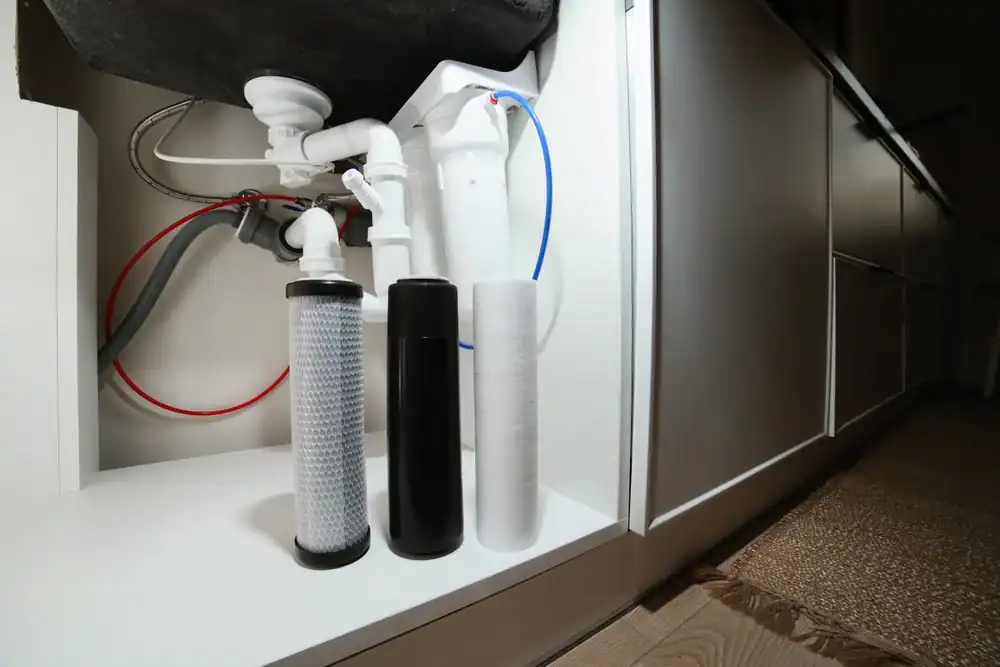
Then we design a system based on those results. If you have iron bacteria, we might recommend an air injection oxidation system that converts dissolved iron into particles that can be filtered out. If hydrogen sulfide is your problem, hydrogen peroxide injection might be the answer. If you’re dealing with both plus hard water, you’ll need a multi-stage approach.
Installation typically takes a day. We’re not cramming equipment into spaces where it doesn’t fit or cutting corners on plumbing connections. The system gets installed correctly so it works correctly.
After installation, we walk you through maintenance requirements. Most systems need minimal attention, but you should know what to watch for and when to call us. We service what we sell, which apparently makes us different from some of the national companies operating in Florida.
Ready to get started?
Your well water filtration system gets built around your water test results, but most Silver Springs Shores East homes need similar components. Iron removal systems typically use air injection oxidation, which forces oxygen into your water to oxidize dissolved iron before filtering it out. This handles the orange staining and that metallic taste.
For hydrogen sulfide treatment, we often use hydrogen peroxide injection. This oxidizes the sulfur bacteria and eliminates the rotten egg odor at the source, not just masking it with carbon filters that stop working after a few weeks. The system injects a precise amount of peroxide based on your water flow and contamination levels.
Hard water gets addressed with a properly sized water softener. Florida’s groundwater typically runs between 15-20 grains per gallon of hardness. Your system will reduce that to less than one grain per gallon, which eliminates scale buildup in your pipes, water heater, and appliances.
Well water bacteria disinfection happens through the oxidation process. When we treat for iron and sulfur bacteria, we’re also handling the bacterial contamination that comes with them. Some situations require additional UV disinfection, but that depends on your specific water analysis.
Every system includes professional installation, startup, and a walkthrough of your equipment. Military members and first responders get $500 off, because that’s just how we operate.

Your water tells you exactly what it needs. Orange or brown stains on your fixtures, in your toilets, or on your laundry mean you have iron problems. A rotten egg smell when you turn on the tap means hydrogen sulfide from sulfur bacteria.
Sometimes you’ll see a rusty slime in your toilet tank or notice a swampy, musty odor instead of the classic rotten egg smell. That’s iron bacteria, which is slightly different from straight iron contamination but still requires treatment. If your water leaves black stains, you might be dealing with manganese along with iron.
The only way to know for certain what’s in your water is to test it. A comprehensive water analysis identifies the specific contaminants and their concentrations, which determines what type of filtration system you need. Some wells have multiple issues, iron plus sulfur plus hardness, which means you need a system that addresses all three. Guessing doesn’t work. Testing does.
Air injection oxidation works by forcing oxygen into your water, which converts dissolved iron and manganese into solid particles that can be filtered out. The system uses a compressor to inject air into a retention tank, giving the oxygen time to react with the minerals before the water passes through a filter. This method works well for iron and manganese but doesn’t handle hydrogen sulfide as effectively.
Hydrogen peroxide injection uses a chemical oxidizer instead of just air. The system injects a small amount of hydrogen peroxide into your water line, which oxidizes iron, manganese, and hydrogen sulfide. It’s more aggressive than air injection and handles a wider range of contaminants, especially sulfur bacteria that cause that rotten egg smell.
Which one you need depends on your water test results. If you only have iron, air injection might be sufficient and costs less to operate. If you have sulfur problems along with iron, hydrogen peroxide injection typically works better. Some situations call for a combination approach. This is why testing your water first matters, you’re not guessing which technology might work, you’re choosing the right solution for your specific contamination.
A properly installed and maintained system typically lasts 15-20 years before major components need replacement. The control valves and tanks are built to handle decades of use. The media inside the tanks, the stuff that actually filters your water, needs replacement every 5-10 years depending on your water quality and household usage.
Florida’s water is harder on filtration systems than water in other states because of the high mineral content and bacterial activity in our aquifer. Your system works harder here, which means maintenance matters more. If you ignore basic upkeep like checking salt levels in your softener or replacing pre-filters when needed, you’ll shorten the system’s life.
The national average for water filtration equipment replacement is around 15 years, but that includes systems that weren’t sized correctly or installed properly. When your system matches your actual water conditions and gets installed by someone who knows what they’re doing, it lasts longer and performs better throughout its life. The upfront investment in the right equipment pays off in longevity and fewer repair calls.
No. Water softeners remove hardness minerals like calcium and magnesium through ion exchange. They’re not designed to handle iron or sulfur bacteria, and trying to use them for that purpose will damage the resin bed and void your warranty.
Some softener companies will tell you their system can handle “a little bit” of iron, usually up to 3-5 parts per million. That’s technically true for clear water iron in very specific conditions, but it’s not a good long-term solution. The iron eventually fouls the resin, reduces the softener’s efficiency, and creates maintenance problems. And it does nothing for sulfur bacteria or the rotten egg smell.
If you have hard water plus iron or sulfur contamination, you need a multi-stage system. The iron removal or hydrogen sulfide treatment happens first, then the water passes through the softener. This protects your softener from iron fouling and ensures both systems work the way they’re supposed to. Trying to make one piece of equipment do jobs it wasn’t designed for just means you’ll be replacing it sooner and dealing with water quality problems the whole time.
Whole-house well water filtration systems typically range from $3,000 to $8,000 depending on what your water needs. A basic water softener for hardness alone runs on the lower end. A complete system with iron removal, sulfur treatment, and softening runs higher.
Your specific cost depends on your water test results, your household size, and your water usage. A family of two with moderate iron problems needs different equipment than a family of five dealing with severe sulfur bacteria and hardness. The system has to be sized correctly to handle your peak water demand, which affects equipment costs.
Installation complexity also factors in. If your well setup allows for straightforward installation with good access and adequate space, labor costs stay reasonable. If we’re working in a tight crawlspace or need to relocate equipment for proper function, that adds to the project cost. We give you an exact price after testing your water and evaluating your installation requirements. Military members and first responders get $500 off whatever that number is. The investment protects your plumbing, extends your appliance life, and stops you from buying bottled water or replacing stained fixtures, which means it pays for itself over time.
Please provide your email address so that we can stay in touch and answer any questions you have! We will be reaching back out shortly.
"*" indicates required fields