Reach Out Today
Please provide your email address so that we can stay in touch and answer any questions you have! We will be reaching back out shortly.

Hear from Our Customers
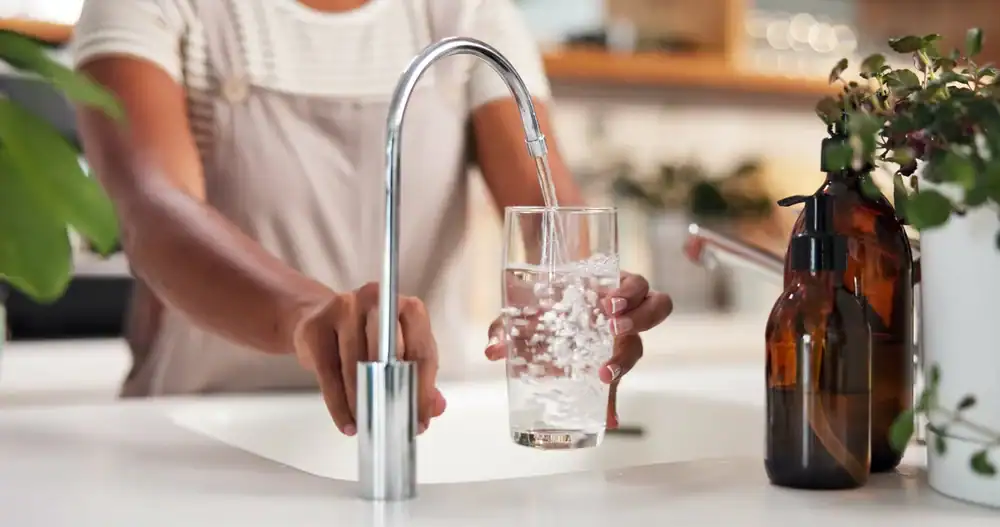
You turn on the tap and the water runs clear. No orange streaks in the sink. No rotten egg smell when someone takes a shower. No metallic taste in your coffee.
That’s what happens when your well water filtration system actually works. The iron stops staining your fixtures and ruining your laundry. The sulfur smell disappears completely. Your appliances last longer because they’re not fighting corrosive minerals every day.
You stop worrying about what’s in the water your family drinks. The embarrassment when guests come over goes away. And you’re not replacing water heaters or washing machines years earlier than you should.
We’ve been fixing well water problems in San Jose and throughout Lake County for years. Not as a side service, but as what we specialize in.
We’re members of the National Water Quality Association. We hold an A+ Better Business Bureau rating with a 5-star review average and zero complaints. That matters when you’re trusting someone with your home’s water supply.
San Jose sits right on top of Florida’s limestone aquifer system. That means iron, sulfur, and bacteria are common here. We’ve seen every version of these problems, and we know exactly how to fix them for the long term.
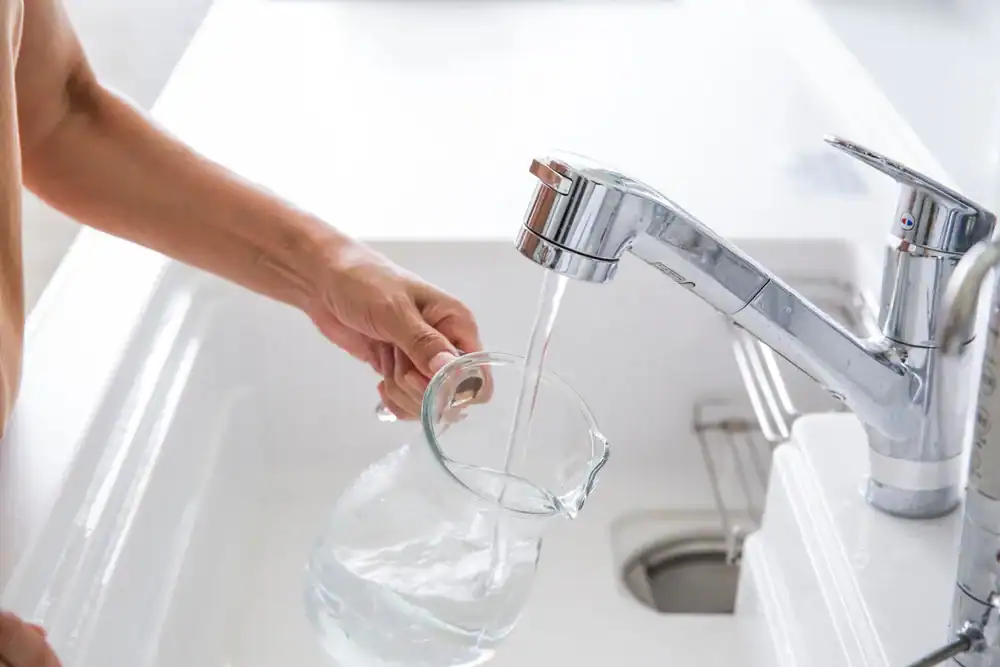
We start with a free water analysis at your home. We test for iron, sulfur, bacteria, hardness, and pH levels. This tells us exactly what’s in your water and what system you actually need.
Then we walk you through your options. If you’ve got iron staining, we might recommend an air injection oxidation system that converts dissolved iron into particles your filter can catch. For sulfur, hydrogen peroxide injection often works best because it oxidizes the hydrogen sulfide without adding chemicals that affect taste. If bacteria’s the issue, UV disinfection kills it without chlorine.
Once you choose a system, we handle the installation. Most whole-house systems take a day to install. We connect everything to your main water line so every tap in your home gets treated water. After installation, we test the water again to confirm everything’s working right.
Ready to get started?
A whole-house well water filtration system treats all the water entering your home. That means every faucet, every shower, every appliance gets clean water.
In San Jose, most systems need to handle multiple issues at once. Florida’s warm groundwater creates perfect conditions for iron bacteria to thrive in the limestone aquifer beneath us. These bacteria convert sulfates into hydrogen sulfide gas, which is where that rotten egg smell comes from. The same geology that gives us abundant groundwater also dissolves iron and manganese into it.
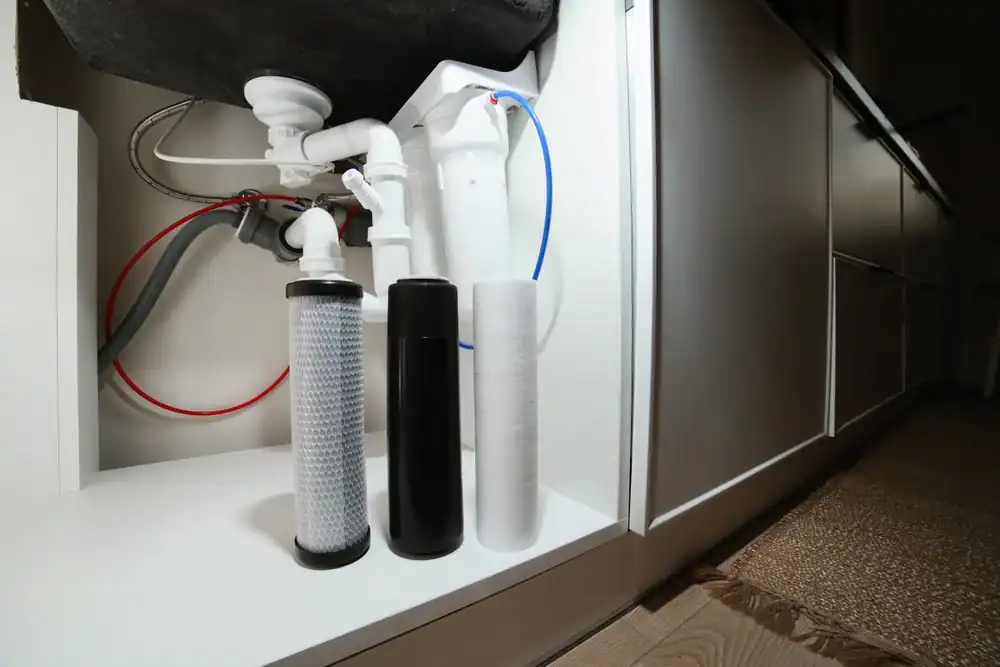
Your system might include an oxidation stage, a filtration stage, and a disinfection stage depending on what your water test shows. The oxidation converts dissolved minerals into particles. The filter catches those particles. And UV light or other disinfection methods kill any bacteria.
You’ll also get a maintenance schedule. Most systems need a filter change once or twice a year. Some need periodic cleaning. We’ll show you what to watch for and when to call us.

You’ll usually know because you can see, smell, or taste the problem. Orange or brown stains on your sinks, tubs, and toilets mean you’ve got iron in your water. A rotten egg smell, especially when the water’s hot, means hydrogen sulfide from sulfur bacteria. A metallic taste points to dissolved iron or manganese.
Even if your water looks and smells fine, you might still have bacteria. That’s why we recommend testing your well water at least once a year. Surface contamination can introduce bacteria through cracks in your well casing, or bacteria can exist naturally in the oxygen-depleted environment deep underground.
If your water heater’s failing early, if your plumbing fixtures are corroding faster than they should, or if your laundry comes out dingy even with bleach, those are signs too. The damage adds up over time, and fixing it costs more than preventing it.
A water softener removes hardness minerals like calcium and magnesium through an ion exchange process. It helps with scale buildup and makes soap work better. But it doesn’t remove iron effectively, especially if you have more than trace amounts.
Iron removal systems use oxidation to convert dissolved iron into solid particles that a filter can catch. Air injection oxidation systems inject air into your water, which oxidizes the iron. Hydrogen peroxide injection does the same thing chemically. Once the iron’s oxidized, a filter media like manganese greensand or a sediment filter traps it.
If you have both hard water and iron, you might need both systems. We install the iron removal first, then the softener. That way the softener doesn’t get fouled with iron, which would ruin its resin bed and make it stop working.
Yes, if it’s designed correctly for your specific situation. Hydrogen sulfide treatment depends on how much sulfur is in your water and what form it’s in.
For low to moderate levels, hydrogen peroxide injection works well. It oxidizes the hydrogen sulfide into sulfur particles that get filtered out. For higher levels, we might use an air injection oxidation system combined with a catalytic carbon filter. The carbon removes the oxidized sulfur and any remaining odor.
If you’ve got sulfur bacteria living in your well or plumbing, we’ll need to shock the system with chlorine first to kill the bacteria, then install a UV disinfection system to prevent them from coming back. Just filtering the water won’t solve the problem if the bacteria keep producing more hydrogen sulfide.
The key is testing your water first so we know exactly what we’re dealing with. Then we can design a system that actually eliminates the smell instead of just masking it.
UV disinfection is the most common method. A UV light inside a chamber kills bacteria, viruses, and other microorganisms as water flows past it. It’s effective, doesn’t change the taste of your water, and doesn’t require any chemicals.
The UV light damages the DNA of microorganisms so they can’t reproduce. As long as the water flows at the right speed and the UV bulb is working, it kills 99.99% of bacteria. You do need to replace the bulb once a year because the UV output decreases over time, but that’s simple maintenance.
For UV to work properly, your water needs to be clear. If you have iron or sediment, we install filtration before the UV system. Particles in the water can shield bacteria from the UV light, which reduces effectiveness.
Some situations call for hydrogen peroxide injection instead, especially if you’re already using it for iron or sulfur treatment. Peroxide kills bacteria chemically. We’ll recommend whichever method makes the most sense for your water and your budget.
It depends entirely on what your water needs. A basic iron filter might run a few thousand dollars. A complete system that handles iron, sulfur, bacteria, and hardness can cost significantly more.
The price reflects what you’re getting. You’re treating every drop of water in your home, protecting your appliances and plumbing, and eliminating health risks from contamination. Compare that to replacing a water heater every five years instead of every ten, or dealing with corroded fixtures and stained laundry.
We offer a free water analysis and estimate. Once we test your water, we’ll show you exactly what system you need and what it costs. We don’t push you toward the most expensive option. We show you what will actually solve your problem.
We also offer a $500 discount for military members and first responders. If you’ve served, we want to make sure you can afford clean water for your family.
Please provide your email address so that we can stay in touch and answer any questions you have! We will be reaching back out shortly.
"*" indicates required fields