Reach Out Today
Please provide your email address so that we can stay in touch and answer any questions you have! We will be reaching back out shortly.

Hear from Our Customers
No more orange rings around your toilets. No more embarrassment when guests use your bathroom or comment on the smell. No more scrubbing stains that reappear two days later.
When your well water filtration system is designed right, your water stops destroying your fixtures and starts behaving like water should. Clear coming out of every faucet. No metallic taste. No sulfur odor that makes you hold your breath in the shower.
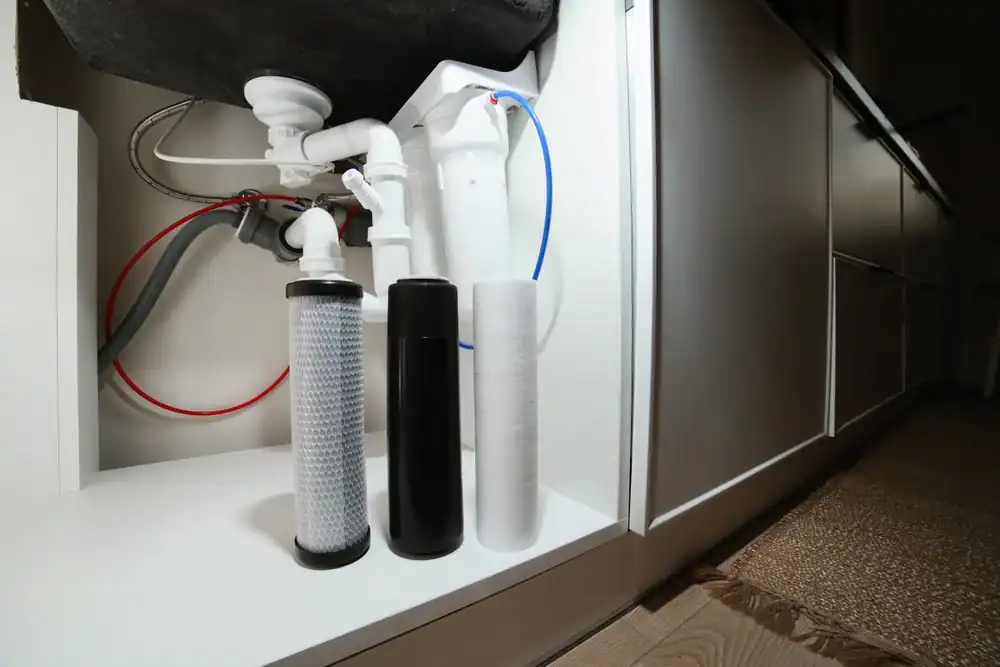
Your appliances last longer because they’re not fighting mineral buildup and bacterial iron every day. Your water heater stops failing every few years. Your washing machine actually cleans clothes instead of staining them. That’s what happens when iron removal systems and hydrogen sulfide treatment are matched to your specific water chemistry, not just pulled off a shelf.
We’ve spent over 50 years analyzing well water in Sampson and throughout Central Florida. We’re A-rated by the BBB with a 5-star rating and zero complaints because we show up, we fix it right, and we’re still here when you need us.
We’re members of the National Water Quality Association. We offer $500 off for military and first responders. And we don’t sell you equipment then disappear—we’re local, we service what we install, and we understand the limestone aquifer issues that make Sampson well water so challenging.
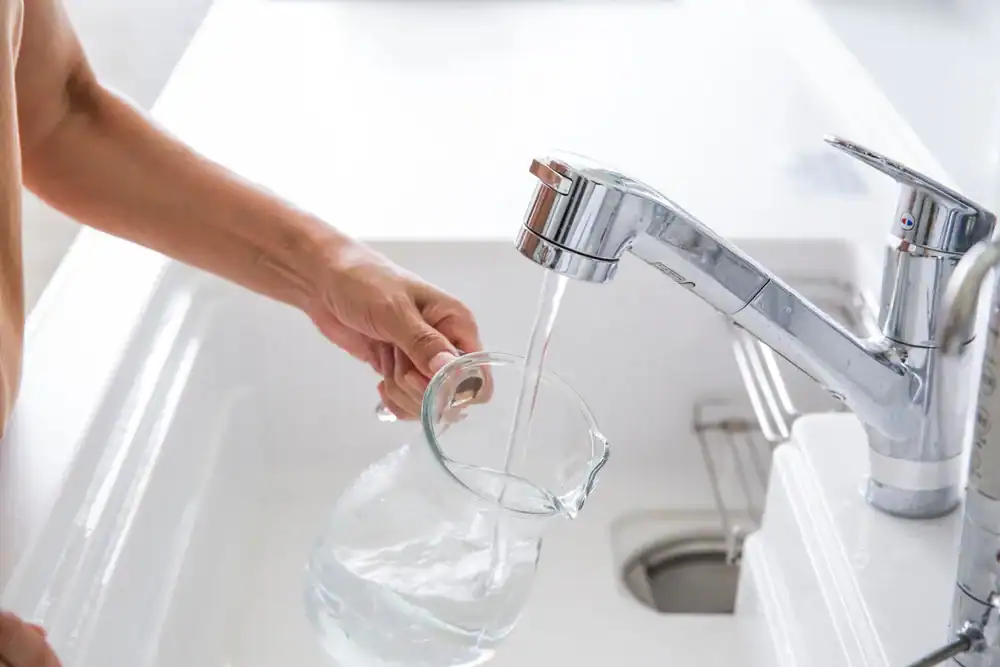
First, we test your water. Not a basic hardness test—a real analysis that shows us iron levels, sulfur compounds, bacteria presence, pH, and what’s actually causing your problems.
Then we design a system based on your results and your household size. If you’ve got bacterial iron, we’re likely using hydrogen peroxide injection or air injection oxidation to kill it before it clogs your pipes. If hydrogen sulfide is creating that rotten egg smell, we’re treating it at the source with the right filtration media or oxidation process.
We install the whole-house system so every faucet, every shower, every appliance gets treated water. No money down. Free trial period. And if something needs adjustment after install, we come back. That’s how well water bacteria disinfection and iron removal should work—custom, complete, and backed by people who answer the phone.
Ready to get started?
Your system treats everything. Drinking water, shower water, laundry, dishwasher—every drop that enters your home gets filtered before it reaches a faucet.
In Sampson, most well water sits on top of Florida’s limestone aquifer, which means you’re dealing with mineral content and bacteria that thrive in our warm climate. Your system accounts for that. It’s engineered for Florida conditions, not generic nationwide water problems.
You get the equipment, professional installation, and a free water analysis that tells you exactly what’s in your water before we recommend anything. We’re not pushing the most expensive option—we’re installing what actually works for your specific well water chemistry. And because we’ve been doing this in Central Florida for 50 years, we’ve seen every combination of iron, sulfur, and bacteria this aquifer can produce.

That smell is hydrogen sulfide gas, and it’s common in Sampson because of our aquifer geology. Sulfur bacteria break down organic material in the groundwater and produce the gas as a byproduct.
It’s not always a health risk, but it’s unpleasant and it indicates bacteria are present in your water system. Hydrogen sulfide treatment uses oxidation—either through aeration, hydrogen peroxide injection, or chlorination—to convert the gas into particles that get filtered out before the water reaches your taps.
The right approach depends on your sulfur concentration. Low levels might only need an air injection oxidation system. Higher concentrations need hydrogen peroxide or a more aggressive filtration setup. That’s why testing matters—you can’t guess your way to a solution that actually eliminates the smell.
Iron. Sampson well water pulls iron from the limestone and soil as it moves through the aquifer. When that iron-rich water hits oxygen—like when it sits in your toilet bowl—it oxidizes and leaves behind rust-colored stains.
You’re dealing with either ferrous iron (dissolved, clear water that stains after exposure to air) or ferric iron (already oxidized, shows up as orange water right out of the tap). Sometimes you’ve also got bacterial iron, which is worse because it creates a slimy buildup inside your pipes and water heater.
Iron removal systems use oxidation and filtration to pull iron out before it enters your plumbing. For bacterial iron, you need disinfection first—usually hydrogen peroxide or chlorination—to kill the bacteria, then filtration to catch the iron particles. The stains stop because the iron never makes it to your fixtures.
It depends on what’s in your water and how much water your household uses. A basic iron and sulfur system might run a few thousand dollars. A more complex setup with bacteria disinfection, hydrogen peroxide injection, and multi-stage filtration costs more.
But here’s what matters: a properly designed system pays for itself. You stop replacing water heaters every few years. You stop buying expensive cleaning products to fight stains. Your appliances last longer because they’re not clogged with mineral buildup and bacterial slime.
Most systems pay themselves back within two to three years just in avoided maintenance and replacement costs. We don’t charge money down, and we offer a free trial period so you can see the results before you’re locked in. You’re not buying a product—you’re fixing a problem that’s costing you money every month you wait.
Probably both, but it depends on your water test. A water softener handles hardness—calcium and magnesium that create scale buildup. A filtration system handles iron, sulfur, and bacteria.
In Sampson, most well water has both problems. You’ve got hardness from the limestone aquifer and iron or sulfur from organic material and bacteria in the groundwater. If you only install a softener, you’ll still have staining and odor. If you only install a filter, you’ll still have scale buildup on your fixtures and inside your water heater.
The right setup treats everything in the correct order. Typically that means oxidation and filtration first to remove iron and kill bacteria, then softening to handle hardness. We design it as one integrated system so you’re not patching together equipment that wasn’t meant to work together.
Slime in your toilet tank is the obvious sign. If you lift the lid and see reddish-brown or black slime on the walls or floating in the water, that’s bacterial iron. It’s not just staining—it’s a living organism feeding on iron in your water.
Other signs: your water has a musty or swampy smell, your faucet aerators clog frequently with a slimy buildup, or your water softener or filters need cleaning way more often than they should. Bacterial iron clogs everything it touches and creates conditions for other harmful bacteria like coliform to thrive.
The only way to know for sure is a bacteria test. We include that in our free water analysis. If bacteria are present, well water bacteria disinfection has to happen before any other treatment. You can’t just filter it out—you have to kill it first with chlorination, hydrogen peroxide, or UV light, then filter the dead bacteria and iron particles. Otherwise you’re just feeding the bacteria and watching your system fail.
Please provide your email address so that we can stay in touch and answer any questions you have! We will be reaching back out shortly.
"*" indicates required fields