Reach Out Today
Please provide your email address so that we can stay in touch and answer any questions you have! We will be reaching back out shortly.

Hear from Our Customers
You stop scrubbing orange rings off your toilet. The rotten egg smell disappears when you turn on the tap. Your water heater lasts years longer because it’s not clogged with sediment and minerals.
That’s what happens when your well water filtration system is designed around what’s actually in your water, not what some national company assumes is there. In Salt Springs, that means dealing with iron, hydrogen sulfide, tannins, and sometimes bacteria. The limestone aquifer beneath Central Florida creates specific problems, and treating them correctly means your appliances last longer, your skin doesn’t dry out after every shower, and you’re not buying bottled water by the case.
Clean water isn’t a luxury. It’s what you should’ve had from the start.
We don’t install water heaters or fix leaks. We focus entirely on water purification, softening, and filtration because that’s what we’re good at. We’re members of the National Water Quality Association, hold an A+ rating with the Better Business Bureau with zero complaints, and we’ve built our reputation on actually servicing what we sell.
If you’re in Salt Springs, you know the water here comes with challenges. Iron staining, sulfur odors, hardness, and occasional bacteria are common because of the aquifer system we’re sitting on. We test your water first, then design a system that addresses what’s actually there. No guessing. No overselling.
We also offer a $500 discount for military members and first responders, and we support the Tunnels to Towers Foundation.
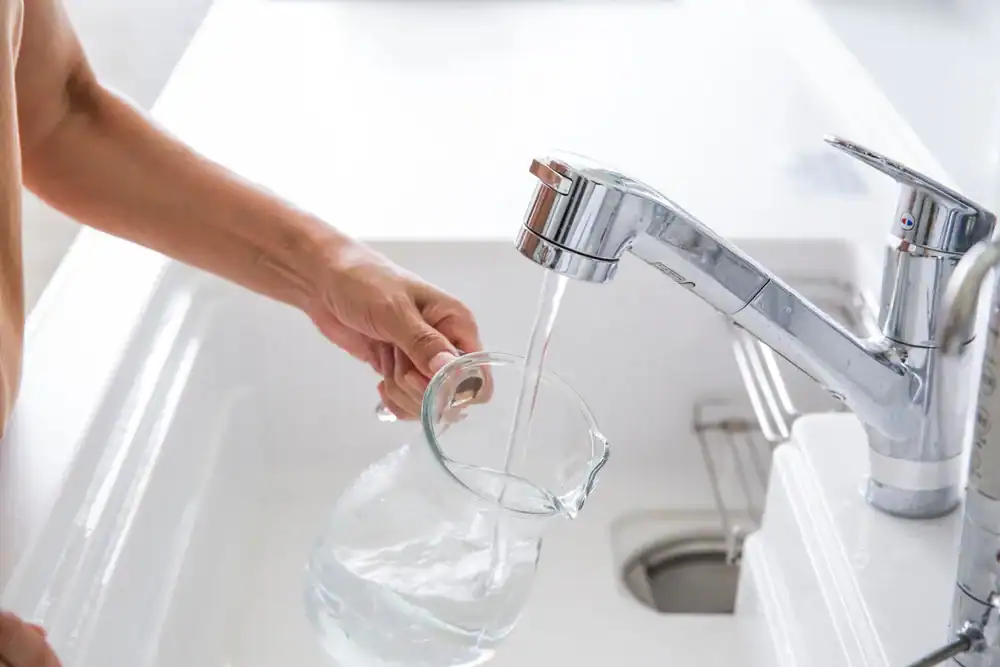
First, we test your water. Not a basic hardness test, but a full analysis that shows us iron levels, sulfur content, pH, bacteria, tannins, and anything else that’s affecting your water quality. That tells us what treatment methods will actually work.
Then we design a system based on your results and your household’s water usage. If you’ve got high iron, we might recommend an air injection oxidation system that converts dissolved iron into particles a filter can catch. If hydrogen sulfide is the issue, hydrogen peroxide injection or aeration can eliminate that rotten egg smell. For bacteria, UV disinfection is often the most effective route.
We install the system, test it to make sure it’s performing correctly, and show you how to maintain it. Then we stay available for service, filter changes, and any adjustments down the road. Most whole-house systems need minimal maintenance once they’re dialed in, but we don’t disappear after installation like some of the national companies do.
Ready to get started?
Every system we install starts with a free water analysis at your home. We’re looking at iron levels, sulfur content, hardness, pH, bacteria, and total dissolved solids. In Salt Springs, iron and sulfur are almost guaranteed, but the concentrations vary, and that determines which treatment method works best.
For iron removal, we typically use air injection oxidation systems or hydrogen peroxide injection, depending on your levels and whether you’re also dealing with sulfur. These systems oxidize the iron so it can be filtered out before it reaches your faucets, appliances, and fixtures. If you’ve got hydrogen sulfide causing that rotten egg odor, the same oxidation process handles it.
Bacteria disinfection usually involves UV treatment or chlorination, depending on the severity. Hardness gets addressed with a water softener if needed, which also protects your appliances and plumbing from scale buildup. The goal is a system that handles everything in one pass so you’re not dealing with multiple units or complicated maintenance.
We design it, install it, and make sure it’s working correctly before we leave. Then you’ve got clean water throughout your entire house, not just at one tap.

If you’re seeing orange or brown stains in your sinks, tubs, or toilets, that’s iron. If your water smells like rotten eggs, that’s hydrogen sulfide. If your skin feels dry after showers or your soap doesn’t lather well, you’ve got hard water.
Those are the obvious signs, but there are others. A metallic taste means dissolved iron. Slimy buildup in your toilet tank could be iron bacteria. Black staining usually points to manganese. And if your water looks cloudy or tea-colored, tannins are likely the issue.
The only way to know exactly what’s in your water is to test it. We do that for free. A proper analysis shows iron levels, sulfur content, pH, hardness, bacteria, and other contaminants. Then you’re not guessing about what treatment you actually need.
A water softener removes hardness minerals like calcium and magnesium through an ion exchange process. It helps with scale buildup, soap performance, and appliance longevity, but it doesn’t remove iron effectively, especially at higher concentrations.
Iron removal systems use oxidation to convert dissolved iron into solid particles that can be filtered out. Air injection oxidation systems inject air into the water, which oxidizes the iron. Hydrogen peroxide injection does the same thing chemically. Both methods handle iron better than a softener alone, and they also treat hydrogen sulfide if that’s present.
If you’ve got both hardness and iron, which is common in Salt Springs, you typically need both systems working together. The iron filter comes first to remove the iron, then the softener handles the hardness. Trying to run high-iron water through a softener will foul the resin and reduce its effectiveness.
For a basic water softener, you’re looking at $1,000 to $3,500 installed. If you need iron removal, sulfur treatment, and softening together, expect $3,000 to $8,000 depending on the size of the system, the equipment quality, and how complex the installation is.
That sounds like a lot until you factor in what you’re avoiding. A water heater replacement costs $1,200 to $2,500. A washing machine runs $600 to $1,500. Dishwashers, faucets, and fixtures all wear out faster with untreated water. You’re also not buying bottled water anymore, which adds up quickly for a family.
We design systems based on your water test results and your household size, so you’re not paying for capacity or features you don’t need. We’ll give you an exact price after we test your water and understand what you’re dealing with. Military members and first responders get $500 off.
Yes, but the method depends on what type of bacteria you’re dealing with. For coliform bacteria, E. coli, and other microorganisms, UV disinfection is one of the most effective treatments. The UV light destroys the bacteria’s DNA so it can’t reproduce, and it works without adding chemicals to your water.
If you’ve got iron bacteria, which create slimy buildup and rust-colored deposits, you need a combination approach. Shock chlorination of the well, followed by an oxidation system and filtration, usually handles it. Iron bacteria are tough to eliminate once they’re established in your plumbing, so catching them early matters.
We test for bacteria as part of the water analysis. If it shows up, we’ll recommend the right disinfection method based on the type and concentration. UV systems require minimal maintenance, just an annual bulb replacement, and they work continuously as water flows through.
Most systems need a filter change every six to twelve months, depending on your water quality and usage. If you’ve got a water softener, you’ll need to add salt regularly, usually a bag or two per month. That costs about $10 to $15 monthly.
Air injection oxidation systems require occasional checks to make sure the air pump and control valve are functioning correctly. Hydrogen peroxide injection systems need the peroxide tank refilled periodically. UV disinfection systems need a new bulb once a year and occasional cleaning of the quartz sleeve.
None of this is complicated, and we handle the technical parts during service visits. We also don’t disappear after installation. If something’s not performing right or you’ve got questions about maintenance, we’re available. A lot of national companies install systems and then you’re on your own. That’s not how we operate.
Please provide your email address so that we can stay in touch and answer any questions you have! We will be reaching back out shortly.
"*" indicates required fields
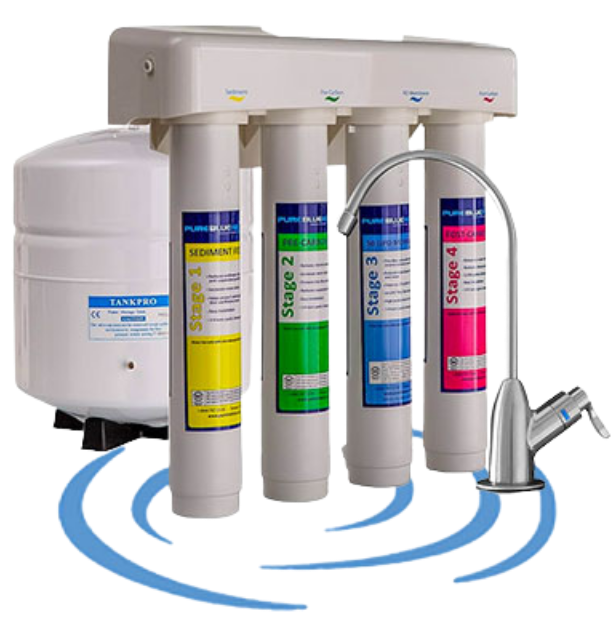
Get a free reverse osmosis drinking water system with the purchase of any whole-home water purification system.
*Cannot be combined with other offers. Mention this special when you call.