Reach Out Today
Please provide your email address so that we can stay in touch and answer any questions you have! We will be reaching back out shortly.

Hear from Our Customers
Your water stops smelling like rotten eggs when guests come over. The orange stains quit showing up on your sinks, toilets, and laundry. Your water heater lasts longer because it’s not corroding from the inside out.
That’s what happens when you treat the water before it enters your home, not after it reaches your faucet. Royal Lakes sits on the same limestone aquifer system as the rest of Central Florida, which means iron, sulfur, and bacteria are common. Most homes here deal with at least one of those three.
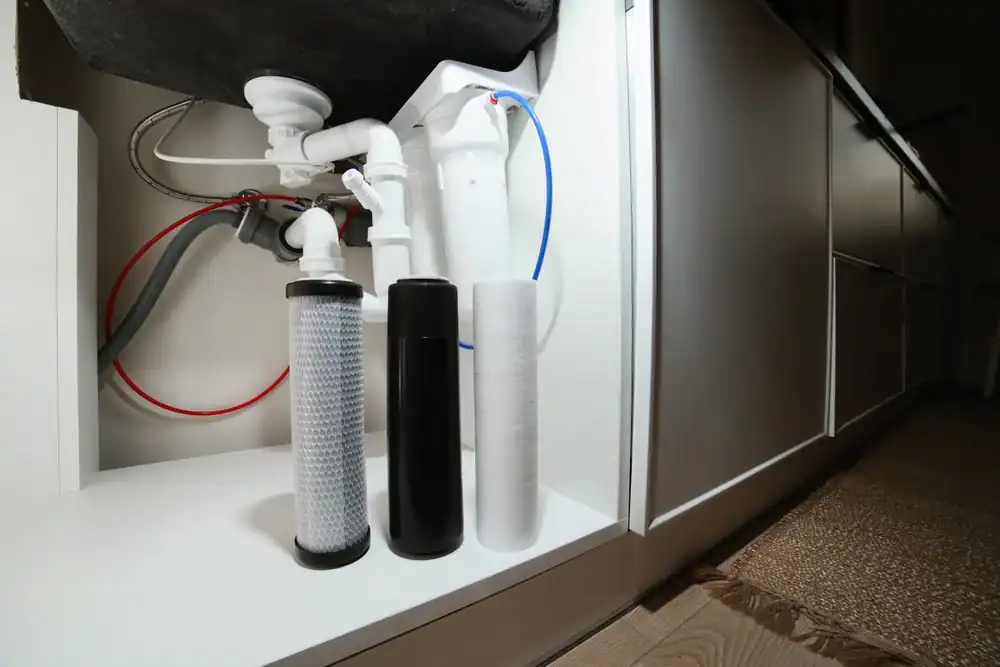
A whole-house filtration system handles all of it at the point of entry. Every shower, every appliance, every glass of water gets treated. You’re not just masking the problem with a filter pitcher or under-sink unit. You’re removing what’s causing it.
We specialize in whole-house well water filtration for homeowners in Royal Lakes and throughout Lake County. We’re members of the National Water Quality Association and hold an A+ Better Business Bureau rating with a 5-star review score and zero complaints.
We don’t do plumbing. We don’t install water heaters. We focus on one thing: treating well water so it’s safe, clean, and doesn’t damage your home. That focus means you’re working with people who know Florida’s aquifer challenges, not a general contractor trying to upsell you on six other services.
We also offer a $500 discount for military members and first responders, and we support the Tunnels to Towers Foundation. If you’re in Royal Lakes’ 55+ community or anywhere nearby, you’re dealing with the same groundwater issues we’ve been treating for years.
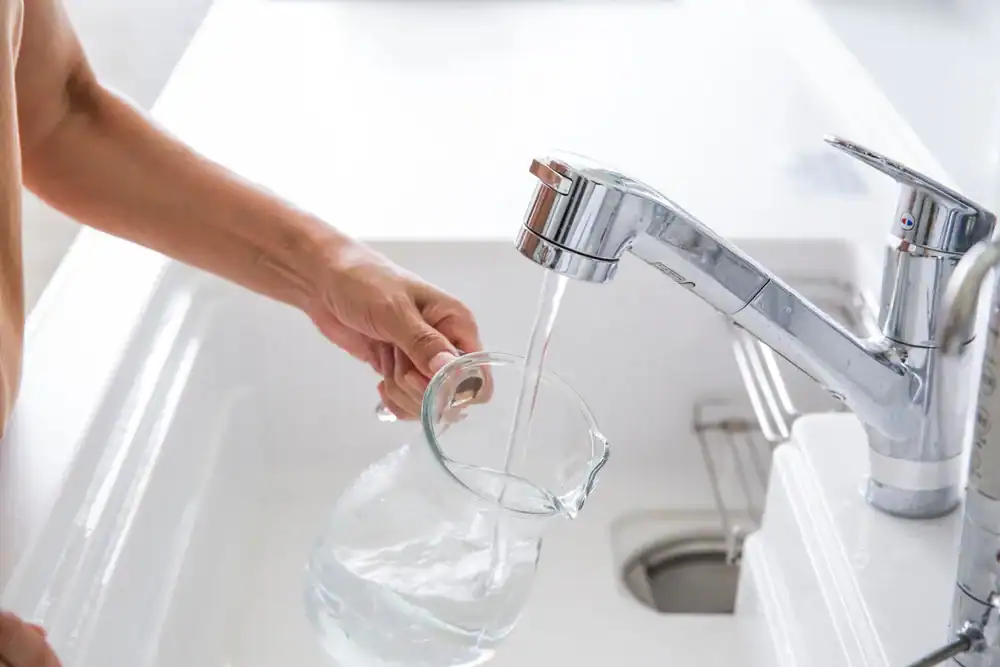
First, we test your water. Not just for hardness, but for iron levels, sulfur content, bacteria presence, and pH balance. Florida well water varies even within the same neighborhood, so we need to know exactly what you’re dealing with.
Once we have your results, we recommend a system that matches your specific water chemistry. That might mean air injection oxidation for iron removal, hydrogen peroxide injection for sulfur treatment, or UV disinfection for bacteria. Sometimes it’s a combination.
Installation happens at your point of entry, where water comes into your home from the well. The system treats everything before it reaches your pipes, fixtures, or appliances. After installation, we walk you through maintenance requirements and set up a service schedule if needed. Most systems need minimal attention once they’re dialed in, but we’re available when something comes up.
Ready to get started?
Royal Lakes homeowners typically need treatment for one or more of three issues: iron, hydrogen sulfide (that sulfur smell), and bacteria. Iron causes rust-colored stains and metallic taste. Hydrogen sulfide creates the rotten egg odor. Bacteria, especially iron bacteria, can establish itself in your plumbing and become nearly impossible to remove without professional treatment.
Our systems handle these through oxidation and filtration. Air injection oxidation works for moderate iron and sulfur levels. Hydrogen peroxide injection handles higher concentrations and also disinfects. UV systems kill bacteria without chemicals. Hard water treatment addresses the calcium and magnesium that’s common throughout Florida and causes scale buildup.
About 12% of Florida residents use private wells or limited-use public systems, and 90% of the state’s drinking water comes from aquifers. Florida’s porous limestone, high water table, and heavy rainfall make contamination easier than in other states. The state doesn’t require routine testing for private wells, but that doesn’t mean your water is safe. Lenders like VA and FHA often require well water testing before closing on a home loan, which is when many Royal Lakes homeowners first discover they have a problem.

You’ll usually notice the signs before you test. Rotten egg smell when you turn on the tap means hydrogen sulfide. Orange or brown stains on fixtures, laundry, or in your toilet bowl mean iron. Cloudy water or a metallic taste also points to iron.
Bacteria is harder to detect without testing, but if you’ve noticed slime in your toilet tank or a rainbow sheen on standing water, that’s often iron bacteria. Some people don’t notice issues until an appliance fails early or a lender requires testing for a home purchase.
The only way to know for sure is to test your water. We can do that, or you can use a state-certified lab. Either way, you need to know your iron levels, sulfur content, bacteria presence, pH, and hardness before choosing a treatment system.
Both methods oxidize contaminants so they can be filtered out, but they work at different concentration levels. Air injection oxidation uses oxygen to convert dissolved iron and sulfur into particles that get caught by a filter. It works well for moderate contamination and doesn’t require chemicals.
Hydrogen peroxide injection is stronger. It handles higher iron and sulfur levels, and it also disinfects by killing bacteria. If your water has multiple issues or high concentrations, hydrogen peroxide is usually the better choice.
The decision comes down to your water test results. There’s no point in over-treating if air injection will handle your levels, but under-treating means the system won’t solve your problem. That’s why testing first matters.
Yes, that’s one of the main reasons to treat at the point of entry. Iron corrodes water heaters, clogs washing machine valves, and leaves deposits in dishwashers. Hard water causes scale buildup that reduces efficiency and shortens appliance lifespan. Sulfur can corrode metal components over time.
When you treat the water before it enters your plumbing system, you’re protecting everything downstream. Your water heater, washing machine, dishwasher, and even your fixtures last longer because they’re not constantly exposed to corrosive or scale-forming minerals.
Replacing a water heater costs more than installing proper filtration. Same with a washing machine or dishwasher. Whole-house treatment is cheaper than replacing appliances every few years, and it’s definitely cheaper than repiping your house because iron bacteria established itself in your lines.
That depends on your system type and your water chemistry. Most systems need a filter change or media replacement once or twice a year. Some need more frequent attention if your iron or sulfur levels are high.
Air injection systems require occasional checks on the air pump and control valve. Hydrogen peroxide systems need peroxide refills, usually every few months depending on water usage. UV systems need annual bulb replacement. None of this is complicated, but it does need to happen on schedule.
We set up a maintenance plan based on your specific system and water conditions. Some homeowners handle basic maintenance themselves. Others prefer us to do it. Either way, regular maintenance keeps the system working and prevents bigger problems down the road.
You should test it anyway. Bacteria doesn’t always have a smell or taste, and some contaminants aren’t obvious until they’ve been damaging your plumbing for months. Coliform bacteria is a common indicator that other harmful microbes might be present, and you won’t know it’s there without testing.
Florida’s aquifer system is easily contaminated because of the porous limestone and high water table. Fertilizer runoff, septic systems, and natural mineral deposits all affect well water quality. The state doesn’t require private well testing, but health departments recommend annual testing for coliform bacteria and nitrates at minimum.
If you’re buying or refinancing a home in Royal Lakes, VA and FHA lenders often require well water testing as part of the loan process. That’s when many people discover issues they didn’t know existed. Testing before you have a problem gives you time to address it on your terms, not under pressure from a loan closing deadline.
Please provide your email address so that we can stay in touch and answer any questions you have! We will be reaching back out shortly.
"*" indicates required fields