Reach Out Today
Please provide your email address so that we can stay in touch and answer any questions you have! We will be reaching back out shortly.

Hear from Our Customers
Your morning shower shouldn’t smell like sulfur. Your toilets and sinks shouldn’t have rust-colored rings that won’t scrub out. Your dishwasher should clean dishes, not coat them with spots.
When your well water is properly filtered, you stop replacing appliances every few years because scale and iron have destroyed them from the inside. Your water heater lasts longer. Your washing machine doesn’t break down from mineral buildup. Your clothes stay brighter because they’re not being stained every time you wash them.
You also stop worrying about what’s actually in the water your family drinks. Bacteria, nitrates, and other contaminants don’t always change how water looks or tastes, but they can affect your health. A whole-house filtration system treats water at the point it enters your home, before it reaches any faucet, shower, or appliance. That means every drop is filtered, not just what comes out of one tap.
We’re A-rated by the Better Business Bureau with a 5-star rating and zero complaints. That doesn’t happen by accident. It happens because we’re members of the National Water Quality Association and we follow industry standards that actually matter.
We’re not a national company that sells you equipment and disappears. We’re local, and we built this business on long-term customer relationships. When you need service, we’re here. When your system needs maintenance, we handle it. That’s the difference between us and companies with horrible reputations for not showing up after the sale.
Rocksprings sits on Florida’s limestone aquifer system, where the same geological formations that provide groundwater also dissolve minerals and create conditions where bacteria thrive. We know this area. We know what’s in the water here, and we know how to fix it.
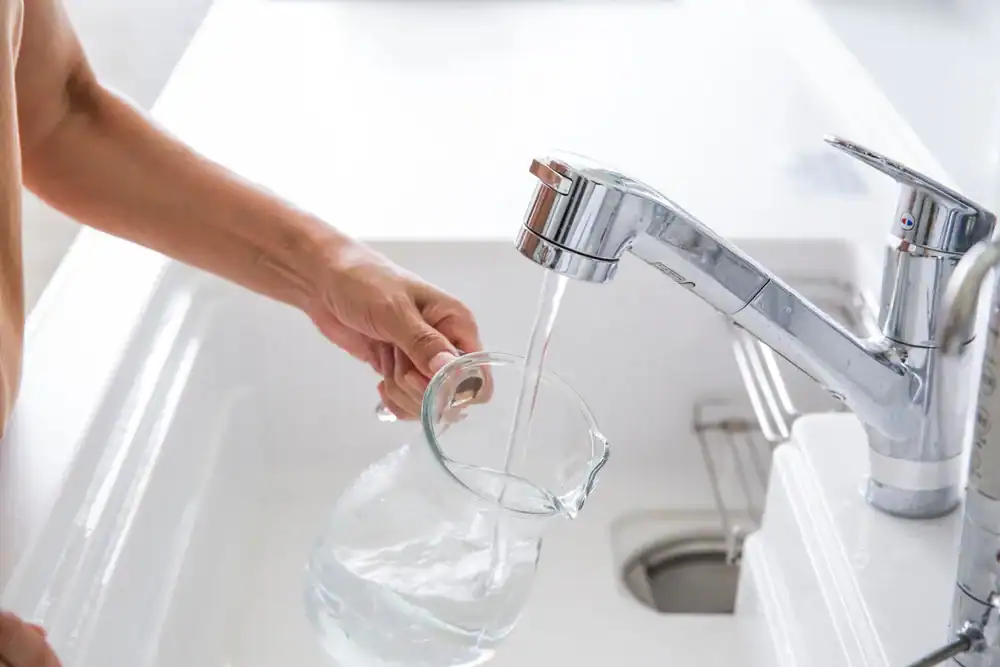
First, we test your water. Not a basic test—a laboratory-grade analysis that identifies exactly what’s in there. Iron, hardness, pH, chlorine, bacteria. You can’t fix a problem you haven’t measured.
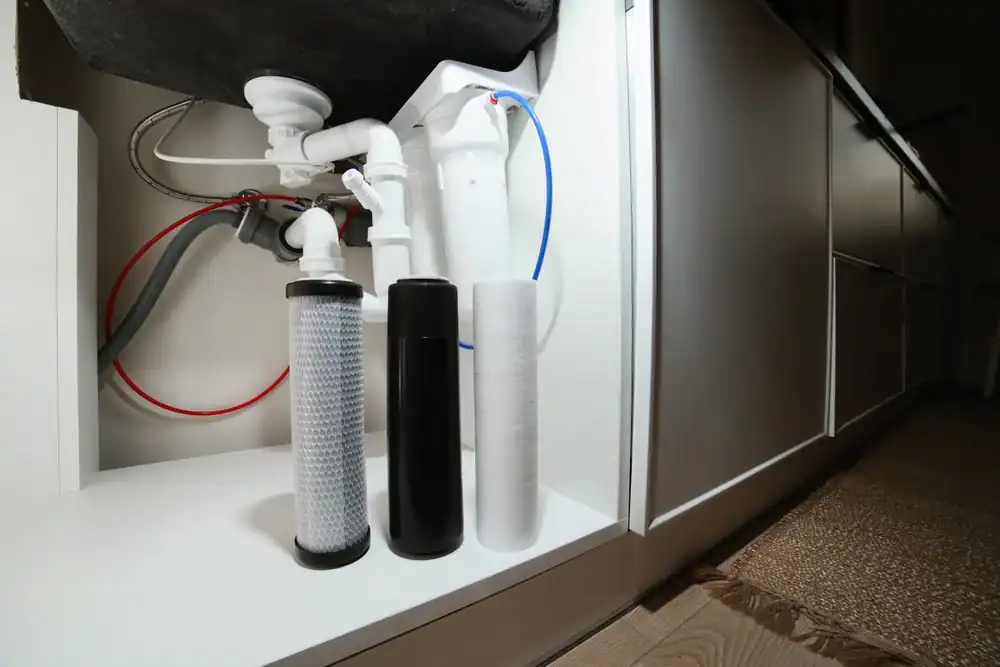
Once we know what we’re dealing with, we design a system that addresses your specific contamination issues. If you have hydrogen sulfide creating that rotten egg smell, we use oxidation and filtration media that convert the gas into particles that get trapped and removed. If you have iron staining everything, we install iron removal systems that handle it before the water enters your home. If bacteria is a concern, we add disinfection through UV sterilization or hydrogen peroxide injection.
Then we install it, start it up, and test again to make sure it’s working the way it should. We handle all the technical work. You get clean water from every tap, and you don’t have to think about it again unless you need service—which we provide because we’re local and we’re not going anywhere.
Ready to get started?
Most homes in Rocksprings need both water softening and filtration because Florida’s limestone geology creates hard water problems while sandy soil and high humidity allow contaminants to enter groundwater easily. You’re dealing with scale buildup, sulfur odors, iron staining, and sometimes bacteria—all at once.
Our whole-house systems handle all of it. Iron removal through air injection oxidation or hydrogen peroxide injection. Sulfur treatment that eliminates hydrogen sulfide gas completely. Bacteria disinfection that protects your family without requiring constant attention or chemical additives. And water softening that stops scale from destroying your appliances.
We also offer a $500 discount for military and first responders, because if you’re serving this community, we want to support you. Installation is professional, and we don’t leave until the system is running correctly and you understand how it works. If something needs adjustment later, we come back. That’s part of the service, not an upsell.

If your water smells like rotten eggs, that’s hydrogen sulfide gas, and it’s common in Florida wells because our limestone geology contains sulfur deposits that feed bacteria. If you see orange or red stains in your toilets, sinks, or tubs, that’s iron oxidizing into rust. If your dishes come out of the dishwasher with spots or your soap doesn’t lather well, you have hard water.
Those are the obvious signs. The less obvious ones are what you can’t see or smell—bacteria, nitrates, and other contaminants that don’t change how water looks or tastes but can impact your health over time. More than one in five wells tested contain contaminants above human-health benchmarks, so if you haven’t had your water tested recently, you don’t actually know what you’re drinking.
We do laboratory-grade water testing that measures everything: iron, hardness, pH, chlorine, bacteria. Once you know what’s in your water, you can make an informed decision about whether you need filtration and what kind of system will actually solve your specific problems.
A water softener removes hardness minerals—calcium and magnesium—that cause scale buildup in pipes and appliances. It doesn’t remove iron, sulfur, bacteria, or most other contaminants. It just stops scale.
A filtration system removes contaminants like iron, sulfur, bacteria, and sediment. It doesn’t soften water. If you have hard water and contamination issues (which most Rocksprings homes do), you need both.
That’s why we install whole-house systems that combine softening and filtration. You get one system that handles everything, installed at the point where water enters your home. It treats every drop before it reaches any faucet, shower, or appliance. Your water heater doesn’t get destroyed by scale. Your fixtures don’t get stained by iron. Your showers don’t smell like sulfur. And you’re not drinking water with bacteria or nitrates in it.
It depends on what’s wrong with your water and what kind of system you need to fix it. A basic iron removal system costs less than a whole-house purification system that handles iron, sulfur, bacteria, and hardness all at once.
The longer you wait to install proper filtration, the more you spend replacing things. Hard water destroys water heaters, dishwashers, and washing machines. Iron stains everything and clogs fixtures. Replacing a water heater or washing machine costs more than installing the filtration system that would have protected them in the first place.
We test your water first, then design a system based on what you actually need—not what we want to sell you. We also offer a $500 discount for military and first responders. Once the system is installed, it protects everything in your home that uses water, which turns out to be almost everything that matters. That’s not an expense. That’s an investment in your home and your family’s health.
Yes, but only if it’s designed to handle hydrogen sulfide gas, which is what causes that rotten egg smell. A basic carbon filter won’t do it. You need oxidation.
We use air injection oxidation or hydrogen peroxide injection systems that convert hydrogen sulfide gas into solid particles that get trapped and filtered out. The sulfur smell disappears completely—from every tap, every shower, every appliance. It’s not masked. It’s removed.
Florida’s warm groundwater and limestone geology create perfect conditions for sulfur bacteria to thrive, so this problem isn’t rare in Rocksprings. It’s common. The good news is that it’s fixable with the right equipment and proper installation. Once the system is running, you don’t smell sulfur anymore, and you don’t have to add chemicals or do anything to maintain it. It works automatically.
If your water tested positive for coliform bacteria or E. coli, yes. Even if it didn’t, bacteria can enter your well through cracks in the casing, surface water infiltration, or changes in the water table—especially after heavy rain, which Florida gets plenty of.
Bacteria doesn’t always change how water looks, smells, or tastes, so you can’t rely on your senses to tell you if it’s there. The only way to know is to test your water. If bacteria is present, the most effective treatment is UV sterilization or chemical disinfection through hydrogen peroxide injection or chlorination.
UV systems kill bacteria, viruses, and other microorganisms as water passes through the unit. Hydrogen peroxide injection oxidizes bacteria and also handles iron and sulfur at the same time. We recommend testing your well water annually, because what’s safe today might not be safe next year. Florida’s sandy soil, high water table, and porous limestone make wells vulnerable to contamination, and it’s better to catch problems early than deal with health issues later.
Please provide your email address so that we can stay in touch and answer any questions you have! We will be reaching back out shortly.
"*" indicates required fields