Reach Out Today
Please provide your email address so that we can stay in touch and answer any questions you have! We will be reaching back out shortly.

Hear from Our Customers
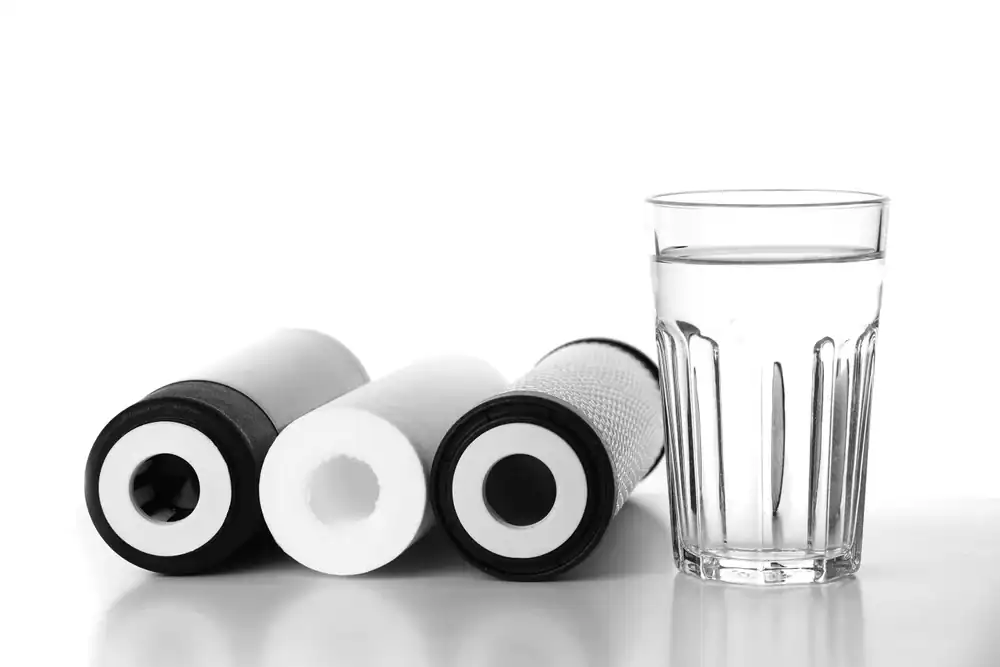
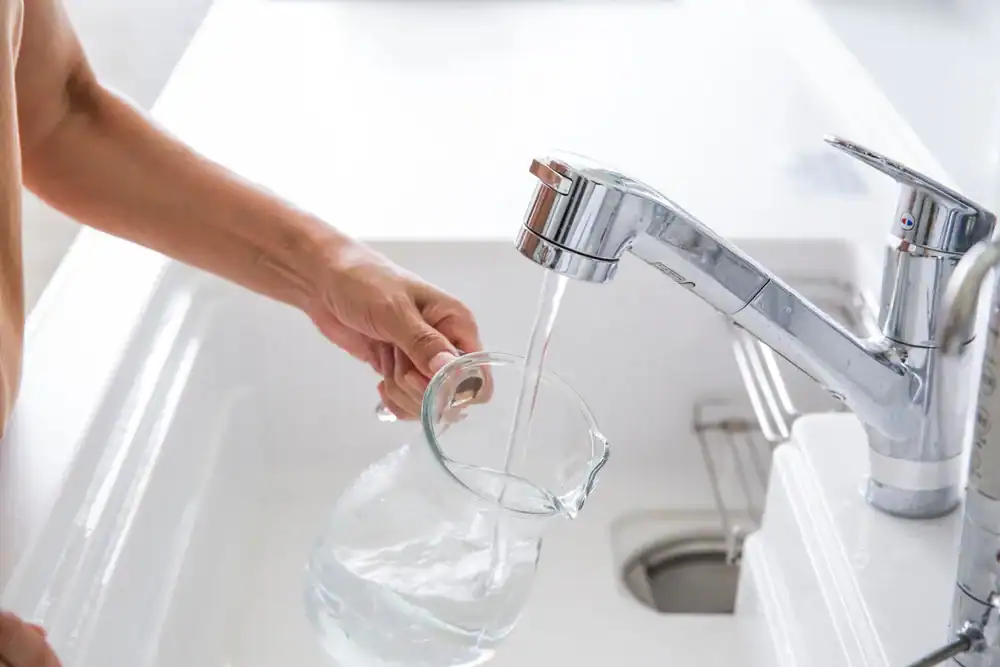
When whole-house well water filtration is done right, the difference is immediate. No more orange rings in the toilet bowl. No more rotten egg smell hitting you when you turn on the shower. No more white scale building up on faucets and showerheads. The water that comes out of every tap in your Richmond home is clean, clear, and odor-free — and it stays that way.
That matters more in Richmond than most people realize. The homes here were built starting in 1949, and a lot of that original plumbing has been quietly taking a beating from iron-laden, hard water for decades. Iron corrodes pipes. Hardness scales up water heaters and appliances. When you factor in what it costs to replace a water heater prematurely or deal with a plumbing repair that didn’t have to happen, a whole-house filtration system stops being an expense and starts looking like the smarter financial move.
The Biscayne Aquifer is also a shallow aquifer — meaning it sits close to the surface and absorbs what’s above it. Agricultural runoff from the Homestead corridor, septic system leaching from unincorporated southwest Miami-Dade, and documented PFAS contamination from nearby Miami Executive Airport all make their way into that water. A properly designed filtration system accounts for all of it — not just the stuff you can smell.
We’ve spent over 50 years solving Florida water problems — and that means Biscayne Aquifer problems specifically, not generic water chemistry from another state. Our team understands what well water in southwest Miami-Dade actually looks like: high iron, hydrogen sulfide, hardness from limestone geology, and contamination risks that are unique to this part of the county. We know Richmond’s water challenges because we’ve been solving them for decades.
Our BBB A+ accreditation with five stars and zero complaints isn’t a small thing in this industry. Florida’s Attorney General shut down a water treatment company in 2021 for using false health claims to sell systems at inflated prices. Miami-Dade homeowners have seen this firsthand. Our track record is the direct answer to that history — and it’s verifiable.
We’re also members of the National Water Quality Association, which requires passing a comprehensive exam and committing to a formal code of ethics. Most competitors in this market don’t hold that credential. For Richmond homeowners who’ve been in their homes for decades — or inherited them from family — that kind of accountability matters.
It starts with a free water analysis. Before anything is recommended, your actual well water gets tested — iron levels, hardness, hydrogen sulfide, bacteria, manganese, and more. That test drives everything. You’re not getting a system designed for someone else’s water in another county. You’re getting one designed around what your specific well is actually producing.
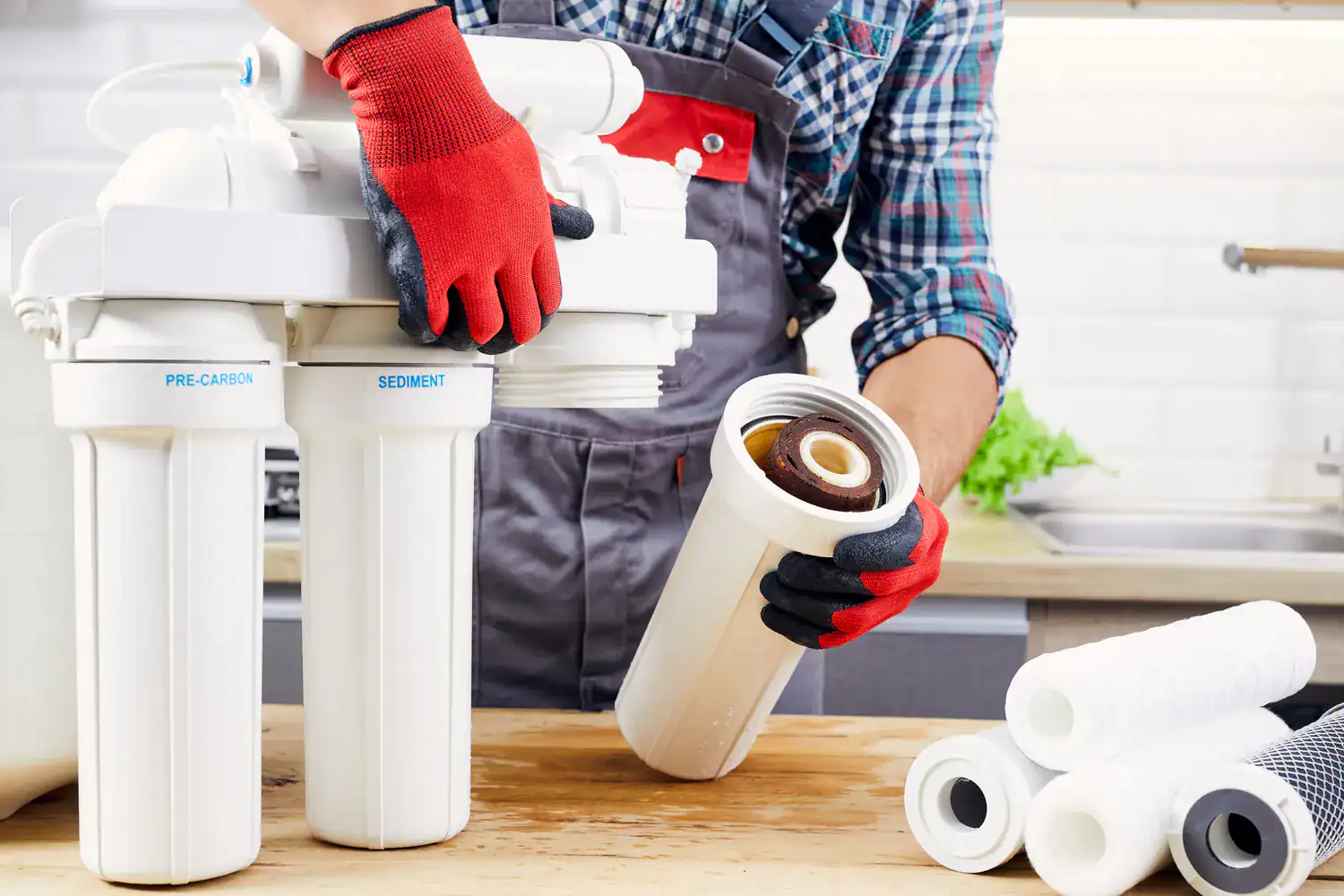
Once the results are in, the findings get explained in plain language. What’s in your water, what it’s doing to your home, and what a properly designed system would address. If you decide to move forward, installation is completed in a single day. The system goes in at the point of entry — meaning every tap, every appliance, every shower in your Richmond home is covered from that point on.
In Miami-Dade County, well water treatment installations may require a plumbing permit depending on the scope of work. We handle that as part of the process — you don’t have to navigate county permitting on your own. After installation, the system is explained so you know exactly how it works and what maintenance looks like going forward. No disappearing act after the check clears.
Ready to get started?
The well water coming out of the Biscayne Aquifer in southwest Miami-Dade isn’t a single-problem situation. Iron causes staining and pipe corrosion. Hydrogen sulfide creates that sulfur smell. Hardness from the limestone geology scales up water heaters and appliances. Manganese leaves dark stains. Bacteria — especially after heavy rains or hurricane season, when the shallow aquifer gets surface contamination flushed into it — is a real and ongoing risk for private well owners in unincorporated areas like Richmond.
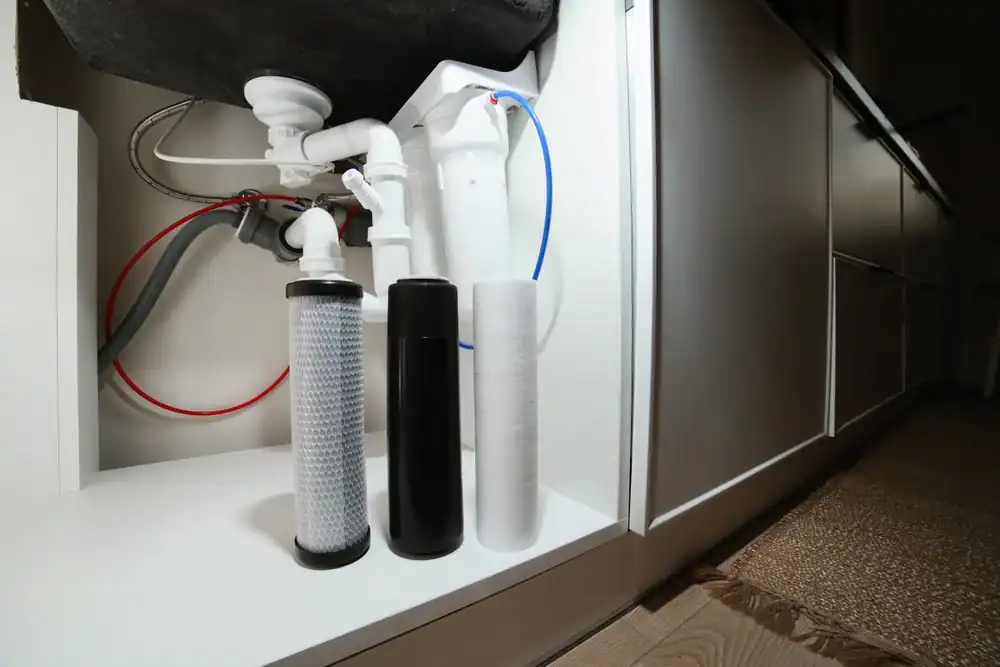
A whole-house system from us is custom-designed around your water test results, not a one-size-fits-all package pulled off a shelf. That might mean an air injection oxidation system for iron and hydrogen sulfide, a water softener for hardness, UV disinfection for bacteria, or a combination of all three depending on what your well is actually producing. The goal is to address every contaminant at the point of entry so nothing gets through.
This is also a community where homes have been owned and maintained across generations. A system that protects aging plumbing infrastructure — especially in homes built in the late 1940s and 1950s — is doing double duty: improving water quality today and extending the life of the pipes, fixtures, and appliances that a family has spent decades maintaining. For military veterans and first responders in the Richmond area, we offer a $500 discount that applies directly to your project.

That smell is hydrogen sulfide gas, and it’s extremely common in well water drawn from the Biscayne Aquifer throughout southwest Miami-Dade, including Richmond. The aquifer’s geology creates low-oxygen zones where anaerobic bacteria break down organic matter and produce hydrogen sulfide as a byproduct. The result is that sulfur smell you’re noticing — and it tends to get worse in warmer months when groundwater temperatures rise and bacterial activity increases.
The fix depends on how much hydrogen sulfide is present. At lower concentrations, an activated carbon filtration system can handle it. At higher levels, an air injection oxidation system is typically the right approach — it oxidizes the hydrogen sulfide out of the water before it ever reaches your pipes. A free water analysis will tell you exactly what you’re dealing with so the right system gets recommended, not just the most expensive one.
Orange or rust-colored staining is iron — and the Biscayne Aquifer is known to carry elevated iron concentrations in parts of Miami-Dade County, confirmed by USGS research. When iron-rich water sits in your toilet tank or flows through your fixtures, it oxidizes and leaves those stubborn orange deposits that no amount of scrubbing fully removes.
The staining itself is frustrating, but the bigger issue is what that iron is doing inside your pipes and appliances. Iron accelerates corrosion in older plumbing, builds up in water heater tanks, and shortens the life of washing machines and dishwashers. In Richmond, where many homes have plumbing going back to the 1950s, this isn’t a cosmetic problem — it’s a structural one. An iron removal system at the point of entry stops all of that at the source, and the staining stops with it.
You usually can’t tell by looking at the water or smelling it. Bacterial contamination — including coliform bacteria and E. coli — is typically invisible and odorless, which is exactly what makes it worth testing for. In Miami-Dade County, private well owners are solely responsible for their own water testing. The state doesn’t test your well for you.
The risk is real in southwest Miami-Dade because the Biscayne Aquifer is a shallow, surficial aquifer. When it rains heavily — and South Florida gets around 60 inches of rainfall a year, most of it during hurricane season — surface contaminants can flush into the aquifer quickly. Properties in unincorporated areas like Richmond that rely on septic systems add another contamination vector. A professional water analysis will test for bacterial presence, and if it’s there, UV disinfection is one of the most effective and low-maintenance ways to address it at the whole-house level.
Most of the time, both. Well water from the Biscayne Aquifer in south Florida is naturally hard — the limestone geology dissolves calcium and magnesium into the water as it moves through the rock. Hardness levels in this area typically run between 15 and 22 grains per gallon, which is considered very hard. That’s the white scale you see building up on showerheads, faucets, and glass shower doors.
A water softener addresses hardness by exchanging calcium and magnesium ions for sodium. But softening alone doesn’t remove iron, hydrogen sulfide, bacteria, or manganese — which are all common in Biscayne Aquifer well water. That’s why a comprehensive water test matters before anything gets recommended. The right answer for your home depends on what’s actually in your water, and that varies from well to well even within the same neighborhood.
For most Richmond homes, installation is completed in a single day. The system is installed at the point of entry — typically near where the well line enters the home — which means every tap and appliance in the house is covered without any work inside individual rooms or under sinks.
Before installation begins, a Miami-Dade County plumbing permit may be required depending on the scope of the work. We handle that as part of the process, so you’re not left navigating county permitting on your own. Once the system is in and running, you’ll get a walkthrough of how it operates and what routine maintenance looks like — filter media replacement schedules, UV bulb life, and anything else relevant to your specific setup. There’s no mystery about what you’re getting or what it needs to keep working.
Please provide your email address so that we can stay in touch and answer any questions you have! We will be reaching back out shortly.
"*" indicates required fields