Reach Out Today
Please provide your email address so that we can stay in touch and answer any questions you have! We will be reaching back out shortly.

Hear from Our Customers
Your water should be something you don’t think about. No smell when you turn on the shower. No stains in the toilet bowl that won’t scrub out. No metallic taste in your coffee or tea.
When your well water filtration system actually addresses what’s in your water, life gets simpler. Your appliances last longer because they’re not clogged with iron buildup. Your laundry comes out clean instead of dingy. Guests don’t wrinkle their nose when they wash their hands.
The difference shows up in how much less you’re cleaning, how much less you’re replacing, and how much better everything in your home works. Your water heater isn’t fighting mineral deposits. Your washing machine isn’t battling rust stains. Your plumbing isn’t corroding from the inside out.
That’s what happens when you install iron removal systems and hydrogen sulfide treatment designed specifically for Central Florida’s geology. The limestone beneath Reddick creates sulfur problems that generic filters can’t handle. You need hydrogen peroxide injection or air injection oxidation that actually eliminates the source, not just masks it temporarily.
We’ve been installing well water treatment systems in Reddick and throughout Marion County since before most of the national companies even existed. We’re A-rated by the Better Business Bureau with a 5-star rating and zero complaints.
We’re members of the National Water Quality Association, which means we stay current on treatment technology and best practices. More importantly, we’re still here when you need service. We don’t disappear after installation like some of the bigger names that have terrible reputations for abandoning customers.
Reddick homeowners deal with specific water challenges that come from local geology. The sulfur smell, the iron staining, the bacterial concerns—these aren’t random. They’re predictable based on where your well draws from, and we’ve been addressing them for decades. We know what works here because we’ve seen what doesn’t.
We start with laboratory-grade water testing, not some generic sales pitch disguised as a “free analysis.” You need to know what’s actually in your water—iron levels, pH, bacteria count, sulfur concentration. Guessing costs you money when you install the wrong system.
Once we know what we’re dealing with, we design a whole house water filtration system that addresses your specific contaminants. If you’ve got hydrogen sulfide creating that rotten egg smell, we’re looking at hydrogen peroxide injection or air injection oxidation systems. If iron is staining everything orange, we’re installing iron removal systems that handle both clear water iron and the oxidized kind.
For bacterial concerns, we add well water bacteria disinfection through UV sterilization or chlorination, depending on your water chemistry. Everything gets installed at your main water line so every faucet, shower, and appliance gets treated water.
After installation, we test again to confirm everything’s working. Then we show you how to maintain it and set up a service schedule if you want us handling that. You get upfront pricing before we start, and military families and first responders get $500 off.
Ready to get started?
A whole house water filter treats water where it enters your home, before it reaches anything. That’s different from under-sink filters that only treat one faucet or pitcher filters that treat a few cups at a time.
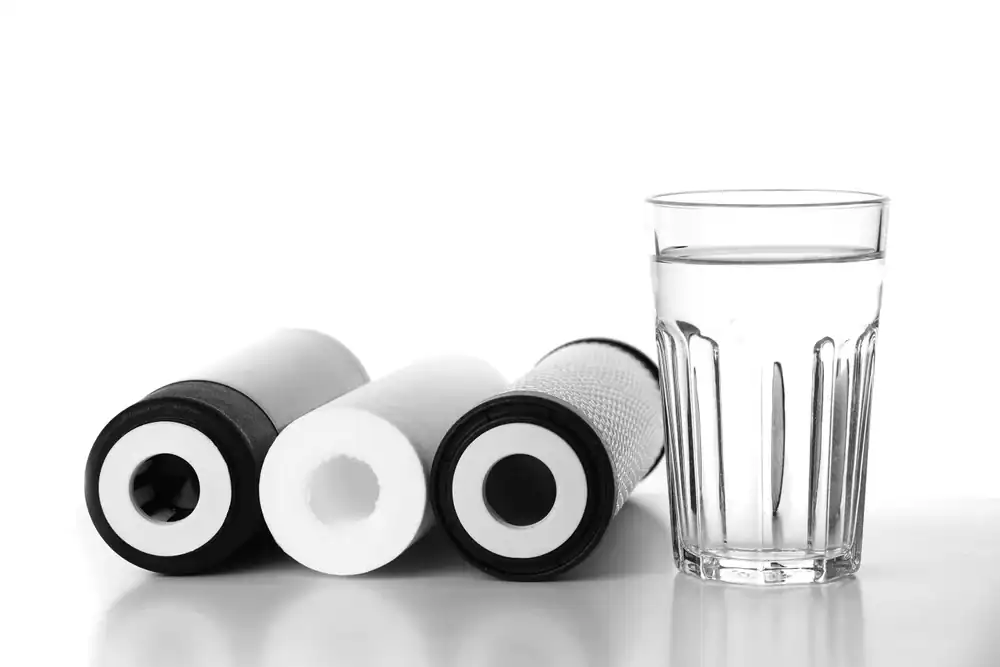
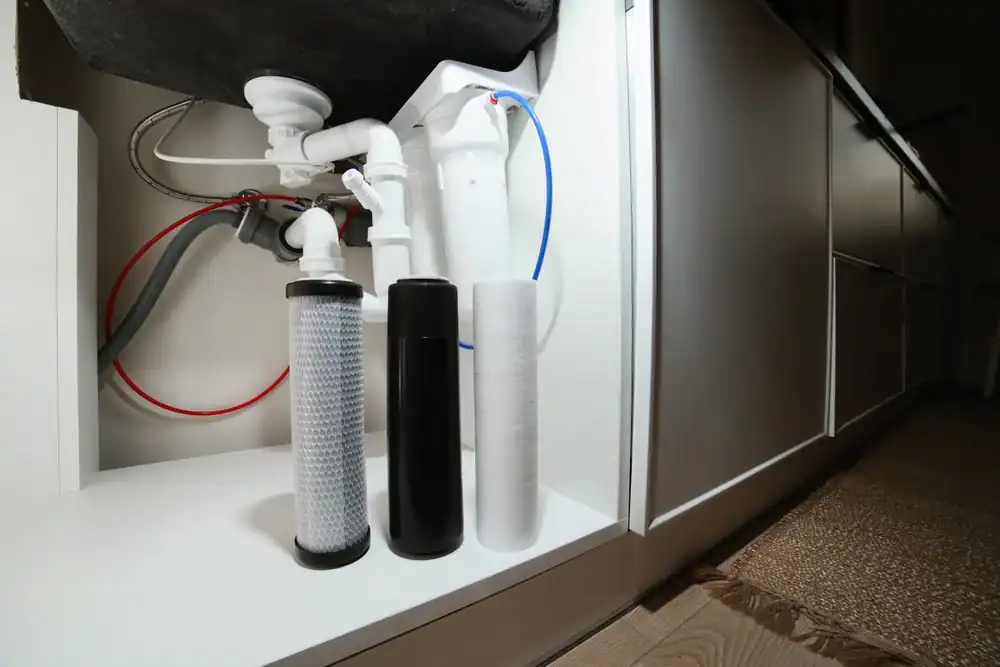
In Reddick, most well water needs multiple treatment stages. Sediment filtration removes particles and debris. Iron removal systems handle the rust and staining. Sulfur treatment eliminates hydrogen sulfide gas through oxidation. Water softening addresses the hardness that comes from our limestone geology. Carbon filtration removes any remaining tastes or odors.
The specific combination depends on your water test results. Some wells need aggressive bacteria disinfection. Others need pH adjustment to prevent corrosion. Many need all of it. That’s why we test first instead of selling you a one-size-fits-all system that doesn’t actually fit.
Your system comes with a warranty, ongoing service availability, and the knowledge that someone will actually answer the phone when you call. We service every major water treatment brand, so even if you didn’t buy from us originally, we can help if your current company disappeared.

Whole house water filtration systems typically run between $2,500 and $8,000 depending on your home’s size, what’s in your water, and how many treatment stages you need. A basic system handling sediment and chlorine costs less than a comprehensive setup addressing iron, sulfur, bacteria, and hardness.
We provide exact pricing after testing your water and understanding what you’re dealing with. There’s no hidden costs or surprise charges. Military and first responders get $500 off new installations.
The investment pays back through appliance protection and reduced maintenance. Replacing a water heater or washing machine costs more than installing proper filtration that prevents the damage in the first place. Market research shows homeowners who buy treatment systems one piece at a time spend an average of $1,840 more than those who install combination systems initially.
That smell is hydrogen sulfide gas, and it’s one of the most common complaints from well owners in Marion County. The gas forms when bacteria break down organic matter in oxygen-depleted environments like groundwater aquifers.
Florida’s limestone geology contains abundant sulfur deposits that feed these bacteria, making hydrogen sulfide particularly common in our region. The bacteria often colonize inside water heaters, which is why the smell is usually stronger in hot water than cold.
Hydrogen sulfide treatment requires oxidation systems that convert the gas into solid particles you can filter out. Air injection oxidation systems and hydrogen peroxide injection both work, but which one depends on your sulfur concentration and pH levels. That’s why testing matters before choosing a treatment method.
Not reliably, and trying to use a softener for iron removal usually ruins the softener. Water softeners are designed to remove hardness minerals like calcium and magnesium through ion exchange. They can handle trace amounts of clear water iron, but anything over 0.3 parts per million overwhelms the resin bed.
Iron exists in two forms in well water. Clear water iron is dissolved and looks fine coming out of your tap, but it oxidizes when exposed to air and leaves those orange and red stains everywhere. Red water iron is already oxidized and visible. Both types need dedicated iron removal systems that oxidize and filter the iron before it reaches your softener.
If you’ve got both hardness and iron—which most Reddick wells do—you need iron removal first, then water softening. Installing them in the wrong order or skipping the iron removal entirely means constant maintenance problems and shortened equipment life.
You should test your well water annually for bacteria, nitrates, and any contaminants specific to your area. If you notice changes in taste, smell, or appearance, test immediately regardless of when you last tested.
Florida’s warm, humid conditions increase the risk of bacterial contamination in wells, particularly after heavy rains or flooding. Surface water can infiltrate wells through cracks in the casing or poorly sealed caps. Even if your well tested clean last year, conditions change.
Beyond bacteria, you want to monitor iron levels, pH, hardness, and sulfur concentration. These affect how your treatment system performs and when components need maintenance. We include water testing as part of our service visits, but you can also test independently through certified labs if you prefer.
If you’ve got iron staining your fixtures, sulfur smell in your shower, or hardness damaging your appliances, a drinking water filter doesn’t help. Those problems affect every water outlet in your home, and treating just one faucet leaves everything else unprotected.
Whole house water filtration treats water at the main line before it reaches any faucet, shower, or appliance. That means your water heater isn’t filling with iron deposits. Your washing machine isn’t fighting rust stains. Your shower isn’t exposing you to hydrogen sulfide gas.
Under-sink reverse osmosis systems work great for drinking water, but they’re a supplement to whole house treatment, not a replacement. You still need to address what’s damaging your plumbing and appliances throughout the home. Most Reddick homeowners need both—whole house filtration for protection and point-of-use systems for drinking water quality.
Please provide your email address so that we can stay in touch and answer any questions you have! We will be reaching back out shortly.
"*" indicates required fields
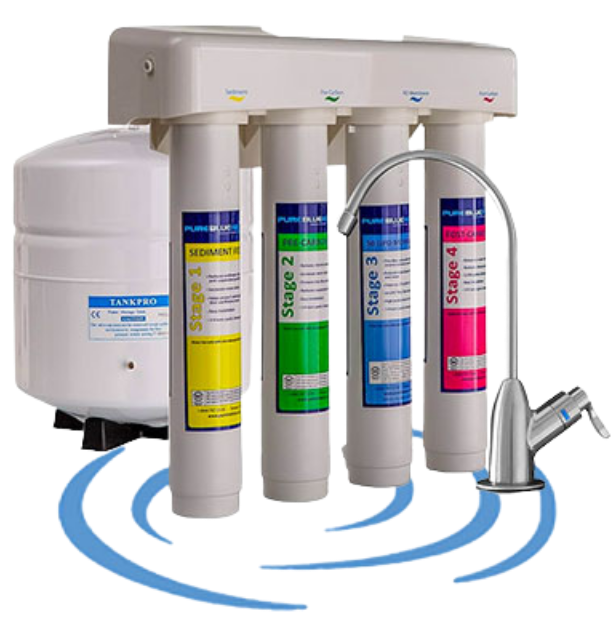
Get a free reverse osmosis drinking water system with the purchase of any whole-home water purification system.
*Cannot be combined with other offers. Mention this special when you call.