Reach Out Today
Please provide your email address so that we can stay in touch and answer any questions you have! We will be reaching back out shortly.

Hear from Our Customers
Your fixtures stay clean. No more orange rings that won’t scrub off, no more rotten egg smell when you turn on the hot water, and no more worrying about what’s actually coming out of your tap.
Your appliances last longer because they’re not getting destroyed by minerals and corrosive gases. Water heaters, dishwashers, washing machines – they all work better and need replacing less often when they’re not fighting Florida’s hard, iron-heavy, sulfur-loaded well water every single day.
You get water you can trust throughout your entire house. Every shower, every glass of water, every load of laundry uses water that’s been filtered at the main line before it reaches any fixture or appliance. That’s what whole house water filtration actually means – protection everywhere, not just at one sink.
We hold an A+ Better Business Bureau rating with five stars and zero complaints. We’re members of the National Water Quality Association, and we answer our phone when you call because we’re local to North Florida.
We don’t do plumbing or water heaters. We specialize in whole-house water purification, and that focus means we know exactly how to handle the iron, sulfur, bacteria, and hard water issues that show up in Ponte Vedra Beach wells. The limestone geology here creates specific problems that need specific solutions, not generic equipment that works in other states but fails in Florida.
Military personnel and first responders get a $500 discount. We support the Tunnels to Towers Foundation because some things matter more than profit margins.
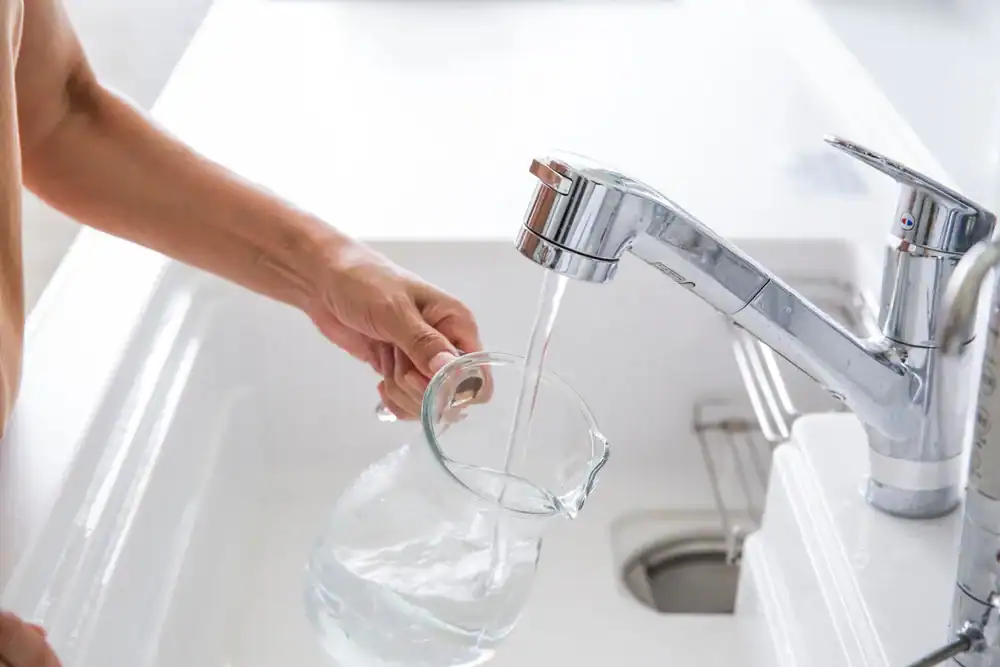
We start with real water analysis. Not a sales pitch disguised as a test – actual lab work that identifies what contaminants are in your well water and at what levels. Iron, sulfur, bacteria, pH, hardness, manganese – you need to know what you’re dealing with before you can fix it.
Then we design a system based on those results. If you have hydrogen sulfide and iron, we use air injection oxidation or hydrogen peroxide injection to convert those contaminants into particles that get filtered out. If hard water is destroying your appliances, we add softening. If bacteria showed up in testing, we include disinfection. Each system gets built for the specific problems in your water.
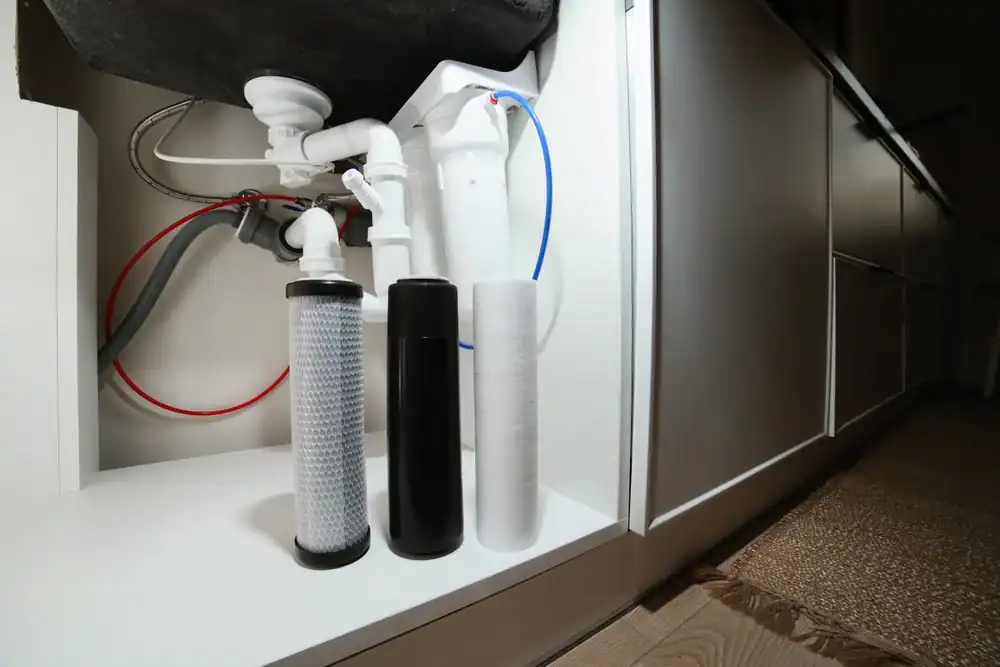
Installation happens at your main water line, before water reaches any fixture or appliance in your house. That means every tap, every shower, every water-using appliance gets treated water. After installation, you get ongoing support from people who know your system and can actually help when you call.
Ready to get started?
Ponte Vedra Beach sits on limestone geology loaded with sulfur deposits. That’s why hydrogen sulfide is so common here – bacteria feed on those sulfur deposits and produce that rotten egg smell you’re dealing with. It gets worse in hot water because heat accelerates the reaction, and it’s not just annoying – hydrogen sulfide corrodes copper and brass fixtures and breaks down your plumbing system over time.
Air injection oxidation handles this without chemicals. It injects air into your water, which oxidizes the hydrogen sulfide and converts it into particles that get trapped and removed by filtration media. For more severe cases, hydrogen peroxide injection does the same thing but more aggressively. Both methods eliminate the smell and stop the corrosion.
Iron removal systems work the same way – oxidation converts dissolved iron into particles that get filtered out before they can stain your fixtures, laundry, or anything else. The hard water that’s common throughout this area gets addressed with softening if testing shows it’s damaging your appliances. Every component gets selected based on what your specific water test revealed, not what we happen to have in the truck.

Bacteria feeding on sulfur deposits in Florida’s limestone geology produce hydrogen sulfide gas, which creates that rotten egg odor. The limestone formations throughout North Florida contain abundant sulfur, and when certain bacteria interact with those deposits in your well, they generate hydrogen sulfide as a byproduct.
You’ll notice the smell gets stronger in hot water because heat accelerates the bacterial activity and releases more gas. It can also get worse after your water sits unused for a while, like when you return from vacation, because the bacteria have had time to multiply without fresh water flowing through the system.
Hydrogen sulfide isn’t just an odor problem. It’s corrosive to copper and brass fixtures and pipes, which means it’s actively breaking down your plumbing system. That’s why treatment focuses on oxidation methods that convert the gas into particles that can be filtered out, stopping both the smell and the damage.
Cost depends entirely on what’s wrong with your water and what equipment is needed to fix it. A system that handles iron and sulfur runs differently than one that also needs to address bacteria, extreme hardness, or low pH. You can’t get an accurate price without knowing what contaminants are present and at what levels.
That’s why real water testing comes first. Once we know you’re dealing with, say, 3 ppm of iron, hydrogen sulfide at 0.5 ppm, and hardness at 15 grains per gallon, we can spec out exactly what media, tank sizes, and treatment methods will actually solve those specific problems. Generic pricing doesn’t work because generic systems don’t work in Florida’s variable well water conditions.
What you’re really paying for is equipment that protects your appliances from early failure, eliminates ongoing frustration with stains and smells, and gives you water you can trust throughout your house. Most systems pay for themselves over time through extended appliance life alone – water heaters and dishwashers aren’t cheap to replace every few years because hard water and corrosive gases destroyed them prematurely.
Properly sized and installed systems maintain normal water pressure throughout your house. Pressure problems happen when systems are undersized for the home’s water demand or when media beds get exhausted and clogged because nobody’s maintaining them. That’s not a filtration problem – that’s a design and service problem.
We size systems based on your home’s peak water demand and the flow rates needed to supply multiple fixtures running simultaneously. Tank sizes, media volumes, and backwash cycles all get calculated so the system can handle your household’s actual usage without creating pressure drops or flow restrictions.
Regular maintenance keeps everything running correctly. Filtration media eventually gets saturated with the contaminants it’s removing, and if it’s not replaced or regenerated on schedule, flow rates drop and pressure suffers. That’s why ongoing service matters – systems need attention to keep performing the way they did when they were new.
Both methods oxidize hydrogen sulfide so it can be filtered out, but they work at different intensities. Air injection oxidation uses compressed air to convert the sulfur gas into particles. It’s chemical-free, effective for moderate sulfur levels, and handles iron and manganese at the same time. For most Ponte Vedra Beach wells, AIO systems solve the problem completely.
Hydrogen peroxide injection works for more severe contamination or when you’re dealing with iron bacteria in addition to hydrogen sulfide. It’s a stronger oxidizer that can handle higher contaminant levels and more stubborn bacteria issues. The peroxide breaks down into water and oxygen after it does its job, so you’re not adding anything harmful to your water.
Which one you need depends on your water test results. If you’re at 0.3 ppm hydrogen sulfide with some iron, air injection handles it easily. If you’re at 2 ppm with bacteria present, peroxide injection makes more sense. There’s no universal “best” method – there’s only what actually works for the specific contamination levels in your well.
Most systems need attention once or twice a year, depending on your water quality and household usage. Higher contamination levels mean more frequent media replacement or regeneration. Larger households that use more water put more demand on the system and may need service more often.
Maintenance typically involves checking media beds, replacing filters, testing system performance, and making sure backwash cycles are running correctly. Some media lasts several years before needing replacement, while other components need more frequent attention. It’s not complicated, but it’s not optional either – neglected systems stop working effectively and can create the pressure and performance problems people blame on filtration when it’s really just lack of service.
We provide ongoing support because water treatment systems need someone who knows how they’re built and can actually fix problems when they come up. That’s different from national companies that install equipment and disappear, leaving you with a system nobody knows how to service when something goes wrong.
Please provide your email address so that we can stay in touch and answer any questions you have! We will be reaching back out shortly.
"*" indicates required fields