Reach Out Today
Please provide your email address so that we can stay in touch and answer any questions you have! We will be reaching back out shortly.


Hear from Our Customers
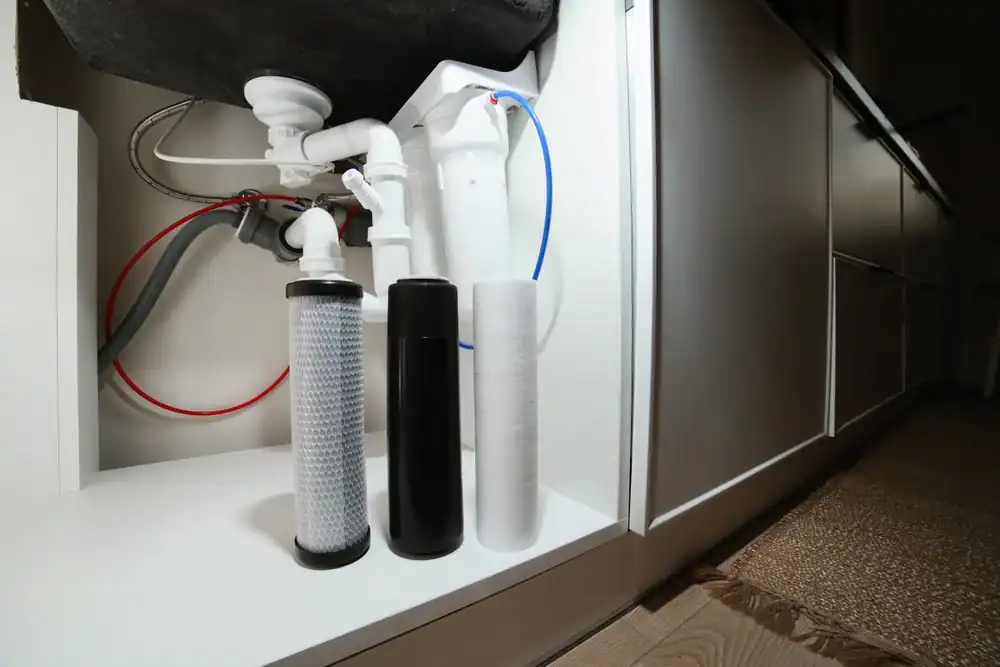
That rotten-egg smell coming from your tap isn’t a fluke. It’s hydrogen sulfide — a naturally occurring compound in the Floridan Aquifer that sits directly beneath Pinellas County. Every private well pulling from that aquifer is drawing it up without a single treatment step between the ground and your glass. Once it’s addressed properly, the smell is gone. Not reduced. Gone.
Iron is the other problem that Pinellas County well owners know all too well. It shows up as orange staining on driveways, pool decks, outdoor showers, and irrigation heads — and in a coastal county where outdoor living and curb appeal are tied directly to property value, that staining isn’t just an eyesore. It’s eating into your fixtures, clogging your irrigation system, and quietly shortening the life of every appliance that uses water in your home. With Pinellas County median home values sitting at $355,100 and climbing, protecting what you’ve built here is worth taking seriously.
The hardness levels documented in the Pinellas area reach 17.2 grains per gallon — among the highest in Florida. That kind of mineral load leaves scale buildup inside your water heater, dishwasher, and washing machine that compounds every year you leave it untreated. A properly designed whole-house filtration system stops that damage at the source, before the water ever reaches your appliances.
We’ve been solving Pinellas County well water problems for over 50 years — and in that entire time, not a single complaint has been filed with the Better Business Bureau. That’s not a marketing line. It’s a verifiable record. Our BBB A+ accreditation and 5-star rating are public. Go look them up.
We also hold membership in the National Water Quality Association, which means the people designing your system have met professional standards that most water treatment operators in the Tampa Bay area never bother to pursue. From Tarpon Springs to Seminole to unincorporated Pinellas County, the water conditions here are specific — extreme hardness, hydrogen sulfide from the Floridan Aquifer, and post-hurricane contamination risks that most national brands aren’t even thinking about when they quote you a system.
This isn’t a plumbing company that added filters as an upsell. Water treatment is the only thing we do. That focus is exactly why the results are different.
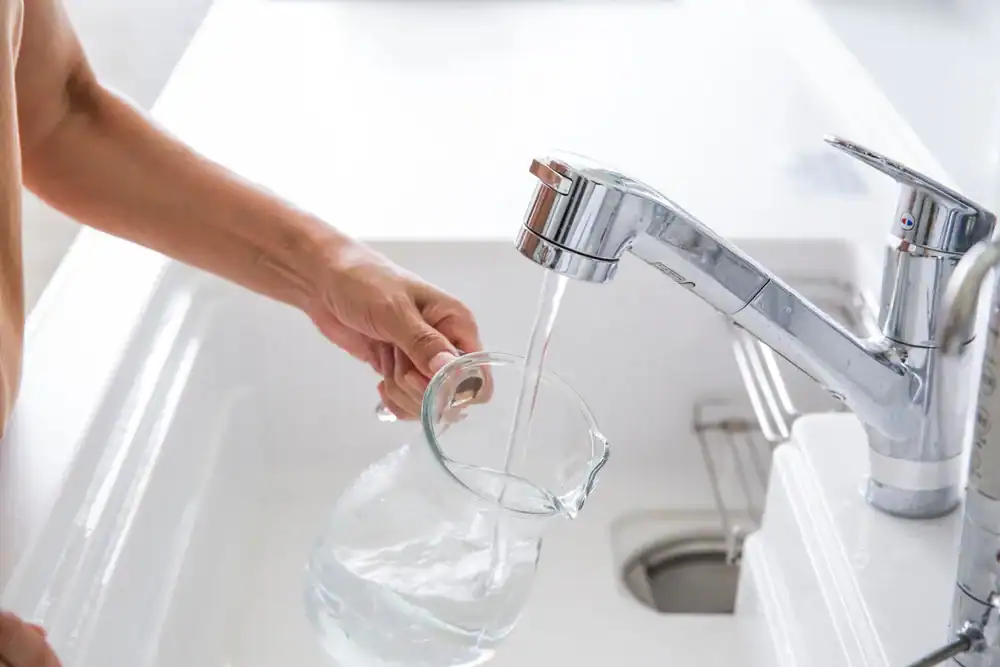
It starts with a free professional water analysis at your home. Not a sales demonstration with dye drops and manufactured urgency — an actual test of your specific well water, measuring iron levels, hardness, hydrogen sulfide, manganese, bacteria, and anything else relevant to your situation. No two wells in Pinellas County produce identical water. A well in Tarpon Springs pulling from the Floridan Aquifer at depth can test very differently than a surficial aquifer well in Largo or Seminole. Your system gets designed around your results, not a one-size-fits-all package.
Once the analysis is complete, we walk you through exactly what your water contains and what it takes to fix it. If you’ve had flooding on your property — and after Hurricanes Helene and Milton hit Pinellas County in 2024, a lot of homeowners have reason to ask that question — bacterial contamination and surface chemical infiltration get factored into the recommendation. The Florida Department of Health in Pinellas County operates a Well Surveillance Program specifically because contamination here is a documented, ongoing concern. We take that seriously in how we design every system.
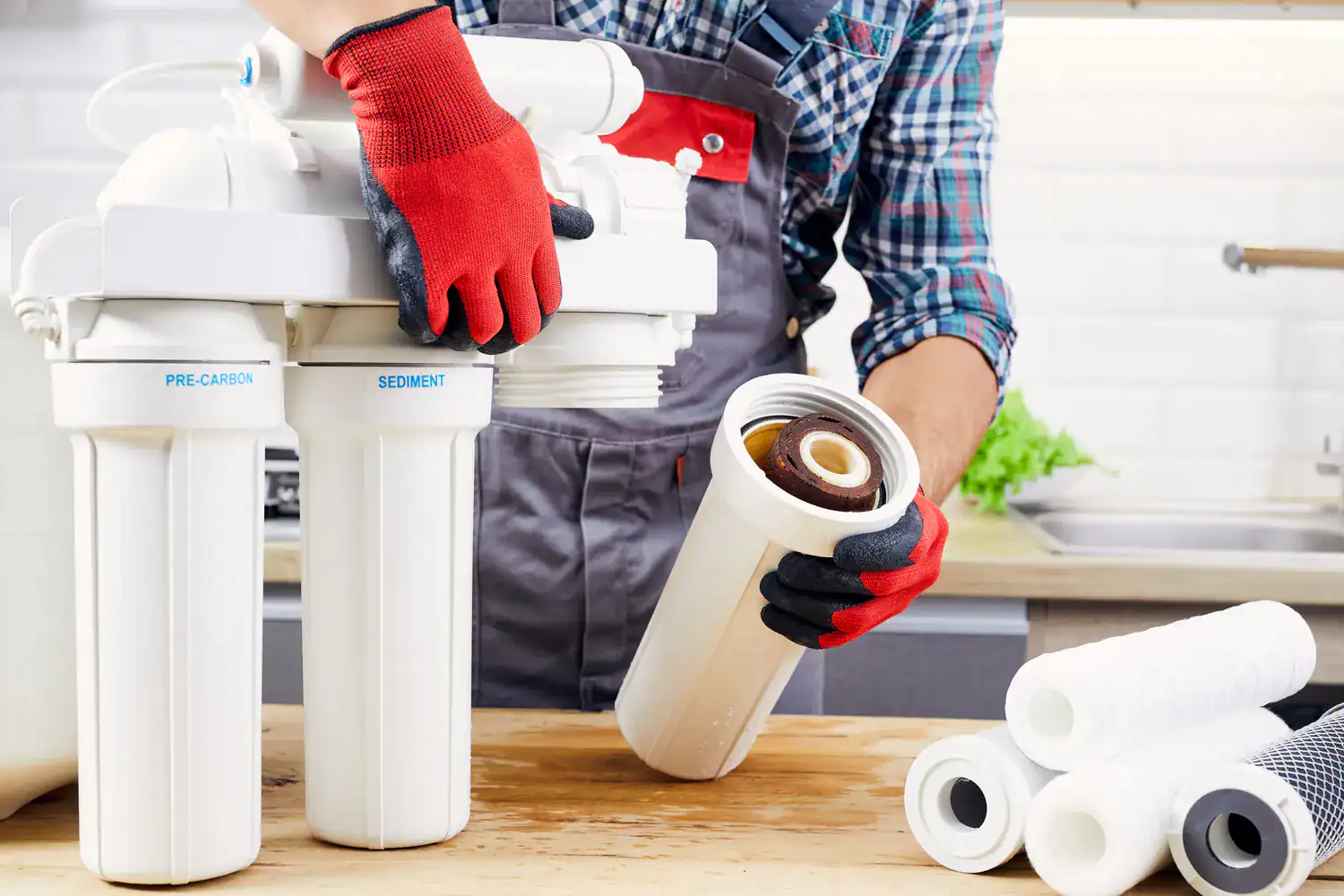
Installation happens in a single day. The system goes in at the point where your well line enters the home, which means every tap, every appliance, and every outdoor connection gets treated water from that point forward. You don’t have to take a day off work or rearrange your week. One appointment, and it’s done.
Ready to get started?
A whole-house well water filtration system for a Pinellas County home is not the same as a system built for a home on a different aquifer in a different state. The chemistry here is specific: high iron, high manganese, high hardness, and hydrogen sulfide are the baseline. On top of that, Pinellas County’s surficial aquifer wells face elevated contamination risk because the county itself acknowledges that aquifer is easily recharged by surface water — meaning septic leachate, petroleum runoff, and storm-related contaminants can reach a shallow well faster than most homeowners realize.
Every system we install is custom-configured after your water test. Iron and manganese removal, hydrogen sulfide treatment through air injection oxidation or hydrogen peroxide injection, whole-house softening for the mineral hardness, and UV bacterial disinfection where the test calls for it — these aren’t add-ons. They’re the components your water may actually need, sized to your household’s daily water usage and the specific conditions of your well. If your property is in a barrier island community, a low-elevation coastal neighborhood, or an area that saw flooding in 2024, bacterial testing is especially relevant and gets prioritized in the analysis.
Water treatment installation in Pinellas County falls under the permitting requirements of your specific municipality — whether that’s Clearwater, Largo, Pinellas Park, or unincorporated county. We handle the process correctly and completely, so there are no surprises after the job is done.

That smell is hydrogen sulfide — a gas that occurs naturally in the Floridan Aquifer, which is the primary groundwater source underlying all of Pinellas County. Clearwater’s own water quality reports acknowledge its presence in the aquifer. When you’re on a private well, there’s no municipal treatment plant removing it before it reaches your tap. Every time you run the water, you’re getting it unfiltered.
The concentration can vary depending on how deep your well goes and which part of the aquifer it draws from. It tends to be more noticeable in warmer months because heat accelerates off-gassing, and Florida’s groundwater temperatures stay relatively warm year-round. The fix is an air injection oxidation system or hydrogen peroxide injection — both are designed specifically to neutralize hydrogen sulfide at the point of entry before it ever reaches your fixtures. A water test tells us which approach fits your well’s specific levels.
The state of Florida does not require private homeowners to test their well water after initial construction. No county agency, no state agency, and no federal program is monitoring what comes out of your tap. The Florida Department of Health in Pinellas County operates a Well Surveillance Program, but that program focuses on wells near known contamination sites — underground storage tanks, dry cleaner solvent spills, waste cleanup areas. If your well isn’t near one of those flagged sites, no one is checking it for you.
That means the answer depends entirely on what’s actually in your water — and the only way to know is to test it. The Floridan Aquifer naturally contains iron, manganese, hydrogen sulfide, and high mineral hardness. Pinellas County’s surficial aquifer wells are also vulnerable to bacterial contamination and surface chemical infiltration because of how easily that aquifer recharges from surface water. If your well has never been professionally tested, or if your property experienced flooding during the 2024 hurricane season, getting a water analysis done is the only way to answer that question with any confidence.
Iron staining — that orange or rust-colored residue on your driveway, pool deck, outdoor shower, and irrigation heads — is one of the most common complaints from Pinellas County well owners. It comes from dissolved iron in the groundwater that oxidizes when it hits air and surfaces. Retail filters and single-stage systems typically don’t address it at the concentration levels found in Pinellas area wells, which is why so many homeowners have already tried something and are still dealing with the staining.
The effective solution is a whole-house iron removal system installed at the point of entry, designed around your specific iron concentration from a water test. Depending on what your test shows, that might be an air injection oxidation system, a catalytic filtration system, or a combination approach that also addresses iron bacteria — a separate form of iron contamination that standard filters miss entirely. In a coastal county where curb appeal and outdoor living are tied directly to property values, stopping the staining at the source is the only real fix. Treating it after the fact with surface cleaners is an ongoing expense that never solves the underlying problem.
Yes, and this is a question every Pinellas County well owner with a private well should take seriously. Hurricanes Helene and Milton both caused historic storm surge and flooding across Pinellas County in 2024. Floodwaters carry bacteria, sewage, agricultural chemicals, and surface contaminants that can infiltrate private wells — especially shallower surficial aquifer wells, which are more easily reached by surface water than deep Floridan Aquifer wells.
The Florida Department of Health specifically recommends that well owners test their water after any flooding event. If your property was inundated and you haven’t had your well tested since, you genuinely don’t know what’s in your water right now. Bacterial contamination — including coliform and E. coli — doesn’t change the color, smell, or taste of your water in ways you’d necessarily notice. A professional water analysis is the only way to confirm whether your well came through clean. If contamination is found, UV disinfection systems and whole-house filtration can address it directly. If the test comes back clean, you at least know where you stand.
A comprehensive whole-house well water filtration system for a Pinellas County home typically runs between $5,000 and $10,000 installed, depending on what your water test shows and the size of your household. That range reflects real variables — a well with high iron, hydrogen sulfide, manganese, and bacterial concerns requires more components than a well with a single issue. The system gets sized and configured after your water analysis, not before.
It’s worth framing that number against what you’re spending on the alternative. Bottled water for a household adds up to hundreds of dollars a year. Appliance damage from extreme hardness shortens the life of water heaters, dishwashers, and washing machines in ways that cost real money over time. Iron staining remediation, fixture replacement, and irrigation head cleaning are recurring costs that don’t stop until the source is treated. A whole-house system is a one-time investment that eliminates most of those ongoing expenses. If you’re active military, a veteran, or a first responder, there’s also a $500 discount available — ask about it when you call.
Please provide your email address so that we can stay in touch and answer any questions you have! We will be reaching back out shortly.
"*" indicates required fields
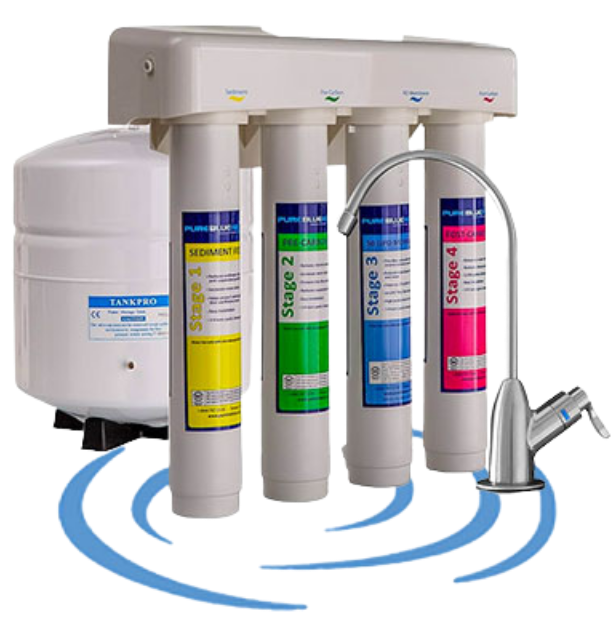
Get a free reverse osmosis drinking water system with the purchase of any whole-home water purification system.
*Cannot be combined with other offers. Mention this special when you call.