Reach Out Today
Please provide your email address so that we can stay in touch and answer any questions you have! We will be reaching back out shortly.


Hear from Our Customers
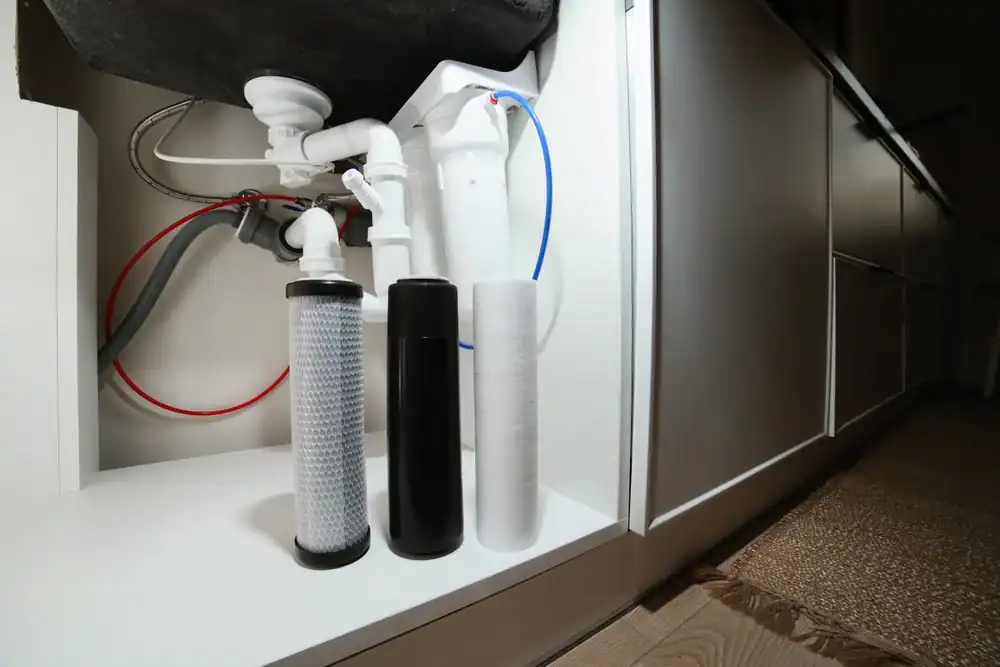
The sulfur smell is probably the one you notice first. It hits in the shower, it follows you into the kitchen, and it’s the first thing guests notice when they walk through the door. That smell is hydrogen sulfide — a gas produced by sulfur-reducing bacteria living in the warm, anaerobic groundwater of the Floridan Aquifer. It doesn’t fade with time, and it doesn’t get better in summer. If anything, Florida’s heat makes it worse.
Iron is the other problem, and it’s quieter but more expensive. Iron above 0.3 mg/L stains your fixtures orange, turns your laundry dingy, and slowly destroys your water heater, washing machine, and any appliance that sees water regularly. For Pine Ridge homeowners managing horses and agricultural operations on acreage lots, iron is a double threat — it clogs irrigation lines and equestrian watering systems the same way it clogs your pipes inside. The USGS has documented elevated iron and sulfide levels specifically in Citrus County groundwater, so this isn’t a fluke. It’s the baseline for what comes out of Pine Ridge wells.
When those problems are gone, the difference is immediate. No smell. No staining. Appliances that last longer. Water you’re not embarrassed to serve. And for the horses — clean, unobstructed water flow through every line on the property.
We’ve been solving well water problems across Florida for over 50 years. That’s not a number thrown in to sound impressive — it means we’ve seen the full range of what Florida groundwater throws at homeowners, including the specific iron, sulfur, and manganese chemistry that comes out of Citrus County wells and Pine Ridge properties specifically. We know this region’s water because we’ve been treating it for decades.
We hold an A+ rating with the Better Business Bureau and a 5-star rating across every major review platform — with zero complaints on record. In an industry where the Florida Attorney General has taken legal action against predatory water filter companies, that record means something real. We’re also a member of the National Water Quality Association, which requires passing a technical exam and agreeing to a formal code of ethics. No local Citrus County competitor prominently holds that credential.
If you’re a veteran or first responder, we offer a $500 discount — and it’s not a gimmick. Pine Ridge has given more than its share of service, and this is a straightforward acknowledgment of that.
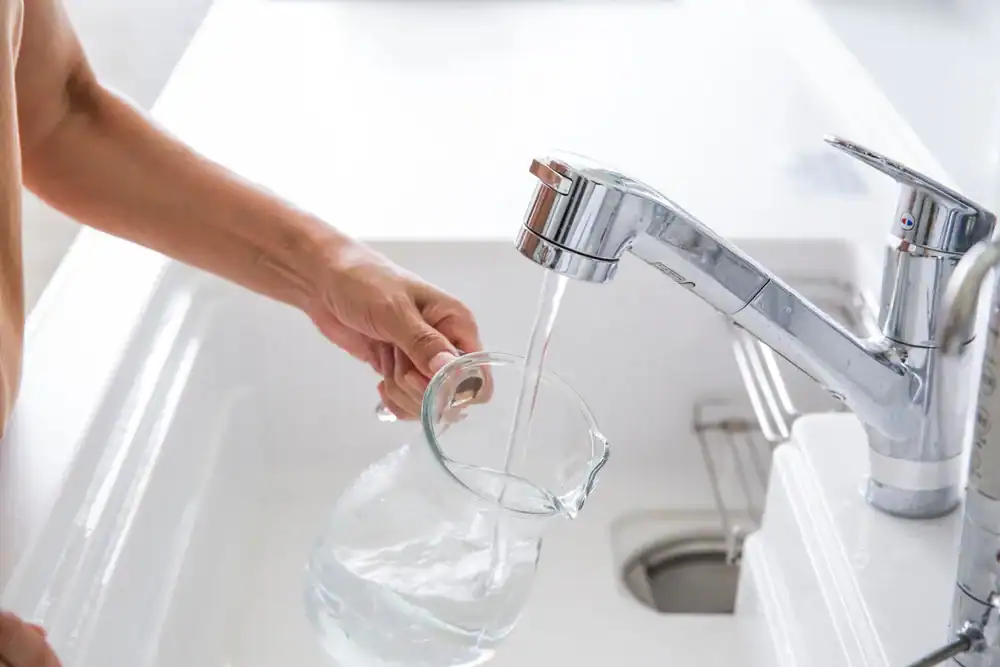
It starts with a free professional water analysis — not a sales pitch, an actual test of your specific well water. This matters more than most people realize. Well water chemistry in Pine Ridge varies by lot, by depth, and by where your property sits within Pine Ridge Estates. Two homes a quarter mile apart on the same road off CR 486 can pull water with meaningfully different iron and sulfide concentrations. A real test tells you what’s actually in your water, so the system gets designed around your chemistry — not around a sales script.
Once the analysis is done, the system recommendation is built from the data. If you have iron and sulfur but no significant bacterial concern, the approach looks different than a home with all three. The system is sized for your household’s water usage and installed at the point of entry — where the well line enters the house — so every tap, every shower, every appliance, and every outdoor connection on your property gets treated water from that point forward.
Installation is completed in a single day. No multi-day disruption to your property, no running new lines across your acreage, no mess left behind. The Citrus County Health Department requires testing for newly-constructed wells, so if you’ve recently built or bought in Pine Ridge and have test results in hand, bring them — the analysis process starts there.

Ready to get started?
Most Pine Ridge homes on private wells are dealing with more than one issue at the same time. Iron and sulfur tend to show up together in Floridan Aquifer groundwater — and manganese, which the USGS specifically identified as elevated in Citrus County wells, often comes along for the ride. Manganese shows up as black staining and can be even harder to remove than iron if the system isn’t designed for it. Our whole-house filtration system addresses all of it in one installation, at the point of entry, before the water ever reaches your fixtures or your horses’ water lines.
Depending on what your water analysis shows, the system may include air injection oxidation to eliminate hydrogen sulfide and oxidize iron for filtration, catalytic carbon to handle residual sulfur compounds, a sediment pre-filter, a water softener for hardness, and UV disinfection for bacterial concerns — which are a real consideration for any Citrus County property on a private well with a septic system on the same lot. Every component included is there because your water test said it needs to be there.
We don’t offer named tiers or preset packages. The system is built around your water. If your well only needs iron removal, that’s what you get. If it needs a full multi-stage setup, that’s what we design. The free water analysis is what determines the scope — and it costs you nothing to find out.

That smell is hydrogen sulfide gas, and it’s extremely common in Pine Ridge and throughout Citrus County. The Floridan Aquifer, which supplies virtually all private well water in this area, contains anaerobic zones where sulfur-reducing bacteria break down sulfur compounds and release hydrogen sulfide as a byproduct. The gas dissolves into the groundwater and comes out of solution when it hits the air — which is why you smell it most in the shower or when you run hot water.
The problem doesn’t go away on its own, and it doesn’t improve with the seasons. Florida’s warm groundwater temperatures actually support the bacteria year-round. The fix depends on how much hydrogen sulfide is in your water. Lower concentrations are typically handled with an air injection oxidation system, which introduces oxygen to convert the gas before it reaches your pipes. Higher concentrations may require hydrogen peroxide injection followed by catalytic carbon filtration. A water test tells you which approach is right for your Pine Ridge well.
The most obvious sign of iron is orange or rust-colored staining in your toilets, sinks, and tub — and laundry that comes out looking dingy or discolored even after a normal wash cycle. Iron can also leave a metallic taste in your water. Manganese is trickier because it shows up as black or dark brown staining, often in the toilet tank or around faucet aerators, and it’s easy to mistake for mold or sediment.
The USGS has specifically documented elevated iron and manganese concentrations in Citrus County groundwater, so if you’re on a private well in Pine Ridge Estates, there’s a real chance you have both. The only way to know for sure — and to know the concentrations — is a professional water test. Iron at 0.3 mg/L or above causes visible staining. At higher levels, especially when combined with sulfide, it forms iron sulfide sludge that can clog well casings, irrigation lines, and the watering systems that equestrian properties depend on. A test gives you the actual numbers so the treatment is sized correctly for your Pine Ridge property.
For most Pine Ridge homeowners on private wells, yes — and the math is pretty straightforward. Untreated iron and hard water shorten the lifespan of water heaters, washing machines, dishwashers, and any appliance that uses water regularly. Replacing those appliances earlier than you should have to is a real cost. Add in the staining on fixtures and tile that requires ongoing cleaning or periodic replacement, and the cost of doing nothing adds up faster than people expect.
For Pine Ridge homes with horses and agricultural operations, there’s an additional layer. Iron sulfide buildup in irrigation lines and equestrian watering systems can clog equipment within weeks at high concentrations. A whole-house system treats every water connection on the property — inside and out — from a single point of entry. The upfront investment in a properly designed system typically pays for itself in appliance longevity and reduced maintenance alone, before you factor in the quality-of-life difference of water that doesn’t smell, stain, or taste like the aquifer it came from.
Yes. The Florida Department of Health designates Citrus County as one of the counties where the local health department enforces testing requirements for newly-constructed wells and wells that have been repaired. If you’ve recently built or purchased a new home in Pine Ridge — including new construction from builders currently active in the community — your well should have been tested as part of that process, and you may have received results that show iron, sulfur, bacteria, or hardness levels above recommended thresholds.
Those test results are a starting point, not a verdict. They tell you what’s in the water, but they don’t tell you what system will fix it or how to size it for your home’s usage. That’s where a professional water analysis comes in. We can review your existing test results and, if needed, conduct a more detailed analysis to fill in any gaps before recommending a treatment approach. If you’re a new Pine Ridge homeowner who’s never dealt with private well water before, starting with a professional review of your water chemistry is the right move before committing to any system.
Yes, and for most Citrus County wells, that’s exactly what’s needed. Iron, hydrogen sulfide, and bacterial contamination tend to co-exist in Floridan Aquifer groundwater — particularly on properties where a private well and a septic system share the same acreage, which is the standard setup for most Pine Ridge Estates homes. Treating one issue while ignoring the others leaves the job half done.
A properly designed whole-house system addresses all three from the point of entry. Air injection oxidation handles the hydrogen sulfide and oxidizes the iron so it can be filtered out. A sediment filter catches the oxidized particles. Catalytic carbon handles residual sulfur compounds. And a UV disinfection stage neutralizes bacteria — including coliform and iron bacteria — without adding chemicals to your water. The components included depend entirely on what your water test shows. Not every Pine Ridge well needs every stage, and a system that’s oversized for your water chemistry is money spent unnecessarily. The test determines the scope.
Please provide your email address so that we can stay in touch and answer any questions you have! We will be reaching back out shortly.
"*" indicates required fields
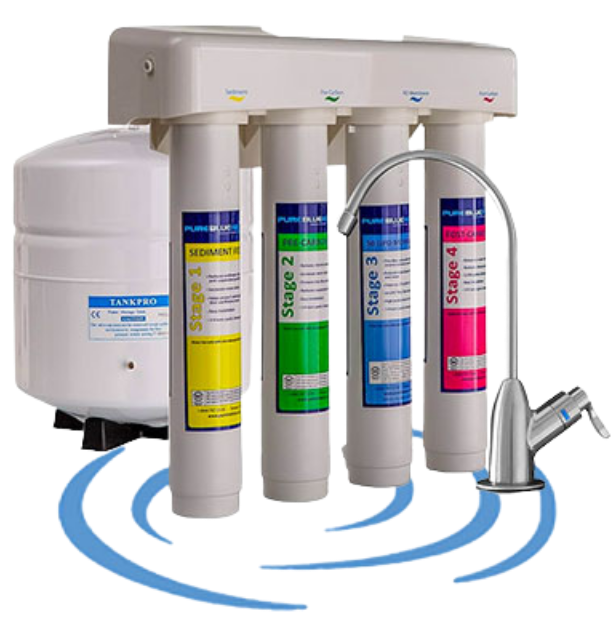
Get a free reverse osmosis drinking water system with the purchase of any whole-home water purification system.
*Cannot be combined with other offers. Mention this special when you call.