Reach Out Today
Please provide your email address so that we can stay in touch and answer any questions you have! We will be reaching back out shortly.

Hear from Our Customers
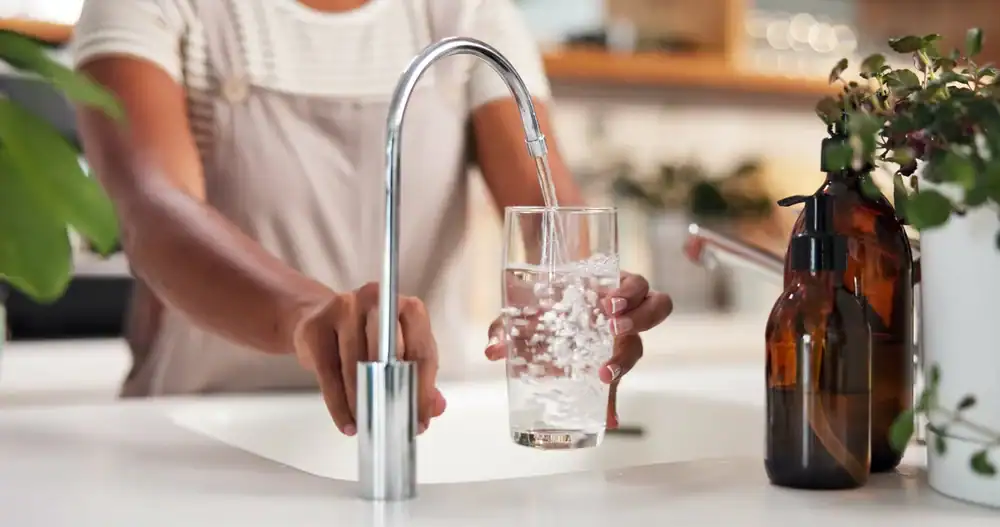
Turn on your tap and there’s no rotten egg smell. No orange streaks in the sink. Your white clothes stay white after washing, and guests don’t wrinkle their nose when they walk into your bathroom.
That’s what happens when your well water filtration system actually addresses what’s in your water. Not just filtering out sediment, but removing the iron that stains everything it touches and the hydrogen sulfide that makes your whole house smell like sulfur.
Your appliances last longer because they’re not constantly battling corrosive minerals. Your water heater doesn’t corrode from the inside out. Your plumbing stays clear instead of building up with iron deposits that restrict flow and eventually cause leaks.
You stop buying bottled water for drinking and cooking. You stop scrubbing orange stains off porcelain. You stop making excuses about your water to people who visit. The problem gets fixed once, and it stays fixed.
We have over 50 years of combined experience treating well water across Central Florida. We’re members of the National Water Quality Association and hold an A+ rating with the Better Business Bureau with zero complaints on record.
We don’t do plumbing. We don’t install water heaters. We focus entirely on designing and installing water treatment systems that solve the specific problems Paradise Heights homeowners deal with—because this area sits right on top of Florida’s limestone aquifer, which means iron, sulfur, and bacteria issues are extremely common.
Every system we install starts with a free water analysis at your home. We test for iron levels, sulfur content, bacteria presence, pH, hardness, and anything else that affects how your water looks, smells, and performs. Then we design a system based on your actual water chemistry and your household’s daily usage—not a one-size-fits-all box from a big-box store.
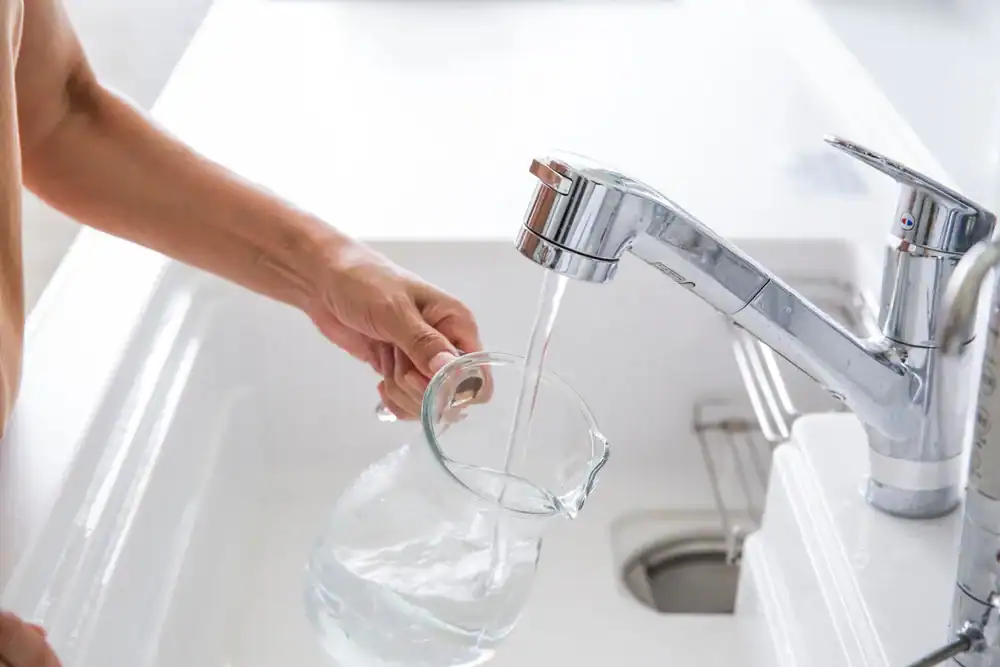
First, we come to your home and collect water samples from your well. We test for iron, sulfur, bacteria, pH levels, hardness, and total dissolved solids. This tells us exactly what’s in your water and what treatment methods will actually work.
Once we know what we’re dealing with, we design a custom system. If you have high iron content, we might recommend an air injection oxidation system that converts dissolved iron into particles that can be filtered out. For hydrogen sulfide, we often use hydrogen peroxide injection or aeration to eliminate the sulfur smell at the source. Bacteria issues require disinfection systems, usually UV or chlorination, depending on your water chemistry.
We install the system at your home, typically where your well line enters the house. The installation takes a day in most cases. We test everything to make sure it’s working correctly, show you how to maintain it, and explain what to expect going forward.
After installation, your water runs through the treatment system before it reaches any tap, shower, or appliance in your home. That means every drop of water in your house is treated—not just the kitchen sink.
Ready to get started?
Your system gets designed around your specific water test results. If your water has 3 ppm of iron, we size the equipment to handle that load. If you’re dealing with both iron and sulfur, we combine treatment methods—often air injection oxidation for iron removal and hydrogen peroxide injection for hydrogen sulfide treatment.
Paradise Heights sits in Lake County, which means your well draws from the Floridan Aquifer. That limestone formation dissolves minerals into the groundwater, which is why iron and sulfur are so common here. The same geology that gives us abundant water also creates the conditions where sulfur-reducing bacteria thrive in low-oxygen environments deep underground.
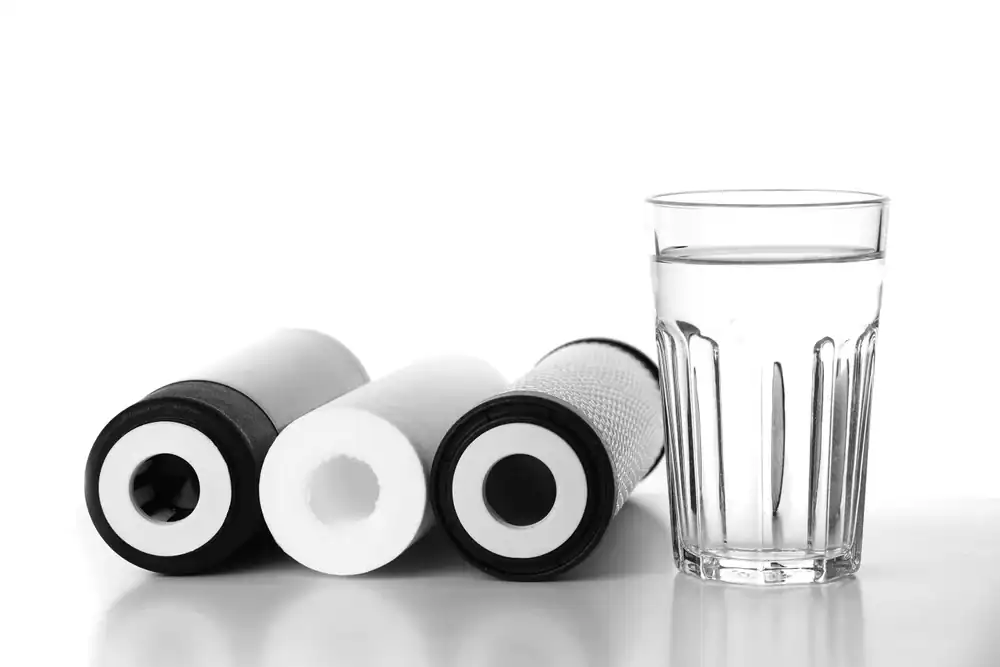
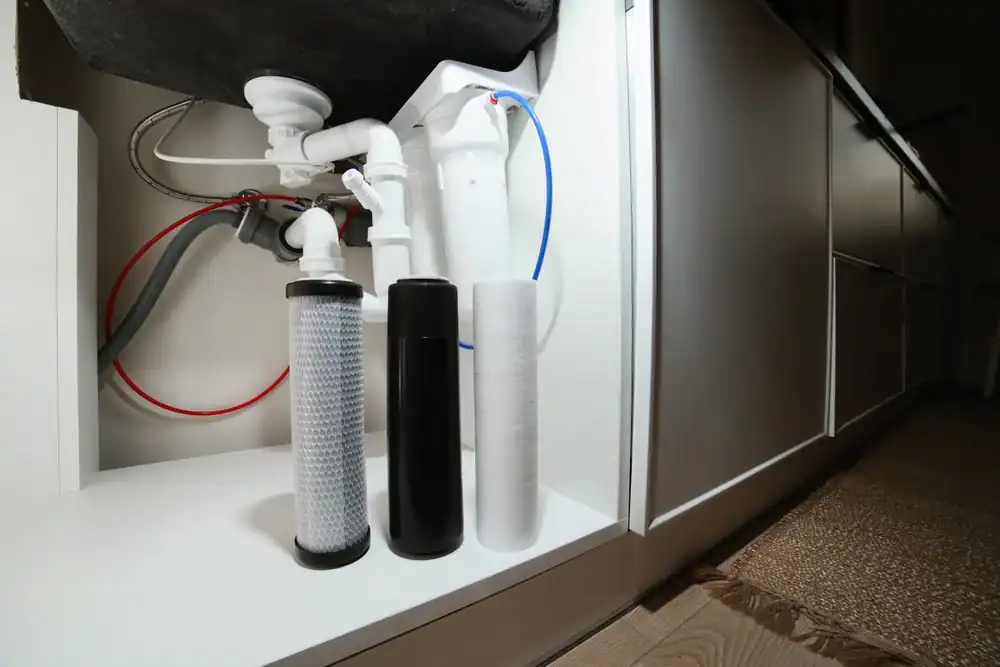
Most of our systems include a whole-house pre-filter to catch sediment, followed by the main treatment components—whether that’s an AIO tank, a peroxide injection system, or a UV disinfection unit. We also install post-filters when needed to catch any remaining particles before the water reaches your taps.
You get a system that’s sized correctly for your household’s water usage. A family of four uses water differently than a couple, and your equipment needs to keep up with peak demand times—mornings when everyone’s showering, evenings when you’re cooking and doing laundry. We factor that into the design so you never run out of treated water.

That smell is hydrogen sulfide gas, and it forms when sulfur-reducing bacteria break down sulfates in your groundwater. These bacteria thrive in the warm, low-oxygen environment inside your well and plumbing system. You’ll notice the smell the second you turn on any faucet—it’s unmistakable.
Hydrogen sulfide isn’t just unpleasant. It’s corrosive. It eats away at copper and brass plumbing fixtures, causes black or green stains on metal, and accelerates the breakdown of your water heater’s anode rod. Left untreated, it shortens the life of your entire plumbing system.
The fix involves either oxidizing the hydrogen sulfide so it converts into sulfur particles that can be filtered out, or aerating your water to release the gas before it reaches your taps. Hydrogen peroxide injection and air injection oxidation are the two most effective methods for Paradise Heights well water, depending on your sulfur concentration and pH levels.
Those orange and brown stains come from iron in your water. Central Florida groundwater naturally contains dissolved iron because it passes through iron-rich soil and limestone before reaching your well. When that iron-laden water hits the air, it oxidizes—basically rusts—and leaves behind those ugly stains on sinks, tubs, toilets, and laundry.
Iron also clogs up your pipes over time. It builds up inside your plumbing, restricts water flow, and creates rough surfaces where more iron and minerals can accumulate. Your appliances don’t tolerate it well either—dishwashers, washing machines, and water heaters all suffer when they’re constantly processing iron-heavy water.
An iron removal system works by oxidizing the dissolved iron while it’s still in the treatment tank, then filtering out those rust particles before the water enters your home’s plumbing. Air injection oxidation systems are extremely effective for this because they use oxygen to convert the iron, then trap it in a filter media that gets backwashed clean automatically.
The only way to know for certain is to test your water. Some bacteria cause noticeable problems—sulfur-reducing bacteria create that rotten egg smell, and iron bacteria produce slimy orange or reddish buildup in toilet tanks and on plumbing fixtures. But other harmful bacteria, including coliform and E. coli, don’t have any smell or visible signs.
Bacteria find their way into wells through surface contamination—heavy rain, flooding, or poorly sealed well caps. Some bacteria also exist naturally in the oxygen-depleted environment deep underground. Florida’s warm climate and high water table make bacterial contamination more common than in other parts of the country.
We test for total coliform, E. coli, and other indicator bacteria during your free water analysis. If bacteria are present, we recommend a disinfection system—usually UV light or chlorination. UV systems are chemical-free and extremely effective at killing bacteria and viruses as water passes through the chamber. Chlorination works well for wells with persistent or heavy bacterial contamination.
No. Water softeners remove hardness minerals like calcium and magnesium through an ion exchange process, but they’re not designed to handle iron or sulfur. If you run iron-heavy water through a softener, the iron will foul the resin bed and reduce the system’s effectiveness. You’ll end up with a softener that doesn’t work right and water that still stains everything.
Iron and sulfur require oxidation and filtration, not ion exchange. You need a system that converts dissolved iron into particles, then filters those particles out. For sulfur, you need a method that either oxidizes the hydrogen sulfide or aerates it out of the water before it reaches your taps.
In many cases, Paradise Heights homeowners need both—an iron and sulfur removal system followed by a water softener. We install them in sequence so the iron and sulfur get removed first, then the softener handles the hardness. That way, each system does what it’s actually designed to do, and you get water that’s soft, clear, and odor-free.
It depends entirely on what’s in your water and what treatment methods are needed to fix it. A straightforward iron removal system costs less than a multi-stage setup that addresses iron, sulfur, bacteria, and hardness. System size also matters—a household that uses 300 gallons per day needs different equipment than one using 100 gallons per day.
We don’t give ballpark estimates because they’re usually wrong. Your water chemistry is unique to your well, your location, and the aquifer depth you’re drawing from. The only way to give you an accurate price is to test your water first, then design a system that actually solves your specific problems.
What we can tell you is that a properly designed system pays for itself over time. You stop buying bottled water. You stop replacing appliances prematurely. You stop scrubbing stains and dealing with plumbing repairs caused by corrosive water. And if you’re military or a first responder, we offer a $500 discount on whole-house systems.
Please provide your email address so that we can stay in touch and answer any questions you have! We will be reaching back out shortly.
"*" indicates required fields