Reach Out Today
Please provide your email address so that we can stay in touch and answer any questions you have! We will be reaching back out shortly.

Hear from Our Customers
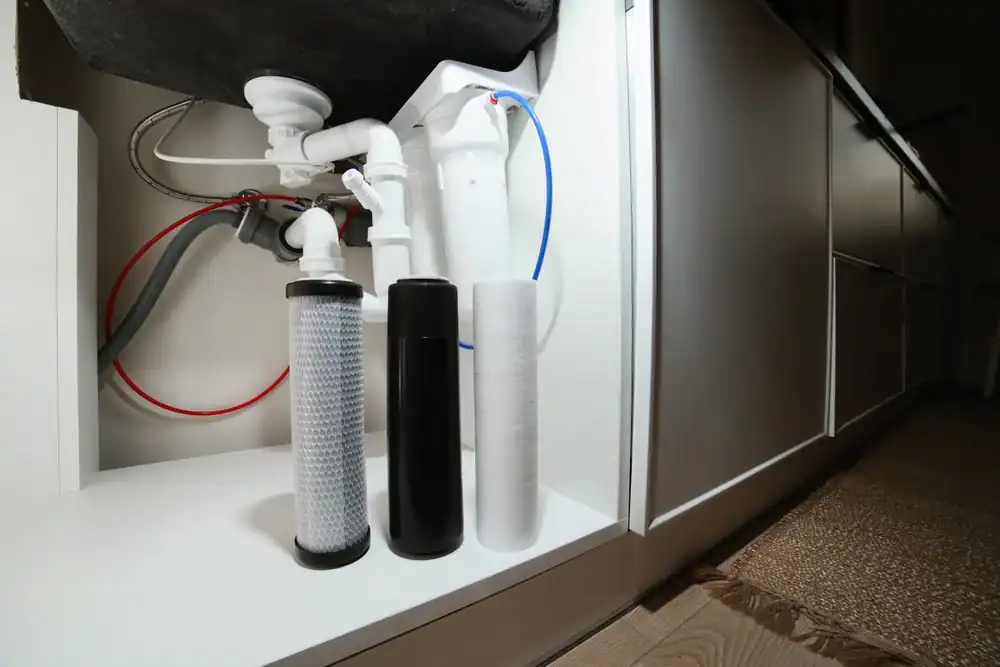
No more orange stains creeping across your sinks and tubs. No more rotten egg smell hitting you when someone turns on the shower. No more wondering if what’s coming out of your tap is safe for your kids to drink.
When your well water filtration system is designed around what’s actually in your water – not some generic setup – things change fast. Your whites stay white in the wash. Your fixtures stay clean longer. Your coffee doesn’t taste like metal.
Iron removal systems handle the rust and staining. Hydrogen sulfide treatment kills that sulfur smell at the source. Bacteria disinfection makes sure E.coli and other organisms don’t stand a chance. And when it’s all working together the way it should, you stop thinking about your water because it just works.
We’ve been handling well water problems in North and Central Florida since the early 1970s. We’re A-rated by the Better Business Bureau with zero complaints and five stars because we show up, we do the work right, and we’re still here when you need us years later.
Panama Park homeowners deal with specific water issues – high iron content, sulfur smell from hydrogen sulfide, bacterial iron that standard filters miss. We’ve seen it all. We test your water first, design your system around those results, and install equipment that actually matches your household’s water usage.
We’re members of the National Water Quality Association. We offer a $500 discount to military members and first responders. And we support the Tunnels to Towers Foundation because this community matters to us.
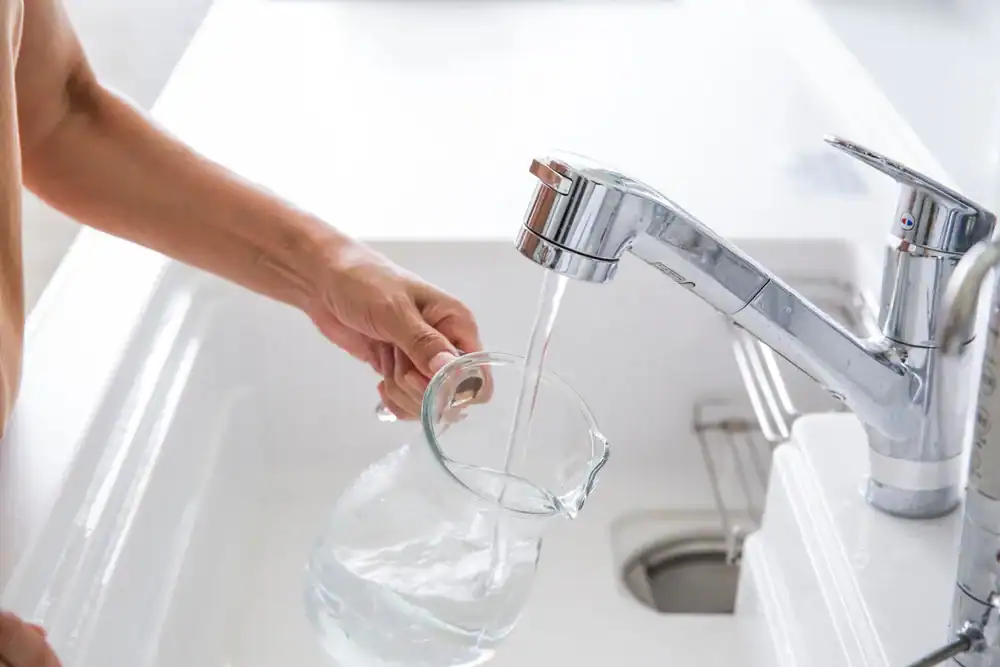
First, we test your water. Not a basic hardness test – a real analysis that shows us iron levels, sulfur content, bacteria presence, pH, and everything else that affects how your water behaves. This tells us what we’re actually dealing with.
Then we design a system specifically for those results and your household size. If you’ve got bacterial iron, we might use hydrogen peroxide injection or air injection oxidation to kill it before it reaches your fixtures. If sulfur is the main issue, a Sulfur Clear filter handles hydrogen sulfide treatment. For bacteria disinfection, UV systems use ultraviolet light to eliminate organisms without chemicals.
Installation usually takes a day. We connect everything to your main water line so your entire house gets filtered water. Then we test again to make sure the system is performing exactly as designed. You’ll see the difference immediately – clearer water, no smell, no staining.
We service what we install. If something needs adjustment or maintenance down the road, we handle it. And if your water changes over time, we can adapt your system.
Ready to get started?
Every well water filtration system we install starts with that water analysis. Without it, we’re guessing. With it, we know exactly which treatment methods will work for your specific water chemistry.
Iron removal systems use oxidation to convert dissolved iron into particles that get filtered out. This stops the orange staining on everything your water touches. For tougher bacterial iron, we add hydrogen peroxide injection or air injection oxidation – both methods kill the bacteria and remove the iron at the same time.
Hydrogen sulfide treatment eliminates sulfur smell using filtration media designed specifically for that rotten egg odor. It’s not masking anything – it’s removing the hydrogen sulfide from your water completely.
Bacteria disinfection happens through UV light systems that kill E.coli and other waterborne organisms as water passes through. No chemicals, no salt, no waste water. Just effective disinfection that keeps your drinking water safe.
In Panama Park, most well water issues involve some combination of these problems. Your system gets built to handle what’s actually in your water – not what might be in someone else’s. That’s why we don’t do one-size-fits-all packages.

You need a comprehensive water analysis – not just a hardness test or a basic iron check. A real analysis measures iron content, sulfur levels, bacteria presence, pH balance, total dissolved solids, and other factors that affect your water quality and how it should be treated.
We do this testing before recommending any equipment. It usually takes a few days to get results back from the lab. Once we see those numbers, we know exactly what treatment methods will work and which ones would be a waste of your money.
Some companies skip this step and sell you a generic system. That’s why you’ll see homeowners who installed filtration equipment but still have water problems. The system wasn’t designed for their specific water chemistry. Testing first means your system actually fixes what’s wrong.
Regular dissolved iron causes staining but it’s relatively straightforward to remove through oxidation and filtration. Bacterial iron is a living organism that feeds on iron in your water and creates a slimy biofilm in your pipes and fixtures. It’s much harder to eliminate.
If you’ve got bacterial iron, you’ll see rust-colored slime in your toilet tanks, a greasy film in your water, and staining that comes back quickly even after cleaning. Standard iron filters won’t kill the bacteria – they’ll just catch some of it while the rest keeps multiplying in your system.
Treating bacterial iron requires hydrogen peroxide injection or air injection oxidation systems that actually kill the organisms before filtration. These methods oxidize both the bacteria and the iron, then filter out the dead bacteria and iron particles. It’s a more aggressive treatment because you’re dealing with a living problem, not just a mineral.
No. Water softeners remove hardness minerals like calcium and magnesium – they don’t remove hydrogen sulfide, which is what causes that rotten egg smell. You need a completely different type of treatment for sulfur.
Hydrogen sulfide is a gas dissolved in your water. When you run the tap, that gas is released and you smell it. A softener might make your water feel different, but it won’t touch the odor. Some people install both a softener and a sulfur treatment system, but they serve totally different purposes.
Sulfur treatment uses specialized filtration media or oxidation methods that convert hydrogen sulfide into particles that can be filtered out. The treatment method depends on how much sulfur is in your water and what else is present. That’s another reason why testing matters – sulfur levels determine which treatment approach will actually work.
It depends on your system type and your water chemistry, but most systems need attention once or twice a year. UV bulbs need replacing annually because their disinfection power decreases over time. Filter media might need replenishing every few years depending on your water volume and contamination levels.
Systems with hydrogen peroxide injection need the peroxide tank refilled periodically. Air injection systems need occasional checks to make sure the air pump and oxidation process are working correctly. These aren’t complicated maintenance tasks, but they need to happen on schedule.
We service everything we install, and we’ll service systems from other companies too. Regular maintenance keeps your system working at full capacity and prevents small issues from becoming expensive problems. Most homeowners just schedule annual service and don’t think about it the rest of the year.
Technically possible, but not recommended unless you really know what you’re doing with plumbing and water treatment chemistry. These systems tie into your main water line and require proper sizing, correct installation sequence, adequate drainage, and sometimes electrical work for UV systems or injection pumps.
If the system isn’t sized correctly for your household’s water flow, it won’t work effectively. If components are installed in the wrong order, you might remove some contaminants while missing others. If drainage isn’t set up properly, you’ll have flooding issues during backwash cycles.
The bigger risk is installing a system that doesn’t match your water problems because you skipped professional testing or misinterpreted the results. We’ve replaced several DIY installations where homeowners spent money on equipment that was never going to fix their specific water issues. Professional installation costs more upfront but it works correctly from day one.
Please provide your email address so that we can stay in touch and answer any questions you have! We will be reaching back out shortly.
"*" indicates required fields
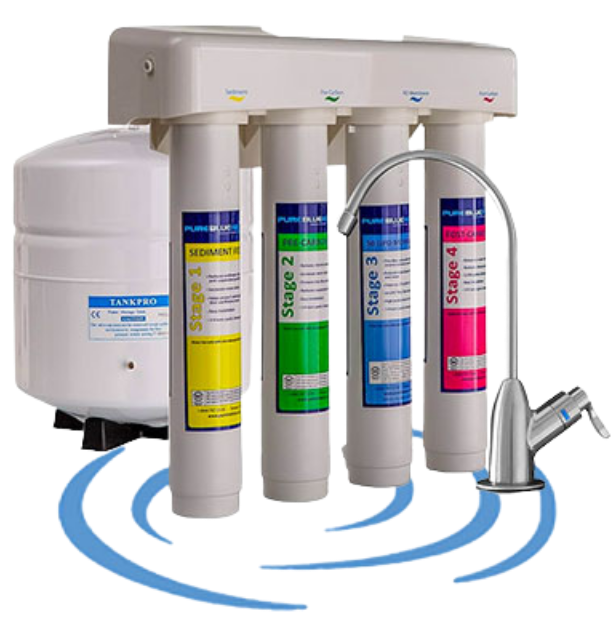
Get a free reverse osmosis drinking water system with the purchase of any whole-home water purification system.
*Cannot be combined with other offers. Mention this special when you call.