Reach Out Today
Please provide your email address so that we can stay in touch and answer any questions you have! We will be reaching back out shortly.

Hear from Our Customers
You turn on the tap and the water runs clear. No staining your sinks or toilets orange. No scrubbing fixtures every week just to keep them presentable.
The sulfur smell is gone—not just masked, but eliminated at the source. Your showers don’t reek of rotten eggs. Your dishes come out of the washer without spots or film.
Your appliances last longer because they’re not fighting iron buildup and corrosive hydrogen sulfide every day. Your water heater’s anode rod isn’t breaking down prematurely. Your pipes aren’t developing that rust-colored sludge that restricts flow and causes expensive problems down the line.
That’s what happens when your well water filtration system is designed specifically for what’s actually in your water—not a one-size-fits-all box from a big retailer that doesn’t account for Florida’s limestone aquifer and the sulfur bacteria that thrive here.
We’ve been solving well water problems for Palm Valley homeowners who are tired of dealing with iron stains, sulfur odors, and uncertainty about their water quality. We’re members of the National Water Quality Association with over 50 years of combined experience in water treatment.
Our A+ Better Business Bureau rating and 5-star reviews with zero complaints aren’t just badges on a website. They reflect how we operate: we test your water first, design a system based on what’s actually in it, install it right, and stay available when you need support.
We’re not a national chain that sells you a system and disappears. We’re based in Florida, we understand Lake County’s specific water challenges, and we’re here when something needs attention. That matters when you’re making a whole-house investment.
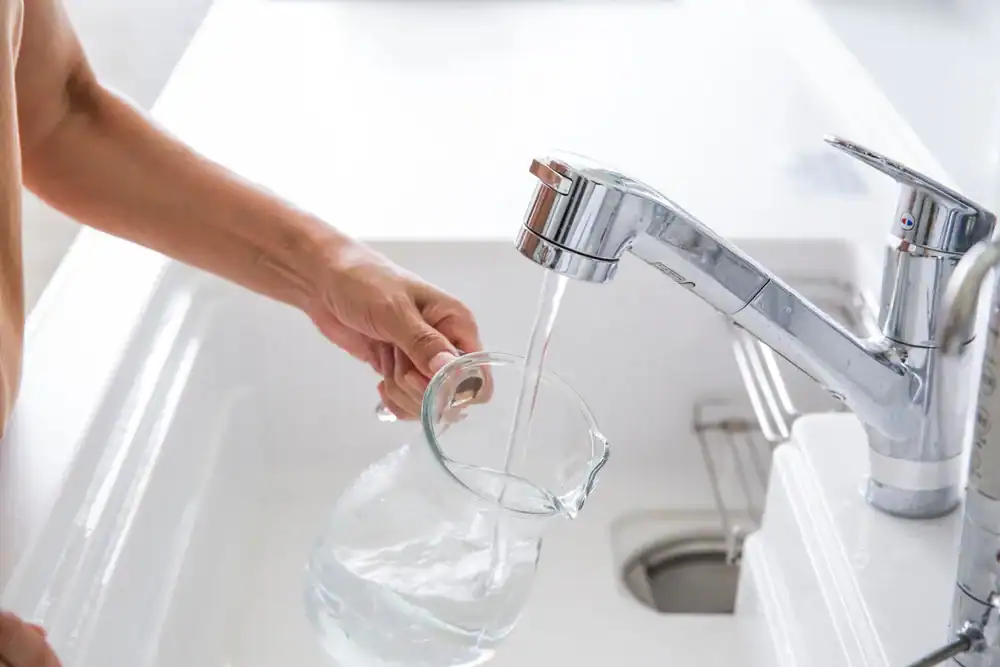
We start with a comprehensive water analysis—free, no obligation. This isn’t a basic hardness test. We’re looking at iron levels, hydrogen sulfide content, bacteria presence, pH, and other contaminants specific to well water in Palm Valley.
Once we know what’s in your water, we design a system that targets those specific problems. If you have bacterial iron, we’re using air injection oxidation or hydrogen peroxide injection to kill the bacteria and oxidize the iron so it can be filtered out. If hydrogen sulfide is your main issue, we’re treating the sulfur at the source before it enters your home’s plumbing.
Installation is scheduled at your convenience. We handle the whole-house setup, test the system thoroughly, and walk you through how it works and what minimal maintenance it needs. Most systems we install don’t require salt or ongoing chemical purchases—they’re designed to work efficiently without constant intervention.
After installation, you have our contact information. If something changes with your water or you have questions months down the road, you’re not calling a 1-800 number. You’re reaching the people who installed your system.
Ready to get started?
Your well water filtration system is custom-designed based on your water test results and your household’s water usage. That might include iron removal systems using air injection oxidation, hydrogen peroxide injection for bacteria disinfection, sulfur treatment to eliminate that rotten egg smell, or a combination depending on what your water analysis reveals.
Every system is a whole-house solution. That means every faucet, every shower, every appliance gets filtered water. You’re not just treating drinking water—you’re protecting your plumbing, your water heater, your dishwasher, and your washing machine from the corrosive and staining effects of untreated well water.
In Palm Valley and throughout Lake County, the limestone aquifer creates specific challenges. Sulfur deposits feed bacteria that produce hydrogen sulfide. Iron levels vary but often cause significant staining and buildup. Your system accounts for these local geological factors because we’re designing it for Florida well water, not generic municipal water issues.
We also provide the warranty and ongoing support. If you need maintenance or have concerns about your water quality changing, we’re available. And if you’re military or a first responder, we offer a $500 discount as a thank you for your service.

If you’re seeing orange or rust-colored stains in your sinks, toilets, or on your laundry, that’s iron. If your water smells like rotten eggs—especially when it’s hot—that’s hydrogen sulfide from sulfur bacteria. If you’re noticing slimy buildup in your toilet tank or your water has a metallic taste, you likely have bacterial iron or other contaminants.
Beyond the visible signs, well water in Florida isn’t regulated the way municipal water is. You’re responsible for testing and treating it. Bacteria like E. coli, nitrates from agricultural runoff, and other contaminants can be present without any smell or discoloration.
The only way to know for sure what’s in your water is to test it. We offer free water analysis that goes beyond basic hardness testing to identify specific contaminants so you know exactly what you’re dealing with and what treatment approach makes sense for your situation.
A water softener addresses hardness—calcium and magnesium that cause scale buildup. It doesn’t remove iron, sulfur, bacteria, or other contaminants common in well water. If your main problem is hard water and you have municipal water, a softener might be all you need.
Well water filtration systems are designed to handle the specific contaminants found in wells: iron that stains everything orange, hydrogen sulfide that smells like rotten eggs, bacteria that create slimy buildup and health risks. These systems often use air injection oxidation or hydrogen peroxide injection to oxidize and kill contaminants before filtering them out.
Many Palm Valley homes need both—a filtration system to remove iron, sulfur, and bacteria, plus a softener to address hardness. We test your water first and recommend what actually makes sense for your specific situation. Sometimes you need comprehensive treatment. Sometimes one system handles multiple issues. It depends entirely on what your water analysis shows.
Yes, if it’s designed correctly for your specific hydrogen sulfide levels. The rotten egg smell comes from sulfur bacteria that thrive in Florida’s limestone aquifer. These bacteria produce hydrogen sulfide gas, which is what you’re smelling—and it’s also corrosive to your plumbing.
Effective sulfur treatment uses oxidation to convert the hydrogen sulfide into solid particles that can be filtered out. Air injection oxidation systems inject air into the water to oxidize the sulfur. Hydrogen peroxide injection is another method that both oxidizes sulfur and kills the bacteria producing it.
The key is matching the treatment method to your sulfur levels and water chemistry. A system that works for low hydrogen sulfide concentrations might not handle high levels effectively. That’s why we test first—so we’re installing a system that’s actually capable of eliminating your specific sulfur problem, not just reducing it temporarily.
It depends on the type of system and what it’s removing from your water. Most of the whole-house filtration systems we install in Palm Valley are low-maintenance by design. Air injection oxidation systems typically need the air filter changed once a year and occasional checks on the oxidation tank.
If your system includes carbon filtration for taste and odor, those filters usually need replacement every 6-12 months depending on your water usage and contaminant levels. Systems using hydrogen peroxide injection need periodic refills of the peroxide solution, but there are no salt or ongoing chemical costs with most setups.
We walk you through the maintenance schedule during installation so you know what to expect. Most homeowners can handle basic filter changes themselves. For anything more involved, we’re available for service calls. The important thing is that these systems are designed to work efficiently without constant attention—you’re not dealing with weekly tasks or complicated upkeep.
Absolutely. In fact, iron and bacteria often occur together in Florida well water. Bacterial iron is particularly common—it’s iron-eating bacteria that create that rust-colored slime you might see in your toilet tank or on fixtures.
Treatment systems using air injection oxidation or hydrogen peroxide injection address both issues simultaneously. The oxidation process kills the bacteria while converting dissolved iron into solid particles that get filtered out. This handles both the bacterial contamination and the iron staining in one system.
The effectiveness comes down to proper system sizing and design based on your actual iron and bacteria levels. If you have high bacterial iron counts, the system needs enough contact time and filtration capacity to handle the load. That’s why testing your water first is critical—we’re designing the system around your specific contamination levels, not guessing and hoping it works.
Please provide your email address so that we can stay in touch and answer any questions you have! We will be reaching back out shortly.
"*" indicates required fields
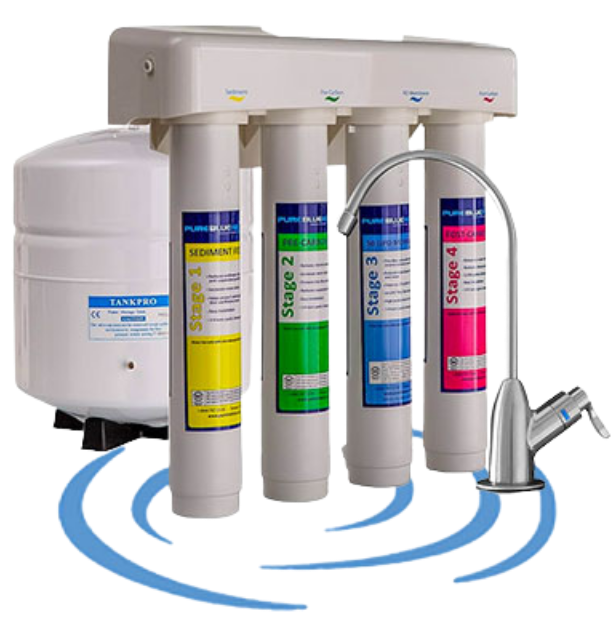
Get a free reverse osmosis drinking water system with the purchase of any whole-home water purification system.
*Cannot be combined with other offers. Mention this special when you call.